
2006 Dump Trucks For Sale
Shop 2006 dump trucks for hauling, site work, snow duty, and municipal use. Compare body style, axle setup, engine, transmission, and PTO specs.


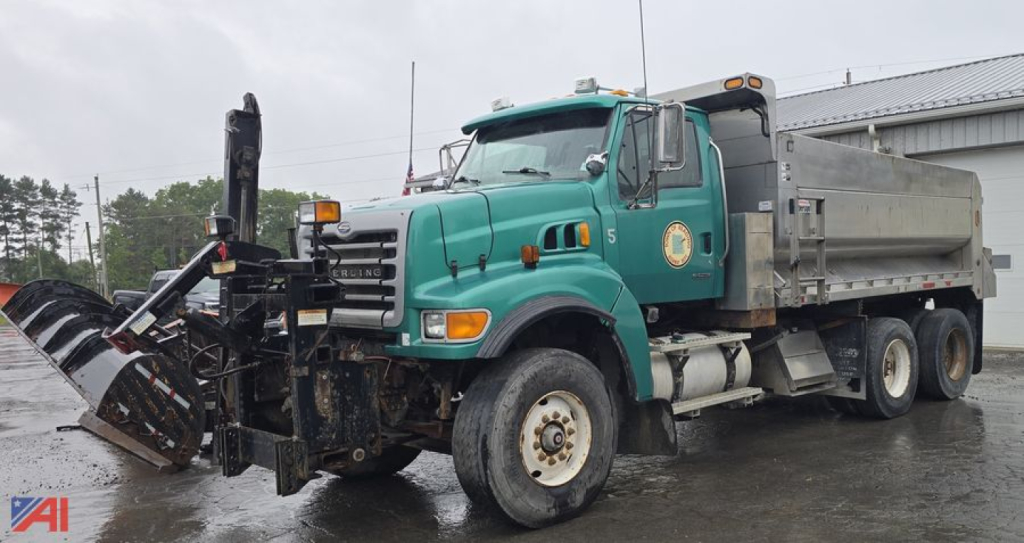
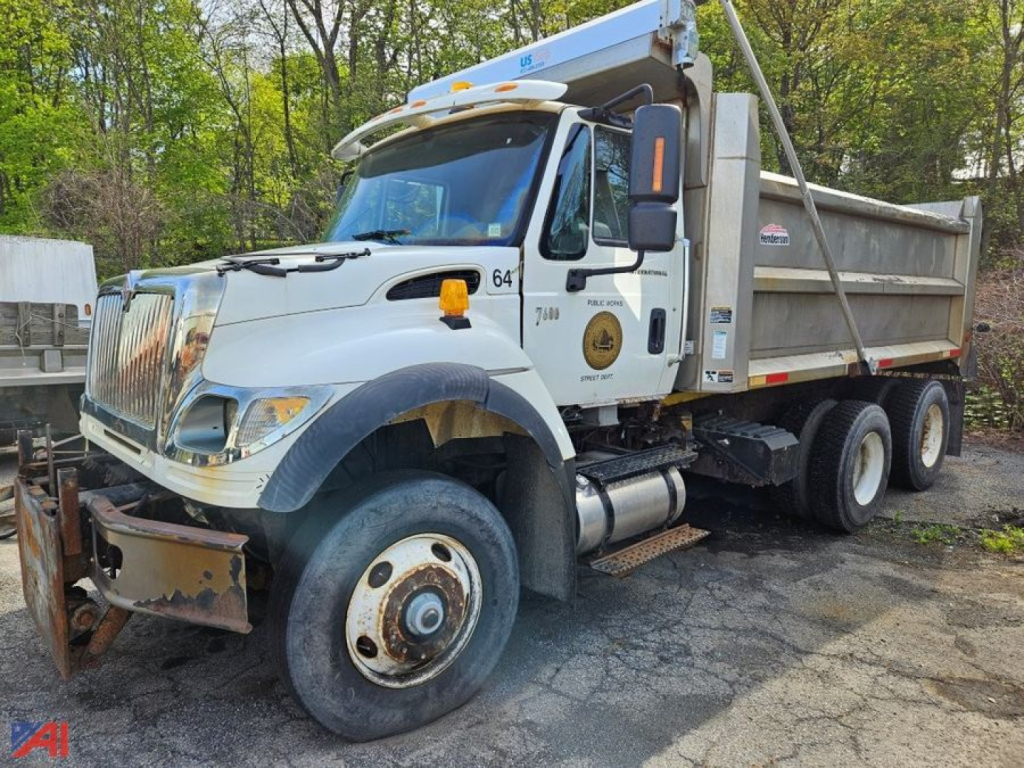
Have 2006 dump truck to sell? List it here to reach thousands of buyers.
2006 Dump Trucks
The first decision is usually size and axle layout. A single-axle 2006 dump truck is easier to maneuver, lighter on registration and tire cost, and often well suited for tight residential work or municipal routes. Tandem-axle trucks bring more legal payload and better stability under heavier material, but operating cost and turning radius increase with the extra capacity. Buyers should also compare dump body length, side height, floor thickness, and body material. Steel bodies are common for rock, riprap, and demolition work because they tolerate impact better. Aluminum bodies save weight and can improve payload for sand, salt, and lighter bulk products. If the truck has a combination spec with plow gear, wing mounts, or a tailgate spreader setup, hydraulic condition matters as much as engine condition.
Powertrain specs on 2006 dump trucks vary widely, and that matters because this was a transition period for emissions systems and engine design. Many trucks from this year are pre-DPF, which can be attractive to buyers looking for simpler emissions equipment than later models. Engine choices often include diesel platforms from International, Caterpillar, Cummins, Duramax, Mack, or Mercedes-Benz depending on make and GVWR. Automatic and manual transmissions are both common. For stop-and-go vocational work, an Allison automatic is often preferred for ease of use and PTO compatibility, while manual transmissions can still appeal in heavier applications or fleets that standardize around experienced drivers. Rear axle ratio, locking differentials, and suspension spec are worth checking because they directly affect launch performance, off-road traction, and highway speed.
Condition matters more than age alone on a 2006 dump truck. Buyers should pay close attention to frame corrosion, hoist mounts, crossmembers, body floor wear, tailgate hinge condition, hydraulic leaks, PTO engagement, and signs of overloading. Snow and municipal units deserve extra inspection around plow frames, front axle wear, electrical connections, spreader controls, and rust around the cab, dump body, and understructure. Mileage is only part of the picture. Engine hours, idle time, service history, brake condition, steering component wear, and evidence of hard seasonal use often tell more about remaining life than the odometer. A well-kept 2006 dump truck can still fit a small contractor, township, quarry support fleet, or landscaping operation that needs a dedicated vocational truck without stepping into newer-truck pricing.
Frequently Asked Questions about 2006 Dump Trucks
What should I look for first on a 2006 dump truck?
Start with the frame, dump body, and hydraulic system before focusing on cosmetics. Rust, cracked hoist mounts, worn body floors, leaking cylinders, and PTO problems can turn an affordable truck into an expensive rebuild. After that, look at engine hours, transmission operation, front axle wear, suspension condition, brake life, and any evidence that the truck has been consistently overloaded or used heavily for snow service.
Are 2006 dump trucks considered pre-emissions?
Many 2006 dump trucks are attractive because they predate the diesel particulate filter systems that became common on later trucks, but the exact emissions equipment depends on the engine and application. Buyers often target this year for its simpler emissions profile, but it is still important to verify the engine family, local registration rules, and any state or municipal compliance requirements before purchase.
Is a single-axle or tandem-axle 2006 dump truck better?
It depends on the material, route, and legal payload target. Single-axle trucks are easier to maneuver, cheaper to operate, and well suited for residential work, landscaping, and local municipal use. Tandem-axle trucks carry heavier loads and are a better fit for gravel, asphalt, demolition debris, and larger construction jobs, but they come with higher tire, brake, suspension, and registration costs.
What dump body material is best on a used 2006 dump truck?
Steel is generally the better choice for abrasive or impact-heavy material such as rock, broken concrete, and demolition debris because it resists damage better. Aluminum reduces tare weight and can improve payload on lighter bulk commodities such as sand, mulch, and salt. The best choice depends on what the truck hauls most often, and buyers should inspect floor thickness, side integrity, tailgate operation, and overall body repair quality regardless of material.
Are 2006 dump trucks good for snow plow and sander work?
Many are, especially medium-duty and severe-service models spec'd with front plow mounts, central hydraulics, and spreader controls. A truck already set up for snow duty can be valuable, but those units also tend to show more corrosion, front suspension wear, electrical issues, and hydraulic fatigue from seasonal stop-and-go work. On a snow truck, inspect the plow frame, front axle, charging system, wiring, cab switches, and rust around every hydraulic and body mounting point.