
2004 Dump Trucks For Sale in New York
Browse 2004 dump trucks for sale in New York. Compare body sizes, axle ratings, PTO setups, plow prep, and vocational specs.
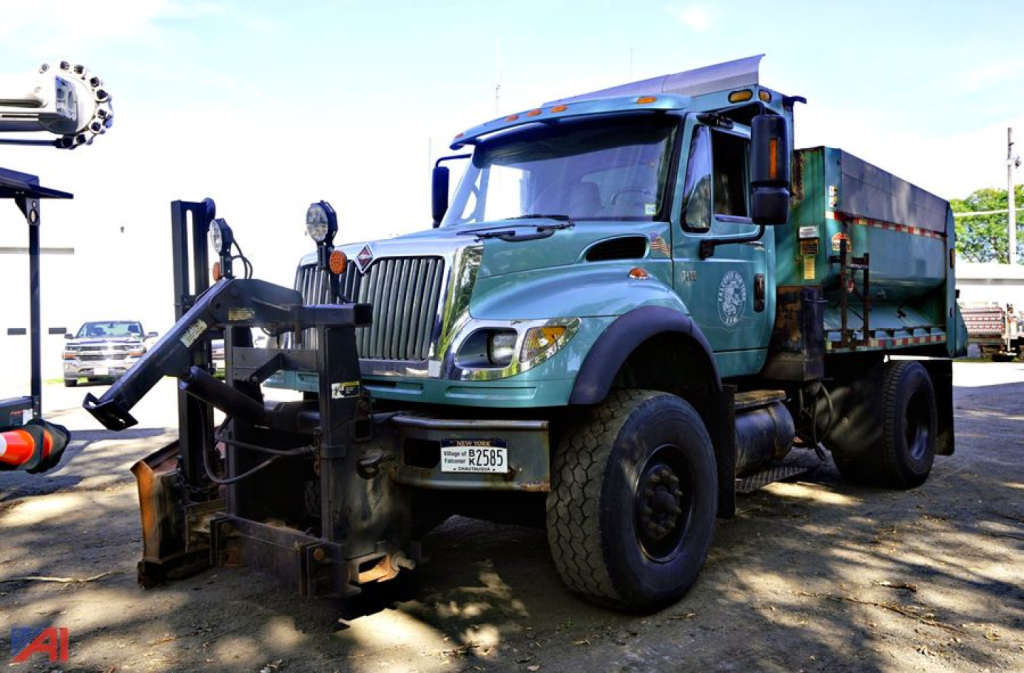
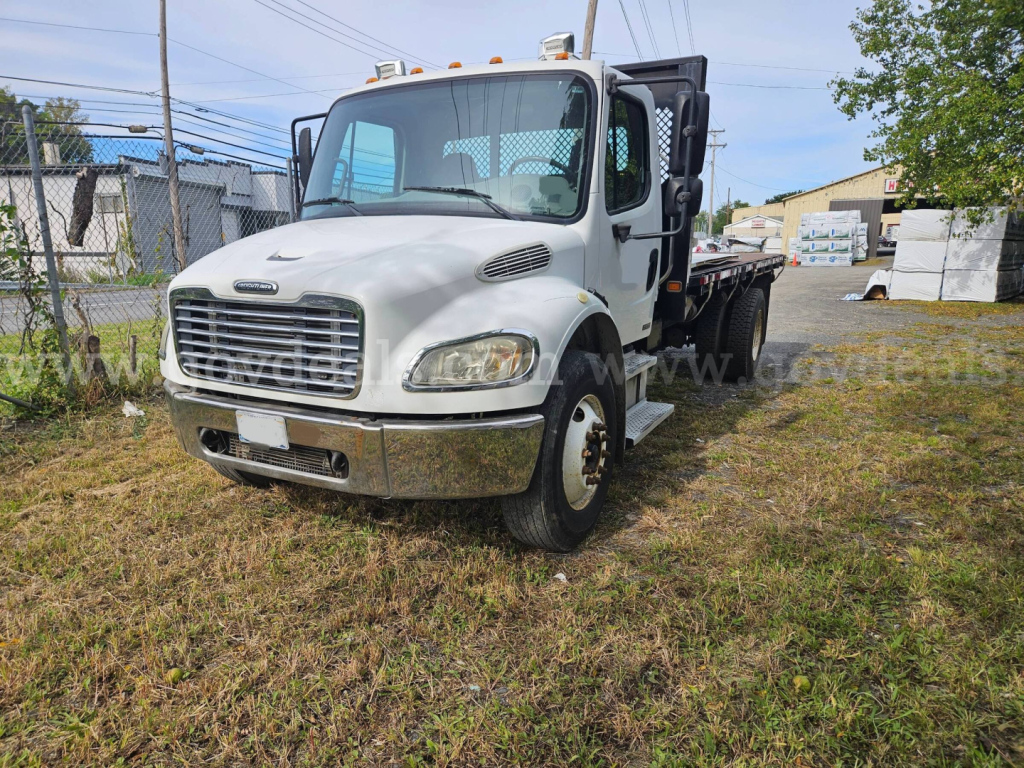
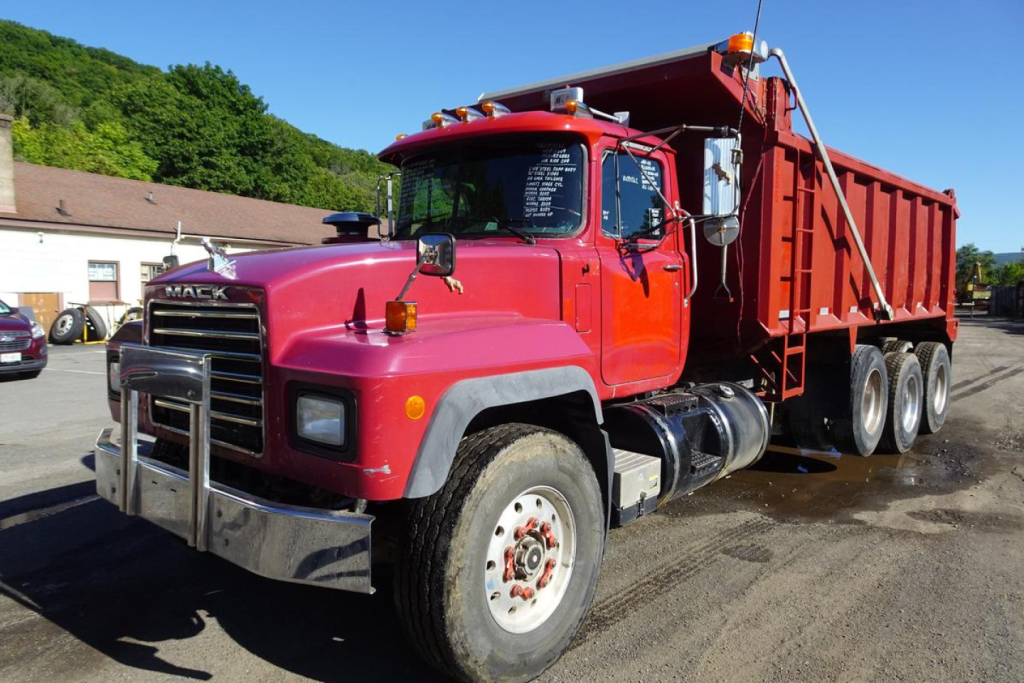
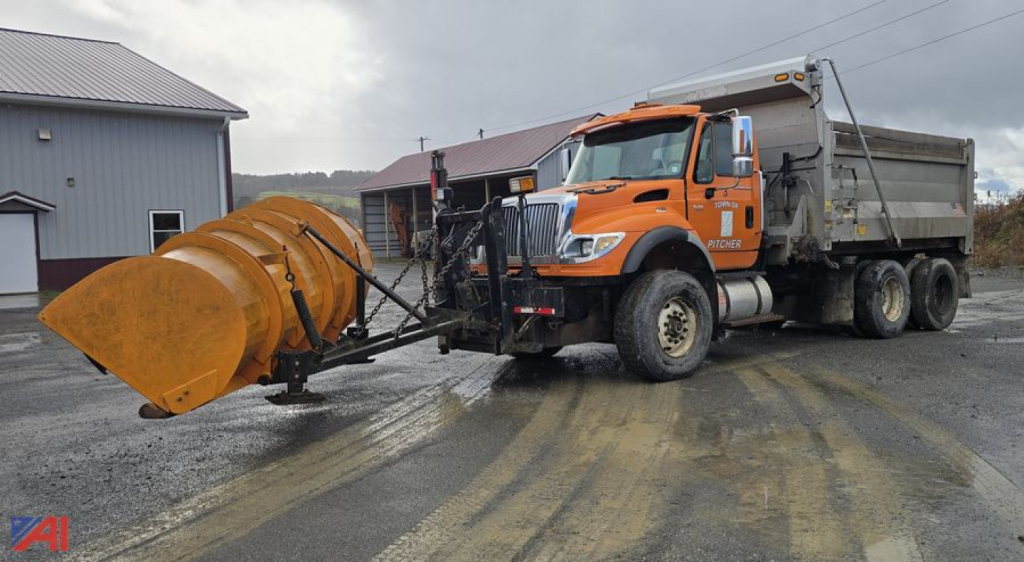
Selling a 2004 dump truck? List your 2004 dump truck for sale and reach thousands of commercial buyers.
2004 Dump Trucks in New York
Frequently Asked Questions about 2004 Dump Trucks in New York
What should I check first on a 2004 dump truck?
Start with the frame, hoist, body floor, crossmembers, hinge points, and tailgate hardware. A 2004 dump truck may still have a lot of life left in the engine and driveline, but rust, previous body repairs, and hydraulic wear usually determine how much money the truck will need after purchase. In New York, inspect cab corners, spring hangers, plow mounts, wiring, brake lines, and spreader or auxiliary hydraulic plumbing closely because road salt and winter use can age these areas faster than the powertrain.
What axle and body specs are common on 2004 dump trucks?
Common configurations include single-axle and tandem-axle dump trucks with steel bodies in the roughly 10 to 17 foot range, depending on class and application. Front axle ratings often fall in the 12,000 to 20,000 pound range, while rears can range from around 21,000 pounds on lighter single-axle trucks to 44,000 pounds or more on tandem vocational chassis. Many 2004 trucks were ordered with spring suspension, double frames on heavier tandems, PTO-driven hydraulic pumps, and either telescopic front-mounted cylinders or underbody scissor hoists.
Is a 2004 dump truck a good choice for plow and spreader work?
It can be, especially if the truck was originally built as an all-season municipal or contractor unit. A proper plow and spreader truck needs more than a dump body. Look for a heavy front axle, front frame reinforcement, hydraulic or electric controls for plow functions, lighting provisions, and enough charging capacity for winter accessories. A truck with central hydraulics or a constant-run PTO can be more versatile for operating the dump body, front plow, wing, and sander from one chassis.
Are automatic or manual transmissions better in a 2004 dump truck?
Both can make sense, depending on the route and operator. Manual transmissions are common in heavier tandem dump specs and are often preferred for off-road control, durability, and lower complexity. Automatic transmissions are popular in municipal and stop-and-go work because they reduce driver fatigue and can be a strong fit for snow duty, short-haul aggregate runs, and urban operation. The right choice depends on terrain, payload, driver pool, and how often the truck will cycle between road speed and jobsite maneuvering.
What body and hydraulic features matter most on an older dump truck?
The important details are the ones tied directly to uptime. Check whether the truck has a telescopic cylinder or scissor lift, if the PTO engages cleanly, whether the pump is noisy under load, and if the body raises smoothly without drifting or twisting. Body condition matters just as much. Steel floors, side height, liner condition, two-way or air-operated tailgates, tarp systems, and chute arrangements all affect how well the truck handles asphalt, stone, dirt, millings, or winter material. A sound hydraulic system and solid body structure usually matter more than cosmetic appearance on a working dump truck.