
2001 Dump Trucks For Sale in New York
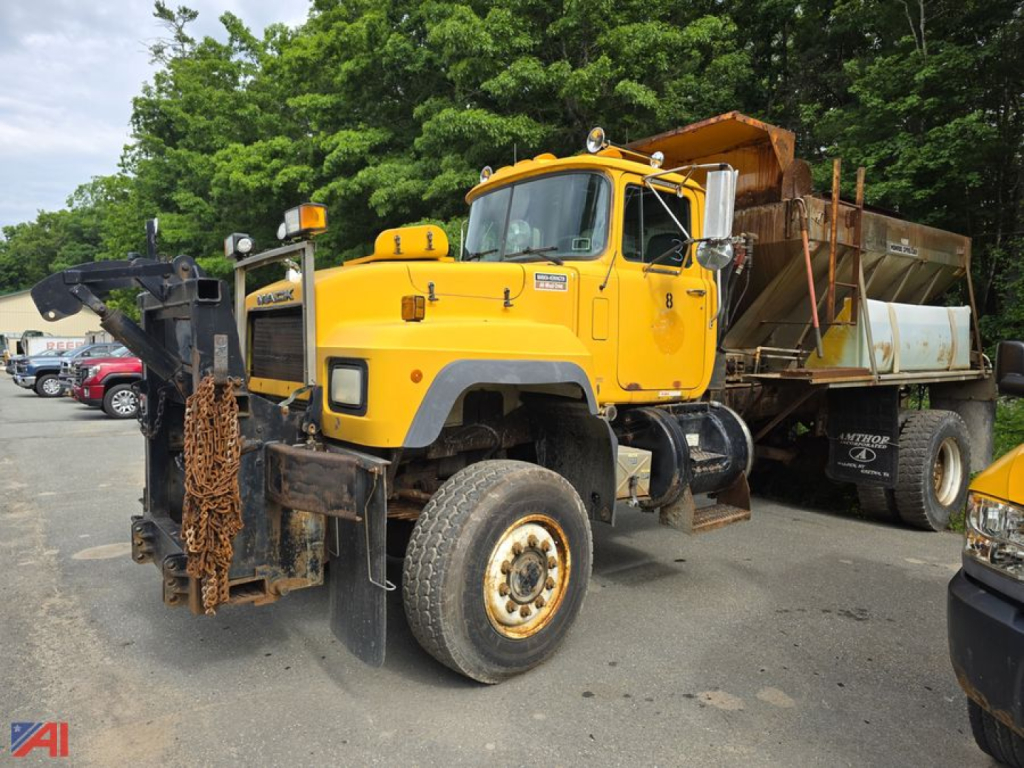
Browse 2001 dump trucks for sale, including tandem and municipal-spec units with PTO hydraulics, plows, sanders, and vocational chassis.
Learn more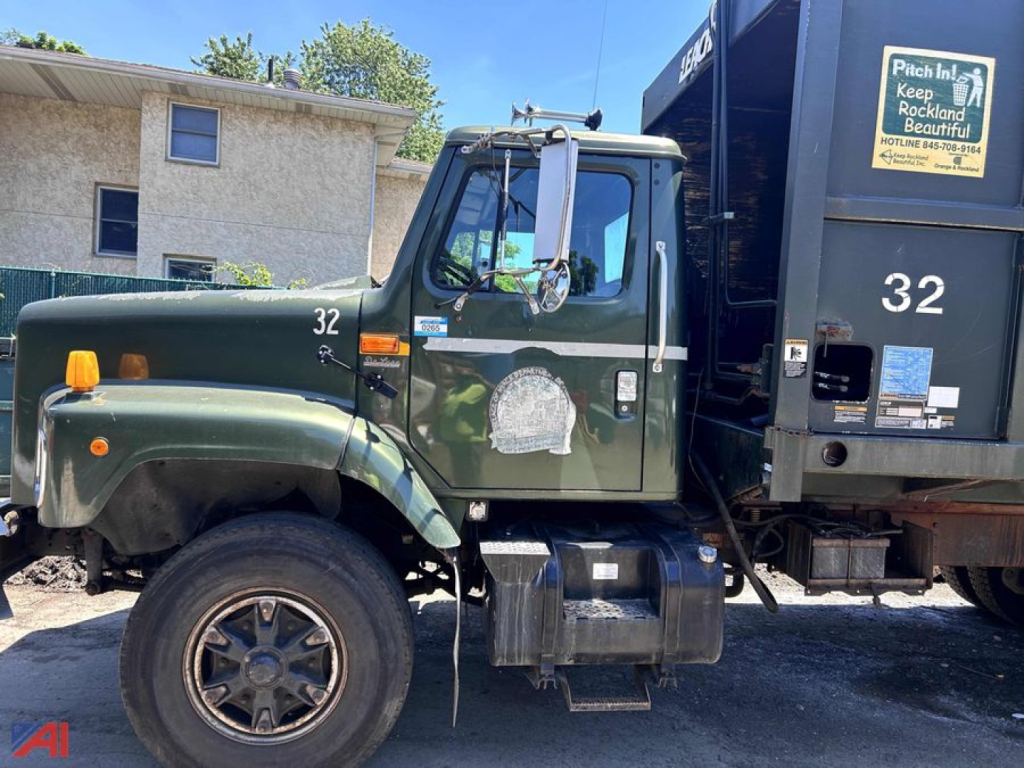
Have 2001 dump truck to sell? List it here to reach thousands of buyers.
About 2001 Dump Trucks in New York
The big buying decision on a 2001 dump truck is usually the spec match between payload needs and operating environment. Common configurations include single axle and tandem axle setups, spring or camelback suspensions, and manual transmissions such as 8LL, 9-speed, or heavier vocational boxes paired with PTO-driven hydraulic systems. Typical items to verify include front axle rating, rear axle capacity, axle ratio, wheelbase, brake type, and whether the truck has a single frame or double frame. On the body side, steel bodies are common for demolition, rock, and abrasive material, while aluminum bodies reduce tare weight and can improve legal payload for lighter bulk material. Hoist type, tailgate design, liner condition, floor thickness, and body dimensions all affect how well the truck fits hauling dirt, millings, topsoil, snow, or municipal material.
Age alone does not make a 2001 dump truck a poor choice, but condition has to be judged at a vocational level. Buyers should inspect the PTO engagement, pump performance, cylinder seals, hoist pins, trunnions, hinge area, and any wetline plumbing for leaks or slow cycle times. Frame rail rust, suspension hanger wear, kingpins, steering box play, driveline vibration, brake chamber condition, and differential noise are all expensive issues on an older dump chassis. If the truck carries plow gear or a sander, check front frame extensions, hydraulic controls, underbody corrosion, spreader operation, and signs of hard winter service. Engine hours can matter as much as odometer mileage on municipal and jobsite trucks because these units often spend long periods idling while loading, spreading, or operating accessories.
A well-matched 2001 dump truck often appeals to buyers who want a lower acquisition cost and a simpler platform that can still handle local hauling, road work, landscaping supply, farm use, or township maintenance. The best value is usually found in trucks with clear service records, a solid dump body, strong hoist performance, and specs that fit the intended material rather than just the lowest price. For buyers comparing listings, it pays to focus on axle ratings, body construction, hydraulic setup, rust history, and evidence of municipal versus private-contractor use. Those details will tell you far more about remaining service life than model year alone.
Frequently Asked Questions
What should I check first on a 2001 dump truck?
Start with the frame, dump body, and hydraulic system because those are the most expensive vocational components to repair. Look closely for rust-through, cracked crossmembers, body floor wear, hoist leaks, cylinder damage, PTO engagement issues, and slow or uneven lift operation. After that, inspect axle ratings, suspension condition, brake system health, and evidence of plow or sander use, especially on trucks that worked in snow states like New York.
Is a 2001 dump truck too old for commercial work?
Not necessarily. A 2001 dump truck can still be productive in local hauling, site work, landscaping, farm, and municipal applications if it has been maintained properly and the major structural components are sound. Older dump trucks are often chosen for lower capital cost, but buyers need to budget carefully for vocational wear items such as pins, bushings, springs, hydraulics, brakes, and corrosion repair.
What body material is better on an older dump truck, steel or aluminum?
It depends on the material being hauled. Steel dump bodies generally hold up better in severe-duty applications such as rock, demolition debris, and abrasive material, while aluminum bodies reduce empty weight and can improve payload on lighter bulk loads like mulch, grain, or some aggregate work. On a 2001 truck, body condition matters more than material alone, so inspect the floor, side panels, tailgate, mounts, and hinge points carefully.
Why do municipal-spec dump trucks need extra inspection?
Municipal dump trucks often have useful features such as plows, sanders, wetline hydraulics, and all-season vocational setups, but they also tend to see heavy winter service. Salt exposure can accelerate corrosion on frames, wiring, hydraulic lines, cab mounts, and spreader components. Many municipal trucks also accumulate high engine hours from idling, so service records, corrosion level, and accessory function are critical when evaluating remaining life.
What transmission and axle specs are common on 2001 dump trucks?
Many 2001 dump trucks were spec'd with manual transmissions such as 5-speeds, 8LLs, or 9-speed vocational gearboxes, paired with PTO systems for the hoist and any auxiliary hydraulic equipment. Rear axle capacities commonly fall into vocational tandem ranges, and axle ratios are often selected for low-speed pulling power rather than highway fuel economy. Buyers should match the gearing, suspension, and axle ratings to the truck's intended payload, terrain, and route profile.