
1997 Dump Trucks For Sale
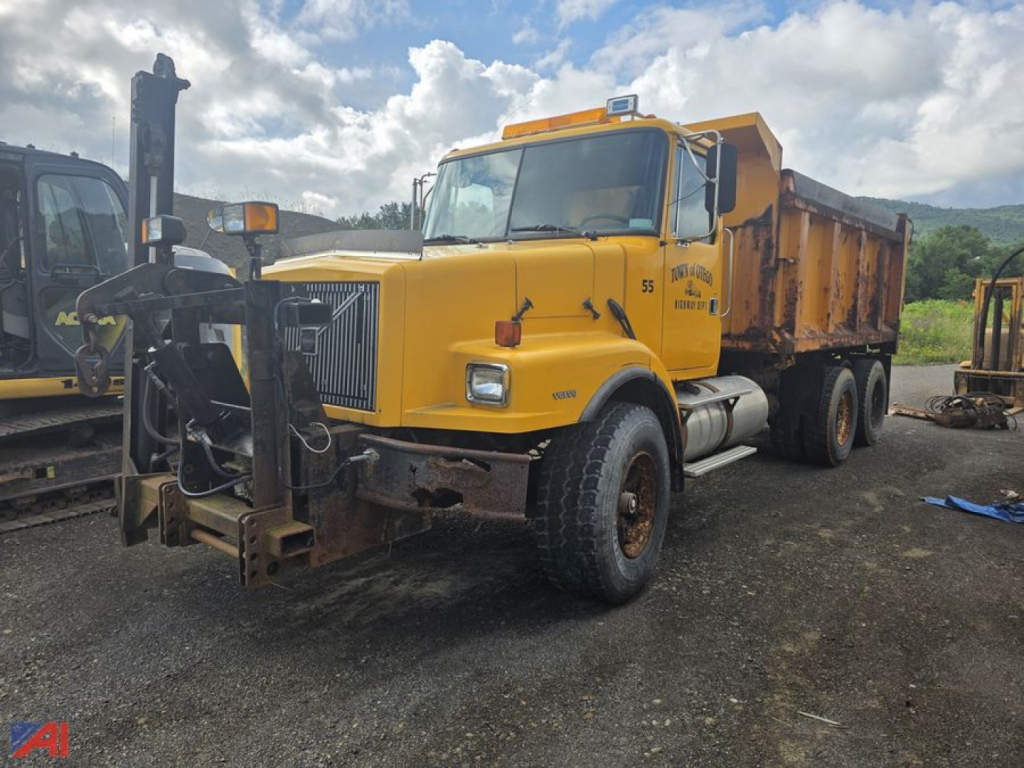

Have 1997 dump truck to sell? List it here to reach thousands of buyers.
1997 Dump Trucks
Spec choice matters more than model year in this category. A lighter single-axle dump truck may fit municipal work, landscape supply, asphalt patching, or tighter urban routes, while tandem and tri-axle trucks are more common for aggregate, demolition debris, and heavier site work. Pay close attention to GVWR, wheelbase, body length, side height, tailgate style, and PTO operation. Engine and transmission combinations from this era often include proven diesel platforms paired with manual transmissions or basic automatics, and many fleets still prefer them for predictable repair costs. If the truck has a pusher or tag axle, inspect lift axle controls, tire wear, and legal bridge compliance for the states where it will run.
Body and hydraulic condition usually determine near-term ownership cost. Look for crossmember rust, cracked hinge areas, cylinder leakage, sloppy trunnions, and uneven body lift under load. Steel bodies are common for rock, demo, and abrasive material, while aluminum bodies reduce weight and can improve payload for lighter bulk commodities. Buyers should also inspect the cab structure, spring hangers, brake components, steering gear, and driveline for signs of hard vocational use. On older dump trucks, service records, replacement history for clutch or transmission work, and signs of frame reinforcement or prior repairs can tell you more than the odometer.
A 1997 dump truck is often purchased for local hauling, farm use, construction support, snow work, or as a lower-cost backup unit. The best value usually comes from matching the truck to the application instead of chasing the lowest price. A properly spec'd older dump truck with the right axle capacity, body size, and hydraulic setup can still handle productive daily work, especially in operations that prioritize simplicity, short-haul duty cycles, and in-house maintenance capability.
Frequently Asked Questions about 1997 Dump Trucks
What should I inspect first on a 1997 dump truck?
Start with the frame, dump body, and hoist system. Check for rust-through, welded repairs, cracked frame rails, worn hinge pins, leaking hydraulic cylinders, and body damage from repeated overloading. Then verify axle ratings, suspension condition, brake wear, and PTO engagement. On an older dump truck, structural condition usually matters more than mileage.
Are 1997 dump trucks easier to maintain than newer models?
In many cases, yes. A 1997 dump truck often has fewer emissions-related components and less electronic complexity than later vocational trucks. That can simplify diagnosis and reduce downtime for fleets with in-house technicians. Maintenance ease still depends on engine make, parts availability, previous repairs, and how hard the truck was worked.
Is a steel or aluminum dump body better on a 1997 truck?
Steel bodies are generally better for abrasive or heavy materials like rock, rubble, and demolition debris because they resist impact damage. Aluminum bodies reduce empty weight and can increase legal payload, which helps in lighter material hauling such as mulch, grain, or landscape products. The right choice depends on what the truck will haul most of the time.
What axle setup is best for a 1997 dump truck?
Single-axle dump trucks are useful for tighter jobsites, lower operating costs, and lighter payloads. Tandem-axle trucks are a common choice for construction and aggregate hauling because they balance capacity and maneuverability. Tri-axle and lift-axle setups are better suited to higher legal payload requirements, but buyers should confirm axle laws and bridge formulas in their operating region.
How important is the transmission on an older dump truck?
Transmission choice affects driver familiarity, repair cost, and performance under load. Manual transmissions are common on older dump trucks and are often preferred for simplicity and control on rough jobsites. Automatic transmissions can improve ease of use in stop-and-go work, but buyers should confirm shift quality, PTO compatibility, and service history before purchase.