
Commercial Trucks For Sale Near Draper, Utah

Have commercial truck to sell? List it here to reach thousands of buyers.
Commercial Trucks Near Draper, Utah
For work in Utah, pay close attention to powertrain, GVWR, and axle ratings. Light and medium-duty trucks commonly run gas V8 or diesel engines, and the right choice depends on mileage, idle time, payload, and service costs. Gas engines can make sense for municipal, maintenance, and local route work with lower annual miles. Diesel power is usually favored for heavier payloads, towing, mountain grades, and longer duty cycles. On cab and chassis trucks, wheelbase and cab-to-axle measurement matter because they determine what body length will fit correctly. Buyers comparing box trucks should verify interior cube, door opening dimensions, liftgate rating, and suspension condition, especially if the truck will handle palletized freight or frequent dock work.
Truck condition should be evaluated by use case, not just age. A fleet-maintained older unit with clear service records can be a stronger buy than a newer truck with the wrong body, axle setup, or engine spec. On service trucks, inspect compartment doors, latch hardware, rust around the bed, PTO operation if equipped, and any crane or compressor systems. On box trucks, look at floor wear, roof leaks, scuff liner condition, rear frame corrosion, and liftgate function. For road tractors, focus on emissions system history, transmission spec, sleeper configuration, fairings, tire wear pattern, and signs of uneven loading or alignment issues. In Utah’s climate, rust may be less severe than in some regions, but work trucks still need a close check around underbody components, utility bodies, and exposed hardware.
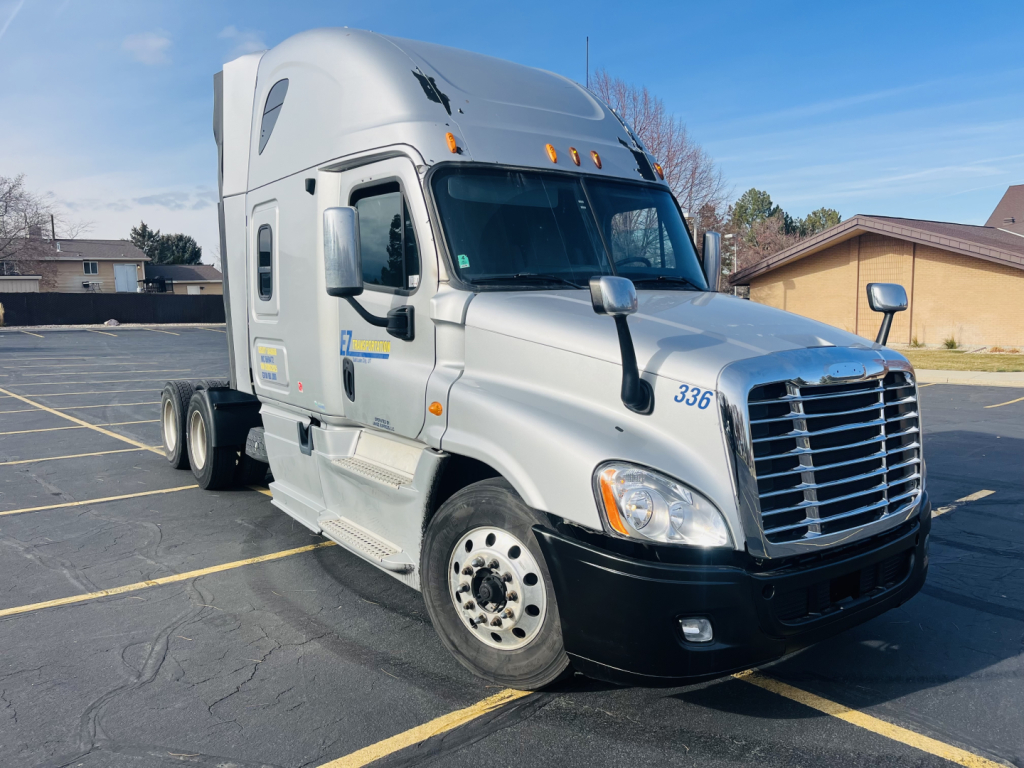
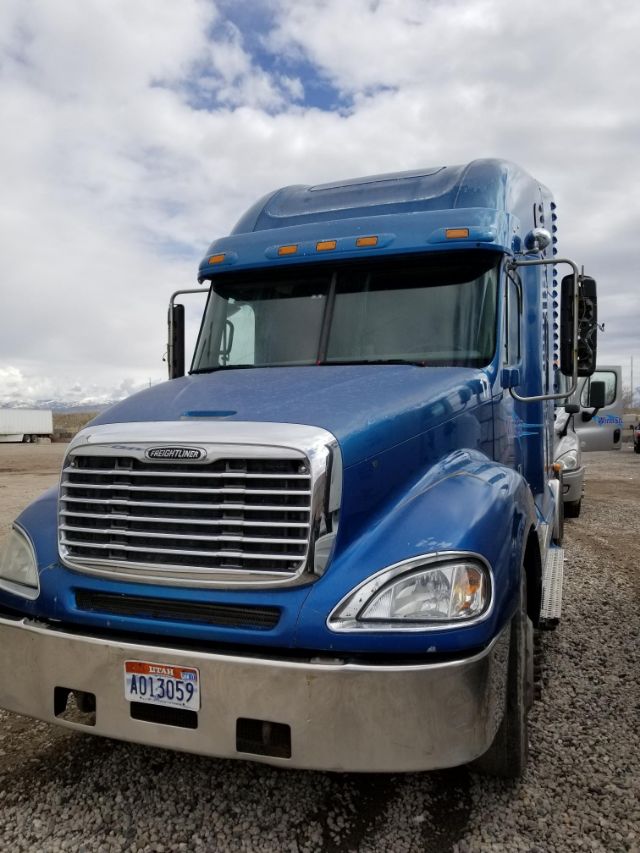
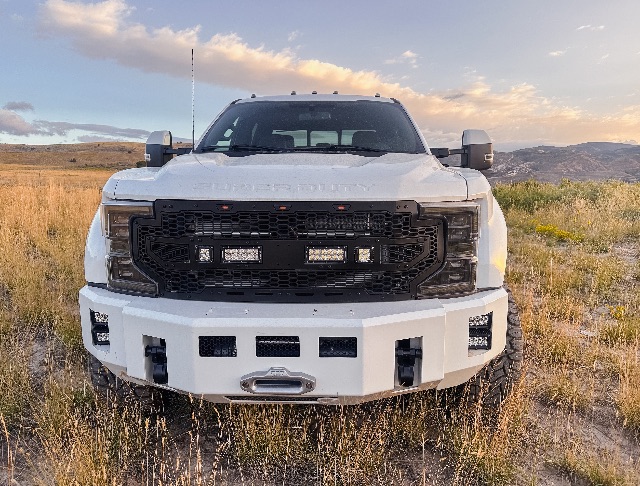
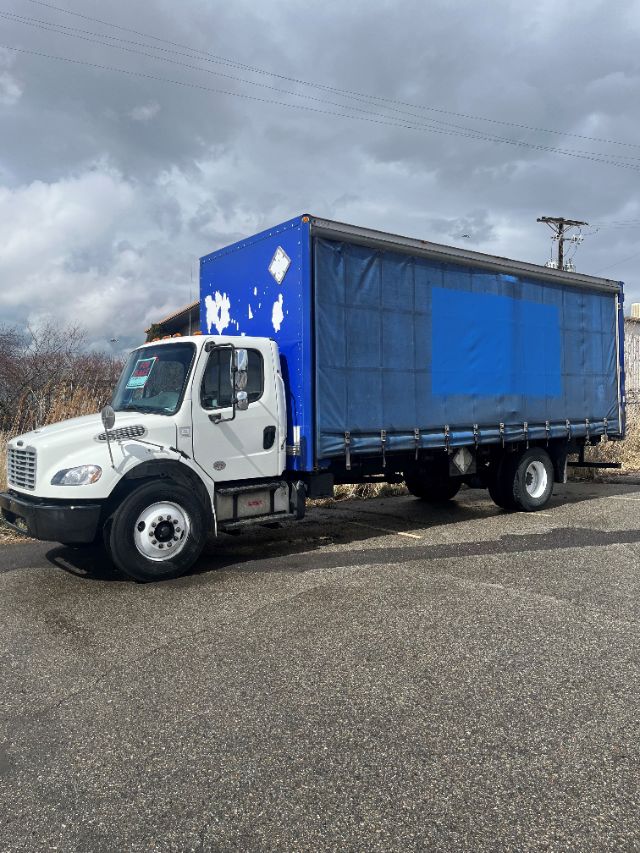
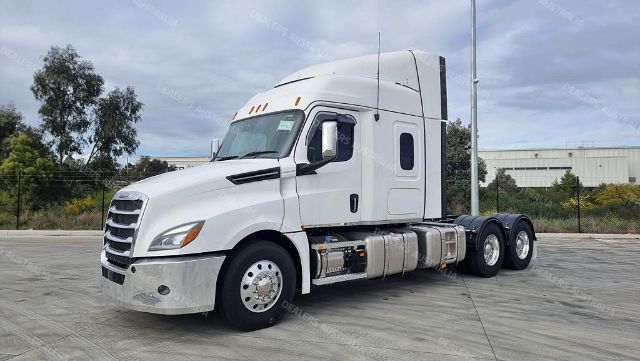
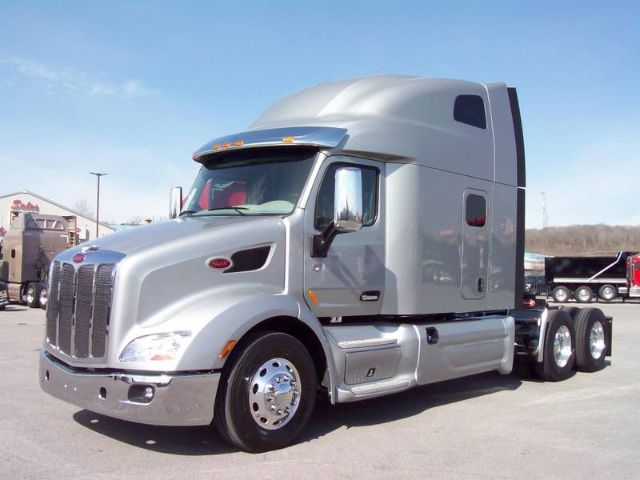
The best truck is the one that matches payload, body requirement, route profile, and licensing needs without carrying unnecessary cost. A 3/4-ton or 1-ton pickup can handle many contractor and municipal tasks, while an F-550 or similar Class 5 chassis supports heavier bodies and higher GVWR applications. Medium-duty models like the Freightliner M2 are common for box, landscape, towing, and local delivery work because they balance maneuverability with commercial capacity. Heavy-duty tractors such as a Cascadia are better suited to linehaul and regional freight where fuel efficiency, driveline spec, and sleeper amenities affect operating cost every day. Buyers who start with application, body fit, and weight class usually make a better decision than those who shop only by year or odometer.
Frequently Asked Questions about Commercial Trucks Near Draper, Utah
What type of truck should I buy for my business application?
The right truck depends on what the truck needs to carry, tow, and support every day. A pickup or service truck fits field service, utility, maintenance, and contractor work where tools and parts access matter. A cab and chassis is best when you need to install a specific body such as a flatbed, dump, service body, or landscape bed. A box truck is suited for local delivery, moving, and protected cargo, especially when pallet handling and liftgate use are part of the job. A sleeper tractor is the correct choice for over-the-road freight and higher combined weights.
Is a gas or diesel truck better for commercial use?
Gas trucks often work well for lighter-duty operations with shorter routes, lower annual mileage, and simpler maintenance priorities. Diesel trucks usually make more sense for heavier payloads, towing, mountain driving, and applications where torque and long-duty-cycle efficiency matter. Diesel engines also tend to be preferred in medium-duty and heavy-duty classes where GVWR and operating demands are higher. The best choice comes down to loaded weight, annual miles, idle time, maintenance budget, and the availability of qualified service support.
What specs matter most on a cab and chassis truck?
Wheelbase, cab-to-axle measurement, GVWR, front and rear axle ratings, and suspension spec are the key numbers because they determine what body can be installed and how much legal payload the truck can handle. Buyers should also verify engine output, transmission type, fuel tank capacity, PTO compatibility if required, and frame condition. If the truck will carry a utility body, crane, dump body, or other upfit, those measurements need to match the body builder’s requirements. A good-looking truck with the wrong frame length or axle capacity can become an expensive mistake.
What should I inspect on a used box truck?
Focus on the cargo box and the chassis as separate systems. Check box dimensions, door opening size, roof condition, floor wear, wall damage, scuff liners, and signs of water intrusion. Test the liftgate under load if possible and confirm its rated capacity matches the freight you plan to move. On the chassis side, inspect brakes, suspension, steering, tires, cooling system, and service history, because delivery trucks often accumulate hard stop-and-go miles even when mileage looks moderate.
Do truck buyers in Utah need to think differently about specs and condition?
Yes. Utah buyers often deal with elevation changes, mountain grades, and seasonal weather, so cooling performance, brake condition, tire selection, and powertrain spec carry extra importance. Trucks used on steep grades or with consistent towing loads benefit from the right axle ratio, transmission gearing, and engine output. Snow, road treatment chemicals, and outdoor storage can still create corrosion on frames, utility beds, electrical connections, and exposed steel components. A truck that will work across varying terrain should be matched to route demands, not just payload on paper.