
Commercial Trucks For Sale Near Downsville, New York
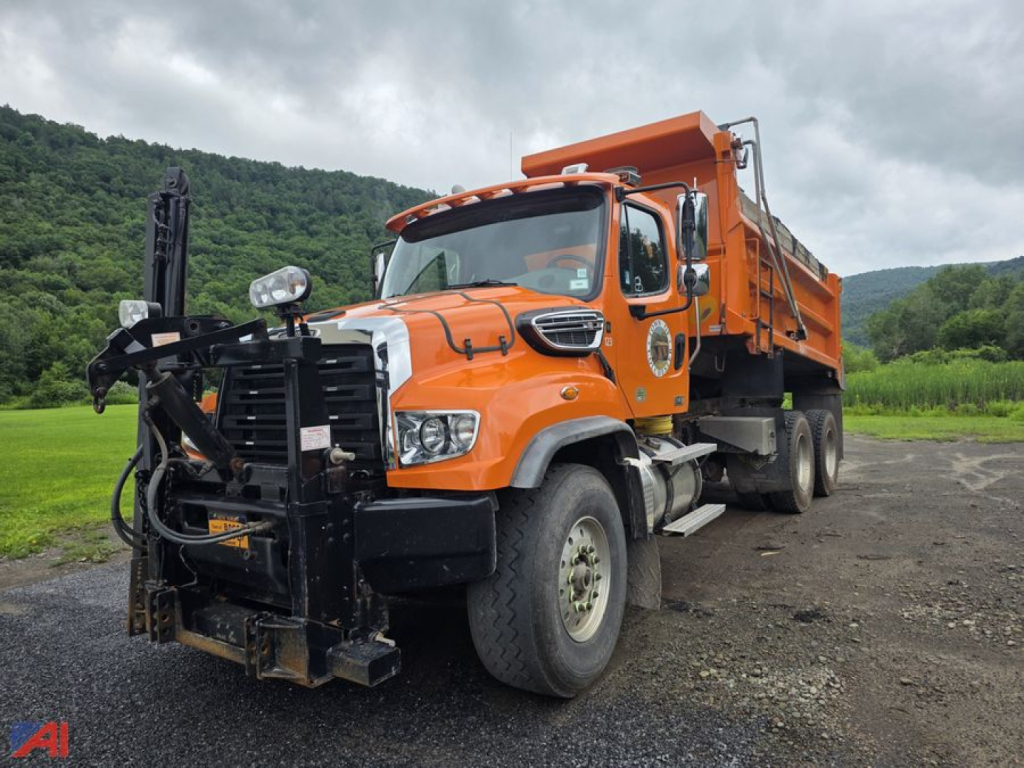
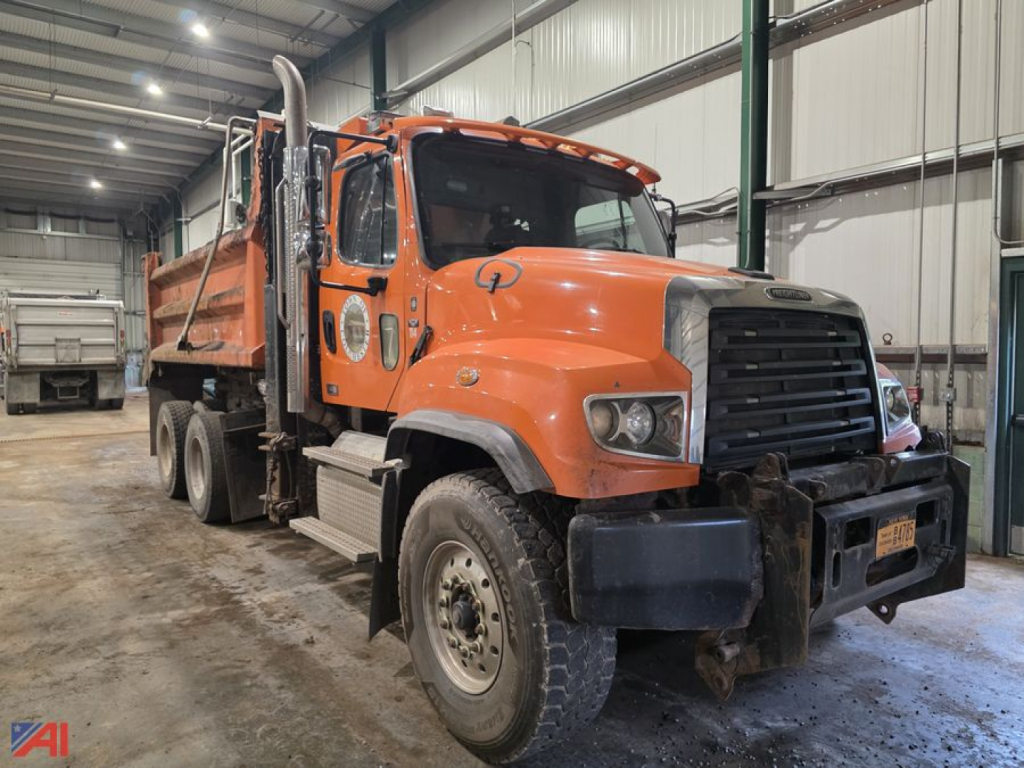
Have commercial truck to sell? List it here to reach thousands of buyers.
Commercial Trucks Near Downsville, New York
In a market this broad, powertrain decisions matter as much as body style. Gas engines are common in lighter truck classes and can make sense for shorter routes or lower annual mileage, while diesel trucks remain the standard for heavier payloads, towing, and commercial duty cycles. Transmission choice affects both driver availability and maintenance planning, with automatic and automated manual options now common across many segments. Rear axle ratio, horsepower, torque curve, and brake setup all need to fit the job. A truck spec’d for stop-and-go municipal work is very different from one set up for regional freight, equipment hauling, or utility service.
Condition and prior use are especially important when evaluating used trucks. Rust, frame condition, suspension wear, brake life, tire date codes, emission system history, and body mounting quality can tell you more than mileage alone. On vocational trucks, buyers should inspect PTO operation, hydraulic performance, hoist condition, bed or body corrosion, and signs of overloading. On highway trucks, look closely at fifth wheel wear, driveline condition, sleeper equipment, and service records. In a rural upstate New York market, winter exposure makes underbody and wiring condition worth extra attention, especially on older units.
The best truck purchase is usually the one that fits the route, payload, and service environment without carrying unnecessary spec. A lighter truck may reduce fuel use and simplify maneuvering on local roads, while a heavier platform may offer the frame strength, axle capacity, and upfit flexibility needed for growth. Buyers often compare cab and chassis trucks for custom bodies, straight trucks for dedicated cargo space, and road tractors for trailer work. Looking at axle configuration, body length, loading method, and maintenance support will usually narrow the field faster than focusing on brand alone.
Frequently Asked Questions about Commercial Trucks Near Downsville, New York
What should I look at first when comparing trucks for sale?
Start with the truck’s intended application, GVWR, and payload needs. Those three factors determine whether you should be shopping light-duty, medium-duty, or heavy-duty trucks, and they influence CDL requirements, axle ratings, suspension design, brake capacity, and body options. After that, compare wheelbase, cab style, engine type, transmission, and any vocational equipment such as PTOs or hydraulic systems.
How do I know if I need a light-duty, medium-duty, or heavy-duty truck?
Light-duty trucks are generally suited to pickups, lighter service bodies, and lower payload jobs. Medium-duty trucks are commonly used for box trucks, dumps, rollback bodies, landscape trucks, and municipal work. Heavy-duty trucks are built for the highest payloads, severe service applications, and tractor-trailer use. The right class depends on loaded vehicle weight, towing demands, body type, route conditions, and how many hours the truck will work each day.
Is mileage the most important factor on a used truck?
Mileage matters, but it should not be viewed in isolation. Maintenance history, engine hours, idle time, rust, frame condition, transmission performance, brake wear, tire condition, and emission system service can be just as important. A properly maintained commercial truck with higher miles may be a better buy than a lower-mile unit with corrosion, deferred maintenance, or a hard vocational past.
What specs matter most on a truck with a body or upfit?
Body compatibility starts with wheelbase, cab-to-axle measurement, frame strength, PTO provision, and rear axle capacity. Buyers should also confirm hydraulic requirements, hoist or lift operation, body mounting quality, and how the truck is loaded and unloaded in daily use. For box, dump, service, and utility applications, the truck chassis and the upfit need to be matched correctly or the unit can be inefficient, overloaded, or expensive to maintain.
Are diesel trucks always better than gas trucks?
Not always. Diesel trucks usually make more sense for heavier payloads, towing, higher annual mileage, and demanding commercial cycles because they deliver strong torque and long-service durability. Gas trucks can be a practical choice for lighter-duty work, shorter routes, lower acquisition cost, and fleets that want simpler maintenance in certain applications. The better choice depends on payload, route length, idle time, fuel cost, and total cost of ownership.