
Ford Digger - Derrick Trucks For Sale
Shop Ford digger derrick trucks, comparing boom capacity, deck strength, hydraulic cooling, weight, and corrosion protection for reliable utility work.
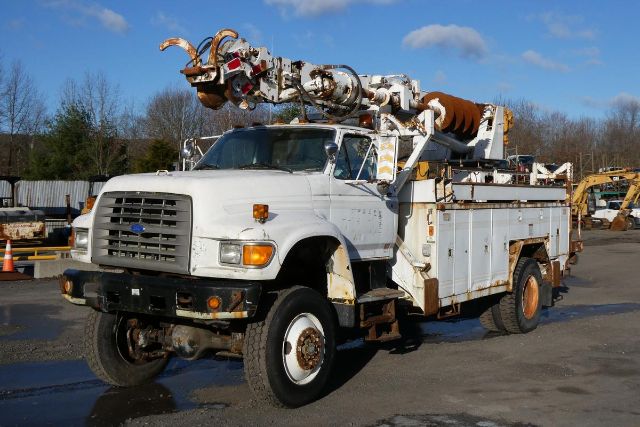
Selling a ford digger - derrick truck? List your ford digger - derrick truck for sale and reach thousands of commercial buyers.
Ford Digger - Derrick Trucks
Deck and subframe integrity govern how a derrick lives on a Ford chassis. Look for bed floors built from 3/16 in tread plate or heavy 10 gauge steel with crossmembers on 10 to 12 in centers, continuous welds at stake pockets, and gusseted tie downs. The derrick subframe should be tied into chassis frame rails with properly sized U bolts or clamps and shear plates that spread outrigger loads; localized cracking near outrigger boxes or around the turntable mount is a red flag. Pole racks and headache racks should show straightness and secure welds; twisted decks indicate past overloads or off level digs. A flat, tight deck reduces flex, improves auger alignment, and keeps the boom base true under torsion.
Thermal integrity centers on hydraulic system management and powertrain cooling. Verify pump sizing and PTO ratio deliver required GPM at safe engine rpm, then check for an oil cooler with thermostatic bypass and clean fins; hydraulic oil that routinely runs above 180 F shortens seal and hose life. Cold climate packages with tank warmers, return line heaters, and winter grade ISO VG fluids speed morning startup and protect the pump. Fiberglass upper booms should carry intact dielectric ratings, gel coat without UV chalking, and seals that tolerate heat cycling; temperature swings can affect dielectric stability and resin microcracking, so current test certification is valuable. Ford chassis with live PTO provision and high output alternators support stable work modes, reducing heat soak during long dig cycles.
Tare weight determines usable payload and axle compliance. A steel service body with mid height compartments and a 40 to 50 ft derrick can push a Class 6 or Class 7 chassis close to its ratings once tools, augers, rigging, and a full tank are aboard; verify scale tickets and individual axle weights with outriggers, pole guides, and winch options considered. Aluminum or galvanneal bodies save several hundred pounds compared to all steel, improving margin on the steer axle and extending brake and tire life. Corrosion resistance matters, especially in salt regions; look for e coat primed and powder coated bodies, sealed seams, stainless hinges and fasteners, underbody wax or asphalt coatings, and loomed wiring with sealed Deutsch connectors. Frame rails should retain intact paint with no undercut rust near spring hangers or PTO mounts, and hydraulic tanks should be clean inside with no pitting around welds or sight glasses.
Frequently Asked Questions about Ford Digger - Derrick Trucks
Which Ford chassis are best suited for digger derrick upfits, and what ratings should I check first?
F-550 and F-600 fit compact derricks with lower sheave heights and lighter tool loads, while F-650 and F-750 handle larger booms and higher digger torque. Start by confirming GVWR, front and rear GAWR, wheelbase to match the body and outrigger spread, and PTO provision on the TorqShift transmission. Verify RBM and frame section modulus meet the upfitter’s requirements for the chosen derrick subframe.
How do I evaluate boom capacity for pole setting, not just sheave height?
Review the manufacturer’s load chart at working radii and boom angles, the digger torque rating for your soil class, and the winch line pull with the line speed you need. Consider whether the unit has a fiberglass upper for dielectric work, the outrigger style and spread for stability, and the condition of wear pads and rotation bearings. Real productivity depends on torque at depth and charted capacity at your typical radius, not just maximum height.
What should I inspect to confirm deck and subframe strength on a used Ford derrick truck?
Look for a straight deck with 3/16 in plate or heavy gauge steel, tight crossmembers on 10 to 12 in centers, and uncracked welds at stake pockets and pole racks. Inspect the derrick subframe for clean, full length contact with the chassis rails, sound mounting hardware, and no elongation at bolt holes. Check for ripple or buckling near outrigger boxes, cracks at the turntable base, and any signs of prior heat straightening, all of which indicate past overloads.
How does tare weight affect legal payload and axle compliance on these trucks?
Payload is GVWR minus curb weight, but axle limits control real world capacity. A derrick, steel body, tools, and augers can consume most of a Class 6 or 7 rating, so obtain recent scale tickets and confirm steer and drive axle weights with all gear aboard. Choosing an aluminum or galvanneal body, compact tool layout, and appropriate fuel and hydraulic tank sizes can reduce tare weight and keep axle loads within rating, which protects brakes, tires, and suspensions.
What corrosion protection features make a meaningful difference in service life?
Bodies built from galvanneal or aluminum with e coat primer and powder coat resist rust far better than painted raw steel. Sealed seams, stainless hinges and latches, underbody coatings, and sealed electrical connectors slow salt intrusion. On the chassis, intact frame paint, capped frame ends, and protected PTO and hydraulic components limit galvanic corrosion. Poly or stainless hydraulic reservoirs and stainless hardware on outrigger pins also help in coastal and snow belt operations.