
Diamond T Trucks For Sale
Shop Diamond T trucks for sale. Compare vintage pickups and heavy-duty classics, specs, powertrains, and restoration considerations before you buy.
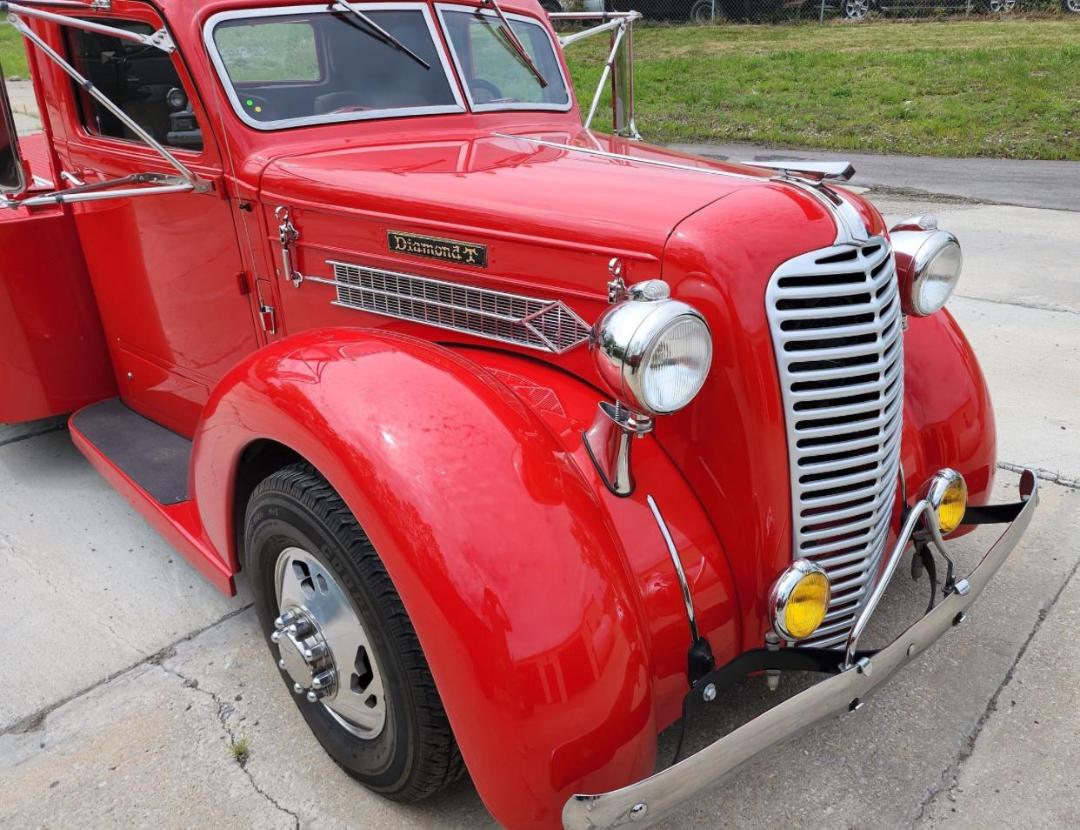
Selling a diamond t truck? List your diamond t truck for sale and reach thousands of commercial buyers.
Diamond T Trucks
Powertrains vary by era. Many civilian models left the factory with Hercules or Continental inline six gasoline engines paired to non-synchronized 4 or 5 speed main boxes and, often, a Brown-Lipe auxiliary for deep reduction or overdrive. Heavy vocational and military units used two-speed rears, PTO-driven front and rear winches, and in some cases full air brakes. Later commercial models and numerous restorations feature diesel conversions, commonly Cummins NH-series or period Buda diesels, improving torque, drivability, and fuel economy. Verify cold-start behavior, oil pressure at hot idle, and gearbox condition, and plan on double-clutching unless a synchronized swap has been done.
Chassis and running gear are straightforward but benefit from careful inspection. Frames are riveted ladder designs; check for scaling at spring hangers, crossmembers, and steering box mounts. Many trucks ride on 20 inch tube-type rims, including RH-5 degree split rims that are unsafe; budget for conversion to modern tubeless 22.5 rims and radials. Brake systems can be hydraulic, air-over-hydraulic, or full air. Count on system overhauls with new lines, diaphragms, wheel cylinders, S-cam bushings, and a verified functioning compressor on air-equipped units. Electrical systems were originally 6 volt on earlier models and later 12 volt; many owners convert to 12 volt with a modern alternator and updated harness. Cab rust typically concentrates in cab corners, cowl seams, and door bottoms. Glass is flat and widely reproduced, as are emblems and trim, which simplifies cosmetic restoration.
Ownership planning matters as much as nostalgia. GVWR on heavy Diamond T tandem 6x4 or 6x6 models can trigger CDL requirements depending on state law; antique or historic registration may limit commercial use and mileage. Insurance carriers often require a professional appraisal. Value depends on completeness, originality, and correctness of military or vocational gear, including Gar Wood winches, period PTOs, and data plates. For a driver-quality experience, look for upgraded brakes, safe wheels and tires, a reliable charging system, and gearing that matches your intended route speeds, since many originals with deep axle ratios were designed for 35 to 45 mph.
Frequently Asked Questions about Diamond T Trucks
What engines were used in Diamond T trucks and how do they perform today?
Most civilian Diamond T models used Hercules or Continental inline six gasoline engines known for smooth torque and simple service. Heavy vocational and military trucks sometimes carried larger displacement Hercules gas engines, and some late-era or restored units run Cummins or Buda diesels. Expect modest highway speeds, strong low-end torque, and the need for proper ignition, cooling, and carburetion setup. Diesel-swapped trucks typically offer better torque, easier parts sourcing, and improved fuel economy.
Are parts available for Diamond T trucks and which components are hardest to find?
Wear items such as ignition, fuel system parts, seals, bearings, brake components, and flat glass are available through vintage truck suppliers and cross-reference lists. Cosmetic items like grilles, emblems, and trim are reproduced for popular models. Hardest-to-source parts include original military PTO winch components, certain cab sheet-metal sections for less common models, specific transmission or axle internals, and safe one-piece wheels to replace obsolete split rims. Planning a 12 volt conversion and a tubeless wheel upgrade simplifies long-term maintenance.
What should I inspect before buying a Diamond T?
Start with completeness and structural condition. Check frame rails and crossmembers for corrosion around spring hangers and PTO mounts. Verify brake system type and function, as many need full rebuilds. Inspect wheels and tires for obsolete split rims and budget for safe replacements. Test cold starts, hot oil pressure, and gearbox operation, keeping in mind most boxes are non-synchronized and require double-clutching. Confirm data plates, model tags, and any period equipment like winches are present and operational if originality matters.
Can a Diamond T be used for regular commercial hauling?
It is possible, but most buyers treat these as collector vehicles, promotional trucks, or limited-use haulers. Factors include gearing that often limits cruise speed, braking performance that may not match modern traffic, and regulatory issues such as CDL thresholds and emissions exemptions that vary by state. A truck with upgraded brakes, modern tubeless tires, improved lighting, and a compatible axle ratio can handle occasional commercial tasks, but daily heavy-duty service is better suited to a modern chassis.
What wheel and tire options are safe and practical on vintage Diamond T trucks?
Many trucks came with 20 inch tube-type split rims, including the RH-5 degree style that should not be used. The common solution is converting to 22.5 inch tubeless rims, either Budd or Dayton style depending on hubs, and fitting commercial radials to improve braking, handling, and serviceability. Verify stud size and offset, check spoke wedges on Daytons, and ensure adequate fender clearance. A wheel conversion is often the single most important safety upgrade on these trucks.