
Commercial Trucks For Sale Near Des Moines, Iowa

Have commercial truck to sell? List it here to reach thousands of buyers.
Commercial Trucks Near Des Moines, Iowa
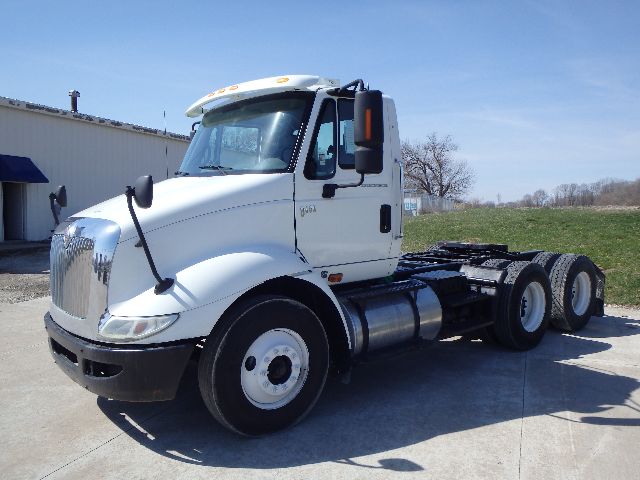
For road tractors, common buyer checkpoints include engine make and horsepower, transmission type, rear axle ratio, and fifth wheel setup. Many day cab trucks in this class run tandem axles in a 6x4 configuration, with manual or automated transmissions, air ride suspension, and wheelbases suited for local or regional trailer work. Specs such as a 10-speed transmission, 3.73 rear ratio, 22.5 tires, and a 12,000-pound front axle with 40,000-pound rears are typical examples of what buyers compare when matching a truck to route profile and payload. If the truck will stay on paved roads and make frequent turns in tighter yards, overall wheelbase and steering cut matter as much as horsepower. If it will pull heavier loads, buyers usually focus on drivetrain durability, suspension condition, brake life, and whether the truck has the gearing and axle ratings to support the work.
For vocational trucks like dump trucks, the body and hydraulic package are just as important as the cab and chassis. Common configurations include single-axle and tandem-axle dumps, often paired with automatic transmissions for stop-and-go work and easier operation in municipal or construction service. Buyers should verify body condition, hoist operation, frame integrity, floor wear, and any installed equipment such as plows, wing plows, underbody scrapers, tailgate controls, spreaders, pre-wet systems, and PTO-driven hydraulics. In Iowa, snow equipment can add substantial utility, but it also adds complexity, so it is worth checking pump performance, controller function, tank condition, and signs of corrosion around mounting points, spreader assemblies, and electrical connections.
Across all truck types, condition matters most when it is tied to application. Mileage is important, but maintenance history, idle hours, rust exposure, brake and tire percentages, current inspection status, and evidence of frame or cab damage usually tell more about remaining service life. Buyers comparing trucks in this category should look at engine family reputation, emissions system history, transmission service records, suspension wear, and the availability of parts and service support in the Midwest. A well-matched truck should fit the route, the payload, and the body or trailer it will handle every day, not just the price point on the listing.
Frequently Asked Questions about Commercial Trucks Near Des Moines, Iowa
What types of trucks are commonly included in a general trucks-for-sale category?
A broad trucks-for-sale category usually includes highway tractors, day cabs, dump trucks, and other commercial chassis used for freight or vocational work. The mix can range from tandem-axle road tractors with fifth wheels to single-axle dump trucks with plows, spreaders, or PTO-driven hydraulic systems. Buyers should separate trucks by intended use first, because a local hauling tractor and a municipal dump truck are built around different axle ratings, wheelbases, drivetrains, and body equipment.
How do I choose between a day cab truck and a dump truck?
The decision comes down to application. A day cab is designed primarily for pulling semi-trailers in local or regional service, so buyers focus on GCWR, fifth wheel placement, rear axle ratio, and cab maneuverability. A dump truck is built for carrying and unloading material on its own chassis, so body condition, hoist performance, PTO setup, GVWR, and axle loading matter more. If the truck will spend most of its time moving aggregate, debris, or snow-control equipment, a dump configuration is the better fit. If it will pull van, flatbed, or hopper trailers, a day cab is the correct starting point.
What specs matter most when comparing used commercial trucks?
The most important specs are the ones tied directly to the job. Buyers usually compare engine horsepower and torque, transmission type, axle configuration, suspension, wheelbase, front and rear axle ratings, tire size, and rear axle ratio. On vocational trucks, hydraulic equipment, PTO operation, body dimensions, and installed attachments are equally important. A truck can look similar on paper but perform very differently depending on gearing, frame layout, and previous service history.
Are municipal and government fleet trucks a good buy?
They can be, especially when maintenance schedules were consistent and service records are available. Government and municipal trucks are often maintained on fixed intervals and may be stored indoors, which can help overall condition. At the same time, buyers need to inspect for corrosion from salt exposure, wear from seasonal plow or spreader use, and electrical issues related to auxiliary equipment. A clean service record is valuable, but it should still be backed up by a close inspection of the frame, body, hydraulics, and undercarriage.
What should I inspect first on a used truck in Iowa?
Start with frame condition, rust level, brake and tire life, and any evidence of structural repair. In Iowa and similar Upper Midwest markets, corrosion from winter road treatment is a major factor, especially on dump bodies, plow mounts, spreader systems, crossmembers, and wiring. After that, confirm the engine and transmission setup matches your operating needs, review maintenance and emissions history, and test all working equipment including PTOs, hoists, plows, and controls. A truck that is mechanically sound but poorly matched to the job will usually cost more over time than a properly spec'd unit.