
Peterbilt Day Cab Trucks For Sale
Shop Peterbilt day cab trucks built for regional haul, port work, and vocational service with proven specs, comfort, and resale value.
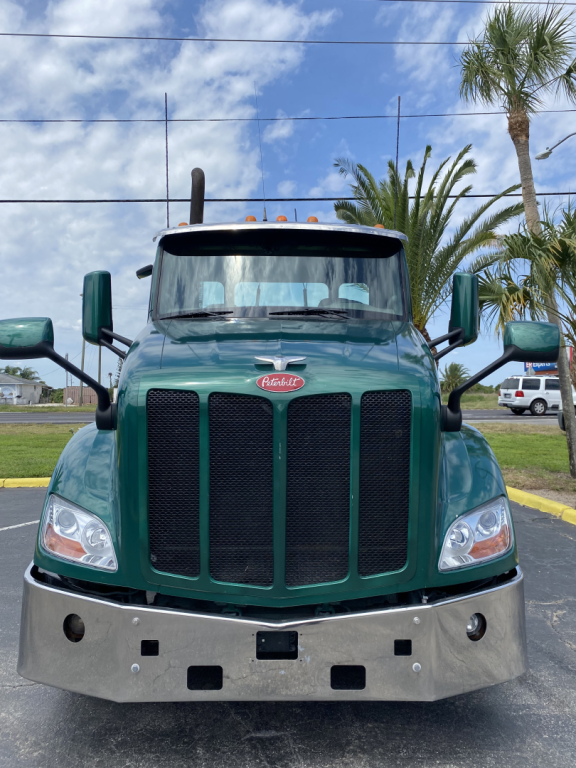
Selling a peterbilt day cab truck? List your peterbilt day cab truck for sale and reach thousands of commercial buyers.
Peterbilt Day Cab Trucks
Peterbilt day cabs are often built on proven platforms such as the 579, 567, and 389, with specs ranging from fuel-efficient highway tractors to heavier vocational day cabs. On-road configurations commonly include 4x2 and 6x4 setups, while specialized operations may use lift axles, pusher axles, or tri-axle layouts for bridge law compliance and added capacity. Typical power comes from PACCAR MX engines or Cummins X15 engines paired with automated or manual transmissions from Eaton or Allison, depending on the application. Key buying points include rear axle ratio, suspension type, kingpin setting, fifth wheel height, frame rail strength, and whether the truck has full lockers, wet kit prep, or PTO capability.
Cab layout matters more in a day cab than many buyers expect because the truck spends its life in stop-and-go work, urban traffic, and frequent driver entry and exit. Peterbilt is known for an ergonomic dash, solid visibility, and a premium interior feel that helps with driver retention in local and regional fleets. A buyer should look closely at seat condition, insulation, switch layout, and idle strategy features, along with practical items like fairings, headache racks, air slide fifth wheels, and camera or safety systems. If the truck is being matched to flatbed, tanker, hopper, chassis, or end dump work, it is worth verifying wheelbase, back-of-cab clearance, and fuel tank placement to avoid trailer interference and maximize usable turning radius.
For used Peterbilt day cab trucks, condition is heavily influenced by duty cycle. A highway-spec day cab with lower idle time can be a very different machine than a port or vocational truck with constant starts, PTO use, and tight-yard maneuvering. Review engine hours, aftertreatment service history, clutch or transmission performance, suspension wear, and front axle loading if the truck carries a pusher or lift axle. Peterbilt day cabs generally hold value well, so the best purchase is usually the one with the right spec for the work rather than just the lowest price.
Frequently Asked Questions about Peterbilt Day Cab Trucks
What is a Peterbilt day cab used for?
A Peterbilt day cab is used for operations where the driver returns home daily and does not need a sleeper. Common applications include regional freight, drayage, LTL, flatbed, tanker, dump, bulk hauling, and dedicated local routes. The shorter cab improves maneuverability, reduces tare weight, and can make trailer spotting and urban driving easier than a comparable sleeper tractor.
Which Peterbilt models are most common as day cabs?
The most common Peterbilt day cab models are the 579, 567, and 389. The 579 is often spec'd for regional and highway use with an emphasis on fuel economy and driver comfort. The 567 is more common in vocational and severe-service applications. The 389 remains popular with buyers who want a traditional long-hood truck for heavy haul, specialized fleets, or owner-operator image and resale appeal.
What specs matter most when buying a Peterbilt day cab?
The most important specs are axle configuration, wheelbase, horsepower, torque, rear axle ratio, suspension, and fifth wheel setup. Buyers should also confirm front axle capacity, frame spec, transmission type, and PTO or wet kit requirements. These details affect legal payload, turning radius, trailer compatibility, fuel economy, and how well the truck fits its intended route and load profile.
Are Peterbilt day cabs good for regional hauling?
Peterbilt day cabs are a strong fit for regional hauling because they balance comfort with efficient tractor length and weight. Many are spec'd with aerodynamic packages, automated transmissions, and engine ratings suited to frequent highway miles without the extra mass of a sleeper. For fleets running out-and-back lanes, this can improve fuel economy and simplify maintenance while still giving drivers a premium work environment.
How do I evaluate a used Peterbilt day cab?
Start with engine hours, mileage, maintenance records, and any emissions system repairs. Then inspect suspension wear, steering components, brakes, tires, frame condition, and driveline performance under load. If the truck has a lift axle or steerable pusher, check axle operation, tire wear patterns, and alignment history. A used Peterbilt day cab with the correct wheelbase, axle ratings, and service history is usually a better value than a cheaper truck with the wrong spec.