
Kenworth Day Cab Trucks For Sale
Shop Kenworth day cab trucks built for regional haul, port work, and local delivery with proven specs, driver comfort, and strong resale value.
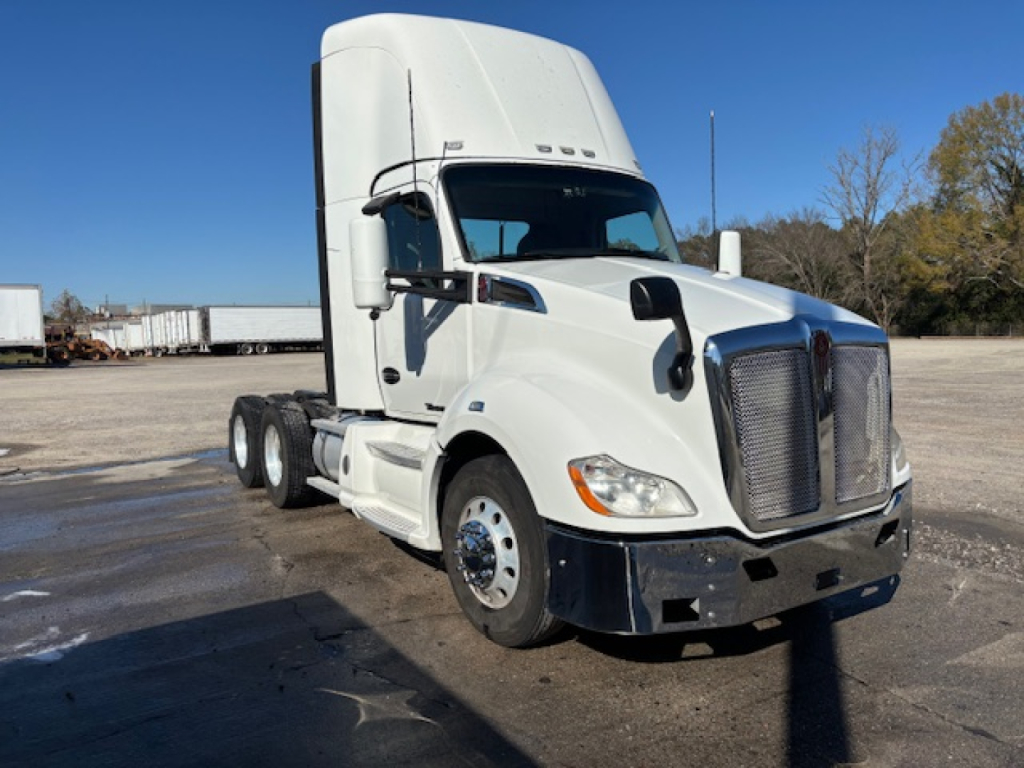
Selling a kenworth day cab truck? List your kenworth day cab truck for sale and reach thousands of commercial buyers.
Kenworth Day Cab Trucks
For spec selection, focus on engine, transmission, rear axle ratio, and front axle capacity as a package rather than as stand-alone numbers. Many Kenworth day cabs are spec'd with PACCAR MX engines, though Cummins power is common in some fleets and applications. Automated manual transmissions are popular for fuel economy and driver consistency, while manual transmissions still show up in heavy-haul, dump, and specialty work. If the truck will stay in regional lanes, pay attention to horsepower and torque bands, cruise speed, and gearing so the tractor matches the trailer, terrain, and gross combination weight. Wheelbase, fifth wheel placement, and fuel tank size also matter, especially for buyers running 28-foot pups, containers, tank trailers, or tight urban routes.
Kenworth has a strong reputation for driver comfort and fit-and-finish, which matters in high-turn operations and dense stop-and-go work. A good day cab should be evaluated for visibility, dash layout, seat condition, HVAC performance, and ease of ingress and egress. On the maintenance side, buyers should look closely at emissions history, software updates, cooling system condition, suspension wear, brake life, and signs of frame or fifth wheel stress. If the truck has been used in drayage or severe-service work, check for corrosion, bumper and hood damage, and excessive clutch, driveline, or suspension wear. Fleet buyers also tend to value telematics integration, collision mitigation systems, lane departure alerts, and onboard camera systems when reducing claims and managing driver performance are priorities.
Resale value on a Kenworth day cab is often supported by brand recognition, dealer network strength, and broad parts availability. That said, the best buy is the truck whose prior application matches your next one. A lightly spec'd regional tractor can struggle in PTO work or heavy stop-start service, while an overbuilt vocational unit can carry unnecessary weight and fuel cost in linehaul duty. When comparing listings, look beyond model year and mileage to confirm the exact rear axle rating, suspension type, brake spec, tire size, and maintenance record. Those details tell you more about how a Kenworth day cab will perform than the badge on the hood alone.
Frequently Asked Questions about Kenworth Day Cab Trucks
What is a Kenworth day cab truck used for?
A Kenworth day cab truck is typically used for regional haul, local pickup and delivery, port drayage, tanker work, refuse, dump, and other operations where the driver returns daily and does not need a sleeper. The day cab configuration reduces weight and shortens overall tractor length, which can improve maneuverability in urban areas, terminals, and job sites.
Which Kenworth models are most common as day cabs?
The Kenworth T680 is one of the most common day cab choices for regional and highway applications because it balances aerodynamics, driver comfort, and fuel economy. The T880 is also common when buyers need a more vocational truck with heavier front axle options, rugged chassis specs, and better suitability for severe-duty work.
What specs matter most when buying a used Kenworth day cab?
The most important specs are engine rating, transmission type, rear axle ratio, wheelbase, front and rear axle capacities, suspension, and fifth wheel position. Buyers should also confirm fuel tank capacity, brake configuration, tire size, emissions equipment history, and whether the truck was previously used in regional highway service, drayage, or a vocational application. Those details determine how well the truck will fit the intended trailer and route.
Are Kenworth day cabs good for fuel economy?
Kenworth day cabs can be very efficient when they are spec'd correctly for the route and load. Aerodynamic models such as the T680 day cab are often chosen for regional freight because they can deliver strong fuel mileage with the right engine, transmission, and axle ratio combination. Fuel economy will still depend heavily on duty cycle, idle time, trailer type, terrain, and vehicle speed.
What should buyers inspect on a used Kenworth day cab?
Buyers should inspect the frame rails, suspension, brakes, tires, fifth wheel, driveline, and steering components, along with the engine, transmission, and aftertreatment system. Service records are especially important for verifying preventive maintenance, software updates, and emissions repairs. It also helps to look for evidence of hard drayage or stop-and-go use, including cab damage, excessive wear in the interior, and corrosion around the chassis and electrical connections.