
International Day Cab Trucks For Sale
Shop International day cab trucks with specs that fit regional haul, local delivery, port work, and vocational fleet operations.
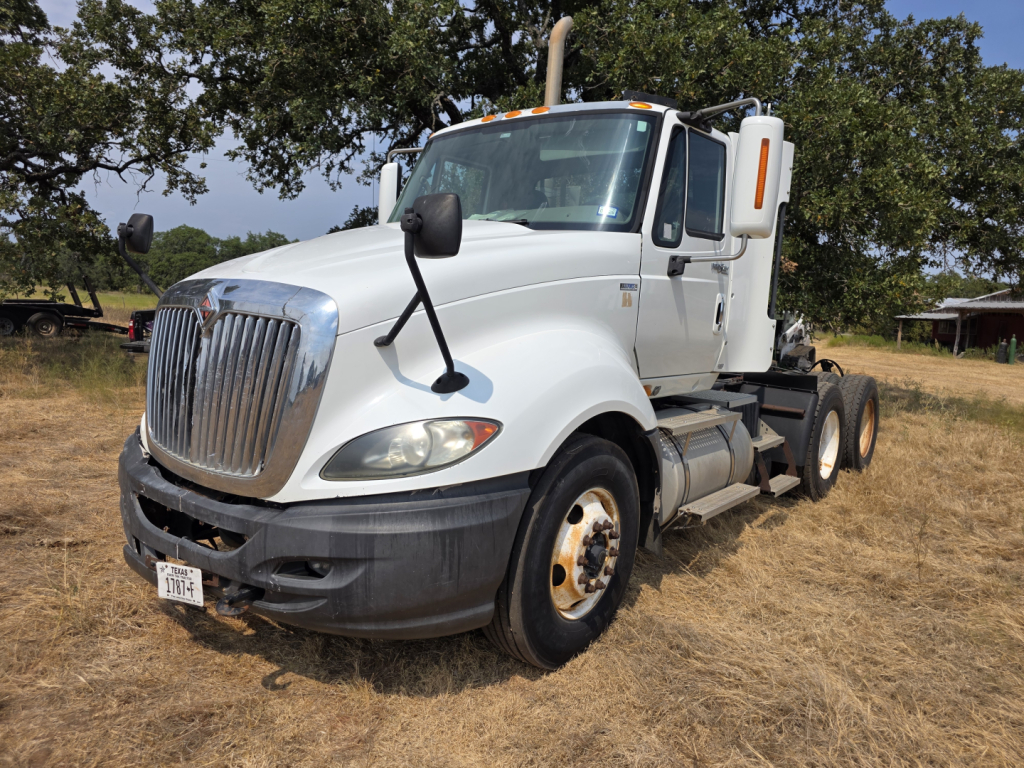

Selling a international day cab truck? List your international day cab truck for sale and reach thousands of commercial buyers.
International Day Cab Trucks
A major consideration on an International day cab is engine and transmission pairing. Many late-model units are equipped with the International A26, a lightweight 12.4L engine known for fuel efficiency, lower curb weight, and strong performance in regional applications. Depending on the build, buyers may also see Cummins power, especially in fleets that want engine commonality across mixed makes. Automated and fully automatic transmissions are common in this category because they reduce driver fatigue in stop-and-go service and simplify hiring. For buyers comparing listings, it helps to look beyond horsepower alone and pay attention to torque ratings, rear axle ratio, and GCWR so the truck matches the trailer and route profile.
Spec details matter more on day cabs than many buyers expect. A shorter wheelbase improves turning radius for city work and crowded yards, while a longer wheelbase can ride better and accommodate larger fuel capacity or heavier front axle requirements. Front axle rating, suspension type, brake configuration, and fifth wheel placement all affect how the truck handles loaded trailers. Fleets pulling van, reefer, flatbed, or container chassis often evaluate PTO provisions, fairings, air slide fifth wheels, and interior options like premium seats, Bluetooth controls, and easy-clean trim. Maintenance history is also important on used International day cab trucks, especially emissions system service, cooling system condition, steering wear, and any transmission calibration updates.
For many operations, an International day cab offers a practical balance of driver ergonomics, serviceability, and application flexibility. These trucks are commonly used in LTL, foodservice support, dedicated regional lanes, and municipal or contractor work where drivers return to base daily. The best buying decision usually comes from matching the truck to the duty cycle rather than chasing the newest year or the highest advertised horsepower. Cab access, visibility, engine hours, idle time, axle spec, and maintenance records will tell you more about long-term value than appearance alone.
Frequently Asked Questions about International Day Cab Trucks
What is an International day cab truck best suited for?
An International day cab truck is best suited for regional haul, local delivery, port drayage, and vocational work where the driver returns home the same day. Without a sleeper, the truck is lighter and typically more maneuverable than a comparable sleeper tractor. That makes it a strong fit for urban routes, frequent dock stops, and fleets focused on maximizing payload, turning radius, and ease of entry and exit.
Is the International A26 a good engine choice in a day cab?
The International A26 is a strong choice for many day cab applications because it was designed to balance fuel economy, reduced weight, and regional haul performance. In lighter to moderate tractor work, the lower engine weight can help payload and front axle distribution. Buyers should still match the engine rating to the job, especially if the truck will pull heavy loads, run steep grades, or spend long periods at high gross combined weights.
What should I check when buying a used International day cab?
Start with the powertrain and maintenance records. Review engine hours, idle hours, transmission service history, emissions system repairs, and any fault code history if available. Then inspect wheelbase, fifth wheel position, suspension, brake wear, tire condition, and signs of frame modifications or heavy corrosion. A day cab used in stop-and-go regional work can accumulate wear differently than one used on steady highway lanes, so route history matters.
How do wheelbase and axle specs affect day cab performance?
Wheelbase and axle ratings have a direct impact on maneuverability, ride quality, and trailer compatibility. A shorter wheelbase is usually better for city work, tight yards, and port operations, while a longer wheelbase can improve ride quality and support specific body, fuel tank, or axle load requirements. Front and rear axle ratings should be checked against the trailer type, kingpin setting, and expected payload so the truck is legal and stable when loaded.
Are automatic transmissions common in International day cabs?
Yes, automatic and automated transmissions are common in International day cab trucks, especially in regional and local applications. They reduce driver fatigue in traffic, improve consistency across mixed driver skill levels, and can help lower clutch-related maintenance. For fleets dealing with frequent starts, stops, and tight maneuvering, an automatic transmission is often a practical and resale-friendly spec.