
Day Cab Trucks For Sale in Florida
Browse day cab trucks for sale in Florida. Compare horsepower, wheelbase, axle specs, transmissions, and regional hauling configurations.
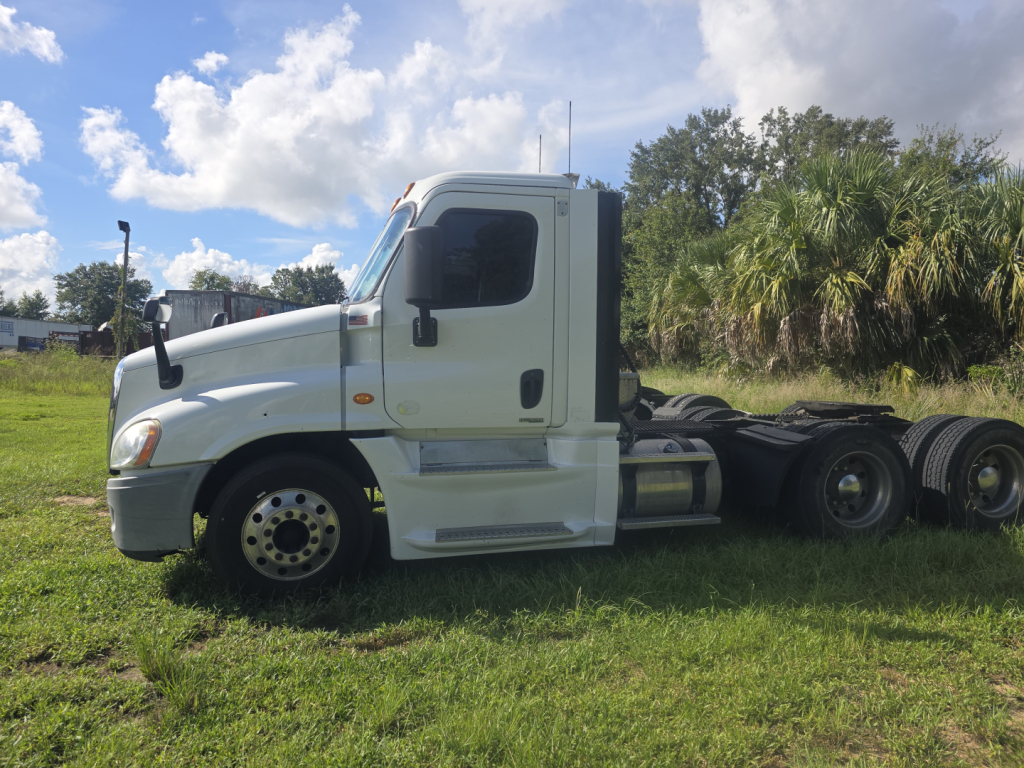
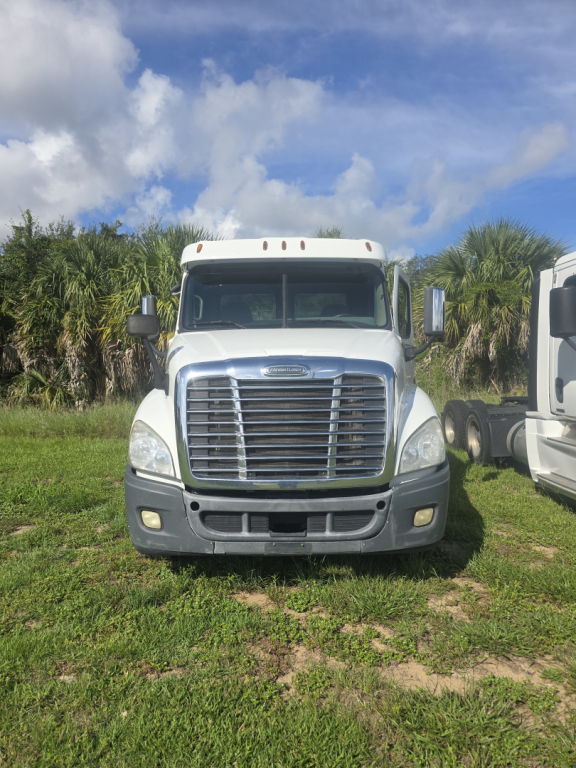
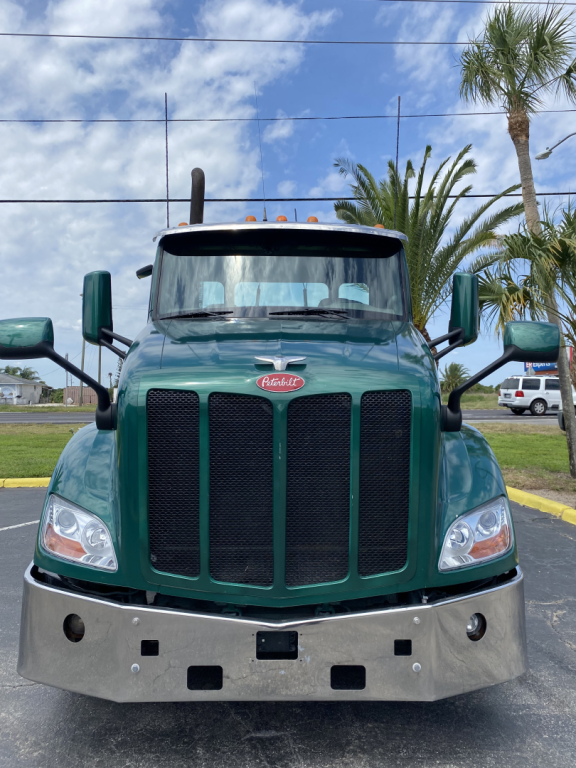
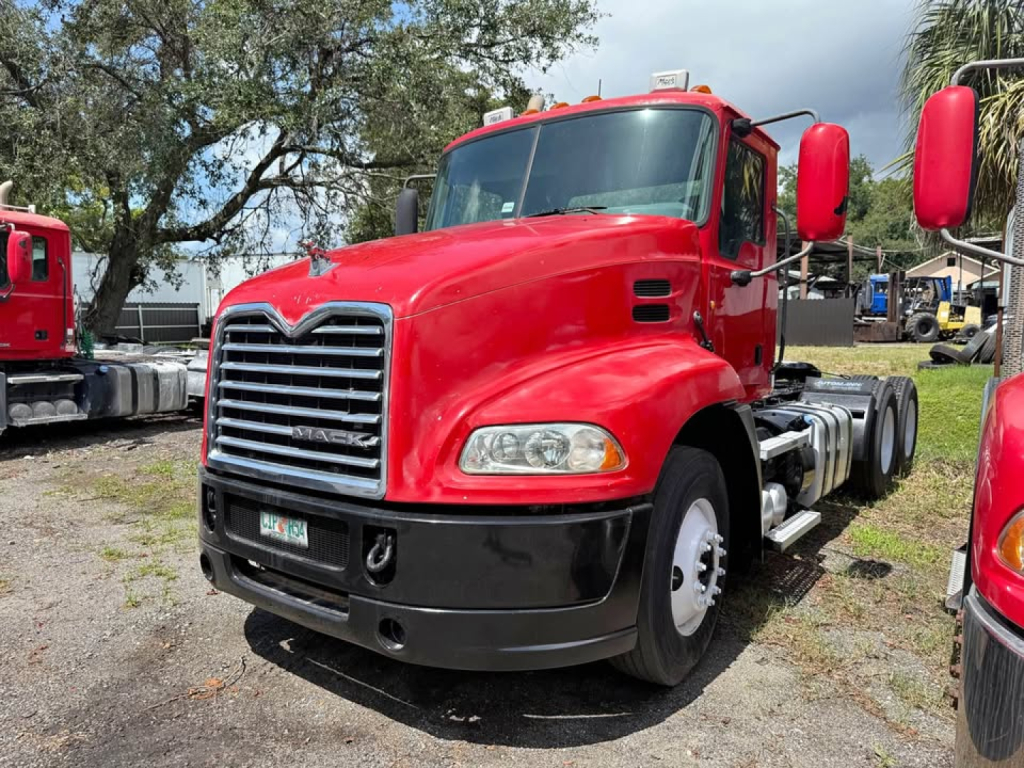
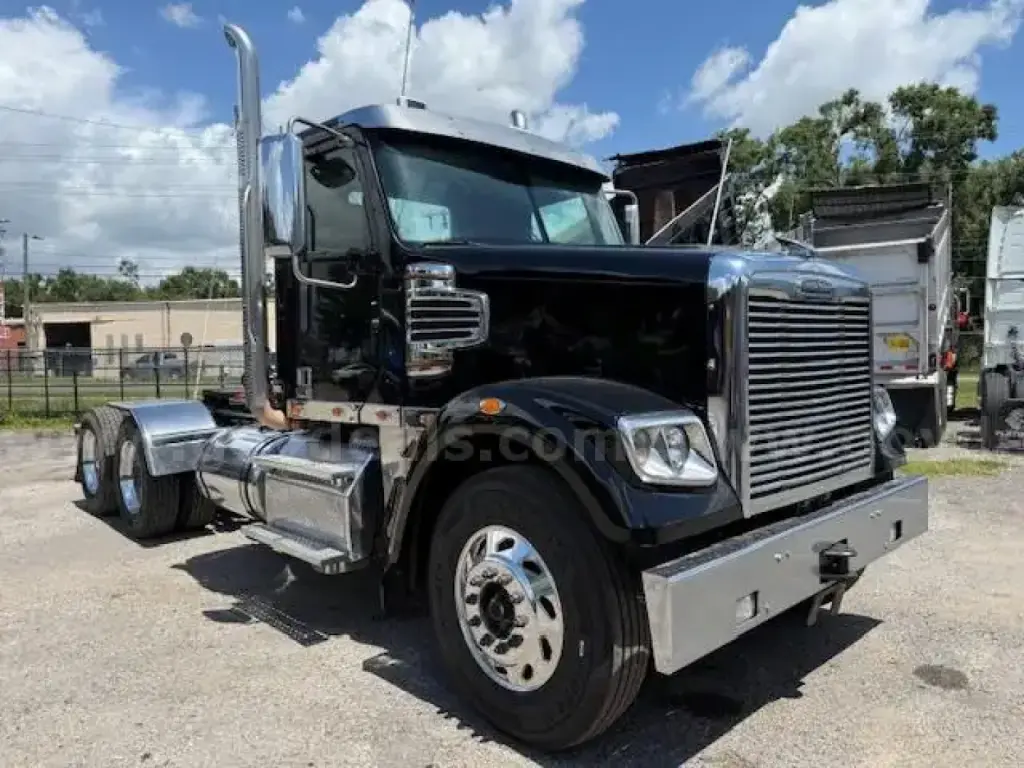
Selling a day cab truck? List your day cab truck for sale and reach thousands of commercial buyers.
Day Cab Trucks in Florida
A buyer should start with the core spec decisions: engine rating, transmission, axle setup, and wheelbase. Common day cab configurations include 4x2 and 6x4 tractors, with horsepower often ranging from the mid-300s to 500-plus depending on freight, terrain, and average gross combination weight. Automated manual and full automatic transmissions are both common in this category, especially for fleets focused on driver recruitment and stop-and-go duty cycles. Wheelbase is a key number because it influences ride quality, weight distribution, and how the truck handles with different trailer lengths. Suspension type, rear axle ratio, fifth wheel placement, and fuel capacity also deserve close attention, especially if the truck will alternate between short local work and longer regional runs.
In Florida, day cabs are often spec'd for heat, humidity, and high-utilization freight lanes rather than steep grades. That usually means buyers should pay close attention to cooling system condition, A/C performance, corrosion exposure, and tire condition, especially on trucks that have spent time around ports or coastal areas. Aerodynamic highway day cabs such as the Mack Anthem, Freightliner Cascadia, Volvo VNL day cab, Peterbilt 579, and Kenworth T680 are common choices for fuel-conscious linehaul and regional work. More vocational-leaning day cabs may be better suited for heavy haul, construction support, or refuse-related applications where frame strength, PTO compatibility, and front axle capacity matter more than pure fuel economy.
The best day cab is the one matched to the route and trailer, not just the lowest price point. Buyers should compare engine hours against miles, verify emissions system history, inspect the frame for prior upfitting or corrosion, and confirm the truck's rear axle rating and fifth wheel setup fit the intended load. Cab condition matters more than many first-time buyers expect because ingress, seat wear, HVAC performance, and switchgear durability show how a truck held up in repeated local duty cycles. A well-spec'd day cab can deliver strong uptime, easier driver access, and lower operating cost than a sleeper tractor when the work is local or regional by design.
Frequently Asked Questions about Day Cab Trucks in Florida
What is a day cab truck used for?
A day cab truck is a tractor without a sleeper compartment, designed for routes where the driver does not need overnight accommodations. Common uses include local pickup and delivery, drayage, regional freight, tanker work, dump trailer service, intermodal hauling, and dedicated short-haul lanes. The shorter cab and lighter overall package often improve maneuverability, payload potential, and accessibility in tight operating environments.
What specs matter most when buying a used day cab?
The most important specs are axle configuration, engine horsepower and torque, transmission type, wheelbase, rear axle ratio, suspension, and fifth wheel location. These details determine how the truck handles loaded trailers, how efficiently it cruises at highway speed, and whether it matches the freight being hauled. Buyers should also review miles versus engine hours, maintenance records, emissions system history, and any signs of frame modification or heavy vocational use.
Is a day cab better than a sleeper for Florida regional hauling?
For many Florida operations, a day cab is the more practical choice because the truck is lighter, shorter, and easier to maneuver in distribution centers, ports, and urban traffic. It can also reduce unnecessary weight and cost when overnight runs are not part of the business model. A sleeper still makes sense for longer multi-day lanes, but for regional and local work, a day cab is often the more efficient configuration.
What wheelbase should I look for in a day cab truck?
The right wheelbase depends on trailer type, axle spread, turning requirements, and weight distribution needs. Shorter wheelbases are generally easier to maneuver in tight yards and city routes, while longer wheelbases can improve ride quality and help with bridge law positioning on certain trailer combinations. Buyers should match wheelbase to the trailers they plan to pull and confirm that kingpin setting and fifth wheel placement provide proper steer axle and drive axle loading.
Are automatic transmissions common in day cab trucks?
Yes. Automated manual transmissions and full automatic transmissions are very common in modern day cab trucks, especially in fleet and regional applications. They can reduce driver fatigue in stop-and-go traffic, help standardize operation across a mixed driver pool, and in many cases improve fuel efficiency and clutch life compared with older manual setups. The right choice depends on driver preference, maintenance support, and the severity of the route.