
Autocar Day Cab Trucks For Sale
Shop Autocar day cab trucks built for terminal work, local hauling, and vocational use with durable specs, tight turning, and simple serviceability.
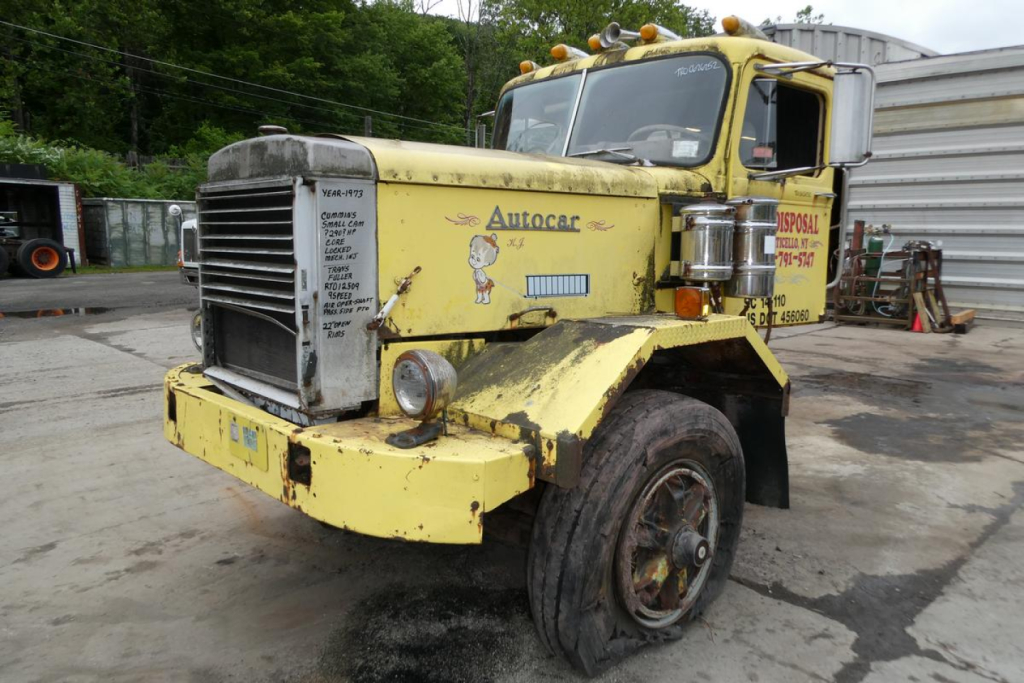
Selling a autocar day cab truck? List your autocar day cab truck for sale and reach thousands of commercial buyers.
Autocar Day Cab Trucks
The biggest buying decisions usually start with the powertrain and chassis layout. Older Autocar day cabs often show up with mechanical Cummins engines, Fuller manual transmissions, and heavy-duty rear axle specs suited for regional hauling or vocational work. Depending on the truck’s age and prior application, buyers should pay close attention to horsepower, transmission model, wheelbase, axle ratings, suspension type, PTO provisions, and brake setup. On older units especially, cab condition, hood condition, frame integrity, driveline wear, and parts availability can matter as much as engine brand. If the truck is intended for dump, wet kit, or hydraulic applications, PTO location and compatibility should be confirmed early.
Autocar day cabs are also known for their usefulness as rebuild candidates, donor trucks, or specialty vocational platforms. Some buyers are looking for a complete running tractor, while others are evaluating an older truck for components such as the engine, transmission, cab, hood, or rear ends. That is especially relevant with legacy Autocar models, where a truck may have value even if it needs major mechanical or cosmetic work. A careful inspection should include signs of core engine issues, frame corrosion, steering wear, suspension bushing condition, air system leaks, and evidence of previous repairs around cab mounts or front structure.
For the right operation, an Autocar day cab can still be a practical choice because the platform is simple, durable, and purpose-built for work close to home base. Buyers comparing listings should think beyond year and price and look closely at how the truck was spec'd and how it will be used. A local yard tractor, vocational chassis, and short-haul road tractor may all be labeled day cabs, but the right fit depends on axle capacity, gearing, PTO capability, and overall mechanical condition. A well-matched Autocar day cab can be a strong asset for fleets that need a no-nonsense truck for daily service.
Frequently Asked Questions about Autocar Day Cab Trucks
What is an Autocar day cab truck best suited for?
An Autocar day cab truck is best suited for local and regional work where the driver returns to base the same day. Common uses include terminal operations, short-haul freight, vocational hauling, plant-to-plant moves, and applications that need tight turning radius and a shorter overall chassis than a sleeper tractor.
What should I inspect first on an older Autocar day cab?
Start with the frame, cab structure, hood, engine condition, transmission operation, and rear axle setup. On older trucks, rust, collision damage, driveline wear, air leaks, steering play, and cab mount deterioration can quickly change the value of the unit. If the truck does not run, confirm whether it is locked up, incomplete, or missing major components before judging it only by appearance.
Are older Autocar day cabs good candidates for rebuild or parts use?
Yes. Many older Autocar day cabs are purchased either as rebuildable work trucks or as donor units for major components. Mechanical Cummins engines, Fuller transmissions, PTO hardware, rear axles, cabs, and hoods can all carry value depending on condition. Buyers should compare the cost of repair against the value of the powertrain and chassis components individually.
Why does PTO setup matter on a day cab truck?
PTO setup matters because many day cabs are used in vocational or hydraulic applications. A truck may need a specific PTO location, shaft type, transmission compatibility, or hydraulic package for dump bodies, wet kits, blowers, or other auxiliary equipment. Verifying PTO provisions before purchase helps avoid expensive rework later.