
Commercial Trucks For Sale Near Conyers, Georgia
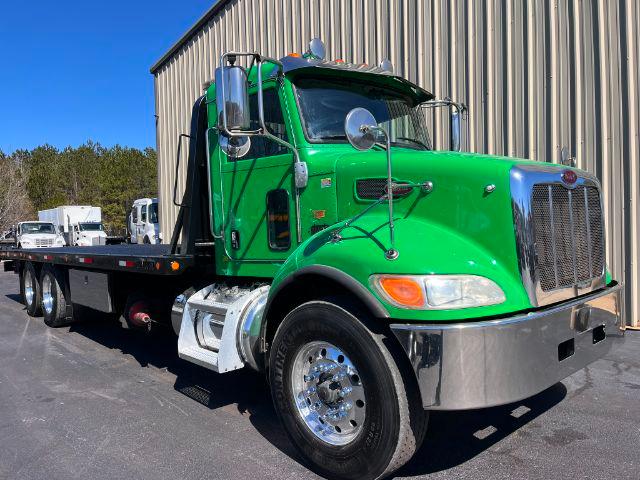
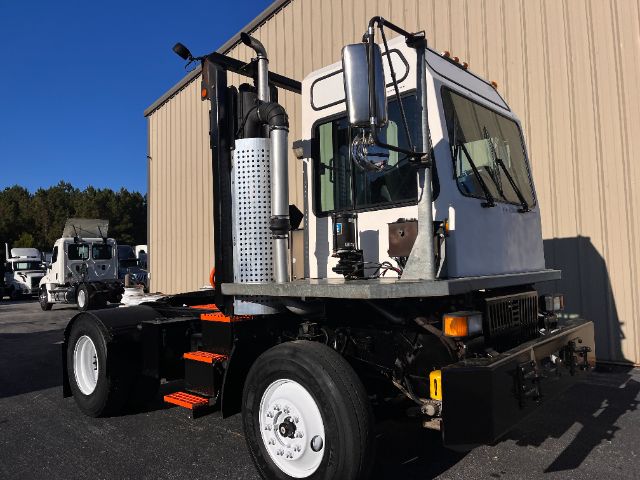
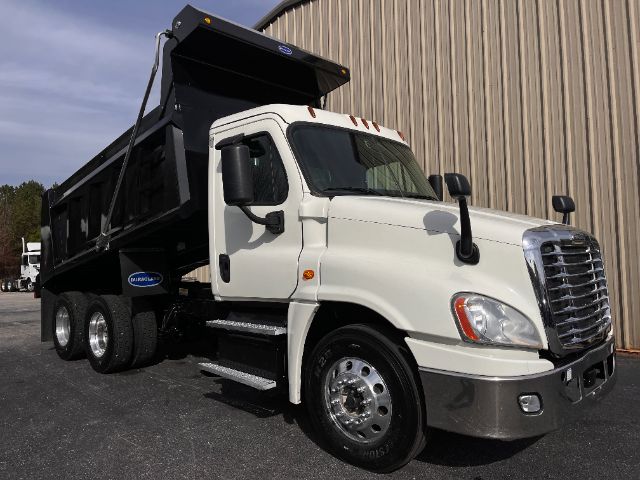
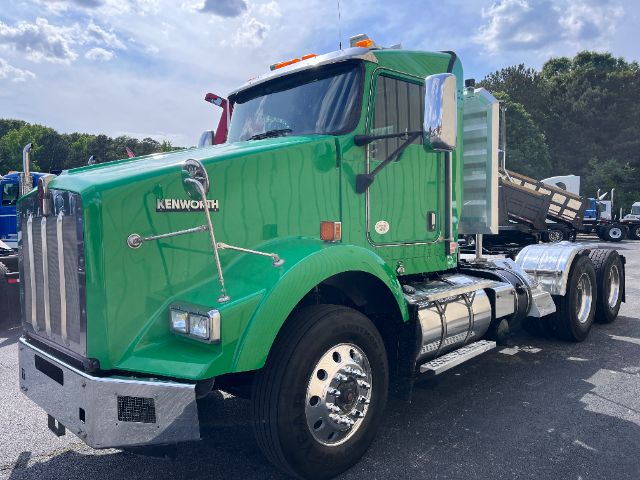
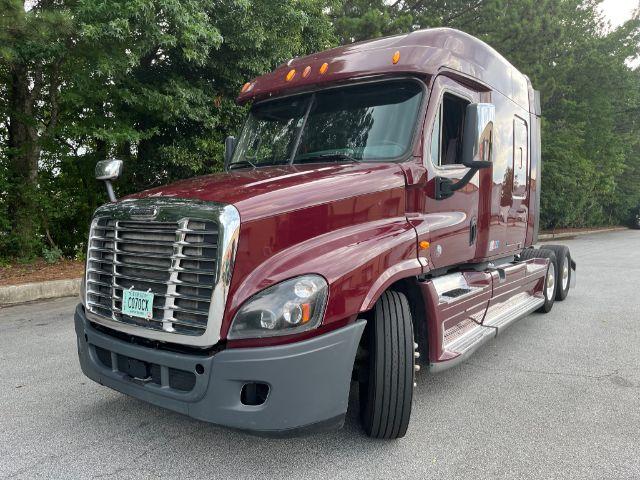
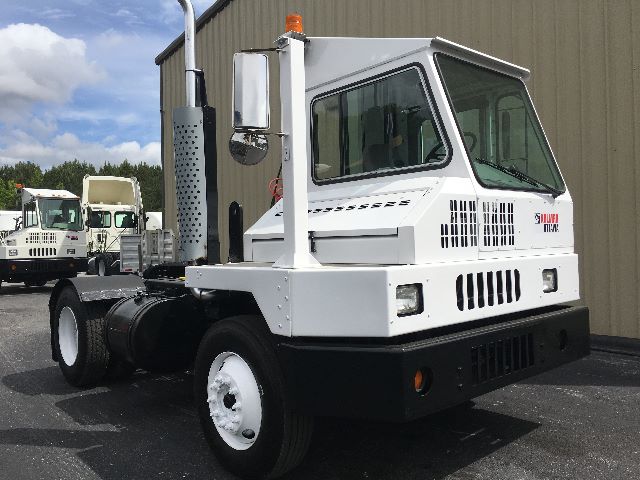
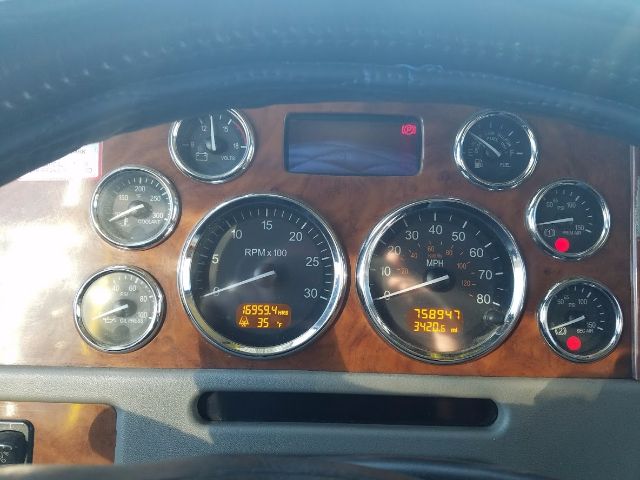
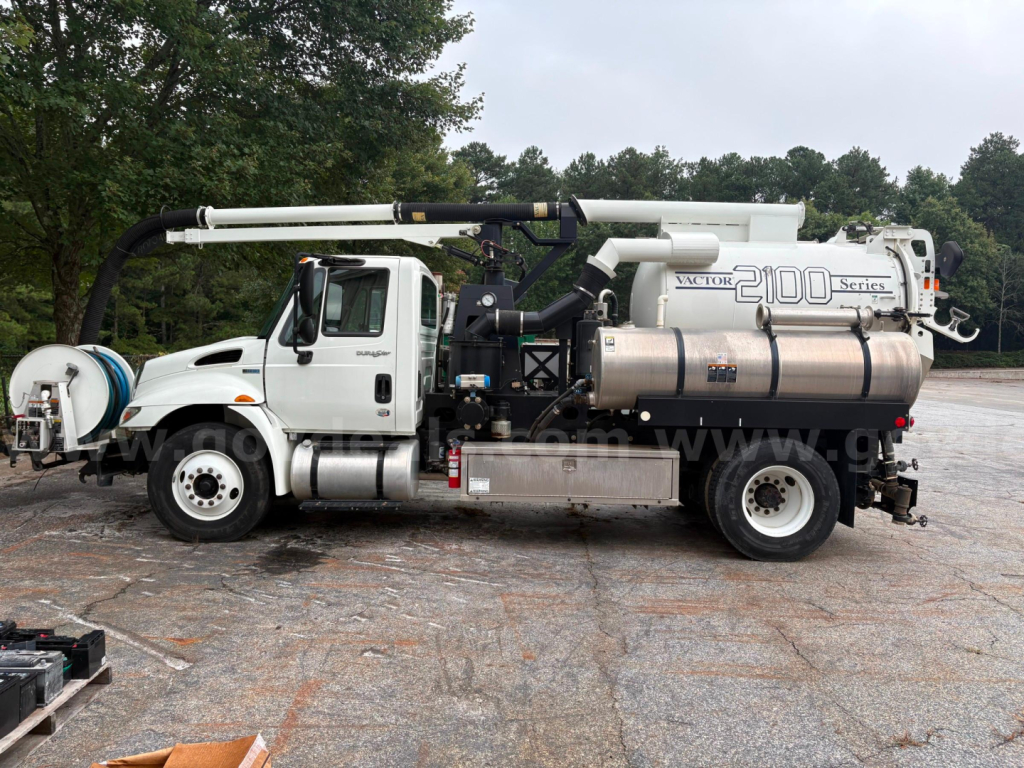
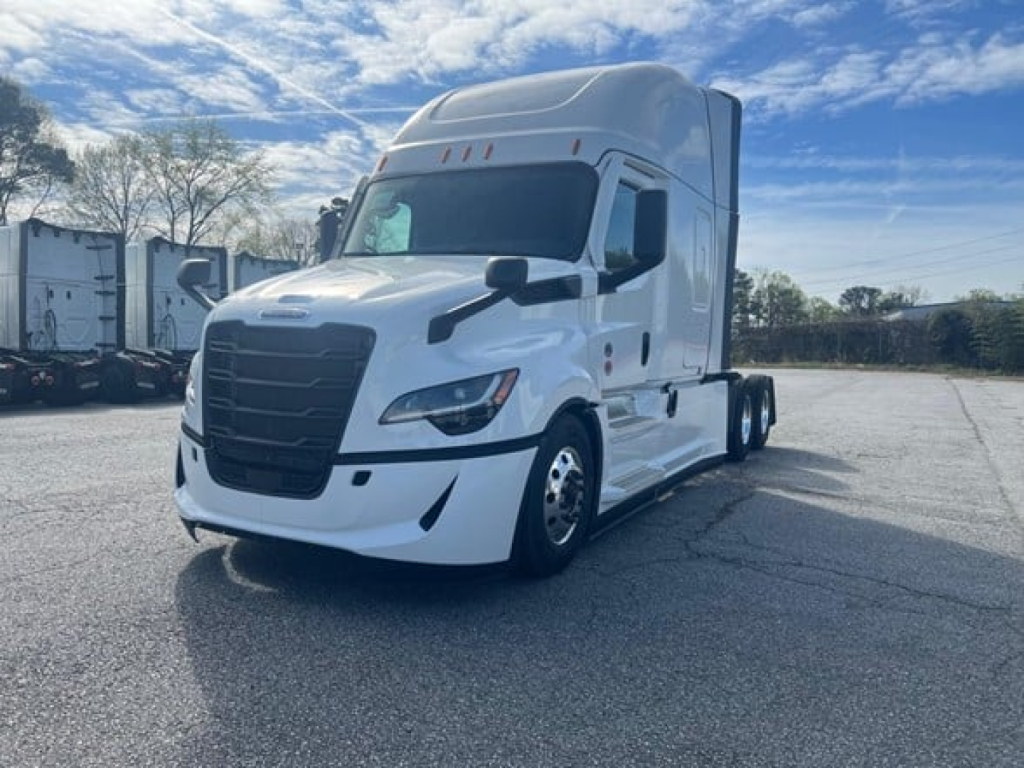
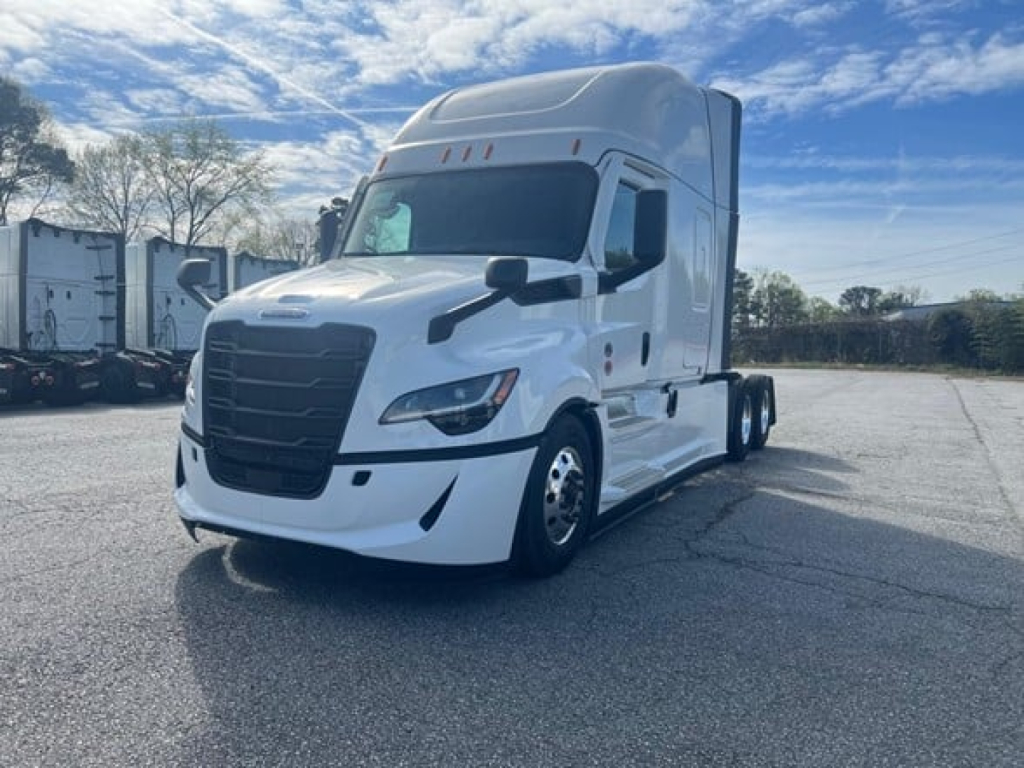
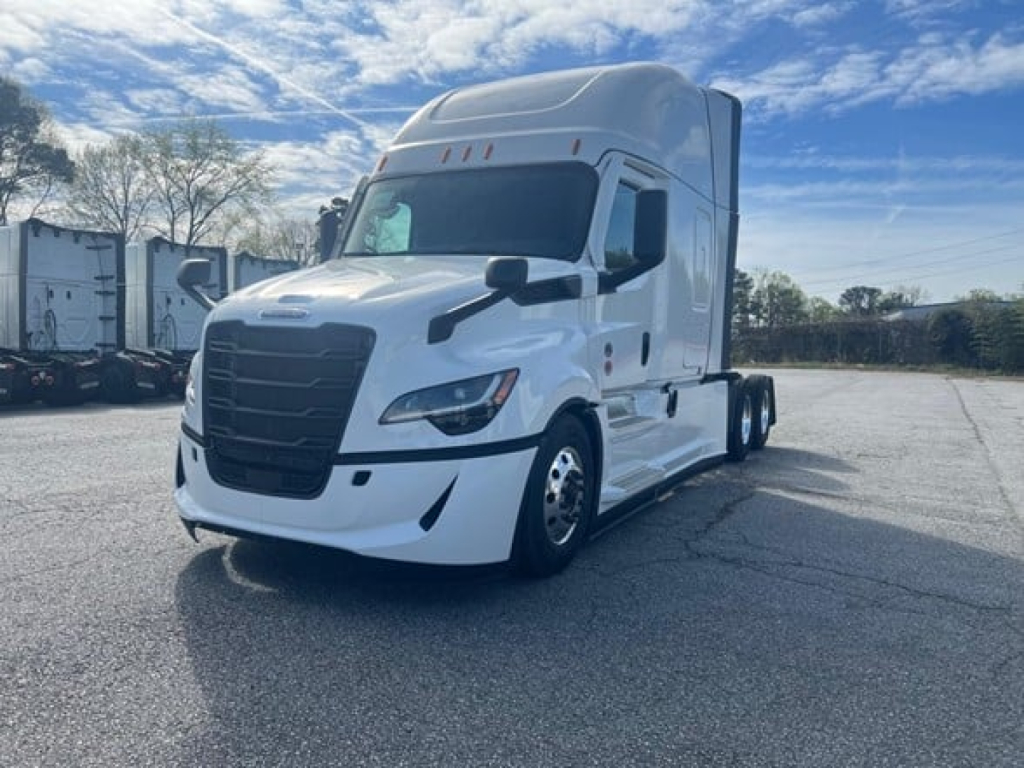
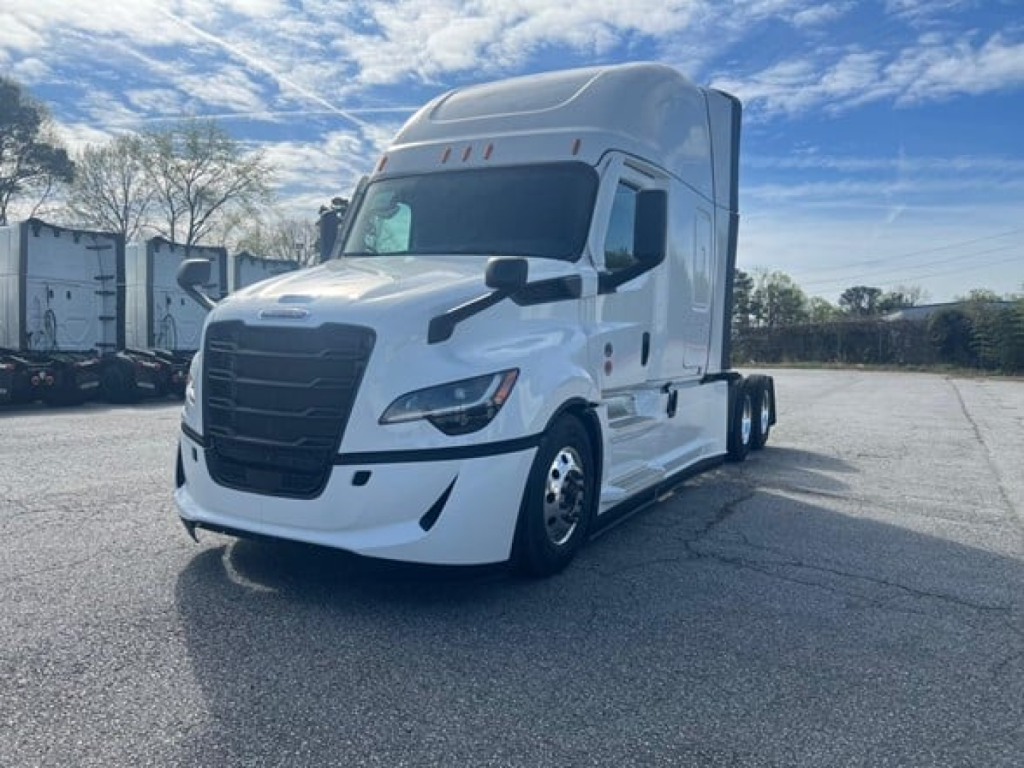
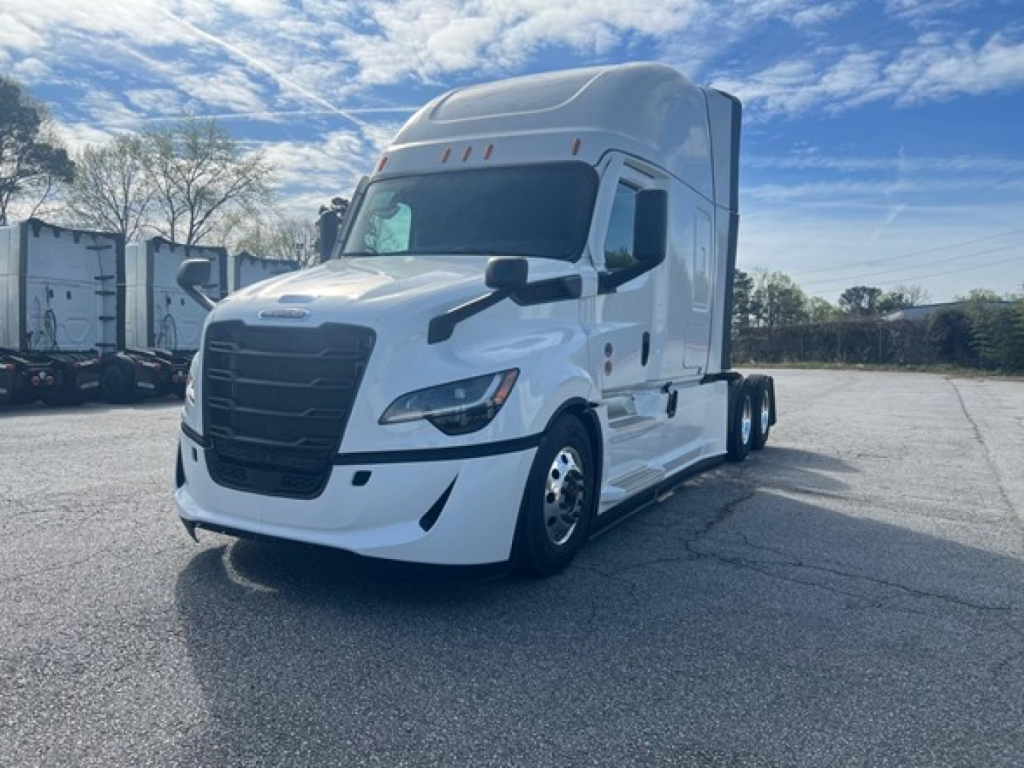
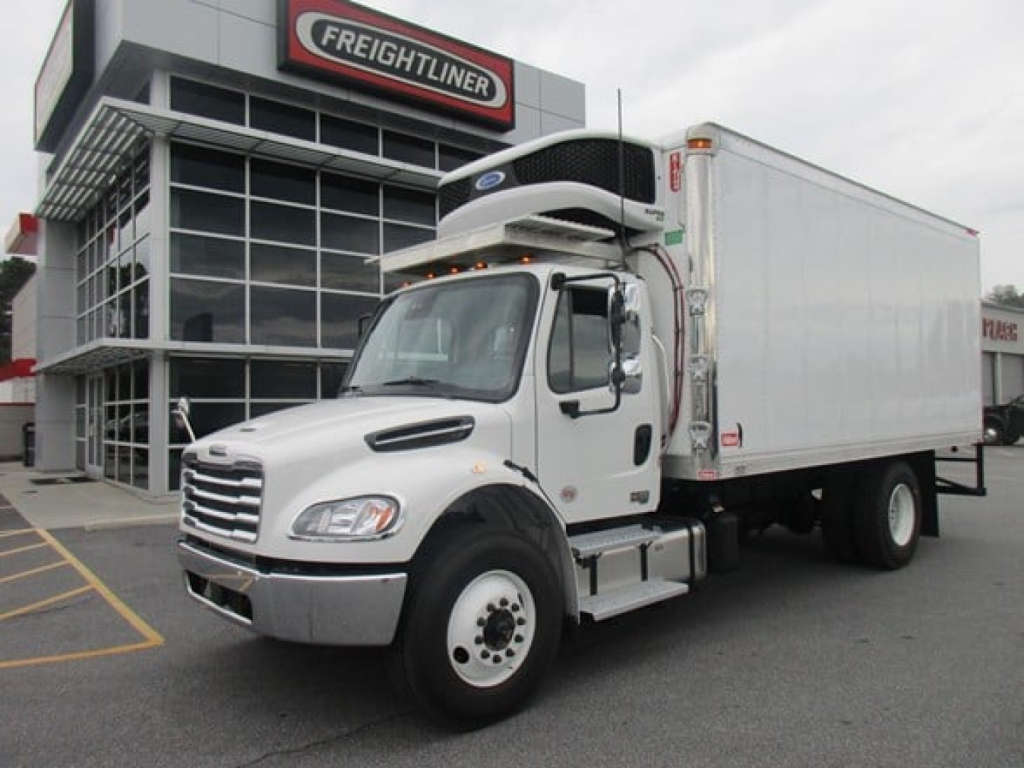
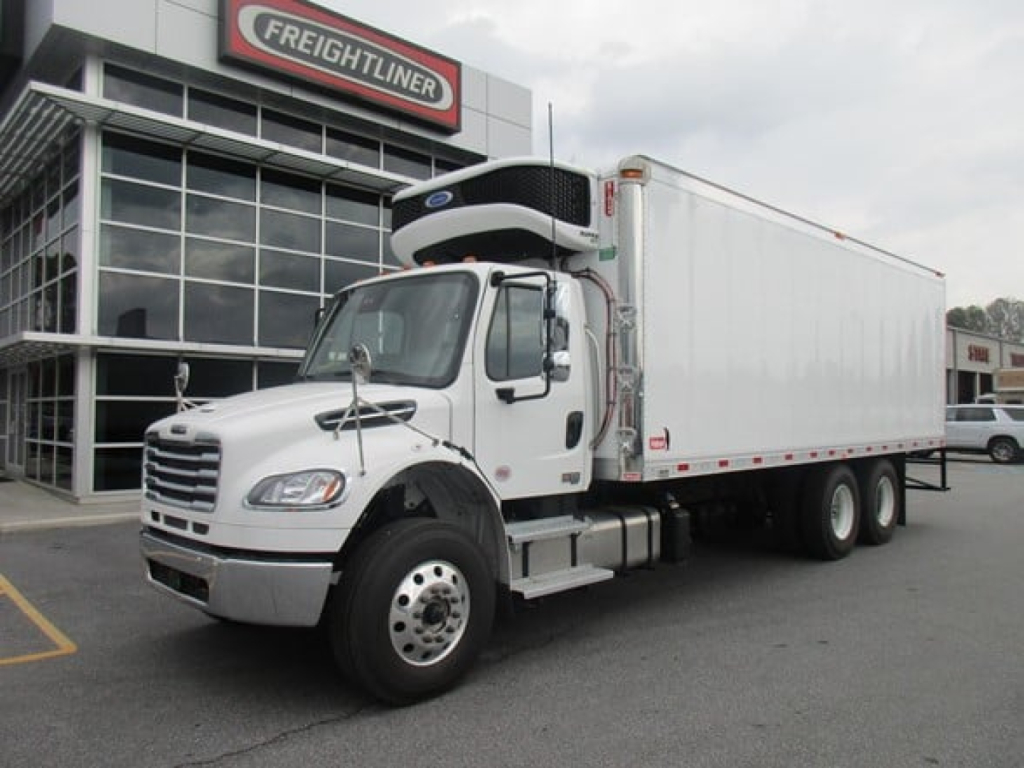
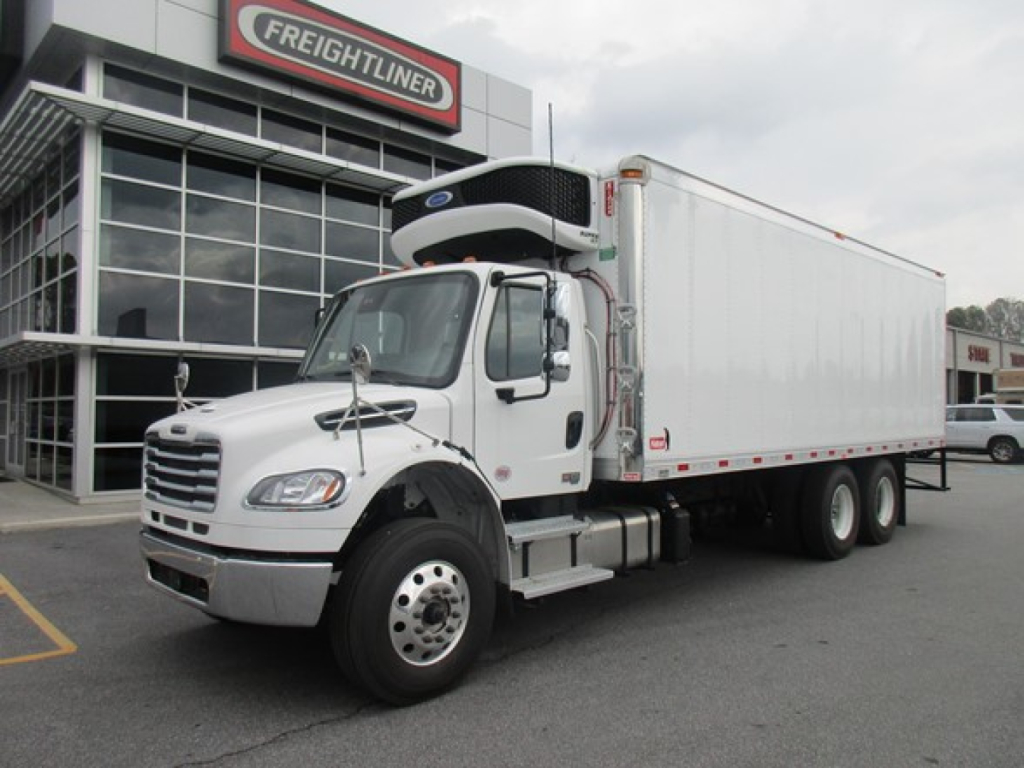
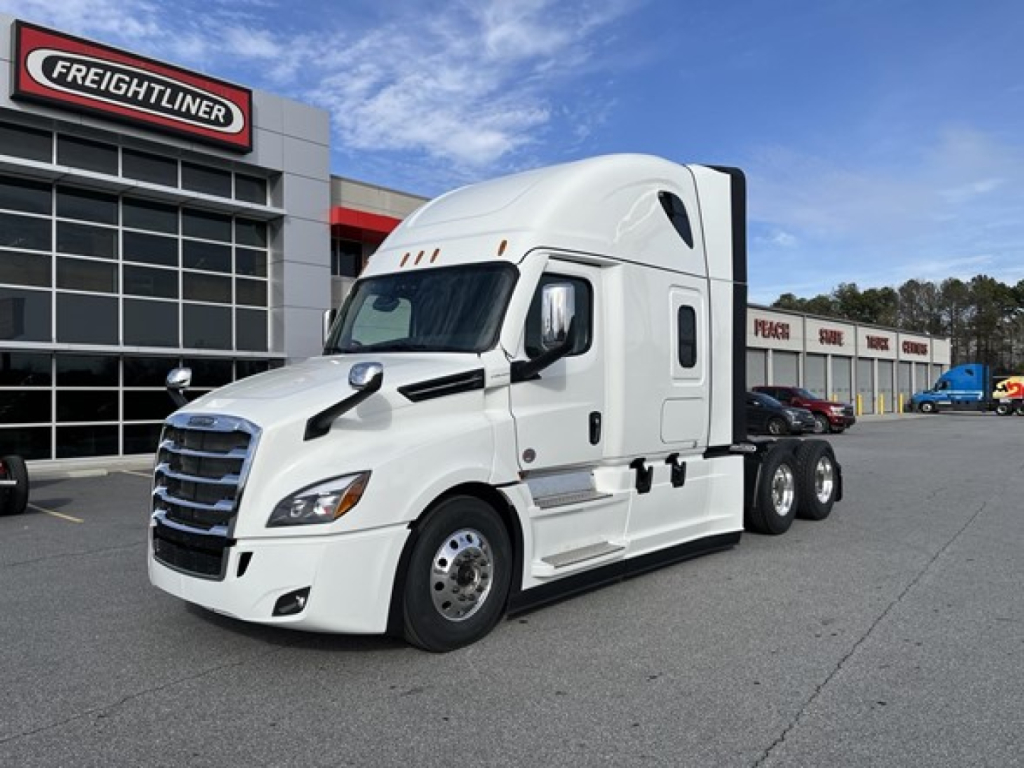
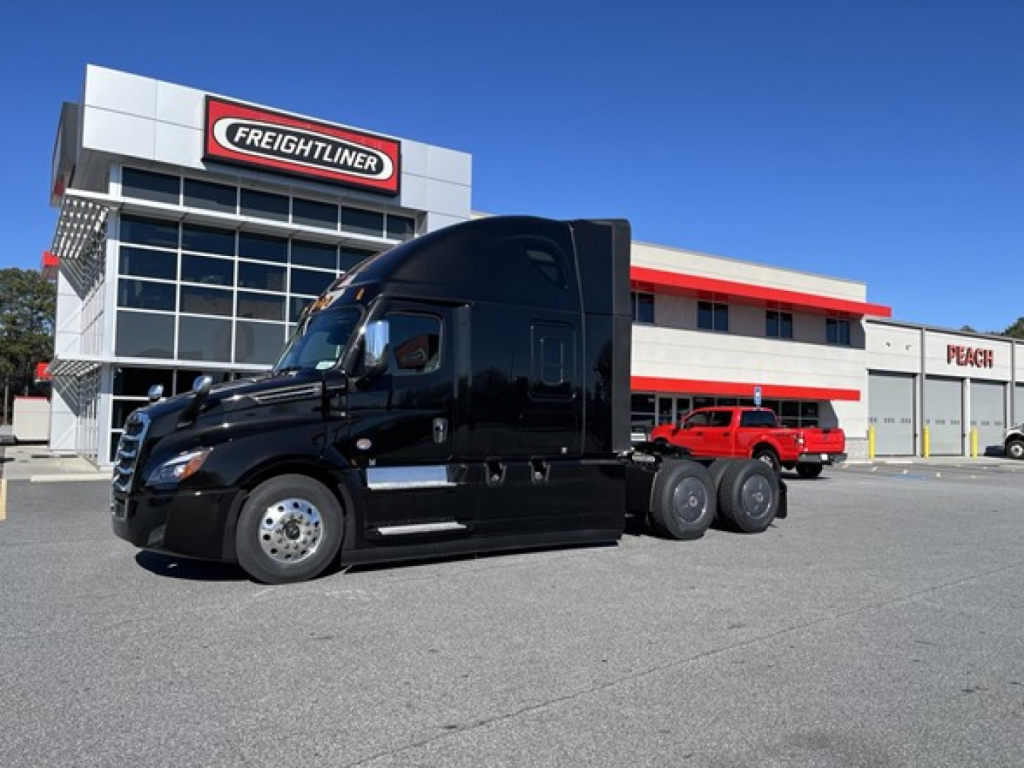
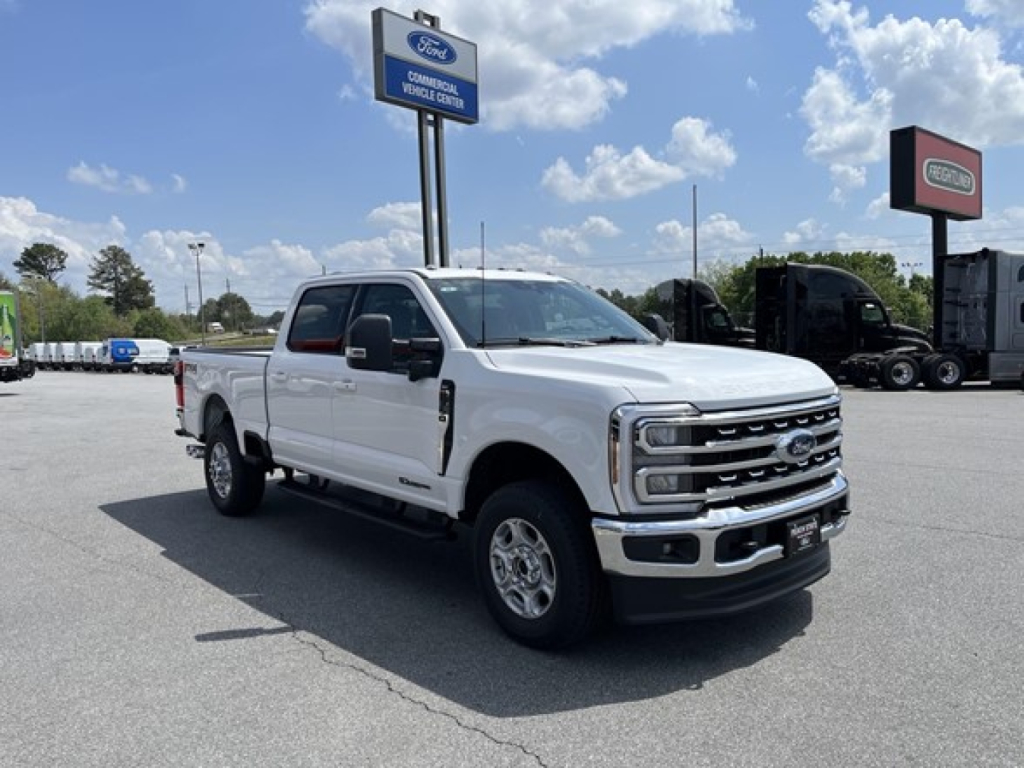
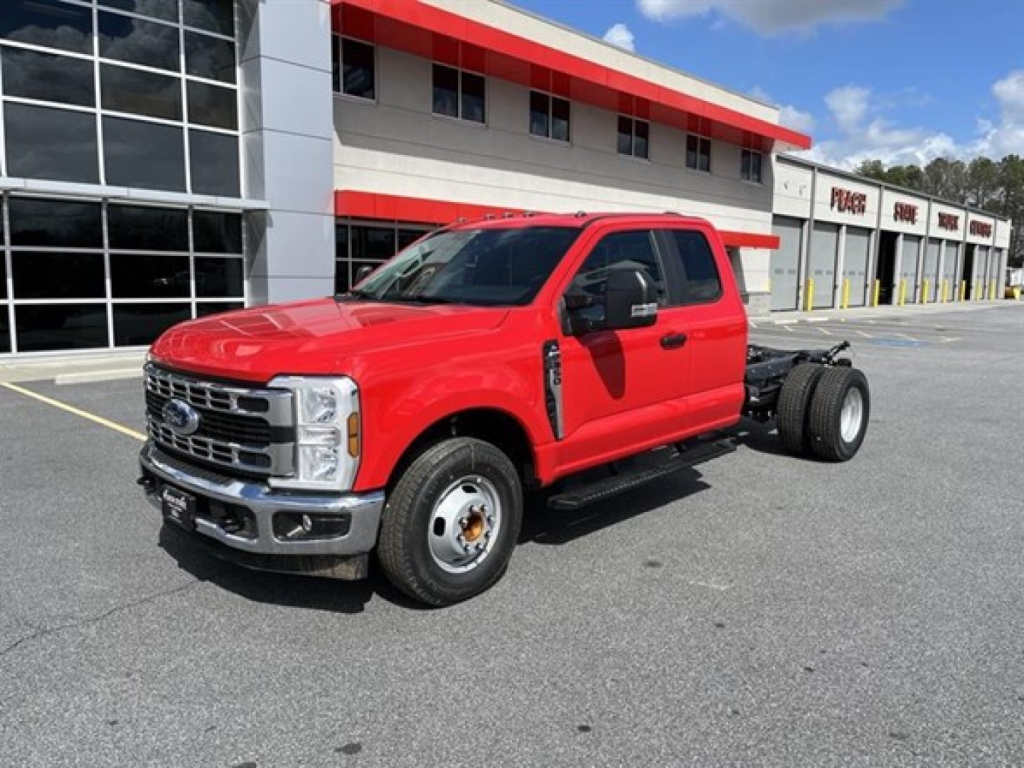
Showing 1 to 24 of 129 results
Have commercial truck to sell? List it here to reach thousands of buyers.
Commercial Trucks Near Conyers, Georgia
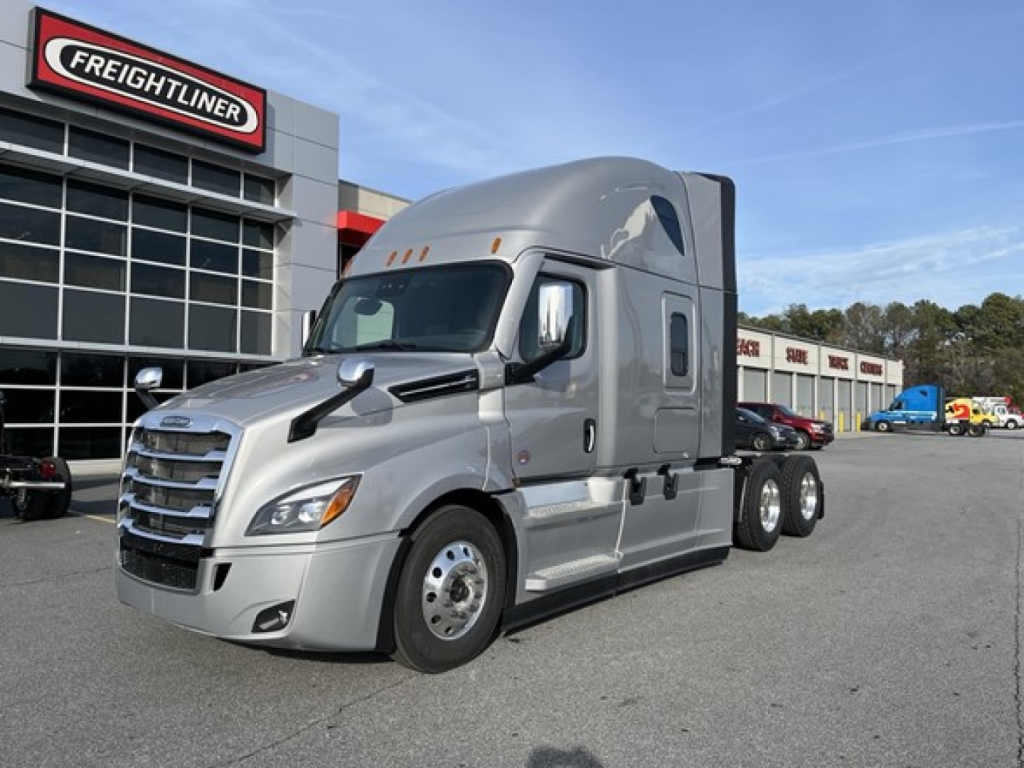
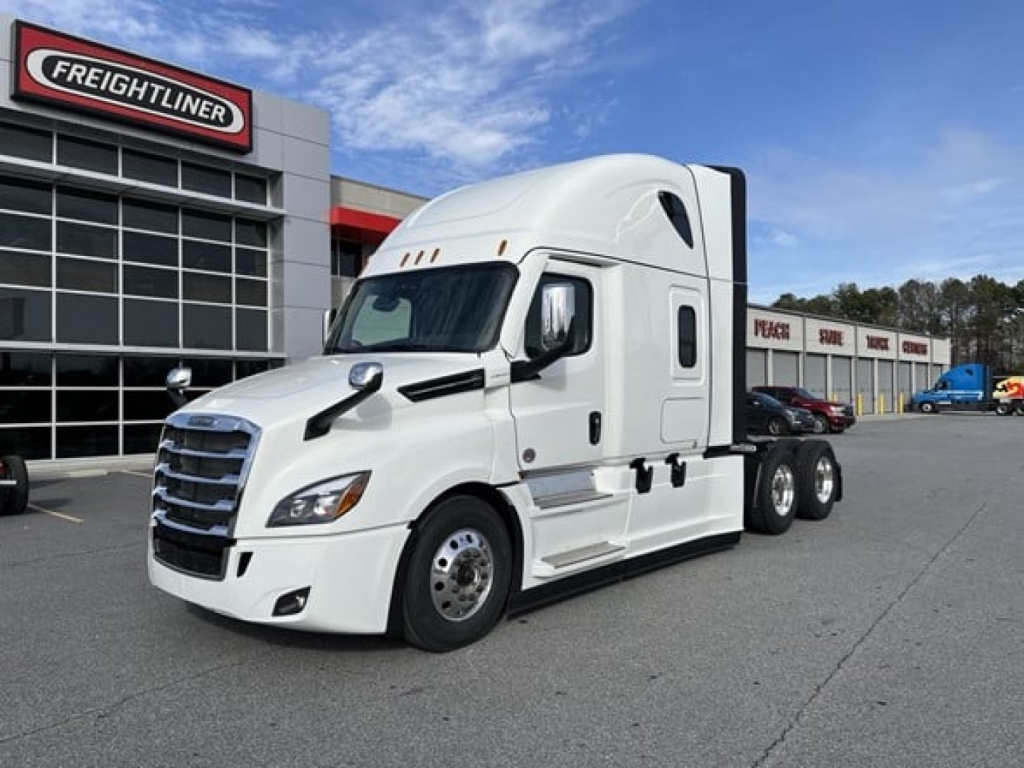
For highway use, buyers often compare wheelbase, horsepower, torque, rear axle ratio, and suspension setup to match payload and terrain. A tandem-axle road tractor with a diesel engine in the 400 to 500 horsepower range is common for general freight, while local P&D and municipal work may call for a lighter chassis with tighter turning radius and easier cab access. Medium-duty trucks are often selected by GVWR class, body compatibility, PTO provisions, and brake type. Class 8 buyers tend to focus more heavily on engine family, emissions system history, mileage, idle hours, and drivetrain specs that affect fuel economy and service life.
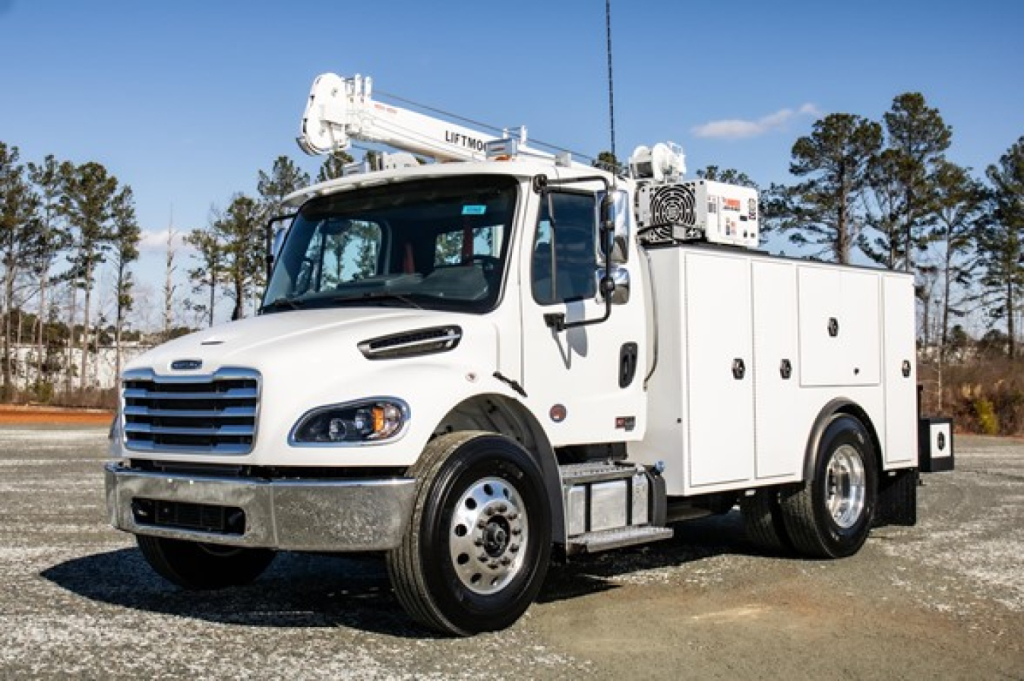
Vocational truck shoppers in the Conyers area should also pay attention to frame strength, vocational suspension, axle capacity, and body-upfit compatibility. Dump, rollback, hooklift, crane, and service body applications often require specific wheelbase and cab-to-axle dimensions, plus PTO and hydraulic readiness. For tractors, sleeper size, fairing package, fifth-wheel setup, and fuel capacity matter if the truck will be used outside metro Atlanta or across the Southeast. Buyers working in urban lanes may prioritize visibility, lower curb weight, and maneuverability, while heavy-haul or construction fleets usually look harder at axle ratings, locking differentials, and severe-service components.
A used truck should be evaluated as a complete operating package, not just by year and odometer. Engine hours, maintenance records, tire condition, brake wear, suspension play, DEF and DPF service history, and signs of frame or cab corrosion all matter. In Georgia, many buyers also consider how a truck will perform in hot weather, stop-and-go traffic, and mixed interstate and jobsite use. The best comparison points across listings are application fit, total cost of ownership, and how well the truck's specs line up with the work it needs to do.
Frequently Asked Questions about Commercial Trucks Near Conyers, Georgia
What types of trucks are commonly sold in Conyers, Georgia?
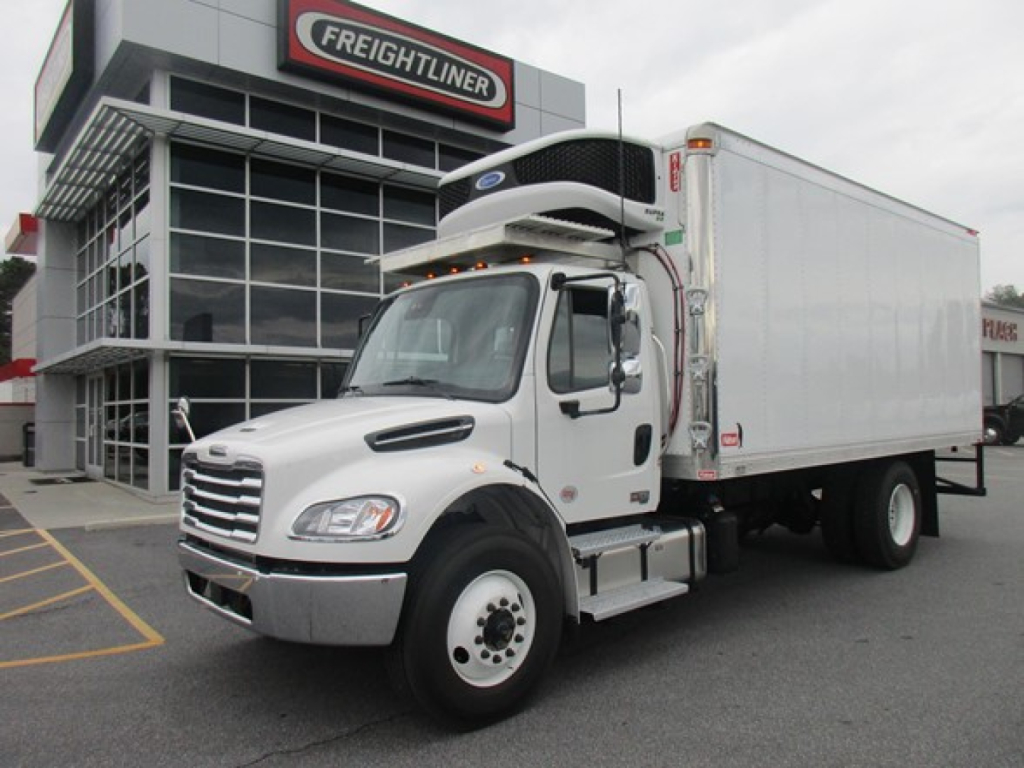
This category can include Class 8 semi tractors, day cabs, sleeper trucks, medium-duty delivery trucks, dump trucks, flatbeds, service trucks, and other vocational chassis. The mix depends on local freight demand, construction activity, municipal use, and regional hauling across Georgia and the Southeast. Buyers should sort trucks by intended application first, then compare drivetrain, axle ratings, and body or trailer compatibility.
How do I choose between a day cab and a sleeper truck?
A day cab is generally better for local and regional routes where overnight accommodations are not needed. It offers lower weight, simpler packaging, and often better maneuverability. A sleeper truck is the better choice for long-haul work, multi-day runs, or operations that need driver rest space and larger fuel capacity. The decision should match route length, driver schedule, and payload priorities.
What truck specs matter most when comparing listings?
The most important specs depend on the job, but buyers usually start with GVWR or GCWR, axle configuration, engine horsepower and torque, transmission type, rear axle ratio, wheelbase, and suspension. For vocational units, cab-to-axle measurement, PTO capability, frame rating, and hydraulic setup are critical. For highway tractors, mileage, engine hours, sleeper size, fifth-wheel setup, and fuel capacity are often the main comparison points.
Is mileage the most important factor on a used truck?
Mileage matters, but it should never be the only factor. Engine hours, maintenance history, emissions-system service, transmission and differential condition, brake and tire wear, and evidence of proper preventive maintenance often tell more about remaining life than odometer reading alone. A truck with higher miles and strong service documentation can be a better buy than a lower-mile unit with gaps in maintenance or signs of hard vocational use.
What should I inspect on a used truck before buying?
A serious inspection should cover the engine, transmission, clutch or automated manual operation, driveline, suspension, steering components, brakes, tires, frame rails, and cab structure. Buyers should also review fault codes, look for oil or coolant leaks, inspect DEF and DPF system condition, and verify PTO or upfit equipment function if applicable. A full maintenance record review and, when possible, a professional third-party inspection can prevent expensive downtime after purchase.