
Commercial Trucks For Sale Near Conway, South Carolina
Have commercial truck to sell? List it here to reach thousands of buyers.
Commercial Trucks Near Conway, South Carolina
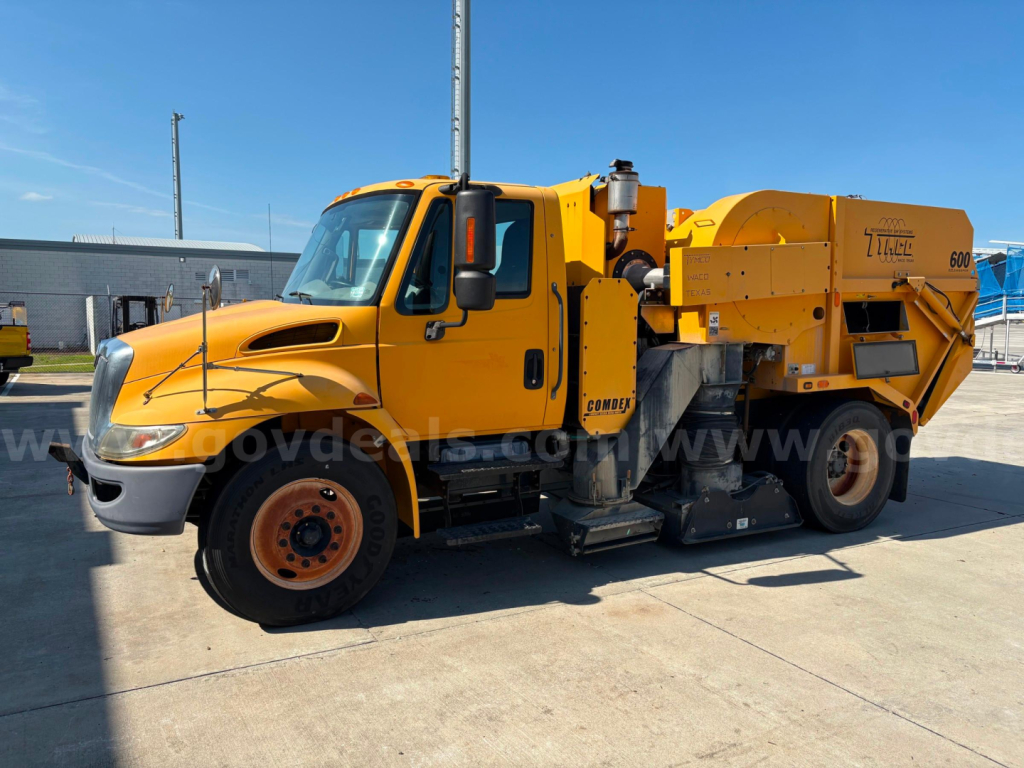
Medium-duty and vocational trucks are often bought around the body or equipment package as much as the cab and chassis itself. Common examples include dump trucks, service trucks, box trucks, hooklift trucks, vacuum trucks, and sweepers. On units like a street sweeper, buyers should look beyond the base chassis and evaluate the auxiliary engine, broom or regenerative air system, hopper condition, hydraulic performance, and available service records. Engine hours can matter as much as mileage on equipment with PTO-driven or independent work systems. Cab layout, visibility, automatic versus manual transmission, and parts support for both the truck chassis and the mounted equipment are all practical buying points.
On heavier trucks, spec details drive long-term operating cost. Key items include engine make and horsepower, transmission type, wheelbase, suspension, front axle capacity, rear axle ratio, brake configuration, and tire size. Buyers comparing day cabs, sleepers, or straight trucks should also pay attention to GVWR or GCWR, fuel tank capacity, emissions system history, and intended route profile. Coastal and humid operating conditions around South Carolina can make frame condition, corrosion, electrical integrity, and HVAC performance more important than they appear in photos.
A good truck purchase is less about model year alone and more about matching the spec to the work. Look at maintenance history, idle or engine hours when available, PTO setup, body manufacturer support, and how easy the truck will be to service locally. For fleet buyers, commonality with existing makes and powertrains may reduce downtime and simplify parts stocking. For owner-operators and contractors, reliability, legal payload, turning radius, and body upfit suitability usually matter more than cosmetic details. The best truck in this category is the one with a spec that fits the route, the load, and the work cycle without carrying unnecessary cost or complexity.
Frequently Asked Questions about Commercial Trucks Near Conway, South Carolina
What should I look at first when comparing trucks for sale?
Start with the truck's intended job, then confirm the duty class, GVWR, axle ratings, and body configuration match that use. After that, review engine, transmission, wheelbase, suspension, and brake specs. On vocational trucks, the mounted equipment and PTO or auxiliary systems can be just as important as the chassis because those components often determine productivity, maintenance cost, and resale value.
How important are engine hours on a used truck?
Engine hours are very important on trucks that spend time idling, running PTO equipment, or operating auxiliary systems. Mileage alone does not tell the full story on sweepers, utility trucks, bucket trucks, or other vocational units. A truck with moderate miles but high engine or equipment hours may have more wear on the powertrain, hydraulics, or emissions components than the odometer suggests.
What is the difference between a chassis cab truck and a complete vocational truck?
A chassis cab is the truck platform before a permanent work body is installed. It is commonly upfitted with bodies such as dump, service, flatbed, box, or utility bodies. A complete vocational truck already includes that body or equipment package, which means buyers need to evaluate both the truck chassis and the installed apparatus, including hydraulics, controls, structural condition, and body-specific components.
Are automatic transmissions common in commercial trucks?
Yes. Automatic and automated manual transmissions are common across many truck classes, especially in municipal, refuse, delivery, and stop-and-go vocational service. They can reduce driver fatigue and help with training and consistency across a fleet. The best choice still depends on application, terrain, maintenance practices, and whether the truck is doing highway work, city work, or PTO-intensive operations.
Why does local operating environment matter when buying a used truck?
Local conditions affect wear patterns, corrosion risk, cooling performance, and component life. In coastal or humid areas such as South Carolina, buyers should inspect frames, wiring, connectors, cab floors, and body mounts closely for corrosion or moisture-related deterioration. Trucks used in municipal or airport service may also have unique idle patterns, accessory use, and maintenance schedules that influence condition beyond what basic mileage figures show.