
Used Volvo Conventional Sleeper Trucks For Sale in Washington
Browse used Volvo conventional sleeper trucks in Washington with specs, sleeper options, powertrain details, and regional hauling insights.
Learn moreNo exact matches found for your search
Showing Used Conventional Sleeper Trucks in Washington instead.
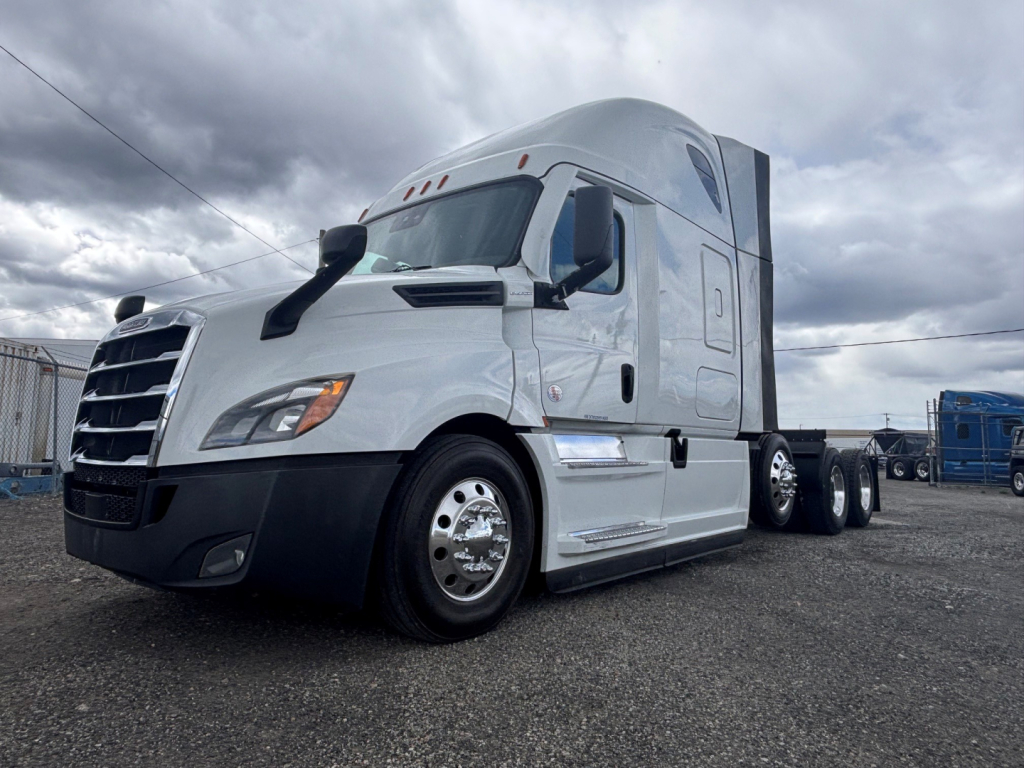
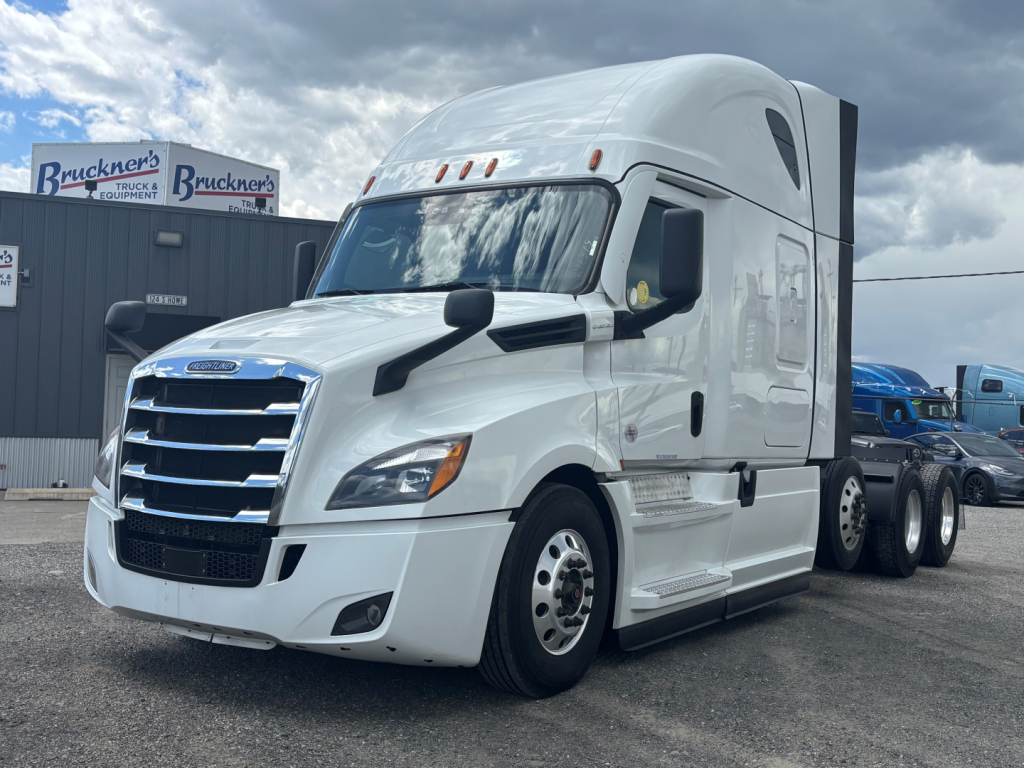
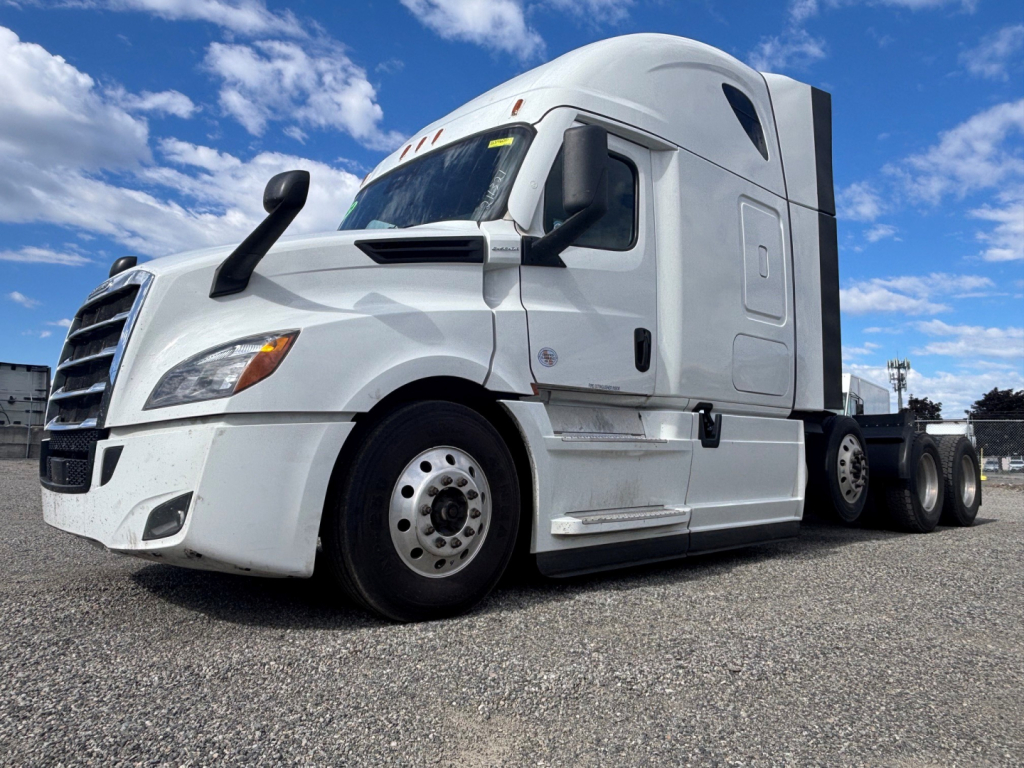
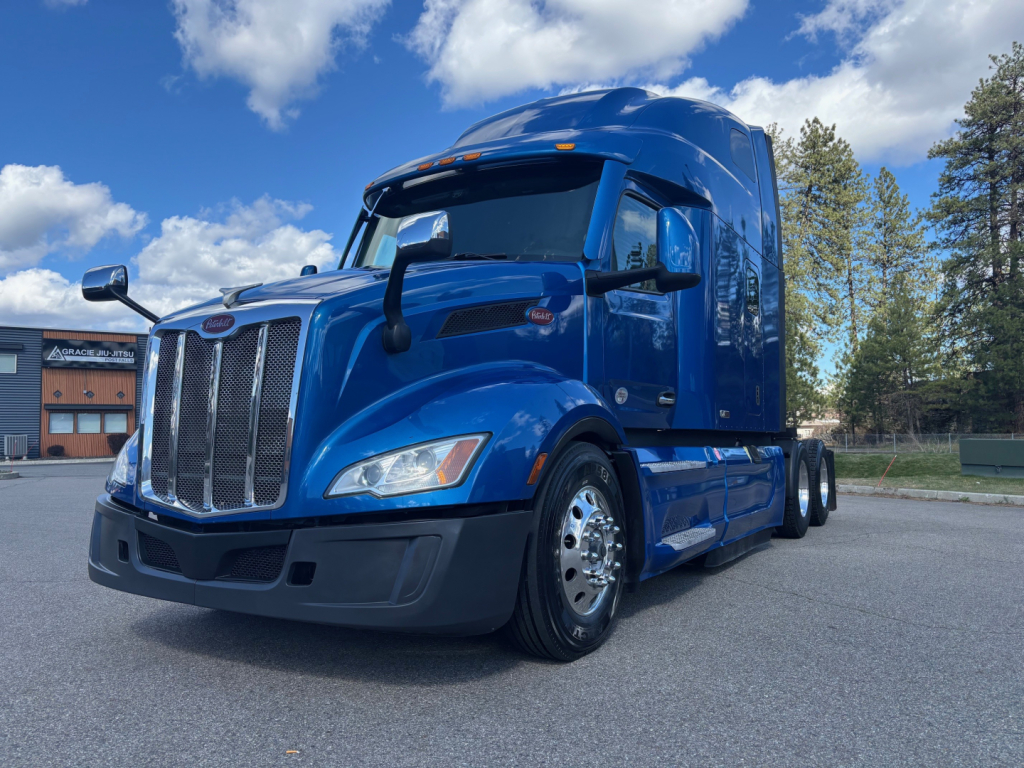
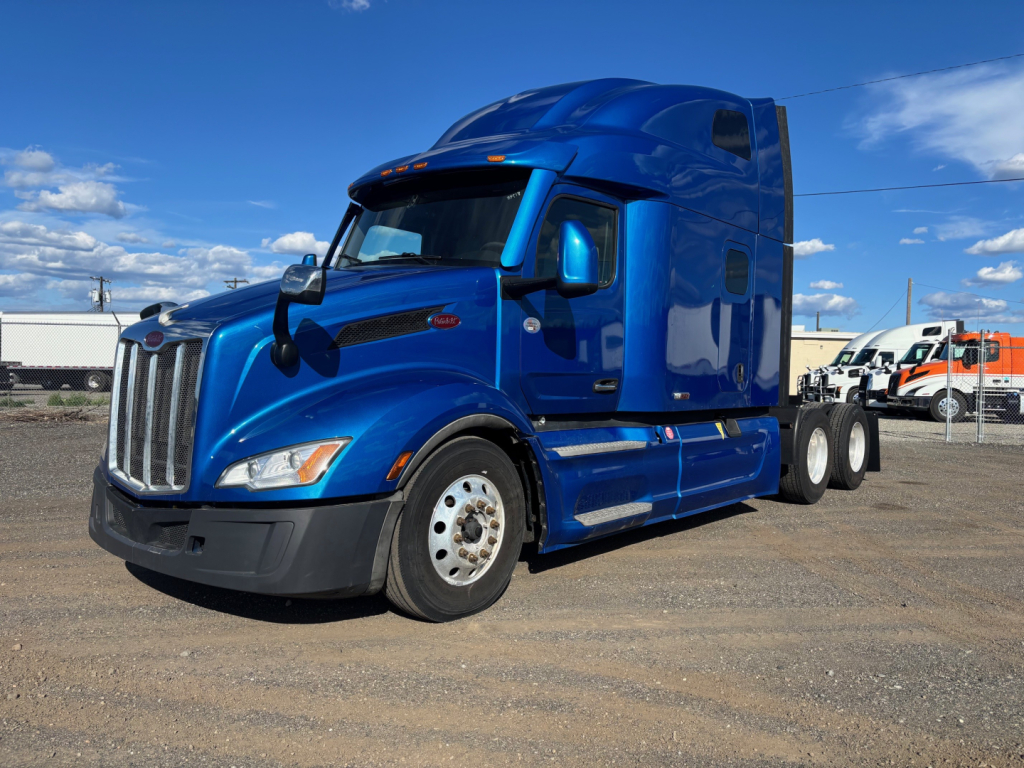
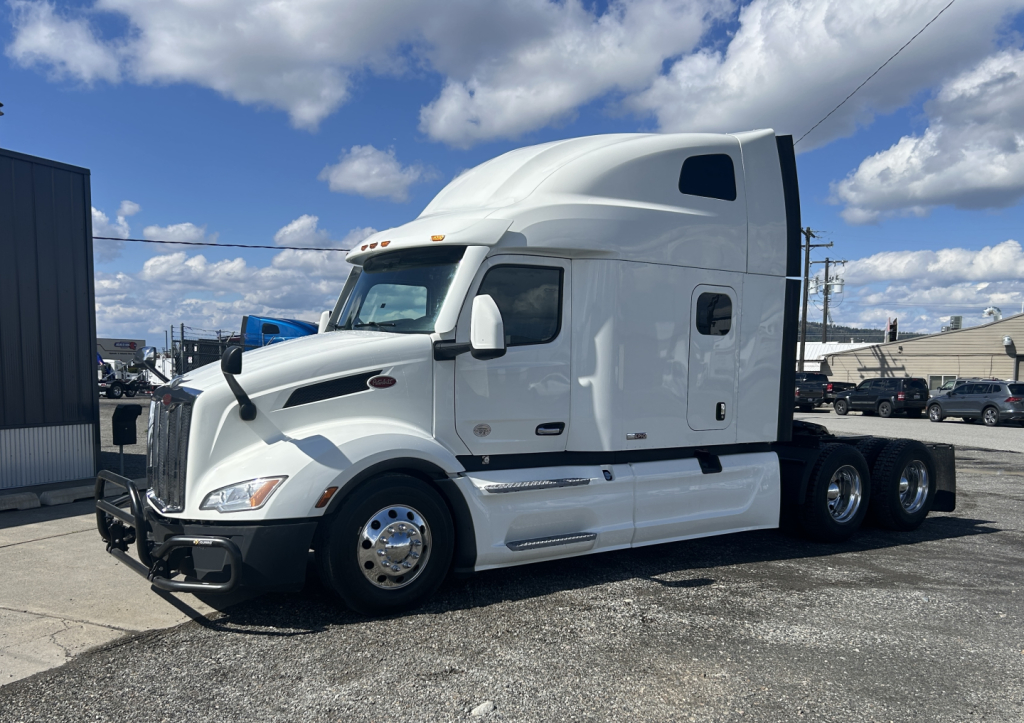
Have used volvo conventional sleeper truck to sell? List it here to reach thousands of buyers.
About Used Volvo Conventional Sleeper Trucks in Washington
For buyers comparing used Volvo sleepers, the first decisions usually come down to cab size, axle configuration, and engine rating. A 6x4 tandem axle setup is common for heavier regional and over-the-road freight, while sleeper sizes vary based on route length and driver needs. Volvo conventional sleepers are often spec'd with Volvo D11 or D13 engines paired to the I-Shift automated manual transmission, a combination widely recognized for smooth shifting and fuel-conscious operation. Buyers should look closely at horsepower and torque ratings, rear axle ratio, wheelbase, and fifth wheel position because those specs directly affect gradeability, payload flexibility, and maneuverability.
Cab environment is a major reason many buyers shop Volvo sleepers. These trucks are typically designed with strong visibility, ergonomic dash layouts, and sleeper configurations that support team or solo operations. Features can include bunk heaters, premium insulation, refrigerator prep, inverters, upper bunks, and idle reduction systems. On used units, it is worth checking the condition of the bunk, HVAC performance, driver assist systems, and electrical accessories, along with service history for emissions components, aftertreatment maintenance, and transmission calibration updates. Tire condition, suspension type, brake spec, and fairing condition also deserve attention because they influence both ride quality and operating cost.
Washington operators often prioritize specs that handle mixed terrain and variable weather without giving up fuel economy on long pulls. That makes drivetrain gearing, traction support, and cooling system condition especially important in a used Volvo conventional sleeper. Buyers hauling van, reefer, or general freight should also confirm the truck matches trailer bridge requirements, kingpin setting needs, and expected cruise speeds. A well-spec'd Volvo sleeper can be a strong fit for regional distribution, coast-to-coast runs, and dedicated contract freight where comfort, safety technology, and efficient highway performance are all part of the equation.
Frequently Asked Questions
What is the difference between a Volvo VNL sleeper and a Volvo VNR sleeper?
The Volvo VNL is generally aimed at long-haul applications, with larger sleeper options, a more highway-focused layout, and specs built around over-the-road efficiency. The Volvo VNR is often used for regional haul, shorter wheelbase applications, and operations that need better maneuverability in tighter freight environments. Both can be configured as conventional sleeper trucks, but the VNL usually offers more living space while the VNR often suits fleets running dense regional lanes.
What engine and transmission setup is common in used Volvo conventional sleeper trucks?
Many used Volvo conventional sleeper trucks are equipped with the Volvo D11 or D13 diesel engine and the Volvo I-Shift automated manual transmission. This pairing is popular because it supports fuel economy, consistent shift logic, and easier driver operation across mixed terrain. Exact horsepower, torque, and axle ratio vary by original fleet spec, so buyers should confirm the full drivetrain setup rather than relying on model name alone.
What should I inspect on a used Volvo sleeper truck before buying?
Key inspection points include engine service records, aftertreatment history, transmission performance, suspension wear, brake condition, tire matching, and any signs of frame or cab damage. On a sleeper, check bunk components, HVAC output, seals, electrical accessories, and idle management equipment. It is also important to verify fault codes, software updates, and preventive maintenance records, especially on emissions and automated transmission systems.
Are Volvo sleeper trucks a good fit for Washington freight operations?
Volvo sleeper trucks can be a strong fit for Washington operations because they are commonly spec'd for fuel-efficient highway work while still handling mountain passes, wet conditions, and regional distribution lanes. Buyers should focus on axle ratio, horsepower, traction features, and brake configuration to make sure the truck matches the terrain and the load profile. A truck that performs well on flatter interstate lanes may need a different spec for regular operation through elevation changes and heavier gross weights.
How do I choose the right sleeper size in a used Volvo conventional truck?
The right sleeper size depends on trip length, driver schedule, and how much onboard storage or living space is needed. Shorter regional routes may only require a compact sleeper for rest compliance and basic storage, while longer over-the-road lanes often justify a larger sleeper with more cabinet space and comfort features. Sleeper size also affects wheelbase and overall maneuverability, so it should be matched to both driver needs and the freight environment.