
Used Volvo Conventional Sleeper Trucks For Sale in Ontario
Shop used Volvo conventional sleeper trucks in Ontario. Compare VNL and VNR specs, sleeper sizes, D13 power, i-Shift options, and wheelbase.
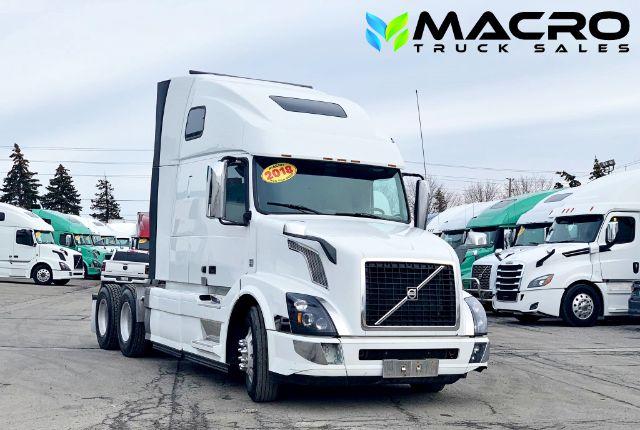
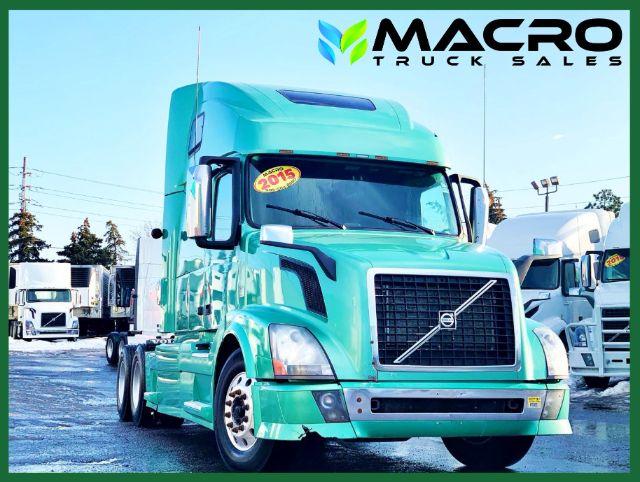
Selling a used volvo conventional sleeper truck? List your used volvo conventional sleeper truck for sale and reach thousands of commercial buyers.
Used Volvo Conventional Sleeper Trucks in Ontario
The Volvo D13 is the engine most buyers will see in these used sleeper trucks, often rated around 405 to 500 horsepower depending on spec and intended service. Many late-model units are paired with the Volvo I-Shift automated manual transmission, which is widely accepted in fleet service for fuel economy, driver ease, and smooth integration with the engine brake and cruise controls. Older trucks may have a 10-speed or 13-speed manual, which can still appeal to owner-operators who want a simpler drivetrain or more direct control. Common spec points worth checking include 6x4 tandem drive configuration, wheelbase, suspension type, highway gear ratio, and whether the truck was ordered for van, reefer, or heavier general freight applications.
Sleeper layout matters more than many first-time buyers expect. A VNL 760 or 860 typically offers more living space, storage, and stand-up room than smaller sleeper configurations, which can make a real difference on extended trips or team service. It is also smart to evaluate bunk condition, HVAC performance, idle management systems, auxiliary power provisions, inverter setup, and cabinet layout. On used Volvo sleepers, inspection should go beyond the cab. Pay close attention to D13 service history, emissions system records, turbo and aftertreatment performance, clutch and actuator condition on I-Shift models, suspension wear, and signs of previous collision repair. If the truck has high mileage, verify maintenance intervals for overhead adjustment, DEF system components, and cooling system work.
For Ontario buyers, application and compliance should guide the final decision. A truck running Toronto to the U.S. Midwest may need a different sleeper size and axle ratio than one handling provincial freight with frequent drop-and-hook work. Winter traction, block heater setup, tire condition, and corrosion exposure are also practical concerns in this market. Volvo conventional sleeper tractors generally hold their value well when the spec is right and maintenance is documented, especially when the truck combines a proven D13, I-Shift transmission, and a sleeper size that matches the route. The best purchase is usually the truck with the clearest service history and the spec that fits the freight, not simply the newest model year.
Frequently Asked Questions about Used Volvo Conventional Sleeper Trucks in Ontario
What are the most common used Volvo sleeper truck models?
The most common used Volvo conventional sleeper trucks are from the VNL family, including the VNL 670, 760, 780, and 860. These models vary mainly in sleeper size, interior layout, and intended long-haul comfort level. Some listings also include VNR sleeper models, which are generally better suited to regional work where a shorter overall package is useful but overnight capability is still needed.
Is the Volvo D13 and I-Shift a good combination in a used sleeper truck?
Yes. The Volvo D13 paired with the I-Shift automated manual is one of the most common and proven specifications in this category. It is popular because it delivers good fuel economy, strong drivability, and broad parts and service support. On a used truck, the key is not just the powertrain combination itself but the maintenance record, emissions history, clutch and actuator condition, and how the truck was previously operated.
What should I inspect first on a used Volvo conventional sleeper?
Start with service records, engine hours, odometer miles, and signs of consistent preventive maintenance. Then inspect the aftertreatment system, cooling system, transmission operation, suspension, tires, and frame condition. Inside the sleeper, check bunk structure, HVAC performance, cabinet condition, and any idle reduction or inverter equipment. A clean interior is helpful, but documented mechanical history is far more important than cosmetic appearance.
What sleeper size is best for long-haul work?
For long-haul solo operation, mid-to-large sleepers such as the VNL 760 are often a strong fit because they balance living space with manageable overall size. For team driving or extended over-the-road use, larger sleepers such as the VNL 780 or 860 typically offer more room, storage, and comfort. The right sleeper size depends on trip length, number of drivers, and how much time is spent in the truck between loads.
Are used Volvo sleeper trucks a good choice for Ontario and cross-border freight?
They can be an excellent fit for Ontario and cross-border operations because Volvo sleepers are widely used in highway service and are known for driver comfort and aerodynamic efficiency. Buyers in this region should pay close attention to winter readiness, corrosion from road treatment exposure, block heater setup, tire and suspension condition, and any spec decisions that affect U.S. interstate fuel economy and cruising performance. A truck matched to the lane profile usually performs better than one chosen only by age or price.