
Used Volvo Conventional Sleeper Trucks For Sale in Arizona
Browse used Volvo conventional sleeper trucks in Arizona. Compare VNL 780 and similar models by cab, drivetrain, sleeper size, and spec.
Learn more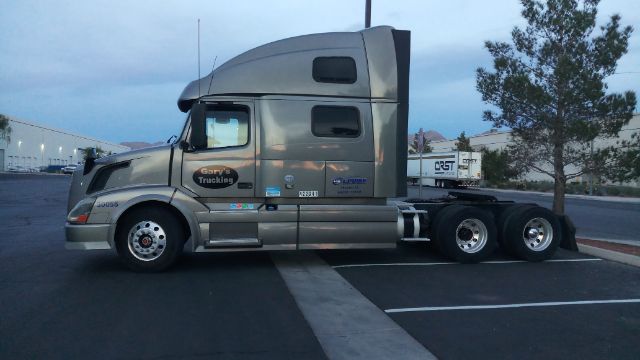
Have used volvo conventional sleeper truck to sell? List it here to reach thousands of buyers.
About Used Volvo Conventional Sleeper Trucks in Arizona
A buyer comparing used Volvo sleepers should start with the major spec decisions: engine family, transmission, rear axle ratio, wheelbase, and sleeper length. Many used units are spec'd with Volvo D11 or D13 engines, though Cummins-powered trucks also appear in the market. Automated manual transmissions are especially common in later Volvo road tractors and can be a strong fit for fleets prioritizing fuel efficiency and driver consistency. For buyers running heavier freight or mountain lanes, horsepower, torque rating, and axle configuration matter more than the badge on the hood. A 6x4 tandem axle setup is still the standard for most over-the-road applications, while a 4x2 can make sense in lighter-duty, fuel-focused operations.
The sleeper itself deserves close attention because layout affects resale, driver retention, and day-to-day usability. Volvo conventional sleepers are available in several cab and sleeper configurations, from mid-roof setups to larger high-roof sleepers with room for storage, workstation space, and better stand-up access. Interior condition often tells you how the truck was treated. Look at bunk hardware, cabinet latches, HVAC performance, dash electronics, and signs of water intrusion around seals. On the chassis side, review suspension type, fifth wheel setup, frame condition, brake history, tire wear, and service records. Volvo's highway platform is generally well regarded for ride quality and steering feel, but used buyers still need to evaluate emissions-system maintenance, aftertreatment history, and any recurring fault codes before committing.
Arizona buyers also tend to weigh operating environment more heavily than buyers in milder regions. Strong air conditioning, clean radiators and charge air coolers, and verified engine cooling performance are not minor items in desert service. If the truck will stay on western lanes, check gearing against highway speed targets and gradeability needs. A well-spec'd used Volvo conventional sleeper can be a cost-effective road tractor for refrigerated freight, dry van, and general over-the-road work, especially when the cab is comfortable, the maintenance file is complete, and the drivetrain matches the job.
Frequently Asked Questions
What are the most common used Volvo conventional sleeper models?
The most common used Volvo conventional sleeper trucks are from the VNL series, including the VNL 670, 730, 760, and 780. These models vary by roof height, sleeper size, and interior layout, but all are designed for highway use. The larger sleepers are typically preferred for long-haul and team driving, while smaller configurations can fit regional applications that still require overnight stays.
What should I inspect first on a used Volvo sleeper truck?
Start with the engine and aftertreatment history, transmission operation, cooling system condition, and signs of cab wear. On Volvo sleepers, service records for DPF cleaning, DEF-related repairs, injector work, and transmission calibration are especially useful. Inside the cab, inspect HVAC output, bunk condition, dash electronics, and any evidence of leaks. Outside, pay attention to frame rust, suspension wear, tire pattern, and fifth wheel condition.
Are Volvo sleeper trucks good for fuel economy?
Volvo conventional sleeper trucks have a strong reputation for fuel-efficient highway operation, largely due to aerodynamic cab design and integrated drivetrain specs. Fuel economy still depends on horsepower, rear axle ratio, transmission, cruise speed, trailer type, and total weight. A properly spec'd VNL with an efficient drivetrain can be competitive in over-the-road service, but buyers should confirm the truck's gearing and duty cycle match the intended operation.
Is a high-roof sleeper better than a mid-roof sleeper?
A high-roof sleeper is usually better for drivers who spend extended time on the road because it offers more storage, easier movement inside the cab, and a more comfortable living space. A mid-roof sleeper can still work well for shorter overnights or regional use and may offer some weight and cost advantages. The right choice depends on haul length, driver preference, and how much time the truck will spend away from terminal support.
What matters most when buying a used sleeper truck in Arizona?
In Arizona, cooling system performance and cab air conditioning matter more than many buyers first expect. High ambient temperatures put added stress on radiators, hoses, fans, and charge air cooling components, so a truck that runs well in mild weather may still have issues in desert service. Buyers should also consider idle-management equipment, bunk HVAC capability, tire condition under heat, and whether the drivetrain is spec'd for western interstate speeds and grades.