
New 2027 Volvo Conventional Sleeper Trucks For Sale in Washington
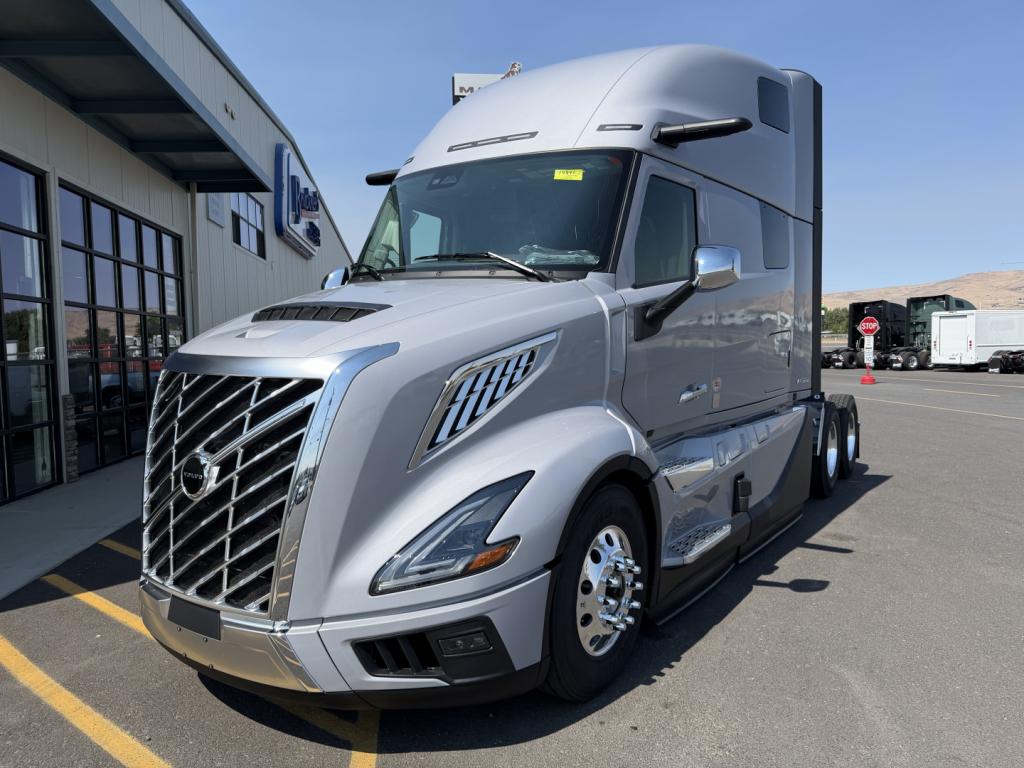
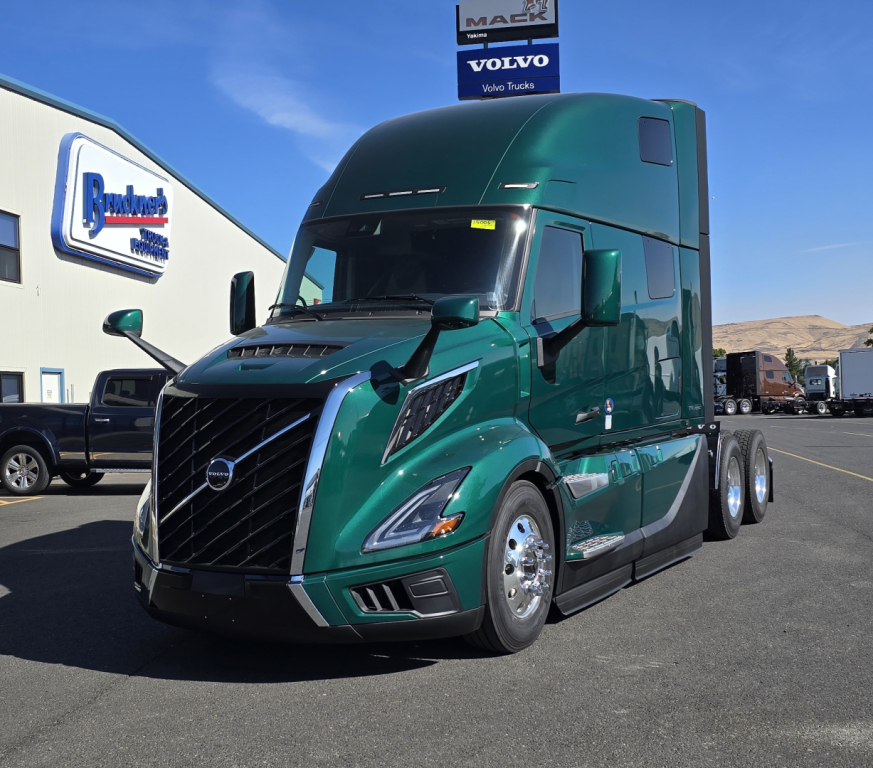
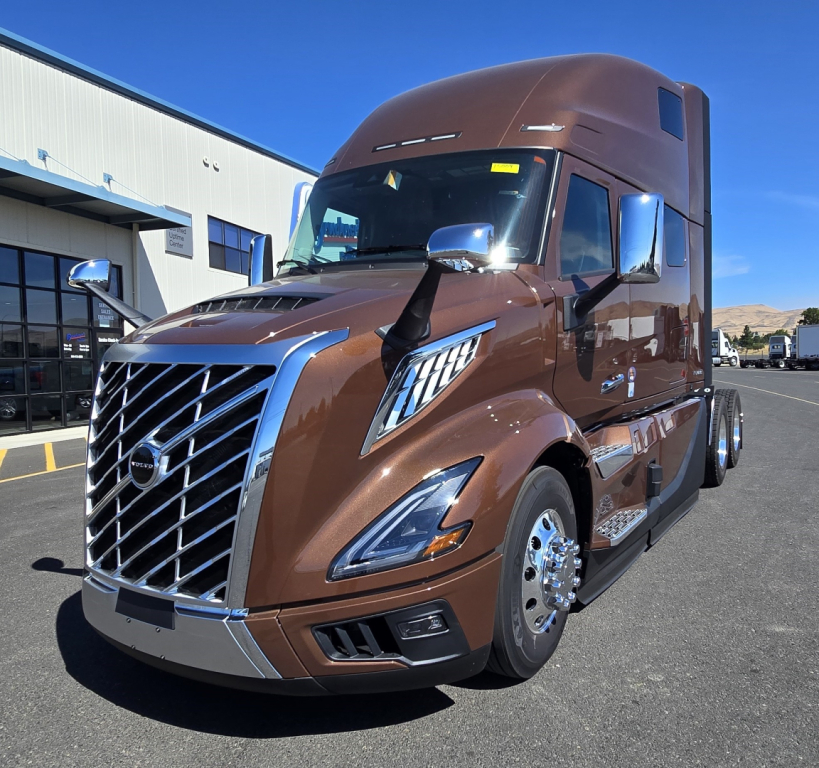
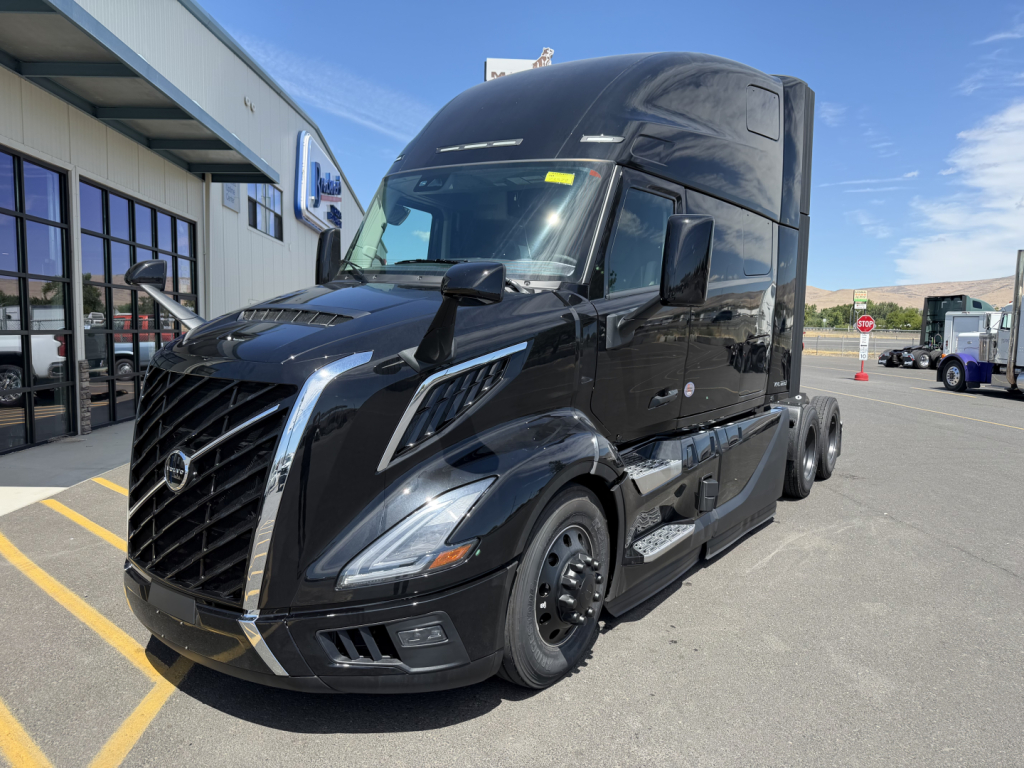
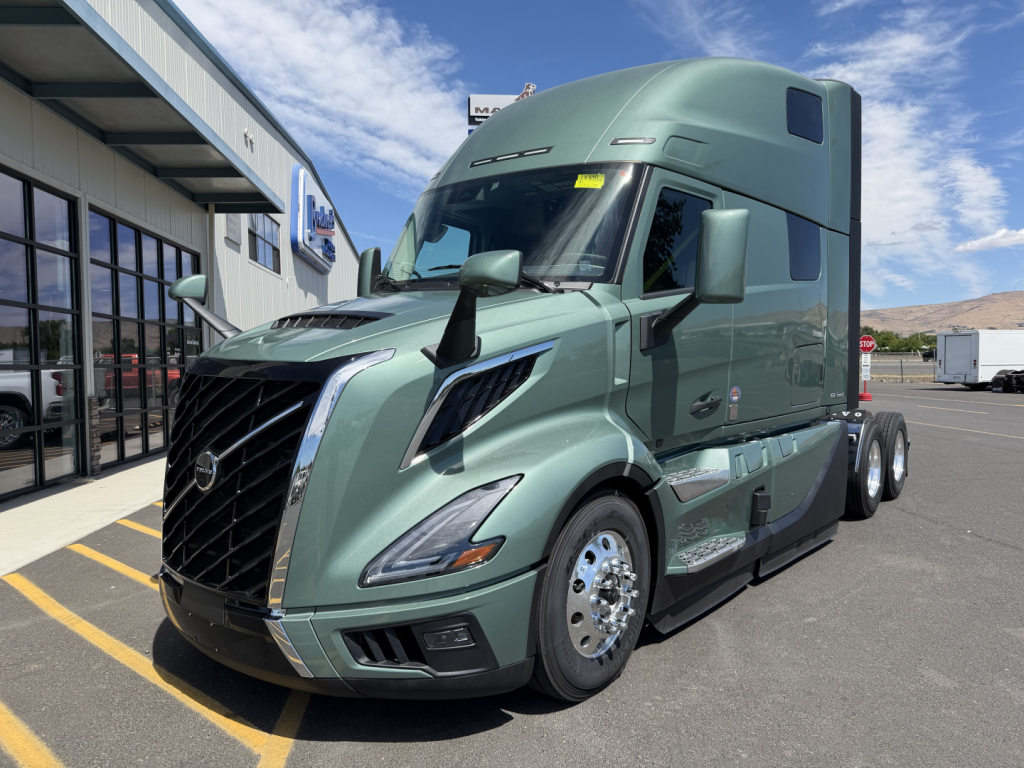

Have new 2027 volvo conventional sleeper truck to sell? List it here to reach thousands of buyers.
New 2027 Volvo Conventional Sleeper Trucks in Washington
The biggest buying decision is usually the powertrain. New Volvo conventional sleepers are commonly spec’d with Volvo D13 engines paired to the I-Shift automated manual transmission, a combination known for smooth shift logic, fuel-efficient highway performance, and strong grade management. Buyers should compare horsepower and torque ratings against the freight they actually pull, especially if the truck will see heavy reefer, bulk, or mountain-duty lanes. Rear axle ratio, GCWR, wheelbase, and tandem specification all affect launch feel, cruise RPM, and maneuverability. If the truck will spend time in the Cascades or on regional heavy-haul lanes, engine brake performance, cooling package capacity, and axle capacity deserve close attention alongside emissions warranty coverage.
The sleeper itself is more than a bunk size decision. Volvo conventional sleepers are popular because of their driver-focused cab layout, visibility, noise control, and safety technology. Depending on the spec, buyers may see raised-roof sleepers with room for stand-up access, upgraded storage, workstation layouts, refrigerator prep, inverter packages, and premium seating. On the chassis side, front axle set-back, fairing design, fuel tank capacity, fifth wheel placement, and kingpin-to-rear-axle dimensions should be matched to trailer mix and bridge law requirements. Fleets that run van and reefer freight usually prioritize aerodynamics and fuel capacity, while specialized carriers may care more about frame layout, PTO provisions, or lift axle compatibility.
A new-model purchase also gives buyers the advantage of current safety and telematics options. Volvo sleeper tractors are often equipped with collision mitigation, adaptive cruise, lane support features, tire pressure monitoring, and integrated fleet data systems that help track fuel burn, idle time, and service intervals. When comparing listings, look past the model name and confirm sleeper length, axle ratings, transmission spec, suspension, wheelbase, and interior package. Two 2027 Volvo conventional sleeper trucks can look nearly identical on paper but perform very differently once they are loaded, routed through grades, and put into a driver rotation.
Frequently Asked Questions about New 2027 Volvo Conventional Sleeper Trucks in Washington
What is a Volvo conventional sleeper truck used for?
A Volvo conventional sleeper truck is primarily used for long-haul and regional over-the-road freight where the driver needs an integrated sleeping compartment behind the cab. Common applications include dry van, reefer, dedicated route freight, and team driving. Compared with a day cab, a sleeper tractor adds rest space, more storage, and better suitability for multi-day trips.
What should buyers compare on a new 2027 Volvo sleeper tractor?
The most important items to compare are engine rating, transmission, axle ratio, rear axle capacity, wheelbase, sleeper size, fuel capacity, and safety technology. Those specs determine how the truck pulls on grades, what RPM it turns at highway speed, how well it matches trailer length and kingpin settings, and how comfortable it is for long runs. Warranty terms, telematics integration, and service support are also important on a new truck purchase.
Why is the Volvo I-Shift important on a conventional sleeper?
The I-Shift automated manual transmission is a major factor because it affects fuel economy, driver comfort, and consistency across a fleet. It is designed to optimize shift timing, reduce missed shifts, and improve drivability in traffic and on hills. For fleets and owner-operators alike, that can mean less driver fatigue, better control on grades, and more predictable operating costs over time.
Are Volvo conventional sleeper trucks a good fit for Washington routes?
They can be a strong fit for Washington because the state combines dense corridor traffic, long interstate mileage, wet conditions, and significant elevation changes. A well-spec’d Volvo sleeper with the right horsepower, torque, axle ratio, and engine brake can handle mountain routes more efficiently while still delivering strong highway fuel economy. Cab comfort and visibility also matter in a region where drivers may spend long hours in changing weather.
What sleeper-related features matter most in resale and driver satisfaction?
Sleeper height, bunk layout, storage capacity, noise insulation, seating, and climate control usually matter most. Buyers also pay attention to inverter setup, refrigerator space, and the overall ease of living in the cab for multiple days at a time. Trucks with a practical sleeper layout and modern driver-assist features often appeal more to both fleets trying to retain drivers and second owners looking for a well-rounded highway tractor.