
Volvo Conventional Sleeper Trucks For Sale in New York
Browse Volvo conventional sleeper trucks with common specs, sleeper sizes, drivetrain options, and key buying points for long-haul use.
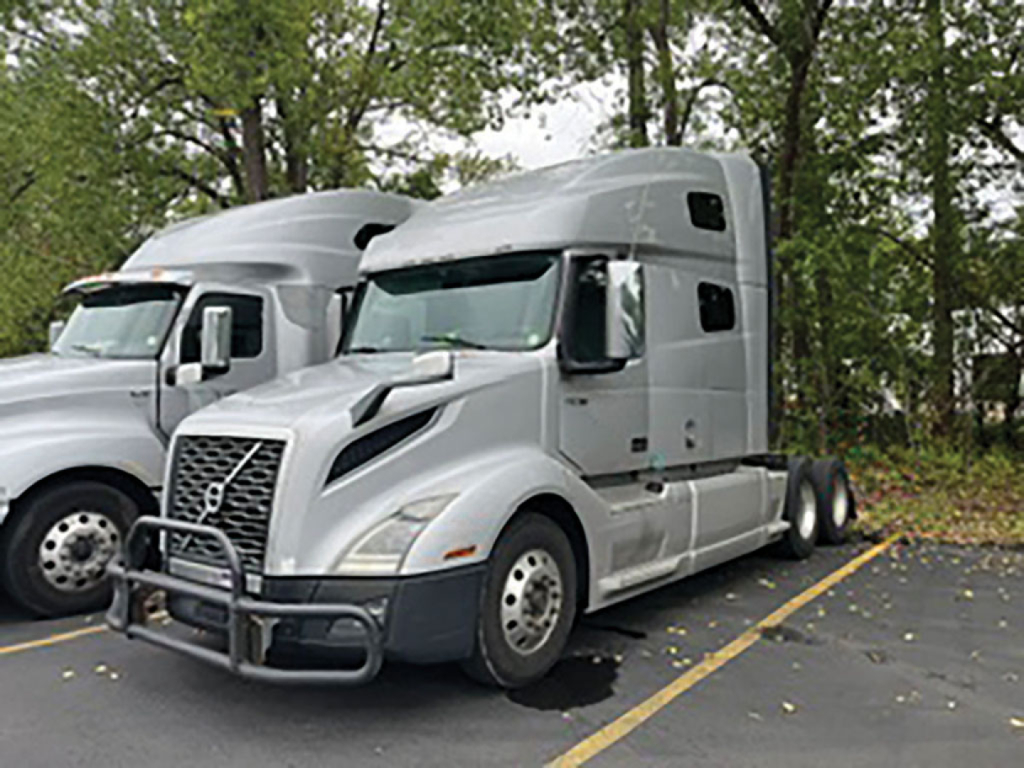
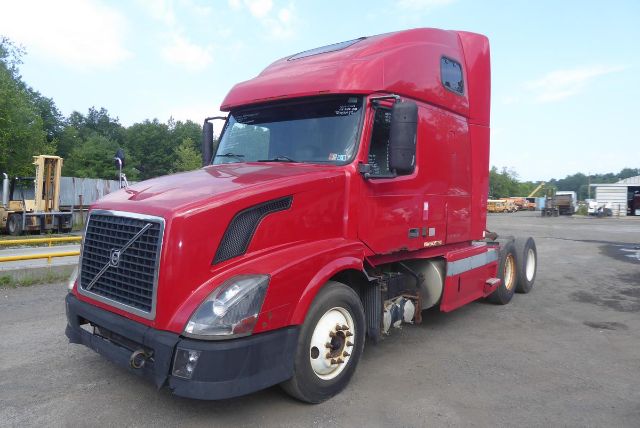
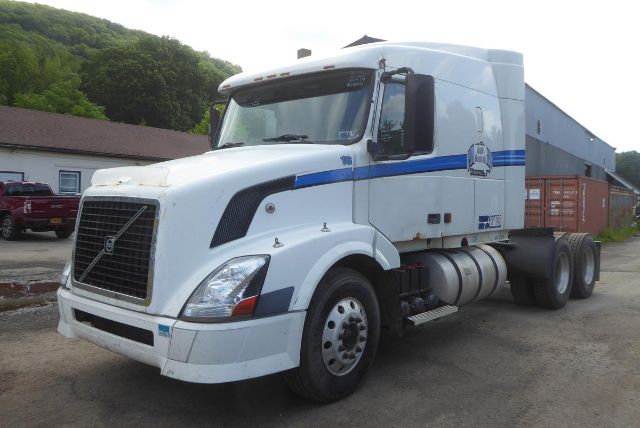
Have volvo conventional sleeper truck to sell? List it here to reach thousands of buyers.
Volvo Conventional Sleeper Trucks in New York
On the mechanical side, most Volvo conventional sleepers in the used market are 6x4 tandem axle tractors with 10-speed manual or automated manual transmissions, 40,000 lb rear axles, and air ride suspension. Common engine choices include Volvo D12 or VED12 platforms and Cummins ISX engines, often in the 425 to 475 horsepower range, paired with rear axle ratios such as 3.55 or 3.73. That combination is a proven fit for general van, reefer, and flatbed work where the truck needs enough torque to handle highway speeds, moderate grades, and a wide spread of freight weights without giving up fuel economy. Wheelbase, fifth wheel travel, and suspension spec all matter if the truck will need to interchange between different trailer lengths or operate in tighter Northeast terminals.
Volvo has long had a strong reputation for ride quality, cab ergonomics, and visibility. Features buyers often seek out in this category include air ride cabs, air ride seats, engine brakes, sliding fifth wheels, and aluminum outer wheels to trim weight. In New York and the broader Northeast, corrosion, frame condition, and suspension wear deserve close attention because these trucks often see winter road treatment and urban stop-and-go service mixed with linehaul miles. Mileage and engine hours should be evaluated together, especially on older sleepers, since idle-heavy trucks can show lower road miles than their wear level suggests. A proper review should include service history, brake condition, tire date codes, sleeper HVAC operation, and any signs of wear in bunk hardware, fairings, dash electronics, or aftertreatment components.
A well-matched Volvo sleeper tractor can be a practical choice for owner-operators and fleets that want a highway tractor with a comfortable living space and proven long-haul packaging. The key is to buy for the lane and trailer type, not just the badge. Sleeper height, bunk layout, axle ratio, transmission type, and engine family all affect how the truck will perform in day-to-day service. For freight that stays mostly on interstates, a mid-roof or high-roof Volvo conventional sleeper can offer a good balance of aerodynamics, driver retention value, and serviceable drivetrain options.
Frequently Asked Questions about Volvo Conventional Sleeper Trucks in New York
What is the difference between a mid-roof and high-roof Volvo conventional sleeper truck?
A mid-roof sleeper usually has a lower overall cab height and a more compact living area, which can be a good fit for solo drivers, weight-conscious operations, or lanes with height sensitivity. A high-roof sleeper provides more interior standing room, more storage, and often a better setup for team drivers or longer trips. The right choice depends on how much time the driver spends in the truck, the freight lanes being run, and whether interior space or lower profile matters more.
What engines are common in used Volvo conventional sleeper trucks?
Used Volvo conventional sleepers are commonly equipped with Volvo D12 or VED12 engines and, in some model years, Cummins ISX engines. Horsepower often falls in the mid-400 range, with specs around 425 to 475 hp being common for general freight applications. Engine choice affects service network preference, parts familiarity, fuel economy expectations, and the overall character of the truck under load, so it is worth matching the engine family to the support resources available in your area.
What axle ratio works best in a Volvo sleeper for highway freight?
Ratios such as 3.55 and 3.73 are common in conventional sleeper tractors because they balance launch performance with highway cruise efficiency. A 3.55 ratio can favor lower engine rpm and fuel economy on flatter interstate runs, while a 3.73 ratio can help with heavier loads, frequent grades, or operations that need a little more pulling power off the line. The best ratio depends on transmission type, tire size, average gross weight, and the terrain on the route.
What should buyers inspect first on an older Volvo sleeper tractor?
Start with frame condition, engine and transmission performance, rear suspension wear, and any signs of corrosion or repairs around crossmembers and cab mounts. Then verify mileage against engine hours, inspect brake and tire condition, and check sleeper functions such as HVAC, bunk components, and electrical accessories. On higher-mileage units, maintenance records, clutch or transmission history, fifth wheel condition, and any aftertreatment or emissions-related repairs can tell you more than odometer reading alone.
Are Volvo conventional sleeper trucks a good fit for Northeast operations?
They can be a strong fit because Volvo sleepers are known for good visibility, driver comfort, and stable road manners in regional and linehaul service. For Northeast use, wheelbase and sleeper size should be chosen carefully to balance comfort with maneuverability in tighter yards, city deliveries, and crowded terminals. It is also important to pay close attention to rust, suspension condition, and cab wear, since trucks operating in this region often see harsh winter conditions and dense traffic.