
2021 Volvo Conventional Sleeper Trucks For Sale in Texas
Shop 2021 Volvo conventional sleeper trucks in Texas. Compare VNL specs, sleeper sizes, fuel economy, safety tech, and long-haul features.
Learn more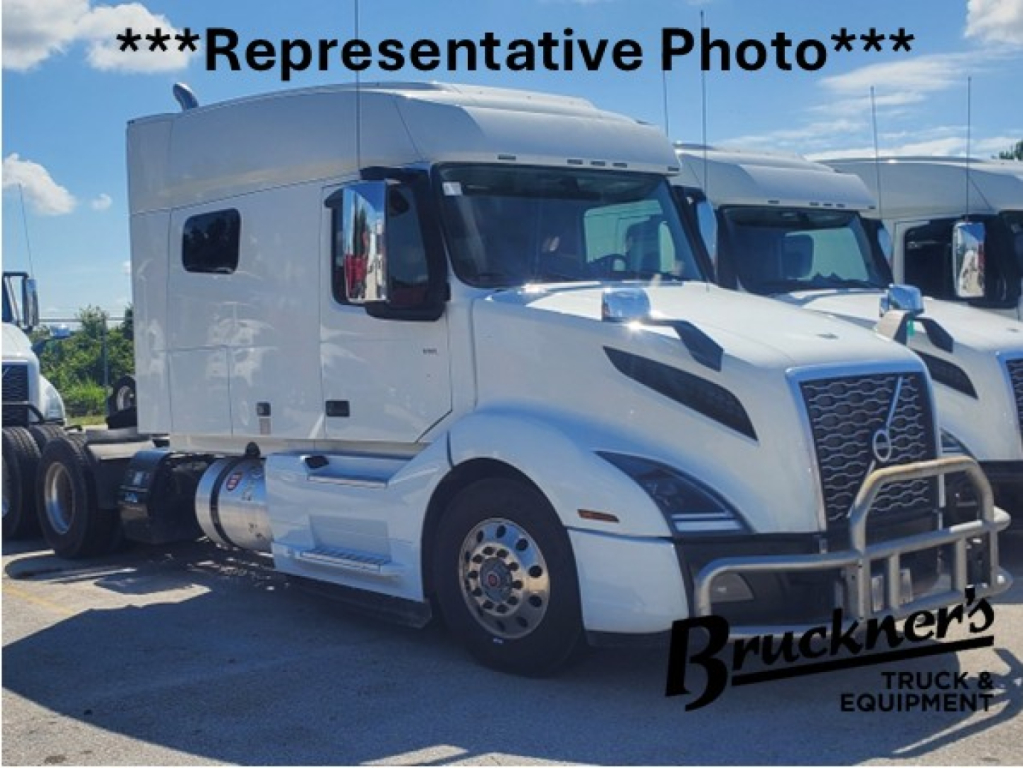
Have 2021 volvo conventional sleeper truck to sell? List it here to reach thousands of buyers.
About 2021 Volvo Conventional Sleeper Trucks in Texas
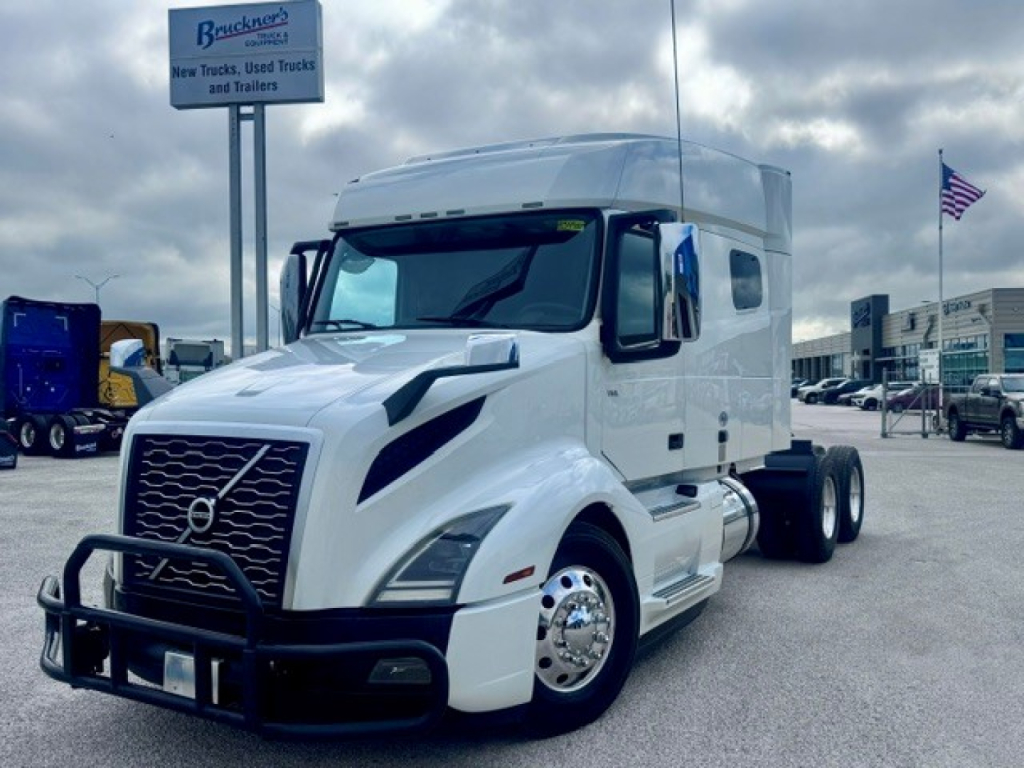
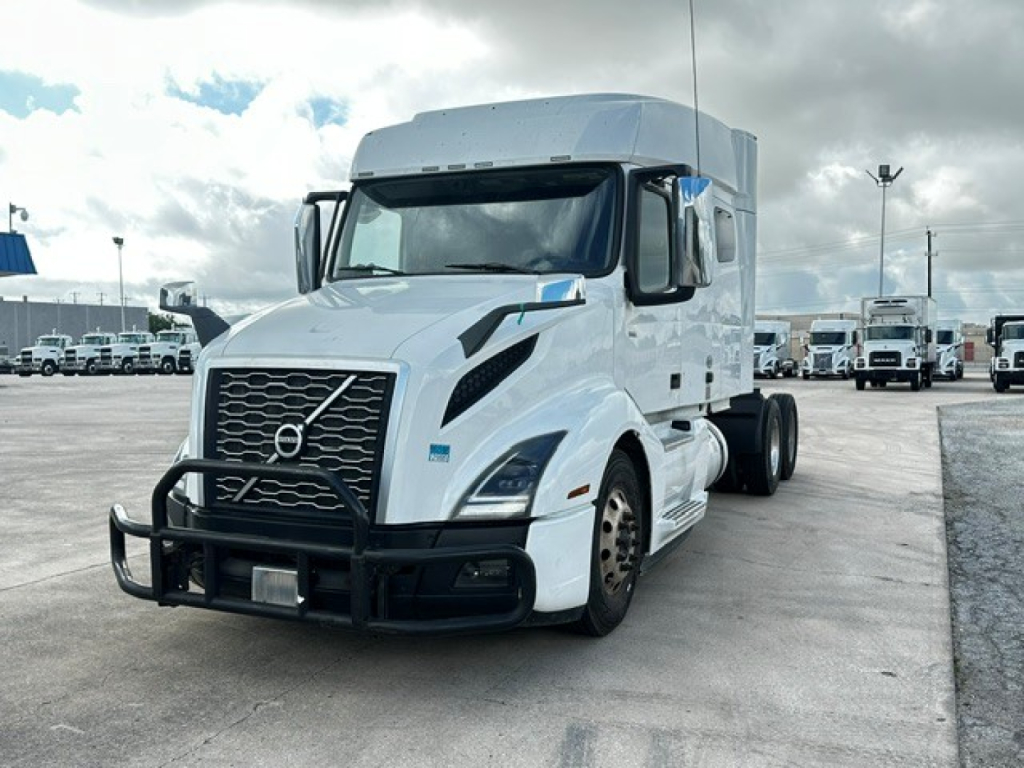
The first buying decision is usually sleeper size and wheelbase. A 2021 Volvo conventional sleeper may be set up with mid-roof or high-roof configurations, with larger sleepers favored for team runs, extended regional work, and long-haul lanes. Buyers should compare bunk layout, cabinet space, inverter prep, and APU or idle reduction equipment, especially if the truck will spend time in states with anti-idling rules. Fuel capacity is another major factor. Many highway-spec VNL sleepers carry enough tank volume for longer intervals between stops, but added fuel and larger sleepers also affect payload, wheelbase, and turning radius. If the truck will pull dry vans or reefers through tight customer yards, wheel cut and overall tractor length deserve a close look.
On the spec side, 2021 Volvo sleeper tractors commonly pair the D13 with horsepower ratings suitable for 80,000-pound GCW work, and many are geared for highway fuel efficiency rather than heavy vocational pulling. The I-Shift remains a key selling point because it reduces driver workload and is generally well regarded for smooth operation in traffic and rolling terrain. Buyers should still verify rear axle ratio, engine brake performance, and suspension setup against the intended application. A truck built for long interstate runs may feel very different from one spec'd for heavier regional freight. It is also smart to check collision mitigation features, adaptive cruise, lane support systems, full disc brakes on some units, and telematics capability, since 2021 trucks often bridge the gap between traditional highway specs and newer safety-focused fleet requirements.
Condition and maintenance history matter as much as the badge on the hood. On a 2021 Volvo conventional sleeper, pay close attention to service records for the aftertreatment system, transmission calibration updates, tires, brakes, and cooling components. Interior wear can tell you a lot about driver turnover and how the truck was treated. A clean sleeper, intact bunk hardware, working HVAC, and well-kept dash electronics usually indicate a better-operated unit. For buyers comparing multiple listings, the best value often comes from matching the truck's exact sleeper, axle, fuel, and safety spec to the lane it will actually run, rather than simply chasing the highest horsepower or the lowest price.
Frequently Asked Questions
What engine and transmission are common in a 2021 Volvo conventional sleeper truck?
Most 2021 Volvo conventional sleeper trucks are equipped with a Volvo D13 diesel engine and the Volvo I-Shift automated manual transmission. This combination is popular in long-haul service because it balances fuel economy, drivability, and driver comfort. Exact horsepower, torque, and gearing can vary, so buyers should confirm the engine rating and rear axle ratio to make sure the truck matches the freight and terrain it will handle.
Is a 2021 Volvo VNL sleeper a good fit for Texas long-haul freight?
A 2021 Volvo VNL sleeper is generally a strong fit for Texas long-haul and regional highway operations. The platform is known for aerodynamic efficiency, a comfortable cab, and a powertrain designed for sustained interstate use. In Texas, where routes often involve high temperatures, long stretches between stops, and heavy traffic around major metros, buyers should pay close attention to cooling system condition, HVAC performance, fuel capacity, and driver-assist features that reduce fatigue.
What should I inspect first on a used 2021 Volvo sleeper tractor?
Start with maintenance records, engine hours, mileage, and aftertreatment service history. Then inspect the DPF, DEF system, transmission operation, engine brake function, suspension, brakes, and tire wear pattern. Inside the cab, check bunk condition, HVAC output, dash electronics, warning lights, and signs of water leaks or excessive wear. A highway tractor can look clean and still have expensive deferred maintenance, so records and a thorough inspection are critical.
How do I choose the right sleeper size on a 2021 Volvo conventional sleeper?
The right sleeper size depends on route length, driver needs, and customer access points. A larger high-roof sleeper offers more room for long-haul or team operations, along with better storage and living space. A smaller or lighter sleeper may make more sense for regional work where the truck returns more often and needs a tighter wheelbase. Buyers should weigh comfort, fuel capacity, total wheelbase, and maneuverability together instead of treating sleeper size as a stand-alone choice.
Are 2021 Volvo sleeper trucks typically equipped with modern safety technology?
Many 2021 Volvo conventional sleeper trucks include safety systems that were becoming standard in larger fleets, including collision mitigation, adaptive cruise control, lane support functions, and in some cases full disc brakes. The exact package depends on how the truck was originally ordered. Buyers should verify the presence and operation of each feature because safety specs can materially affect insurance, driver acceptance, and fleet standardization.