
2013 Volvo Conventional Sleeper Trucks For Sale
Shop 2013 Volvo conventional sleeper trucks. Compare VNL specs, D13 engines, I-Shift options, sleeper sizes, wheelbases, and axle setups.
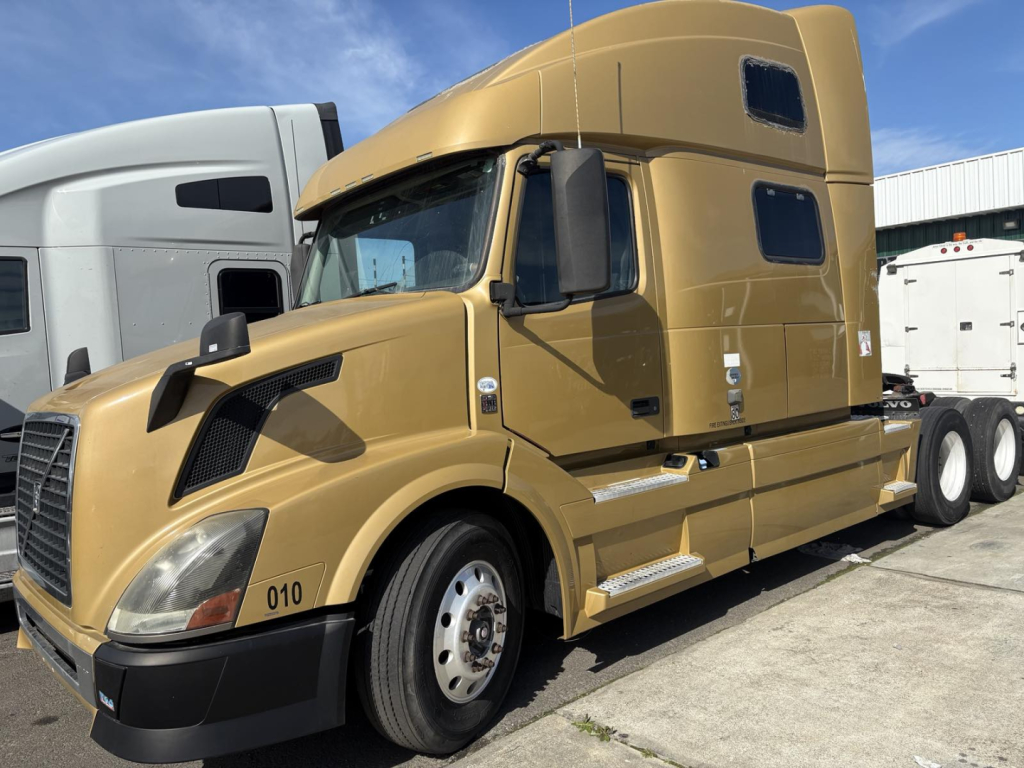
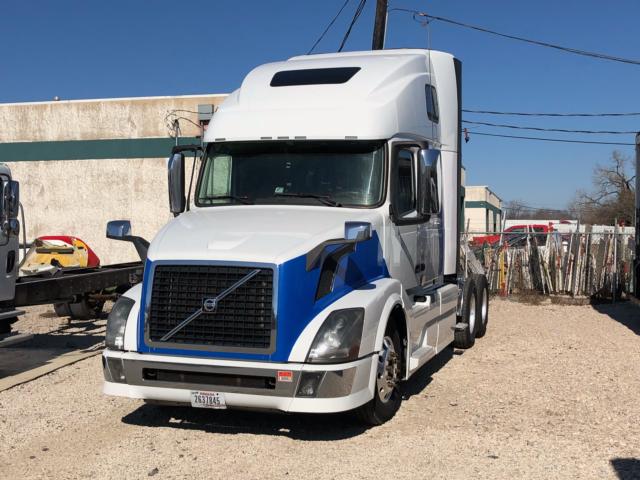

Selling a 2013 volvo conventional sleeper truck? List your 2013 volvo conventional sleeper truck for sale and reach thousands of commercial buyers.
2013 Volvo Conventional Sleeper Trucks
In the 2013 model year, the Volvo D13 is one of the most common engines you will see in a sleeper configuration, often paired with the Volvo I-Shift automated manual or a traditional manual transmission. Horsepower ratings commonly fall in the 405 to 455 hp range, with torque settings selected for fuel mileage or heavier freight. Buyers should pay close attention to emissions system history on 2013 trucks, including DPF service, DEF system condition, fault codes, and any documentation for injector, EGR, or aftertreatment repairs. Rear axle ratings around 38,000 to 40,000 pounds are common, and wheelbase, fifth wheel placement, and fuel capacity can vary widely depending on whether the truck was built for van, reefer, or dedicated lane work.
The sleeper itself matters as much as the drivetrain. Volvo conventional sleepers from this era were often spec'd with mid-roof or high-roof cabs, single or double bunks, cabinets, bunk heaters, and space for inverter or APU setups. A buyer comparing listings should look at roof fairings, cab extenders, air slide fifth wheels, suspension type, and brake spec, along with tire size and wheel material. Long wheelbase highway trucks may offer a smoother ride and larger tanks, while shorter wheelbase sleeper specs can be easier to maneuver in tighter terminals and urban receivers.
A well-matched 2013 Volvo sleeper can still be a productive tractor for dry van, refrigerated, and general freight service if the maintenance history is solid and the spec matches the route. Service records, engine hours, idle time, clutch or transmission work, and signs of corrosion or frame damage deserve close review. Volvo sleeper trucks from this period remain popular because they balance operating efficiency with a cab designed for drivers who spend real time in the truck, not just behind the wheel.
Frequently Asked Questions about 2013 Volvo Conventional Sleeper Trucks
What engine and transmission are common in a 2013 Volvo conventional sleeper truck?
The most common setup in a 2013 Volvo conventional sleeper is a Volvo D13 diesel engine paired with either a Volvo I-Shift automated manual transmission or a traditional manual. Many trucks in this year range were spec'd between 405 and 455 horsepower, with torque and axle ratio chosen around fuel economy, cruising speed, and freight weight. The exact combination matters because it affects drivability, maintenance cost, and how well the truck fits long-haul versus regional work.
What should I inspect first on a 2013 Volvo sleeper before buying?
Start with the emissions system, engine diagnostic history, and maintenance records. On a 2013 truck, buyers should closely check DPF and DEF system service history, EGR components, injector work, fault codes, and any signs of repeated aftertreatment issues. After that, inspect transmission operation, clutch wear if equipped, suspension condition, brake type and remaining life, tire wear patterns, sleeper condition, and evidence of excessive idle time or poor preventive maintenance.
Is a 2013 Volvo conventional sleeper good for over-the-road freight?
Yes, many 2013 Volvo VNL sleeper trucks were built specifically for over-the-road service. They are commonly used in dry van, reefer, and general freight operations because the platform emphasizes aerodynamics, driver comfort, and fuel-conscious highway performance. The best fit depends on the sleeper size, fuel tank capacity, wheelbase, and drivetrain ratio, so the truck should match the trip length, payload profile, and terrain you expect to run.
What sleeper features are common on 2013 Volvo VNL trucks?
Common sleeper features on 2013 Volvo VNL models include single or double bunks, storage cabinets, power inverters, HVAC controls for the bunk area, and aerodynamic high-roof or mid-roof configurations. Some trucks may also have APUs, bunk heaters, refrigerators, upgraded seating, and factory fairings. For many buyers, sleeper livability is a major factor because it affects driver retention, rest quality, and how practical the truck is for multi-day dispatches.
How do axle ratio and wheelbase affect a 2013 Volvo sleeper truck?
Axle ratio and wheelbase have a direct impact on fuel economy, road speed, ride quality, and maneuverability. A faster rear ratio can help reduce engine rpm at highway speeds, while a shorter ratio may better support heavier loads or hillier routes. Longer wheelbases often allow larger fuel capacity and can improve ride quality, but they take more room to turn. Shorter wheelbases are easier around docks and crowded terminals, though they may trade away some storage or tank capacity.