
Used Conventional Sleeper Trucks For Sale in Arizona
Browse used conventional sleeper trucks in Arizona. Compare cab sizes, powertrains, emissions systems, mileage, and long-haul specs.
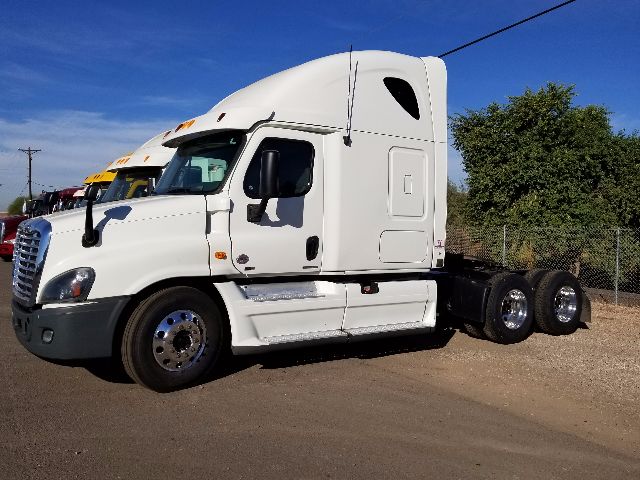
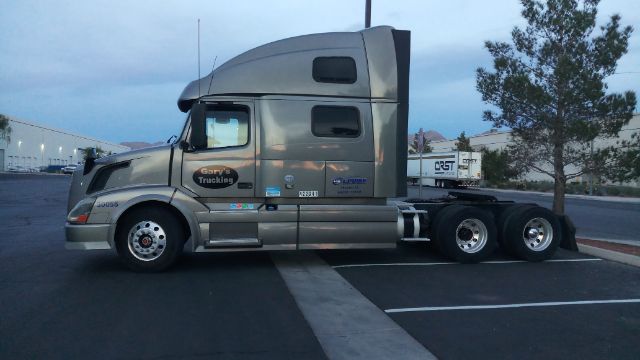

Have used conventional sleeper truck to sell? List it here to reach thousands of buyers.
Used Conventional Sleeper Trucks in Arizona
Sleeper size and cab layout matter more than many first-time buyers expect. Common configurations range from mid-roof and short sleeper setups to full high-roof cabs with 72-inch to 80-inch sleepers, double bunks, built-in storage, and space for refrigerator and inverter installations. For long-haul work, buyers usually focus on wheelbase, fuel capacity, fairing condition, and axle ratio because those specs directly affect ride quality, payload flexibility, and fuel economy. Tandem axle 6x4 tractors remain the standard, though some fleets target 6x2 spec units for lighter freight and better efficiency. Transmission choice is usually between automated manuals and older manual gearboxes, with the used market now heavily weighted toward automated transmissions.
Engine and emissions spec should be checked closely on any used conventional sleeper. Popular engines in this class include the Detroit DD13 and DD15, Cummins X15 and ISX variants, Paccar MX-13, and Volvo D13. Buyers should look beyond horsepower and review service history on the DPF, SCR, EGR system, turbocharger, one-box aftertreatment, and injector or overhead work where applicable. Arizona operation also makes radiator condition, charge air cooler integrity, fan clutch performance, and A/C output especially important. A truck that idles excessively or has inconsistent regen history can become expensive quickly, even if it presents well cosmetically.
The best used conventional sleeper truck is the one matched to lane, freight, and maintenance budget. An owner-operator pulling dry van coast to coast may want a fuel-efficient aero spec with a tall sleeper, while a heavier application may justify a different wheelbase, suspension rating, or power package. Buyers should also inspect frame condition, fifth wheel wear, kingpin release operation, tire wear patterns, bunk condition, cab mounts, and electronic fault history before comparing price alone. A well-specced sleeper tractor with documented maintenance, healthy emissions components, and a cab layout that fits the job will usually outperform a cheaper truck that needs immediate downtime.
Frequently Asked Questions about Used Conventional Sleeper Trucks in Arizona
What should I look for first when buying a used conventional sleeper truck?
Start with maintenance records, engine hours, mileage, fault codes, and emissions system history. On a sleeper tractor, the expensive failures are often in the aftertreatment system, cooling system, transmission actuator components, and sleeper HVAC equipment rather than in obvious cosmetic areas. Confirm the truck's axle ratio, wheelbase, sleeper size, and fuel capacity fit your operation before focusing on price.
Which engines are common in used conventional sleeper trucks?
Most used conventional sleeper trucks are powered by the Detroit DD15, Cummins ISX or X15, Paccar MX-13, and Volvo D13, with some smaller-displacement options in fleet specs. Each has different service considerations, but the main issue is not brand alone. Buyers should verify oil change intervals, injector and turbo history, DPF and SCR service, coolant quality, and any record of repeated regen or check engine problems.
Are automated manual transmissions a good choice in a used sleeper truck?
Yes, automated manuals dominate the late-model sleeper market and can be a strong choice if they have been maintained properly. They reduce driver fatigue, are widely accepted by fleets, and can improve consistency in fuel economy. The key is to inspect clutch wear data, calibration history, software updates, and any record of shift actuator or transmission control problems.
Why does Arizona matter when shopping for a used sleeper truck?
Arizona heat puts extra stress on cooling packages, air conditioning systems, batteries, hoses, charge air coolers, and aftertreatment components. A truck that runs well in mild weather may reveal overheating, weak cab cooling, or frequent regen issues in desert conditions. Buyers in Arizona should pay close attention to radiator cleanliness, fan operation, coolant leaks, and sleeper bunk HVAC performance.
How important is sleeper size on a conventional road tractor?
Sleeper size affects driver comfort, storage, resale appeal, and how suitable the truck is for solo or team operations. A larger high-roof sleeper usually works better for long-haul freight, while a smaller sleeper can be adequate for shorter regional lanes with occasional overnight stays. The right choice depends on time on the road, available amenities, and how much interior space the operation actually needs.