
Used 2023 Conventional Sleeper Trucks For Sale in Pennsylvania
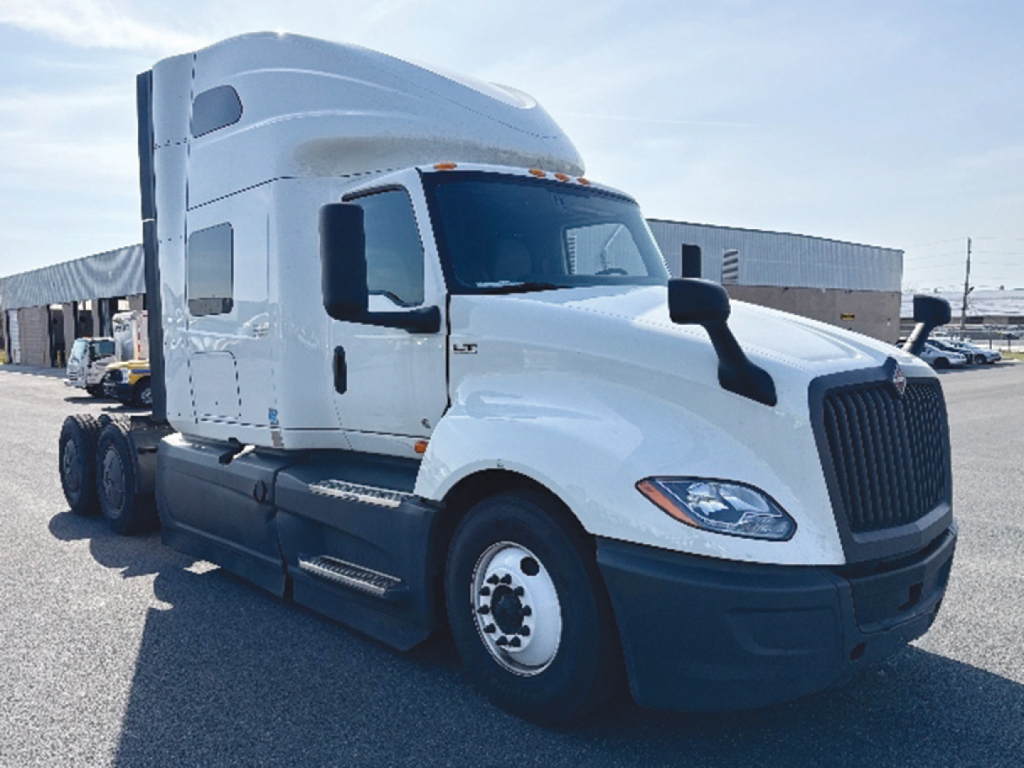
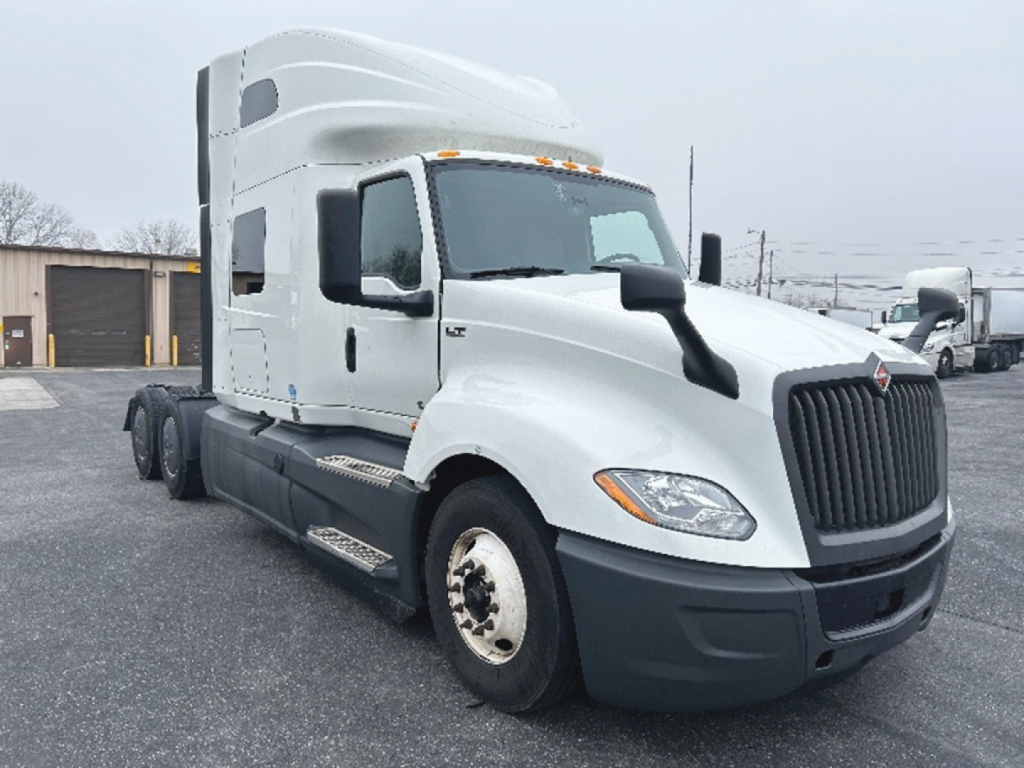
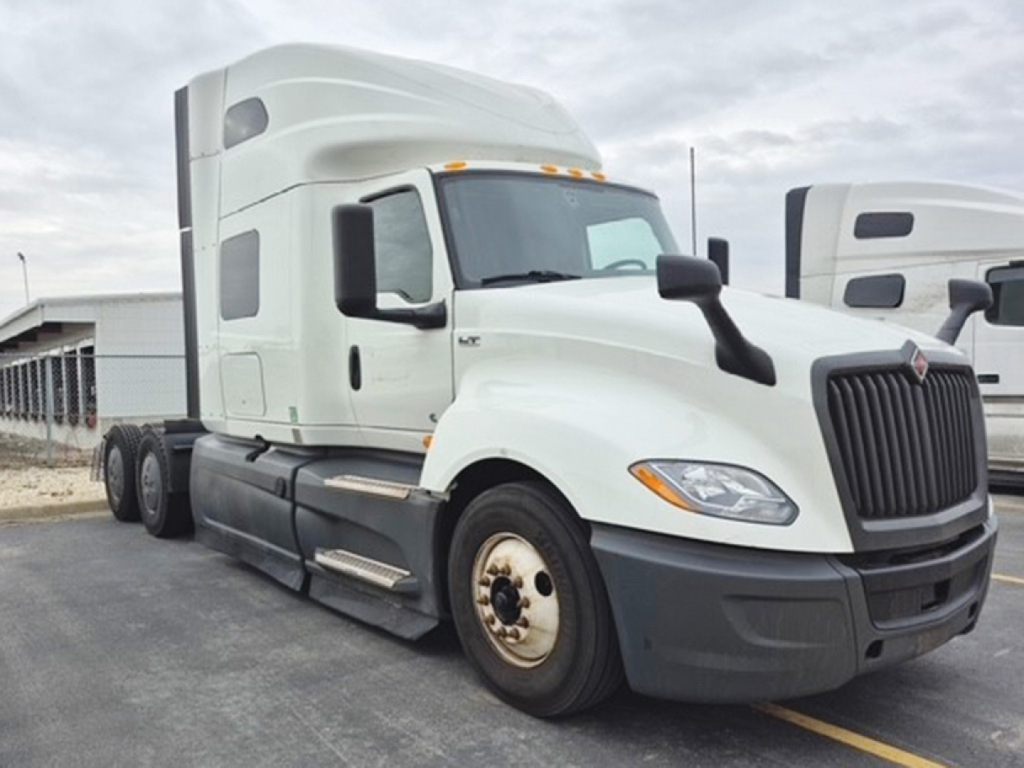
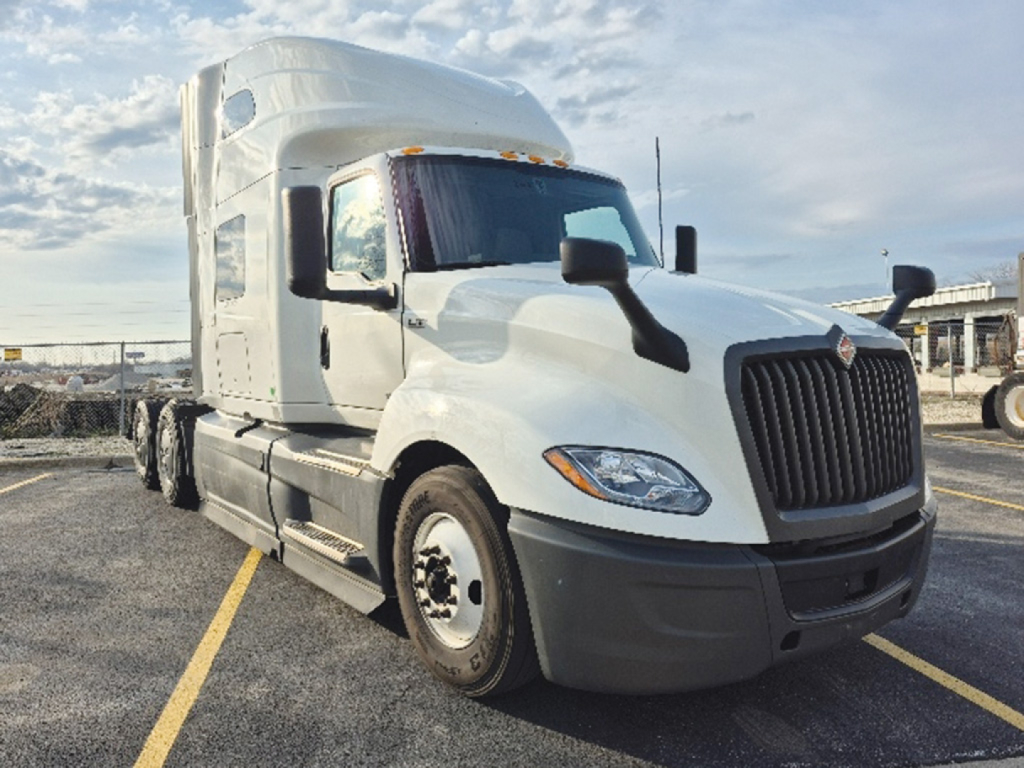
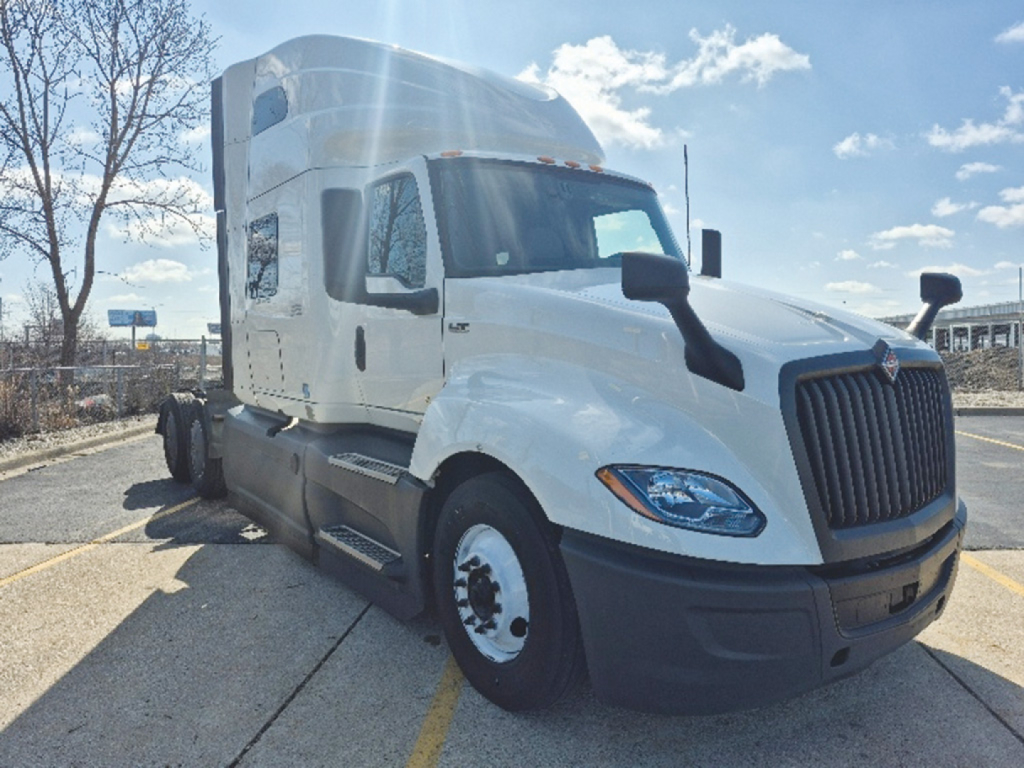
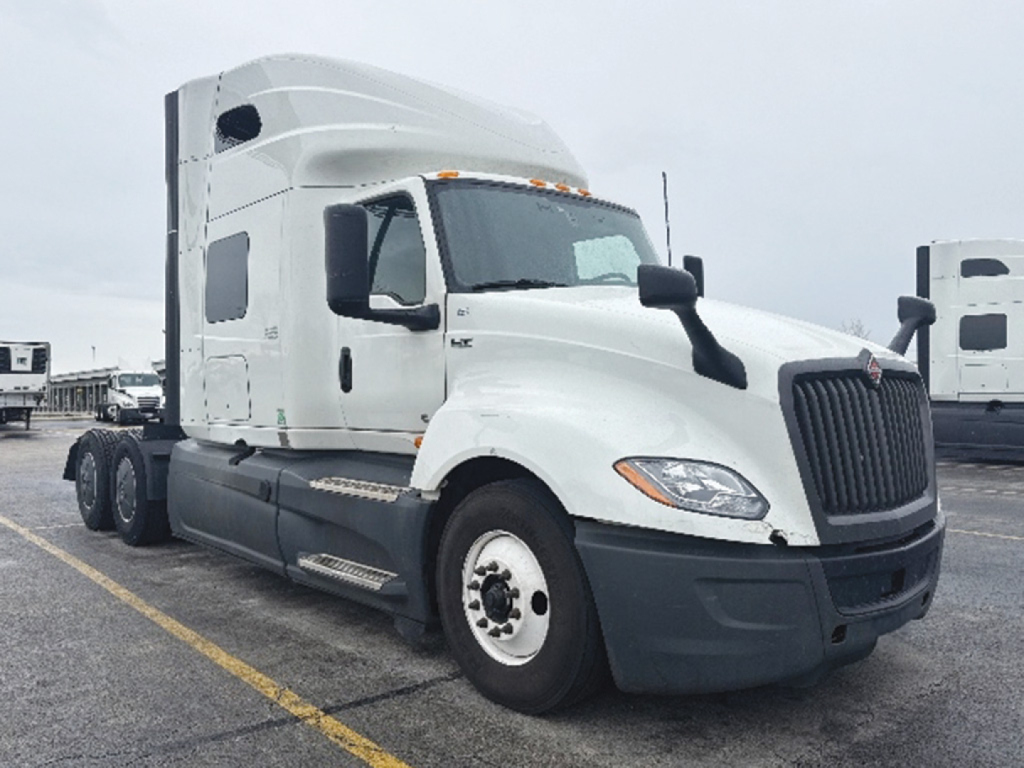
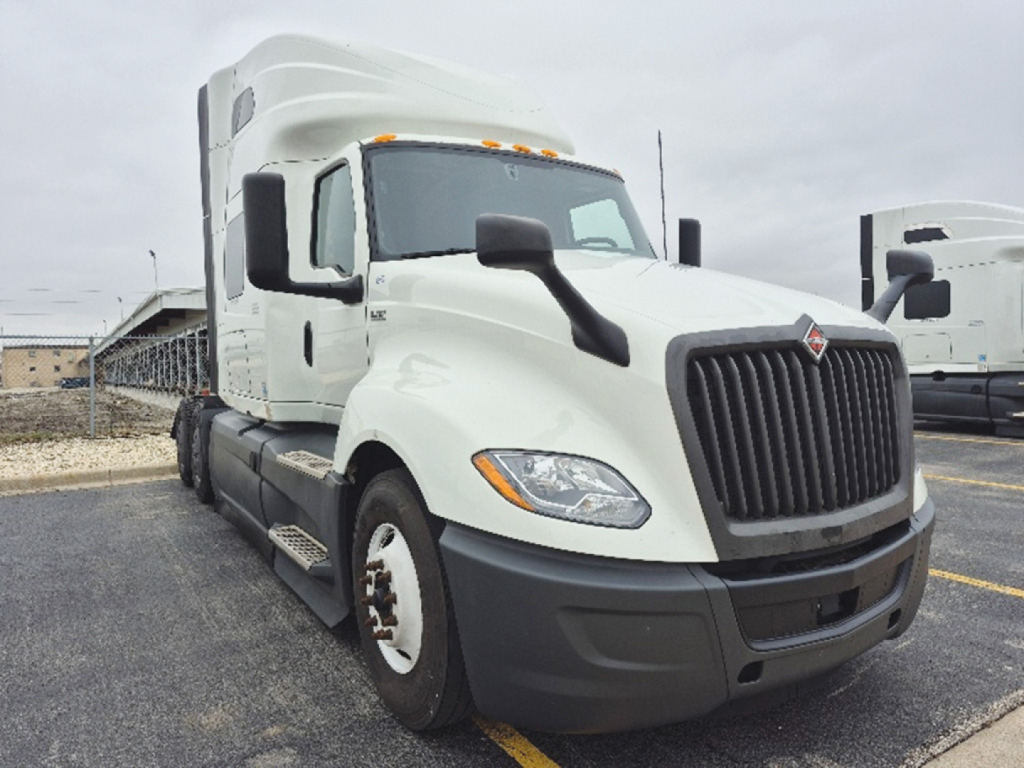
Have used 2023 conventional sleeper truck to sell? List it here to reach thousands of buyers.
Used 2023 Conventional Sleeper Trucks in Pennsylvania
The main buying decisions usually come down to powertrain, sleeper size, wheelbase, and rear axle ratio. A typical 2023 conventional sleeper will have a 13-liter to 15-liter diesel such as a Cummins X15, Detroit DD15, or PACCAR MX-13, usually in the 450 to 455 horsepower range with an engine brake. Automated transmissions are standard on many late-model fleet trucks because they improve driver consistency and reduce clutch-related wear. Rear axle ratios like 2.64 or 3.08 are common on fuel-economy highway specs, while wheelbases in the low-220s to high-230s help determine trailer gap, ride quality, and maneuverability at tight docks or service plazas.
Sleeper configuration matters more than many buyers expect. Common setups include 72-inch to 80-inch raised-roof sleepers with upper bunks, bunk heaters, refrigerators, and more storage for teams or extended trips. Look closely at the fifth wheel setup, especially if the truck has an air-slide fifth wheel for varying trailer bridge settings or a stationary fifth wheel for a more fixed operation. Disc brakes, collision mitigation systems, side fairings, cab extenders, aluminum wheels, and dual aluminum fuel tanks are all features that can improve safety, efficiency, and resale appeal in this model year.
For a buyer comparing listings, the best value is often found by matching the truck's spec to the lane, not just the price. A Pennsylvania operation running heavy freight through the Appalachians may prioritize engine brake performance, tire condition, and service history over the tallest sleeper. A carrier focused on long, flat highway miles may put more weight on aero package condition, rear ratio, and fuel capacity. On used 2023 conventional sleeper trucks, pay close attention to aftertreatment maintenance records, transmission calibration history, idle hours, ADAS components, and signs of fairing or hood damage that can affect both operating cost and uptime.
Frequently Asked Questions about Used 2023 Conventional Sleeper Trucks in Pennsylvania
What is a conventional sleeper truck?
A conventional sleeper truck is a Class 8 highway tractor with the engine mounted in front of the cab and a built-in sleeping compartment behind the driver area. It is the standard configuration for over-the-road freight because it offers better service access, strong highway stability, and enough living space for multi-day runs. In the used market, this category typically includes aerodynamic fleet tractors with high-roof sleepers, tandem drive axles, and diesel engines in the 13-liter to 15-liter range.
What specs are common on used 2023 conventional sleeper trucks?
Common specs on used 2023 conventional sleeper trucks include 72-inch to 80-inch sleepers, automated manual transmissions, 450 to 455 horsepower engines, 40,000-pound rears, and aerodynamic exterior packages with side fairings and cab extenders. Many late-model trucks also include engine brakes, dual aluminum fuel tanks, collision mitigation systems, disc brakes, and air-slide fifth wheels. Rear axle ratios such as 2.64 and 3.08 are frequent on highway fuel-economy specs.
Is a 2.64 or 3.08 rear axle ratio better in a sleeper tractor?
Neither ratio is universally better because the right choice depends on route profile, gross weight, and cruising speed. A 2.64 ratio is often selected for long highway runs where fuel economy is the priority and the truck spends most of its time at steady road speed. A 3.08 ratio can offer a better balance for mixed terrain, heavier loads, and routes that include more grade changes or lower-speed pulling. The best ratio is the one matched to the engine torque curve, transmission gearing, and the freight the truck will actually haul.
What should I inspect first on a used 2023 sleeper truck?
Start with maintenance records, engine and aftertreatment history, transmission fault history, tire condition, brake wear, and signs of collision or fairing damage. On a late-model sleeper tractor, electronic systems matter as much as mechanical condition, so buyers should verify the operation of collision mitigation, cruise control, HVAC, bunk systems, and dash warning diagnostics. Idle hours are also important because a truck with low road miles but high idle time may show more engine wear than the odometer suggests.
Why are conventional sleeper trucks popular in Pennsylvania?
Conventional sleeper trucks are popular in Pennsylvania because they fit the state's mix of long-haul freight, warehouse distribution, port-related moves, and mountain driving. Buyers often need a truck that can run efficiently on interstates while still handling grades, winter weather, and dense terminal traffic. A late-model conventional sleeper with an engine brake, aerodynamic package, and proper axle ratio can cover that range of work without giving up driver comfort or highway efficiency.