
Used 2022 Conventional Sleeper Trucks For Sale in Washington
Shop used 2022 conventional sleeper trucks in Washington. Compare aero specs, sleeper sizes, drivetrain options, and PNW-ready configurations.
Learn more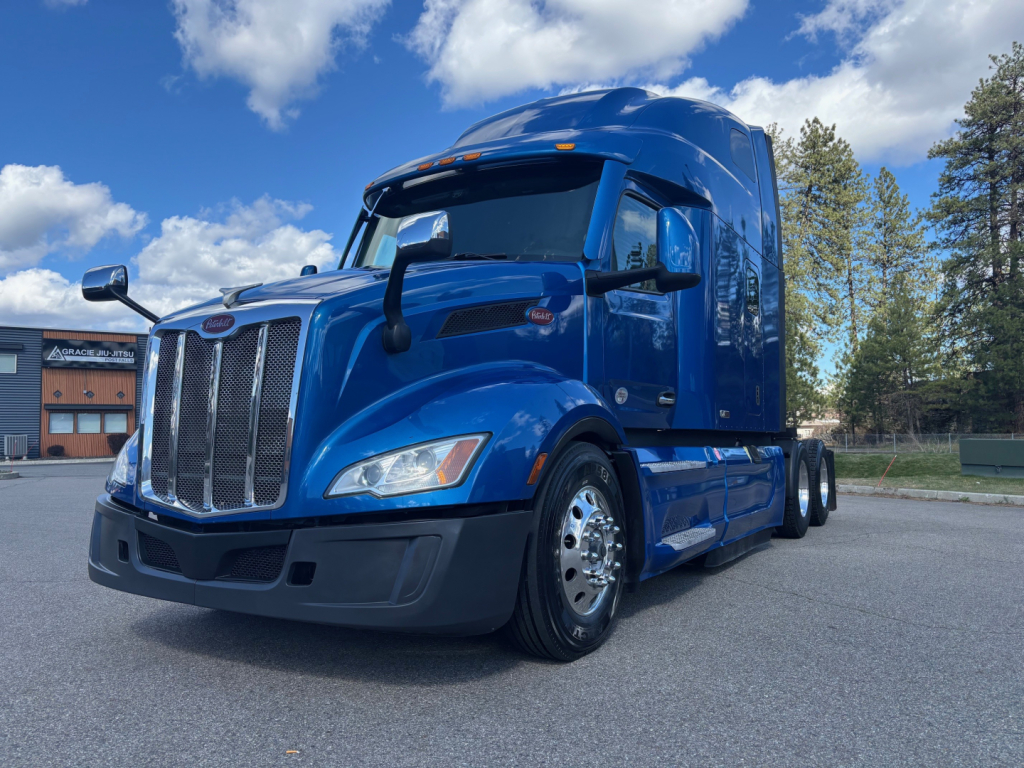
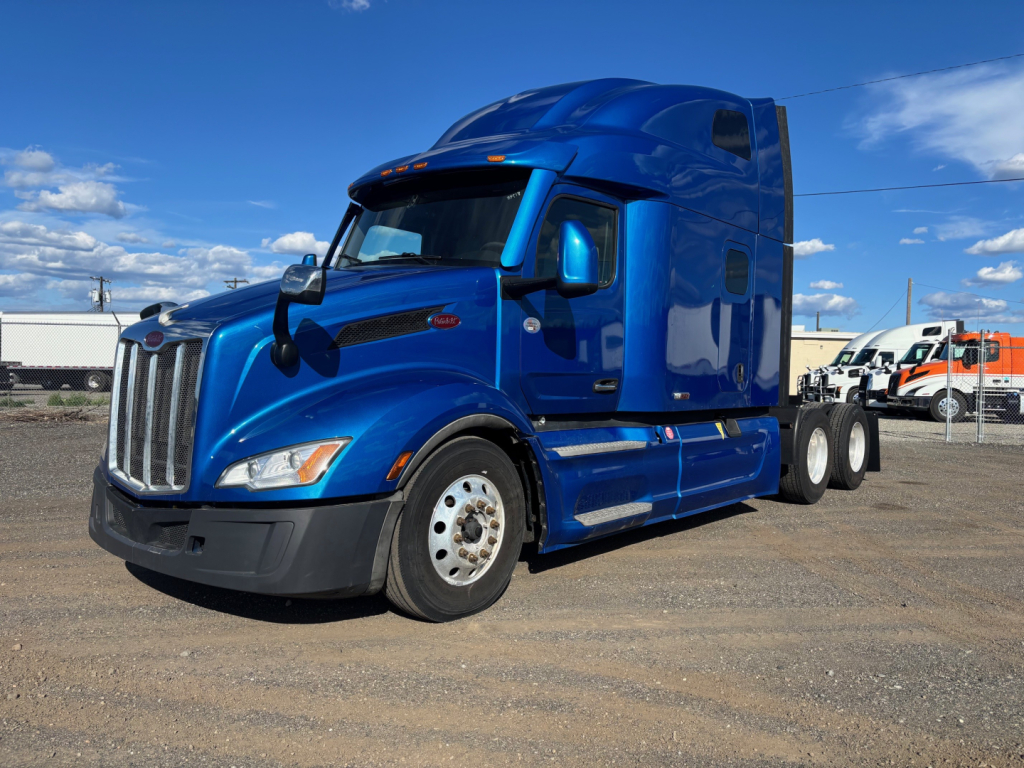
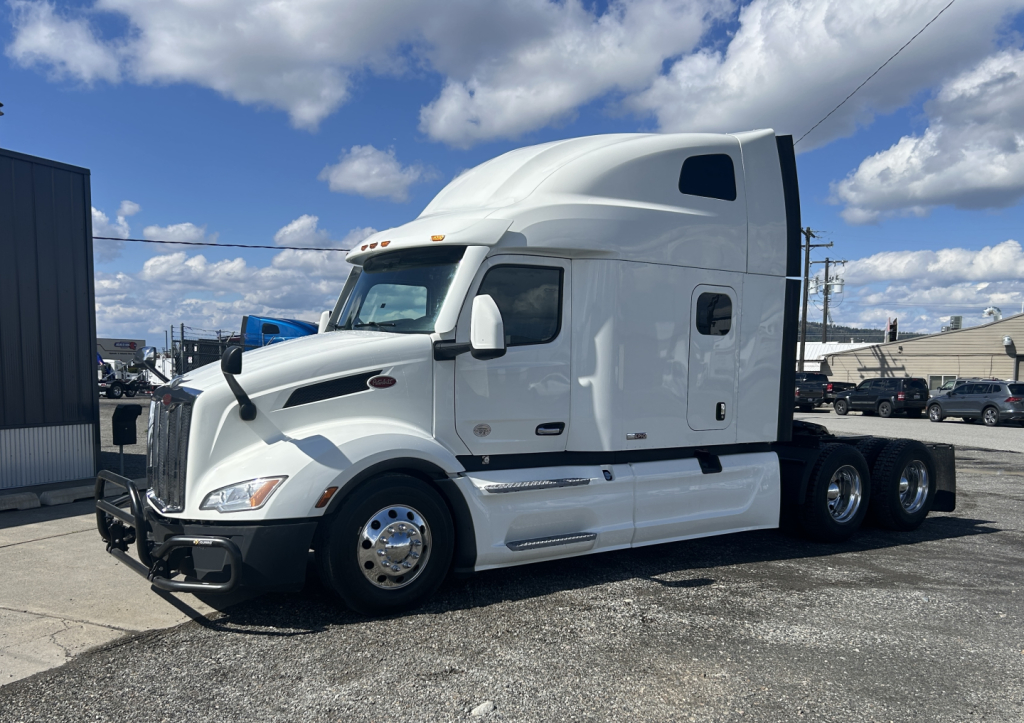
Have used 2022 conventional sleeper truck to sell? List it here to reach thousands of buyers.
About Used 2022 Conventional Sleeper Trucks in Washington
The biggest buying decisions usually come down to engine, transmission, axle layout, and sleeper configuration. Common engines in this class include Detroit DD13 and DD15 platforms, Cummins X15, and sometimes PACCAR MX-series depending on make. Most 2022 conventional sleepers on the market are spec'd with automated manual transmissions, typically a 12-speed, which helps with fuel economy, driver onboarding, and consistency across mixed routes. Pay close attention to rear axle ratio, wheelbase, and GVWR or GCWR, especially if the truck will run heavy freight, mountain grades, or specialized regional work. In Washington and across the Pacific Northwest, a lift axle can be a useful spec on certain applications, and buyers should also consider how the truck is geared for I-90, Snoqualmie Pass, and other elevation-heavy corridors.
Sleeper size and cab equipment matter more than many buyers expect. Mid-roof and raised-roof sleepers are common, with layouts designed around solo long-haul drivers, team operations, or multi-day regional routes. Look at bunk width, cabinet space, refrigerator prep, inverter setup, parking heater, APU provisions, and idle management systems. On the chassis side, practical details like fairings, collision mitigation, adaptive cruise, lane departure warning, aluminum wheels, disc brakes, and tire inflation systems can affect both operating cost and driver satisfaction. For used trucks, condition matters as much as spec. Review maintenance history, aftertreatment service, clutch and transmission calibration records on AMTs, tire wear patterns, suspension condition, and signs of prior body or frame repair.
For Washington buyers, corrosion exposure, wet-climate sealing, and tread depth deserve a close look, particularly on tractors that have spent time in mountain service or on winter routes. A good 2022 conventional sleeper should balance fuel efficiency, uptime, and resale value while matching the freight it is expected to pull. The right truck for dry van linehaul may not be the right truck for reefer work, heavy regional lanes, or operations that need extra traction, pusher capacity, or stronger vocational crossover capability. The smartest comparison is not just make versus make. It is complete spec versus actual route, trailer, payload, and driver requirement.
Frequently Asked Questions
What should I look for first when buying a used 2022 conventional sleeper truck?
Start with the truck's full operating spec, not just the badge on the hood. Engine model, transmission type, rear axle ratio, sleeper size, wheelbase, and maintenance history will tell you more about fit than make alone. On a 2022 model, it is also important to review emissions system service records, fault history, software updates, and any collision mitigation or ADAS calibration work. A truck that matches your trailer type, average gross weight, and terrain will usually outperform a better-known model with the wrong gearing or axle setup.
Are automated manual transmissions standard in 2022 conventional sleeper trucks?
They are very common in this model year and have become the default spec in many fleet and owner-operator applications. AMTs improve shift consistency, help protect driveline components, and usually support better fuel economy than many manual setups in mixed-driver operations. They also reduce training time for newer drivers. When buying used, verify clutch life, transmission calibration history, and whether the truck has had any drivability or shift actuator issues addressed.
Which sleeper truck specs matter most for Washington and Pacific Northwest operation?
Powertrain gearing, traction, and route suitability matter most in the Pacific Northwest. Trucks that regularly cross mountain grades benefit from the right horsepower and torque rating, a sensible rear axle ratio, strong engine braking, and cooling capacity that can handle elevation and long pulls. Wet-weather traction, tire condition, and any lift axle or axle spread configuration should also be evaluated carefully. If the truck will spend time on I-90, US-2, or regional mountain corridors, a highway fuel-mileage spec may need to be balanced against grade performance and durability.
How important is the sleeper size on a used conventional sleeper truck?
Sleeper size directly affects driver comfort, storage, and how the truck fits the job. A smaller sleeper can work well for regional haul or shorter overnights, while a larger raised-roof sleeper is usually better for over-the-road schedules, team driving, or extended time away from home. Buyers should look beyond the published bunk size and check practical details such as cabinet layout, inverter capacity, HVAC performance, bunk restraints, and provisions for a refrigerator or APU. Those features influence retention and day-to-day livability more than exterior dimensions alone.
What maintenance items are most important on a used 2022 sleeper tractor?
Focus on aftertreatment health, engine service intervals, transmission operation, suspension wear, brakes, and tires. A 2022 truck should also be checked for DEF system performance, DPF cleaning or replacement history, coolant system condition, and any active or stored fault codes. Uneven tire wear can point to alignment, suspension, or axle issues. Service documentation is especially valuable because it shows whether the truck has been maintained proactively or only repaired when problems appeared.