
Used 2020 Conventional Sleeper Trucks For Sale in Florida
Browse used 2020 conventional sleeper trucks in Florida with specs, sleeper options, drivetrain details, and long-haul buying insights.
Learn more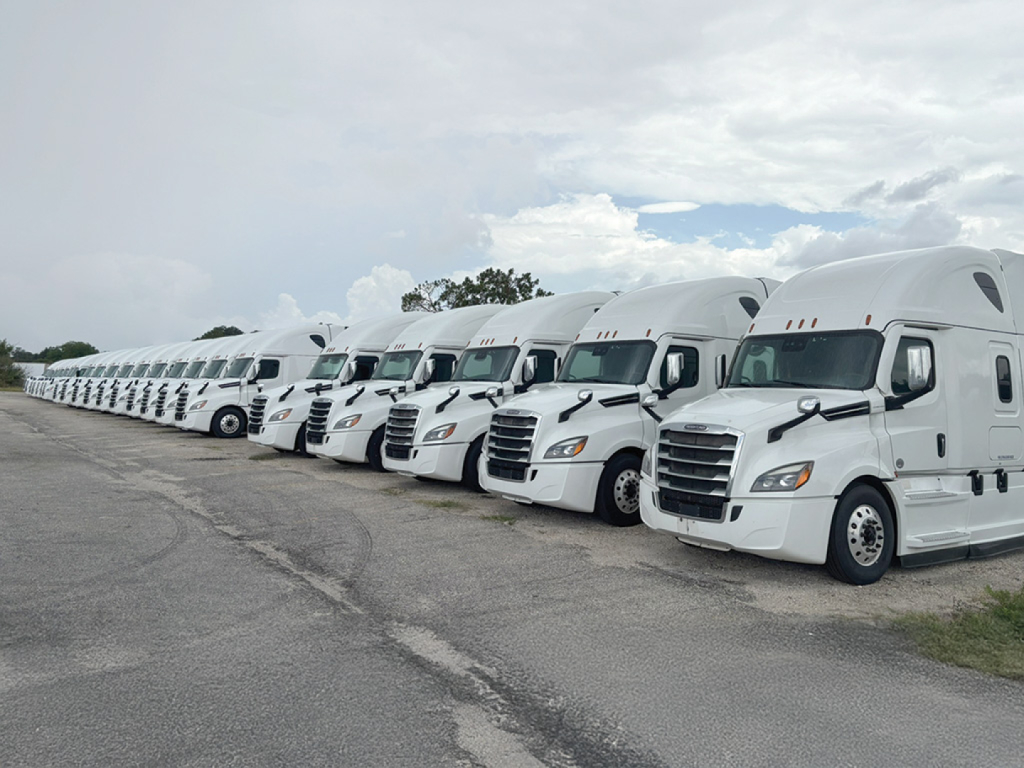
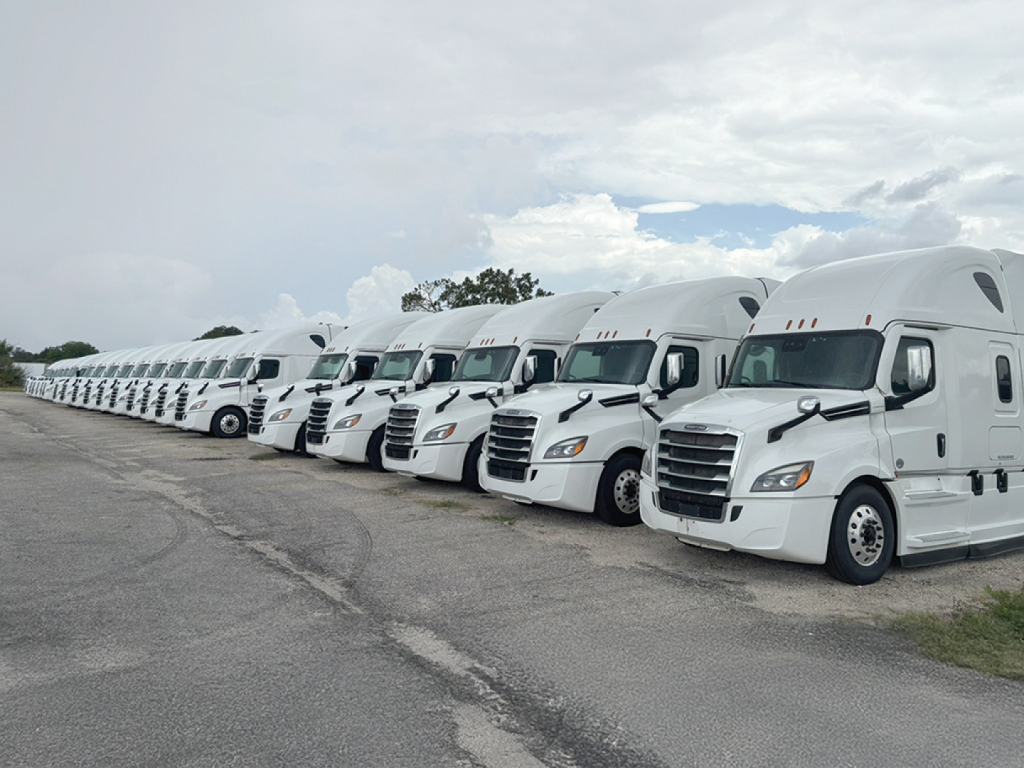
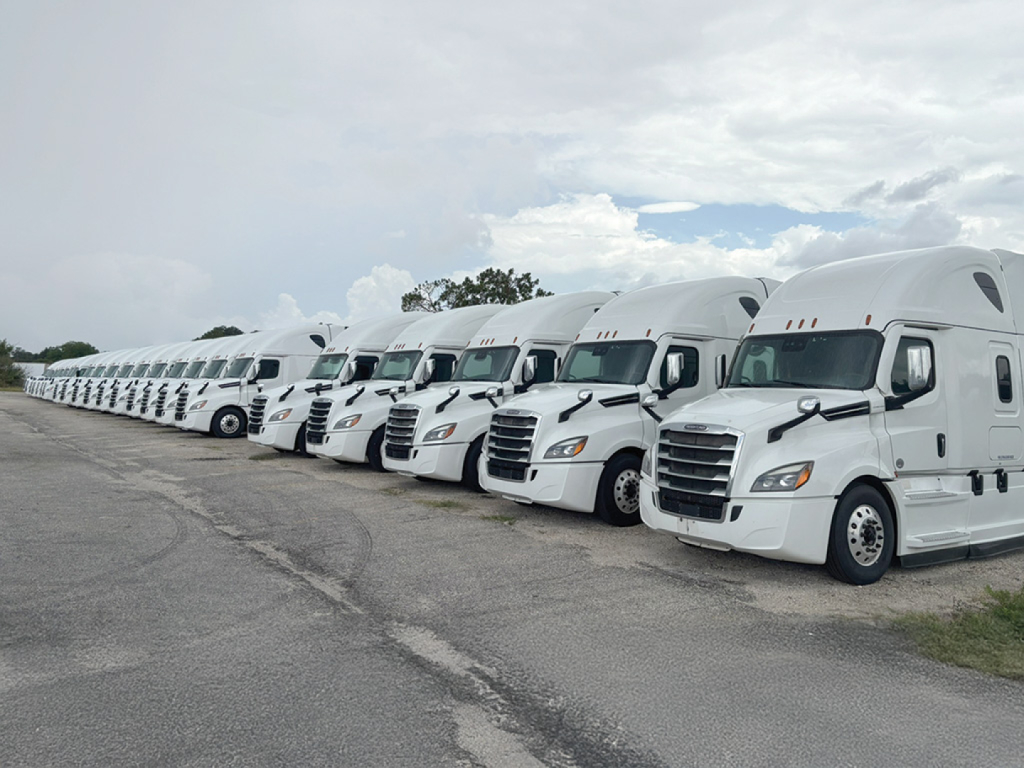
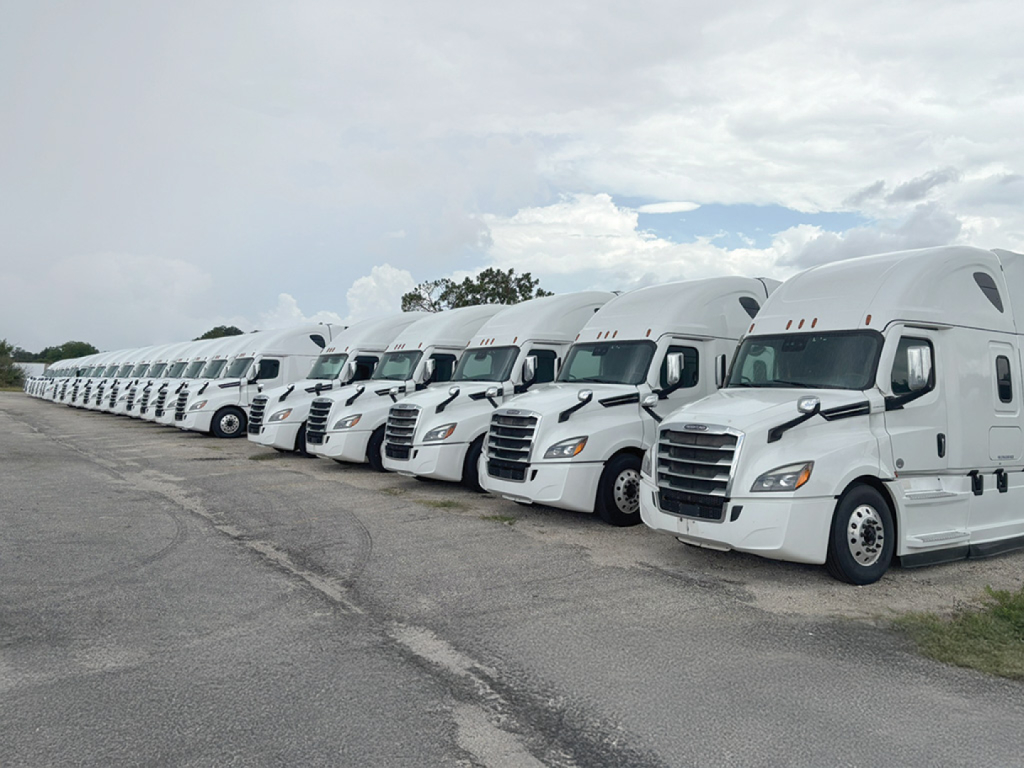
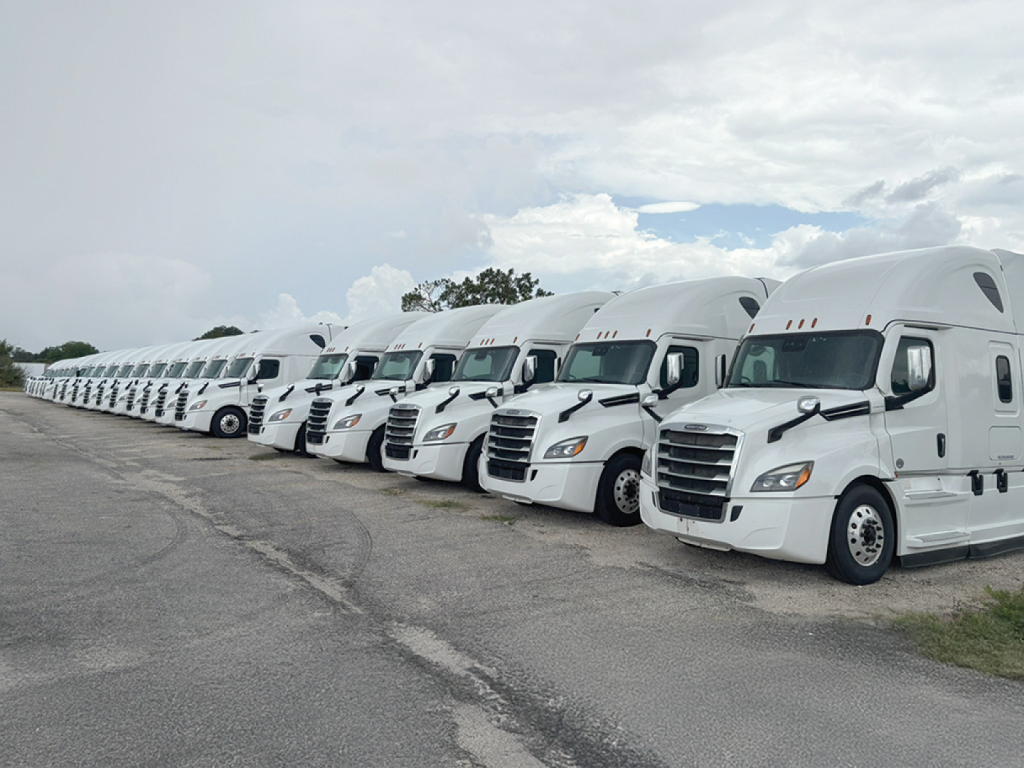
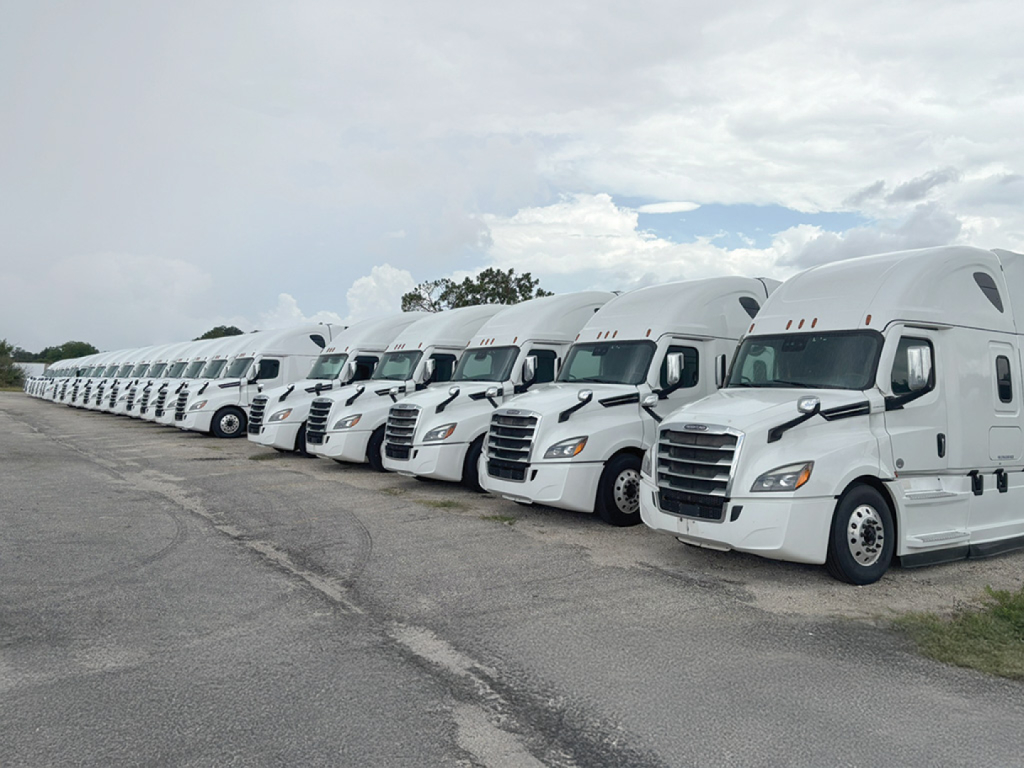
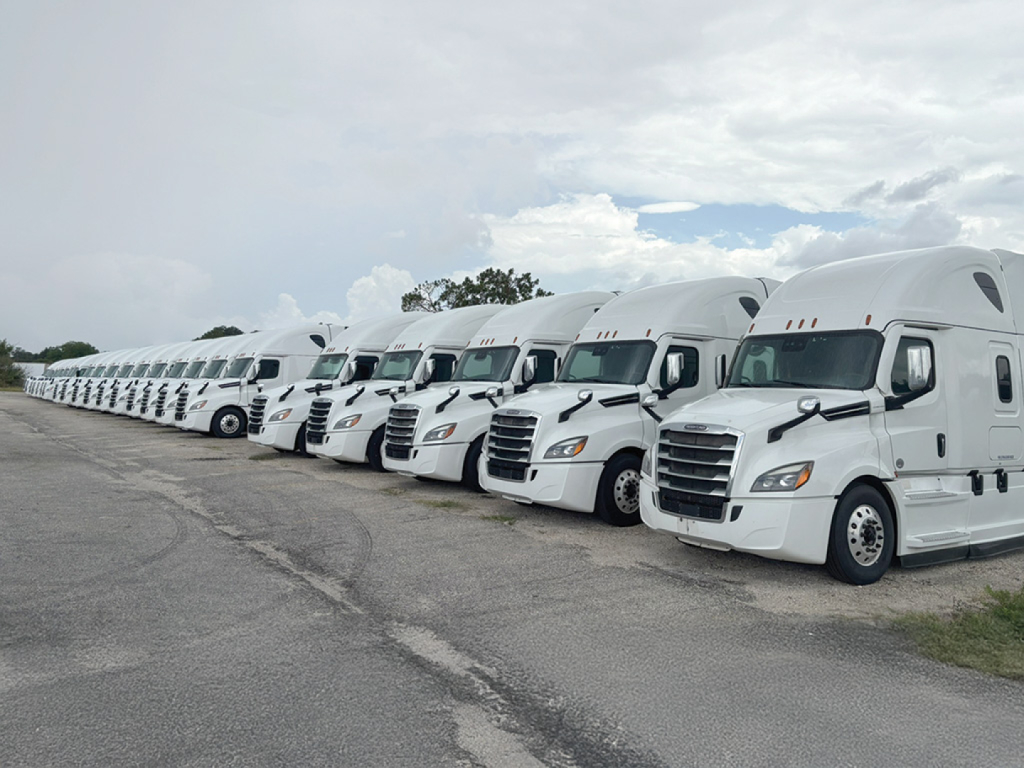
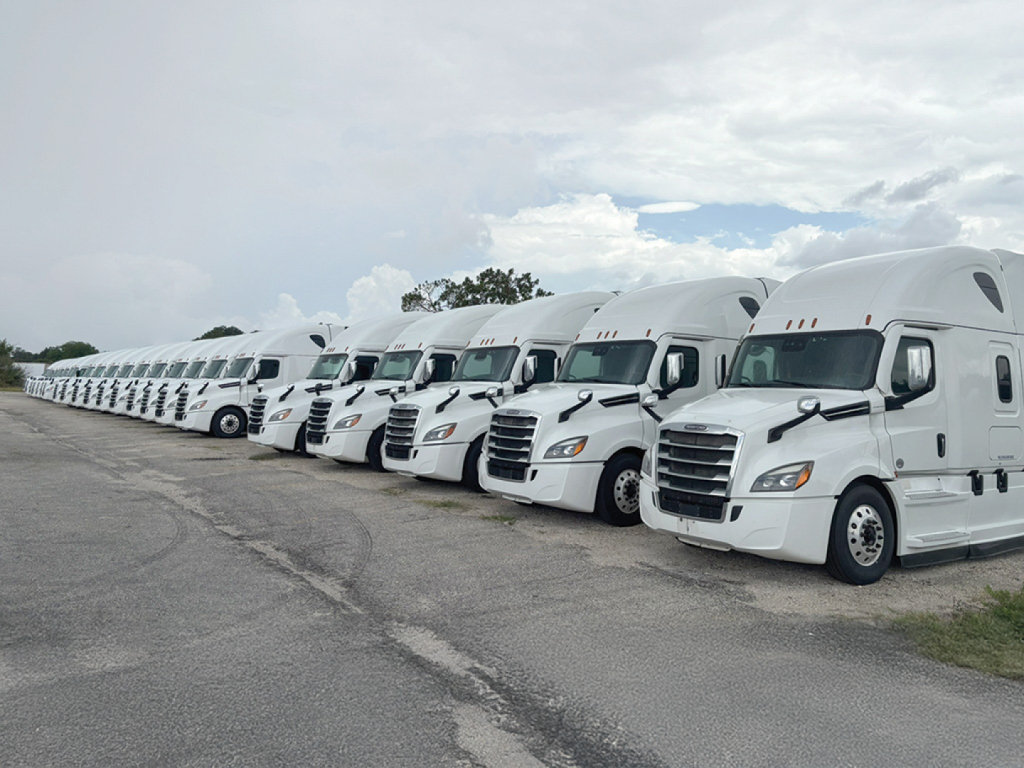
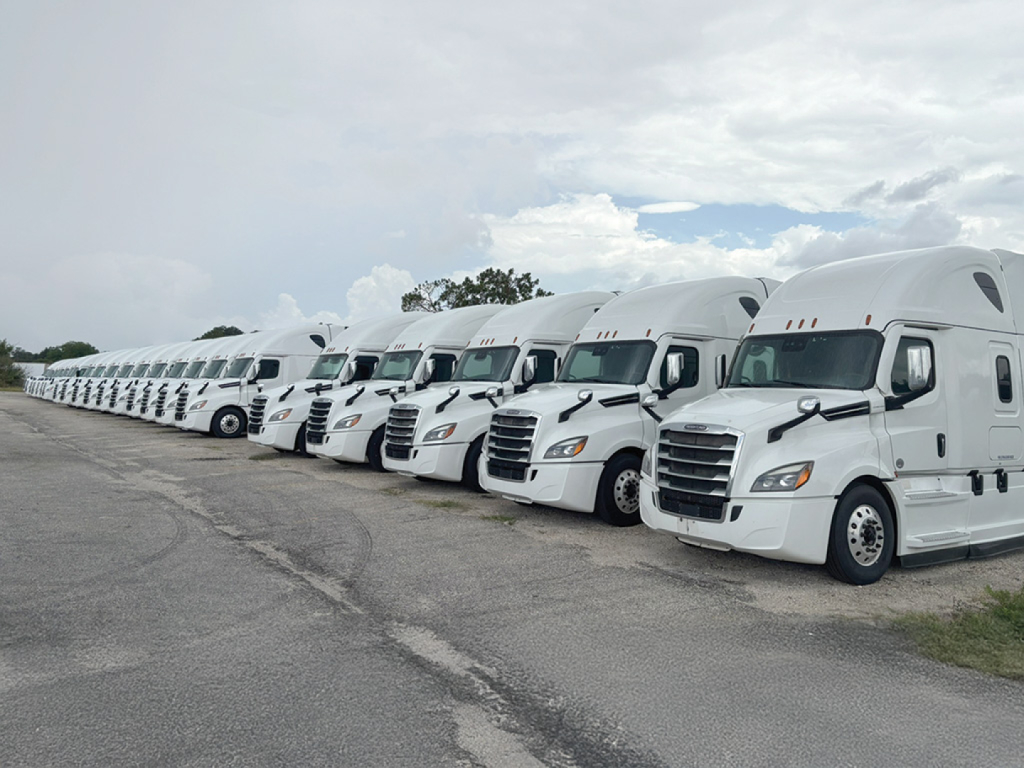
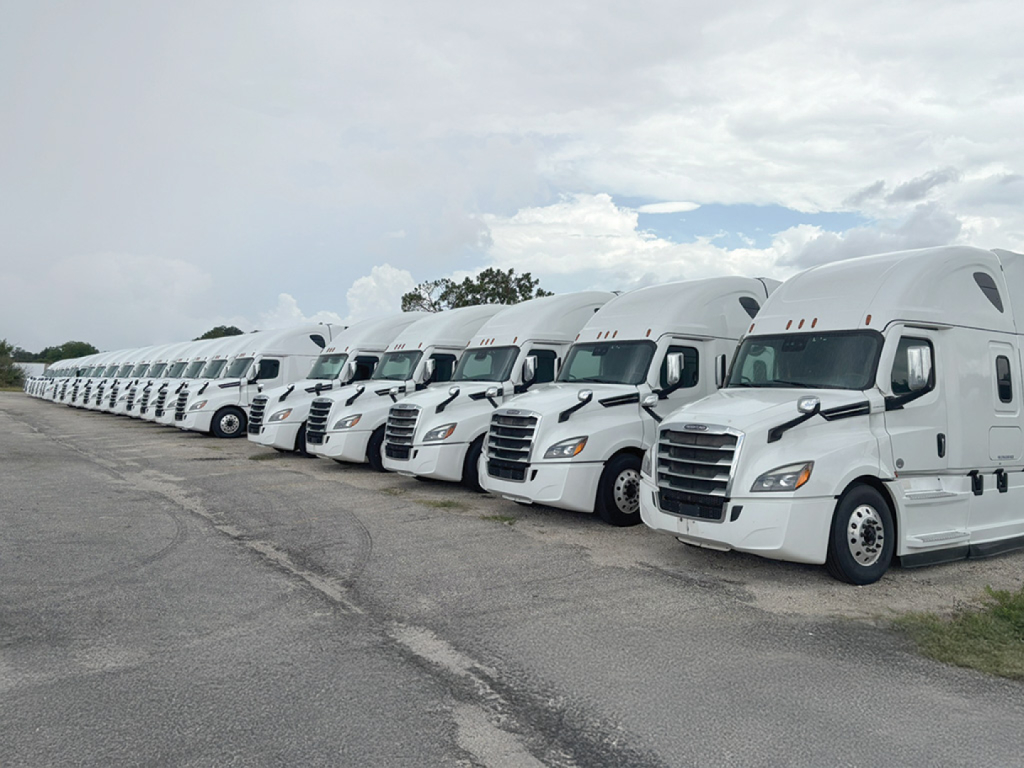
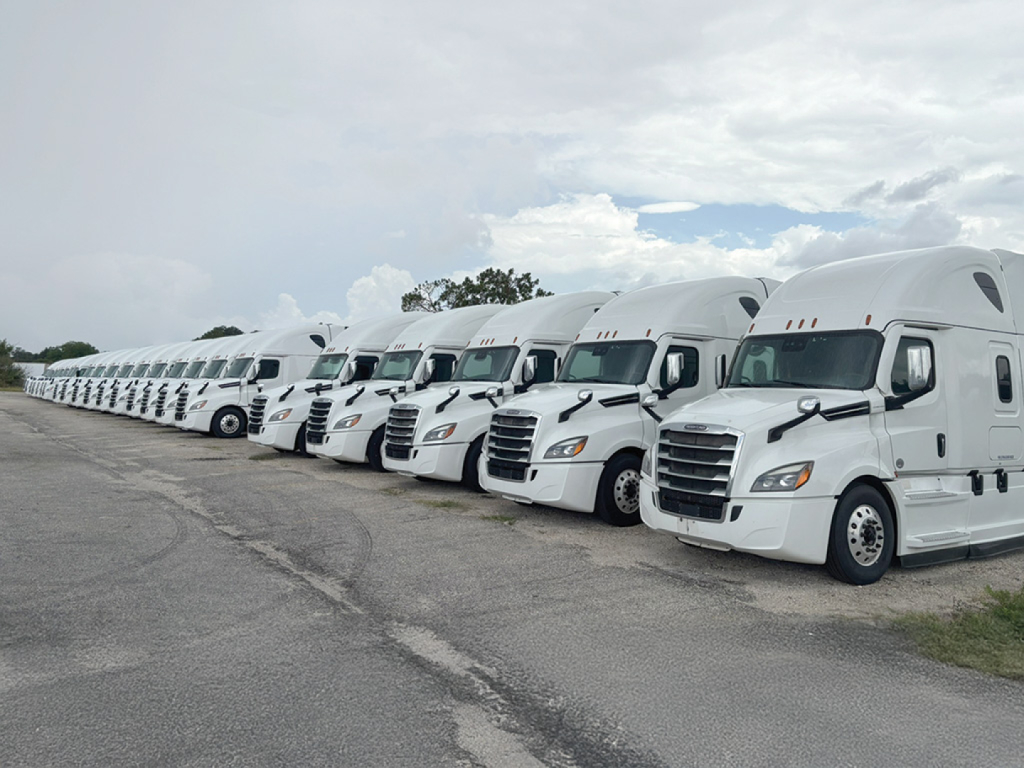
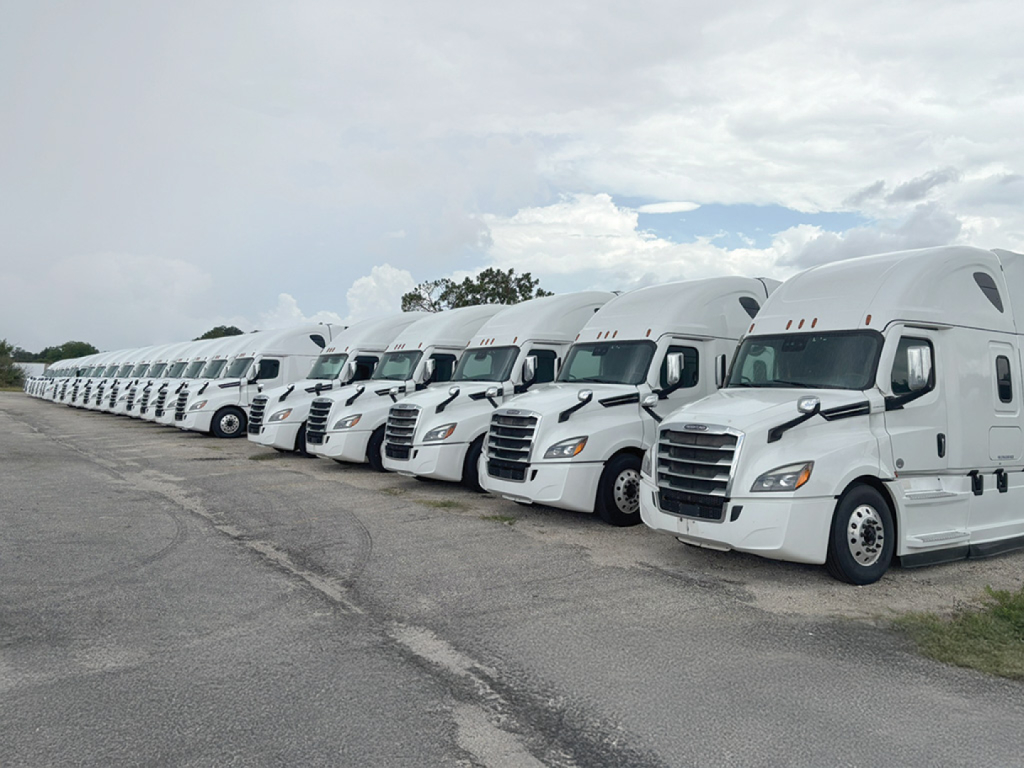
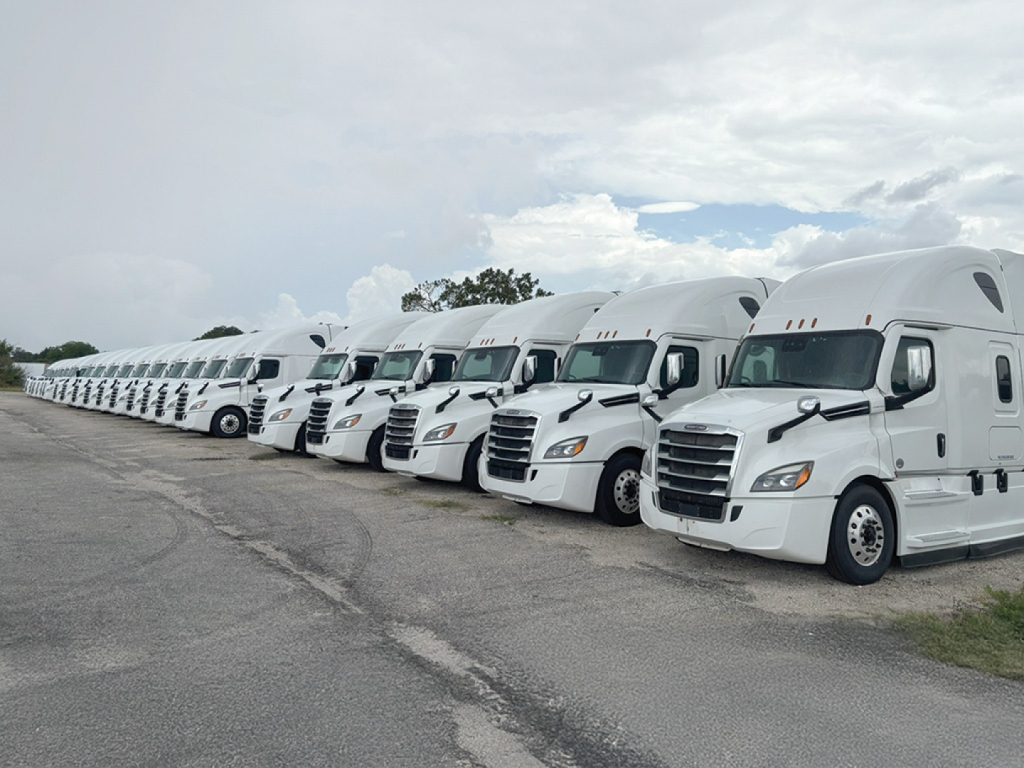
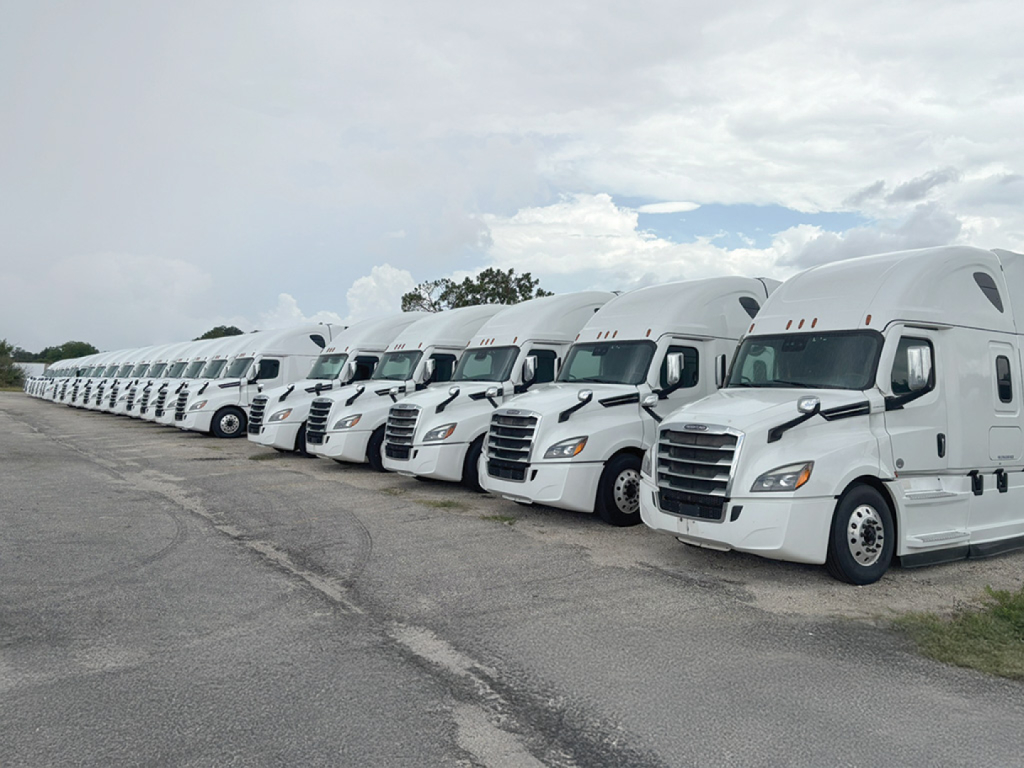
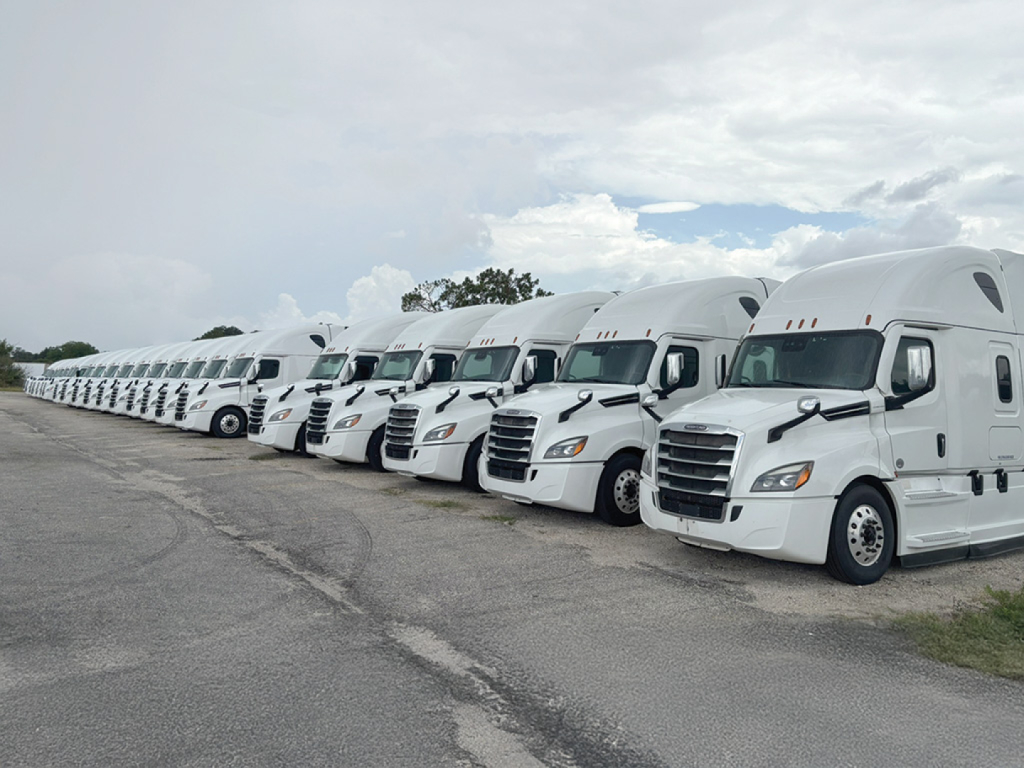
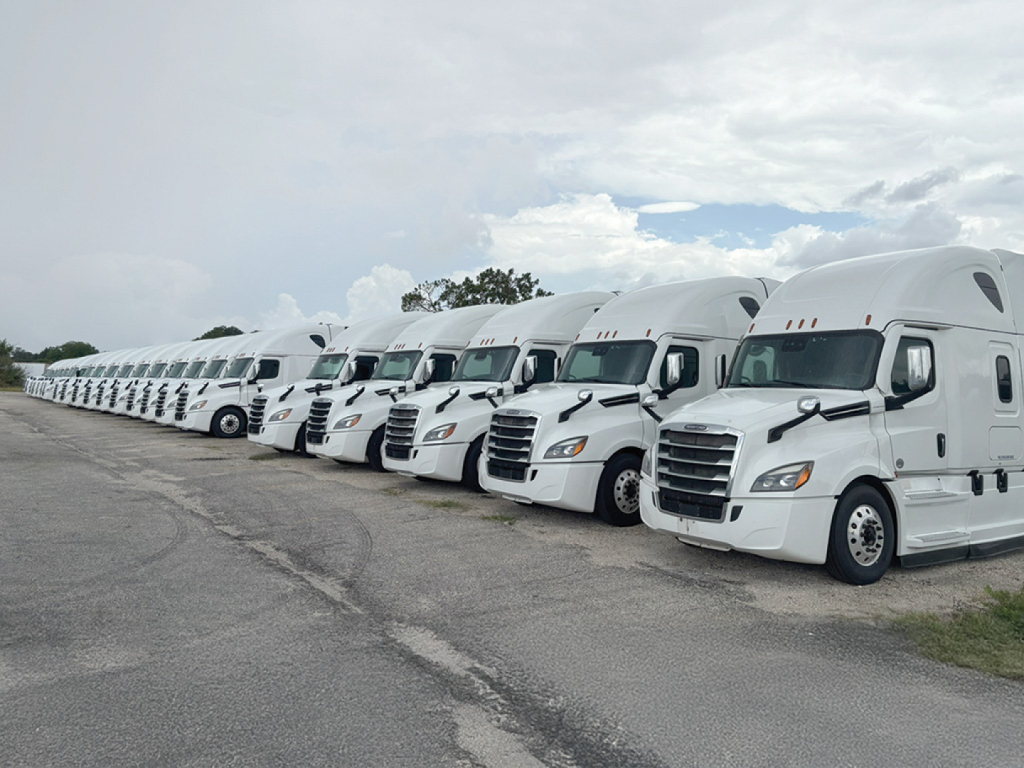
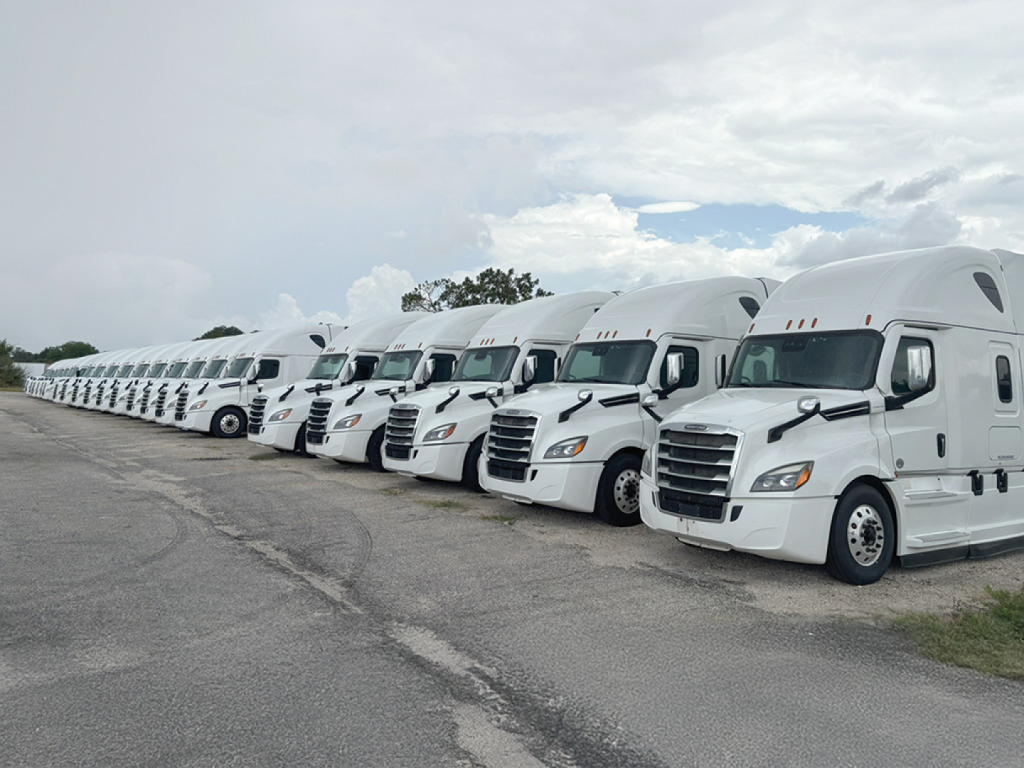
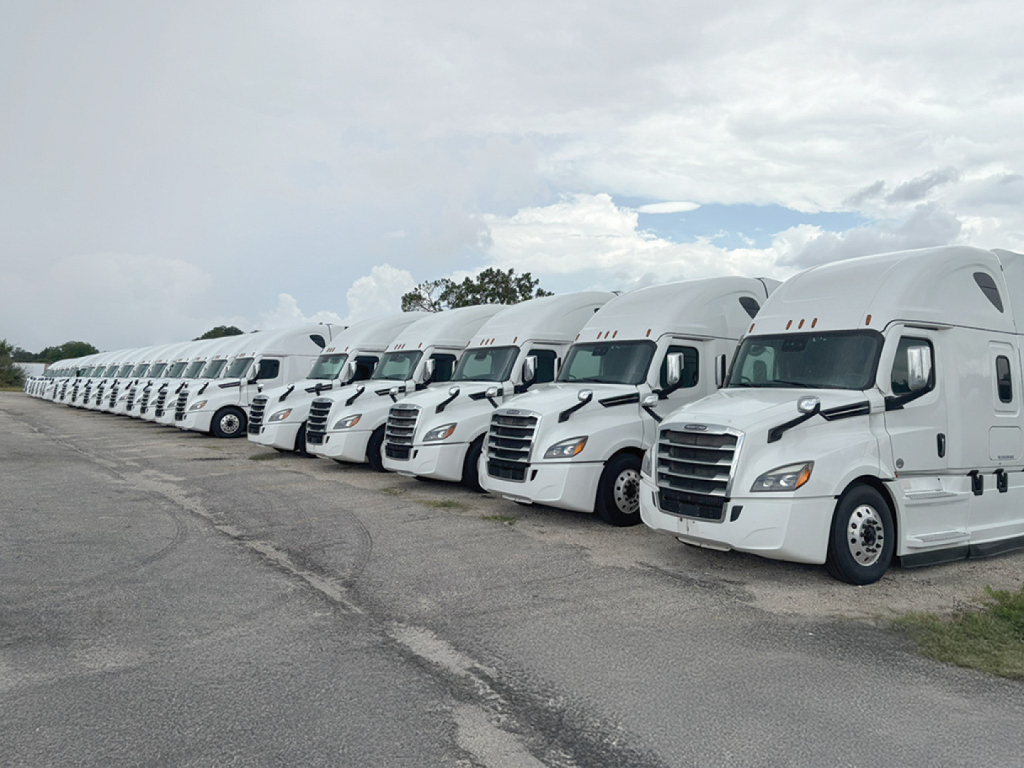
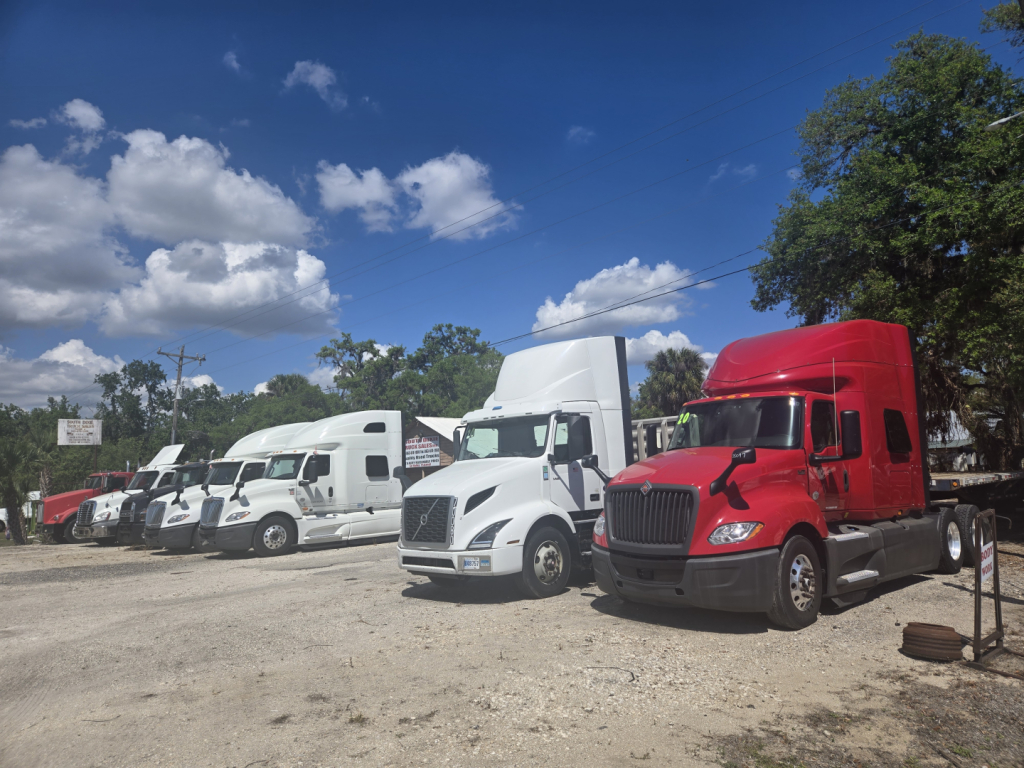
Have used 2020 conventional sleeper truck to sell? List it here to reach thousands of buyers.
About Used 2020 Conventional Sleeper Trucks in Florida
The big decisions usually start with the sleeper and drivetrain. Many 2020 conventional sleepers were spec'd with mid-roof or raised-roof sleepers in the 60-inch to 80-inch range, with 72-inch raised-roof configurations especially common for team service and extended over-the-road runs. Common engines in this segment include the Detroit DD15, Cummins X15, and PACCAR MX-13, typically paired with 12-speed automated manuals or traditional manual transmissions. Buyers should compare horsepower and torque against the freight mix, but rear axle ratio, wheelbase, and suspension matter just as much. A 2.64 to 2.85 ratio can favor fuel mileage on flatter lanes, while a deeper ratio may better suit heavier loads or mixed terrain. A 40,000 lb tandem with air ride suspension and an air slide fifth wheel is a very common setup for general van and reefer work.
Florida buyers should pay close attention to cooling system condition, APU operation, bunk HVAC performance, and overall cab sealing. Heat, humidity, and long idle exposure can show up quickly in sleeper components, batteries, and electrical systems. Fairings, cab extenders, quarter fenders, and fuel tank condition also deserve a close look because aerodynamic parts and aluminum components affect both operating cost and appearance. On used 2020 conventional sleepers, collision mitigation systems, engine brakes, cruise control, bunk heaters, and telematics hardware are all worth verifying, not just listing. If the truck has low-profile 22.5 tires, check remaining tread depth, tire matching, and alignment wear across the steer and drive positions.
A good 2020 conventional sleeper truck should be evaluated as a complete operating package, not just by engine brand or odometer. Service history, aftertreatment performance, transmission calibration, and signs of excessive idle time can tell more than the badge on the hood. For buyers comparing several similar sleeper tractors, focus on sleeper size, axle ratio, emissions system health, wheelbase, and maintenance records first. That is usually what separates a truck that fits your lane and fuel targets from one that only looks right on paper.
Frequently Asked Questions
What is a conventional sleeper truck?
A conventional sleeper truck is a highway tractor with a forward hooded cab design and an integrated sleeper compartment behind the driver area. It is built for over-the-road hauling, giving the driver space to rest, store gear, and stay on multi-day runs. Compared with a day cab, a sleeper tractor adds living space and often carries larger fuel capacity, more storage, and specs aimed at longer duty cycles.
What should I check first on a used 2020 conventional sleeper truck?
Start with service records, engine hours, idle hours, and any history related to the aftertreatment system. Then review the major spec points that affect operating cost, including engine model, transmission type, rear axle ratio, wheelbase, suspension, and sleeper size. A pre-purchase inspection should also include ECM data, DPF and SCR health, clutch or AMT calibration status, brake and tire condition, and signs of coolant, oil, or air system neglect.
Are 2020 conventional sleeper trucks good for fuel-efficient long-haul work?
Yes, many 2020 conventional sleepers were spec'd specifically for fuel economy. Aerodynamic packages, automated manual transmissions, downsped drivetrains, and efficient 13-liter to 15-liter engines were common by that model year. Fuel efficiency still depends heavily on axle ratio, cruise speed, tire spec, idle strategy, and trailer type, so buyers should match the truck's configuration to the lane profile rather than assume every sleeper tractor will perform the same.
What sleeper size is most common on a 2020 conventional sleeper tractor?
A 72-inch raised-roof sleeper is one of the most common configurations in this category because it balances driver comfort, storage, and resale appeal. Mid-roof sleepers are also common on regional applications where total weight and cost matter more than maximum interior room. The right sleeper size depends on run length, solo versus team operation, and whether the truck needs features such as an upper bunk, bunk heater, refrigerator space, or an APU.
Why does rear axle ratio matter on a sleeper truck?
Rear axle ratio has a direct effect on cruise RPM, startability, grade performance, and fuel economy. A faster ratio such as 2.64 or 2.85 can lower engine speed at highway cruise and help fuel mileage on flatter lanes, especially when paired with an automated manual transmission. A deeper ratio can improve pulling power in heavier or hillier applications, but it may increase RPM and fuel burn at interstate speeds if the spec is not matched correctly to the engine and transmission.