
Used Peterbilt Conventional Sleeper Trucks For Sale in Washington
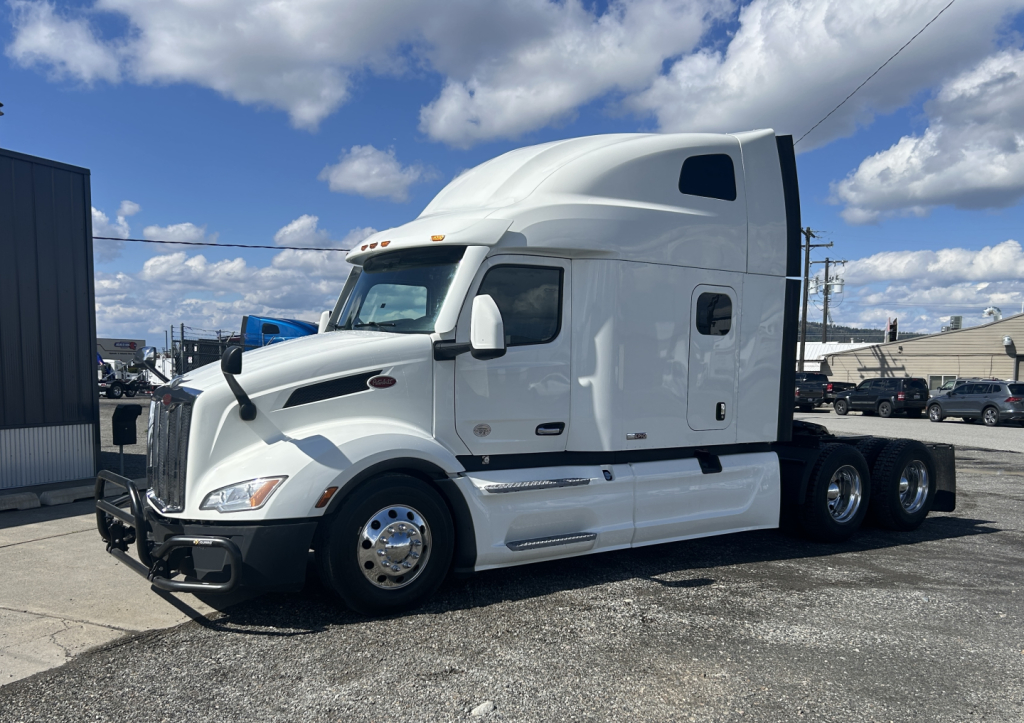
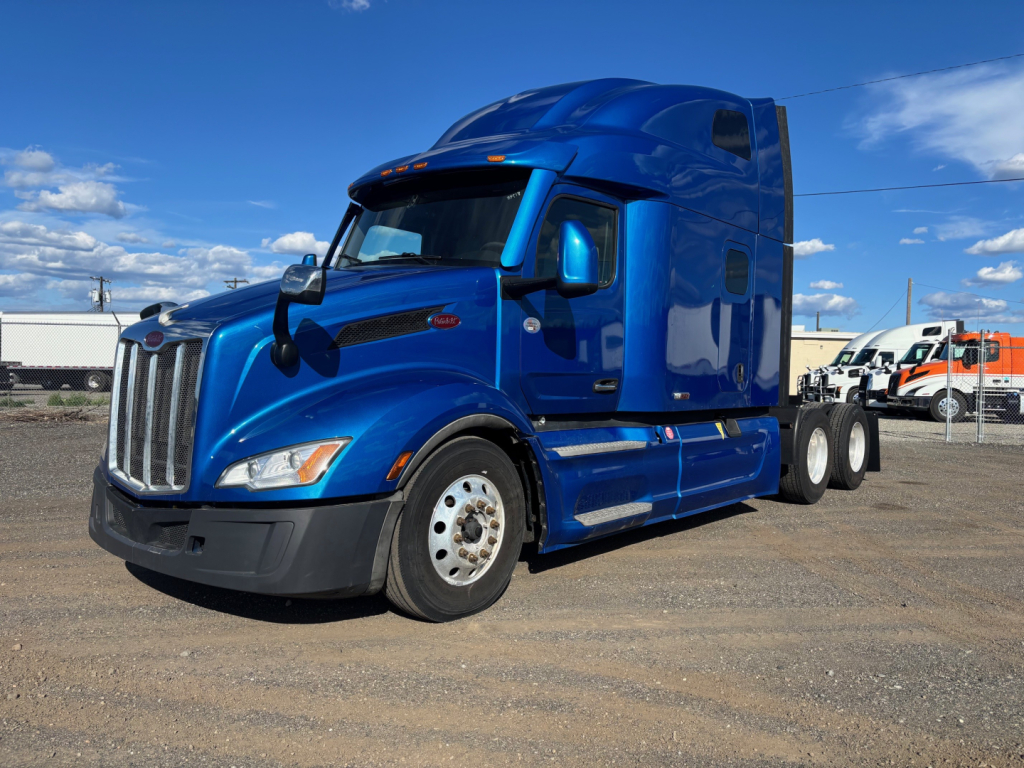
Browse used Peterbilt conventional sleeper trucks in Washington, including 579 models with sleeper cabs, highway specs, and fleet-ready options.
Learn more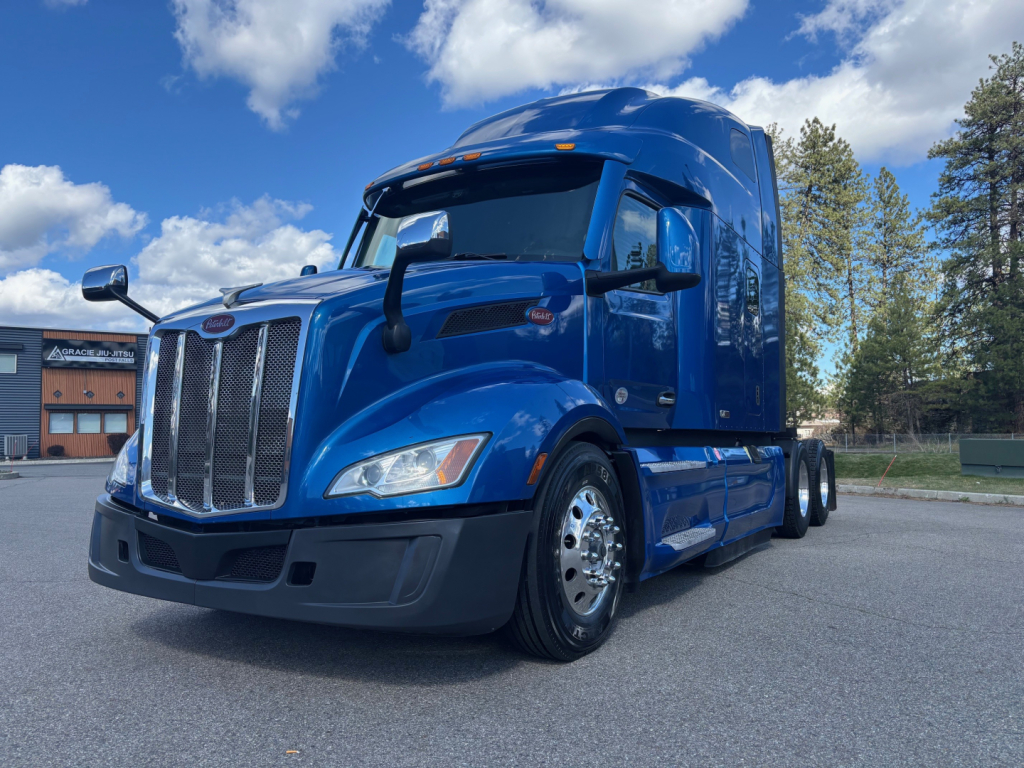
Have used peterbilt conventional sleeper truck to sell? List it here to reach thousands of buyers.
About Used Peterbilt Conventional Sleeper Trucks in Washington
For most buyers, the key decisions start with engine and transmission. Many used Peterbilt sleeper trucks are spec'd with Cummins X15 power, paired with automated manual transmissions from Eaton Fuller or PACCAR. Horsepower and torque ratings matter if the truck will spend time on Snoqualmie Pass, Stevens Pass, or other western grades with heavy gross weights. Rear axle ratio, suspension type, and wheelbase also affect how the truck performs in both fuel-efficient highway service and tighter customer locations. A buyer comparing sleepers should also check for common fleet specs such as 6x4 driveline, 72-inch or 80-inch sleepers, air ride suspension, full fairings, disc or drum brake setup, and integrated driver-assist systems.
Cab condition and sleeper configuration are just as important as the headline drivetrain. A used conventional sleeper truck should be evaluated for bunk layout, storage, HVAC performance, idle reduction equipment, inverter setup, and overall interior wear. Many Peterbilt sleepers are equipped with collision mitigation, adaptive cruise, navigation-ready dash layouts, and telematics integration, which can matter for larger fleets and leased-on owner-operators. Maintenance history is critical on emissions-era trucks, so buyers should pay attention to DPF service records, SCR and DEF system condition, overhead history, and any documentation on clutch, transmission actuator, or aftertreatment repairs. Tire wear, alignment, frame condition, and fifth wheel movement also reveal a lot about how the truck was operated.
Peterbilt conventional sleepers are also known as highway sleeper semis or road tractors with sleeper cabs. They are designed to keep drivers productive over multi-day trips while still fitting standard tractor-trailer applications across van, reefer, and general freight operations. Buyers in Washington often prioritize corrosion condition, wet-weather electrical integrity, and cooling system performance because of the region’s climate and terrain. A well-matched used Peterbilt sleeper can deliver strong uptime, solid driver acceptance, and predictable operating costs when the spec aligns with route profile, average payload, and maintenance discipline.
Frequently Asked Questions
What is the most common used Peterbilt conventional sleeper model?
The Peterbilt 579 is one of the most common used conventional sleeper models on the market. It is widely used in fleet and owner-operator service because it offers an aerodynamic design, efficient highway performance, and a modern interior. Buyers often find it spec'd with Cummins power, automated transmissions, and mid-roof or high-roof sleeper options for long-haul applications.
What should I check first on a used Peterbilt sleeper truck?
Start with the powertrain and maintenance records. Engine hours, mileage, aftertreatment history, transmission service, axle ratio, and cooling system condition are core items because they directly affect operating cost and reliability. After that, inspect sleeper HVAC, bunk condition, tires, brakes, frame rails, suspension wear, and signs of electrical or emissions-related repairs. Service documentation usually tells more than appearance alone.
Are Peterbilt conventional sleeper trucks good for Washington routes?
Yes, if the truck is spec'd correctly for the work. Washington operations often involve mountain grades, wet weather, and a mix of interstate and local freight corridors. A used Peterbilt sleeper with the right horsepower, torque, axle ratio, and brake configuration can perform well in those conditions. Buyers should pay particular attention to cooling performance, traction-related components, and any corrosion or moisture-related electrical issues.
What sleeper size is best for a used Peterbilt conventional truck?
The right sleeper size depends on route length and driver requirements. A smaller sleeper may work well for regional overnight freight where weight savings and maneuverability matter. A 72-inch or 80-inch sleeper is more common for long-haul service because it provides better storage, rest space, and room for comfort features that support multi-day trips. Larger sleepers can improve driver retention, but they also affect wheelbase and overall truck weight.
Is an automated transmission a good choice in a used Peterbilt sleeper?
For many buyers, yes. Automated manual transmissions are common in late-model Peterbilt conventional sleepers because they help with fuel economy, reduce driver fatigue, and simplify hiring across larger fleets. They can perform very well in highway service and on varied terrain when matched to the engine and rear axle ratio. The main buying point is service history, since clutch calibration, actuator condition, and software updates all matter on a used unit.