
Used 2023 Peterbilt Conventional Sleeper Trucks For Sale
Shop used 2023 Peterbilt conventional sleeper trucks, including 579 specs, sleeper options, powertrain choices, and long-haul buyer tips.
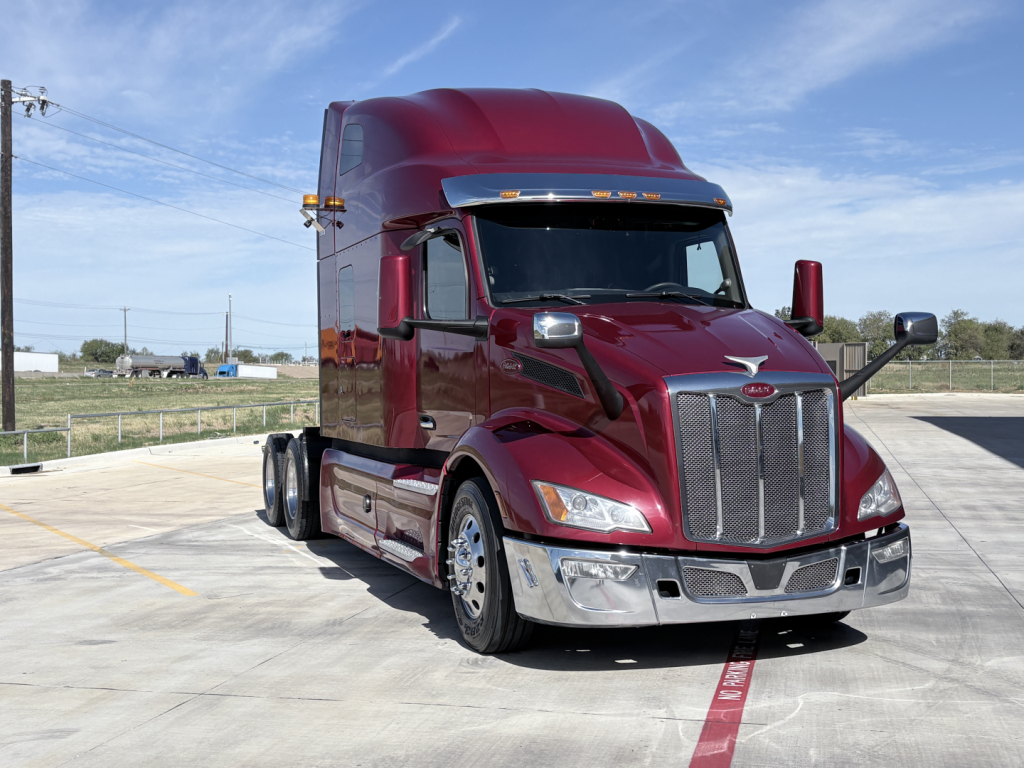
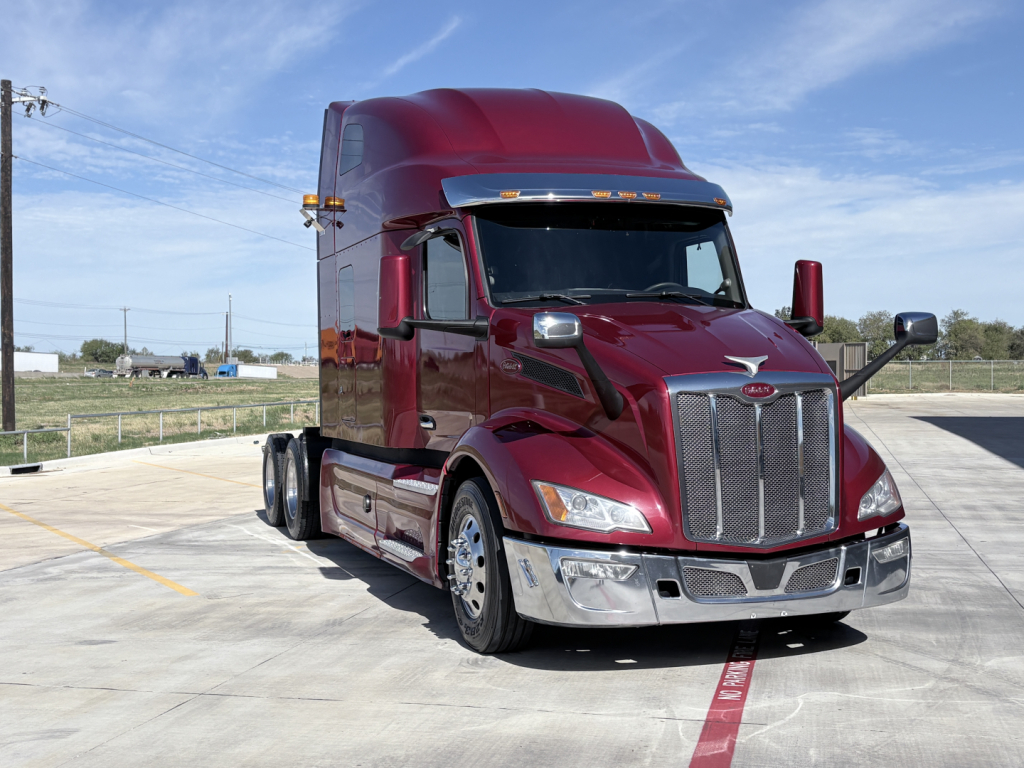
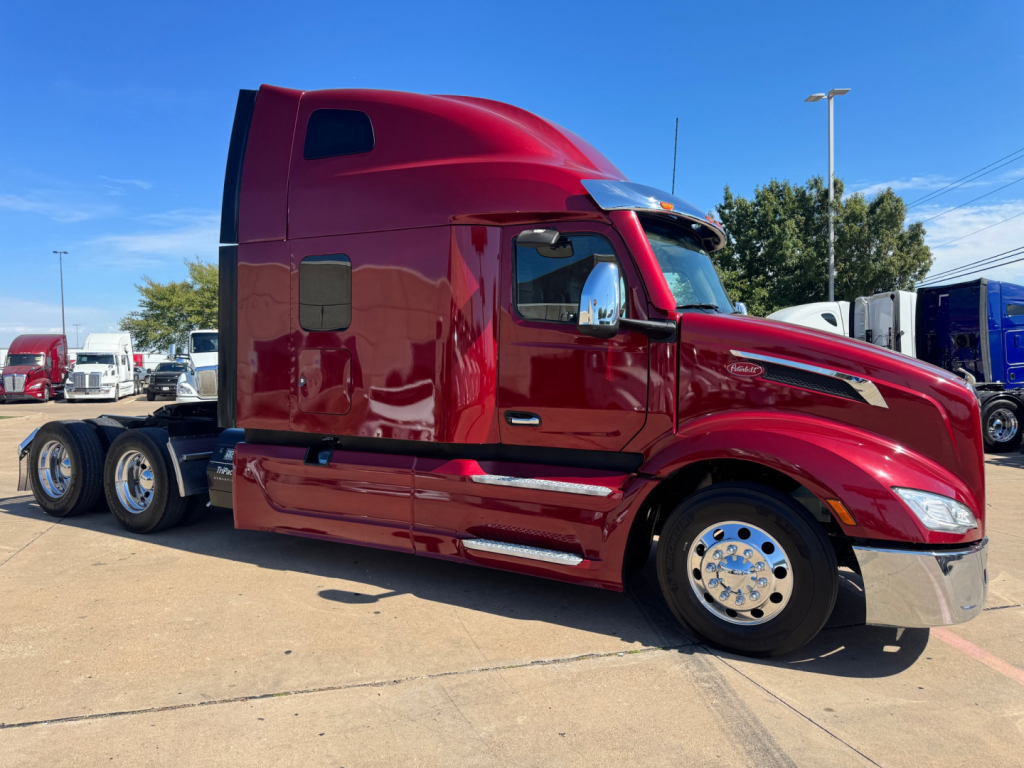
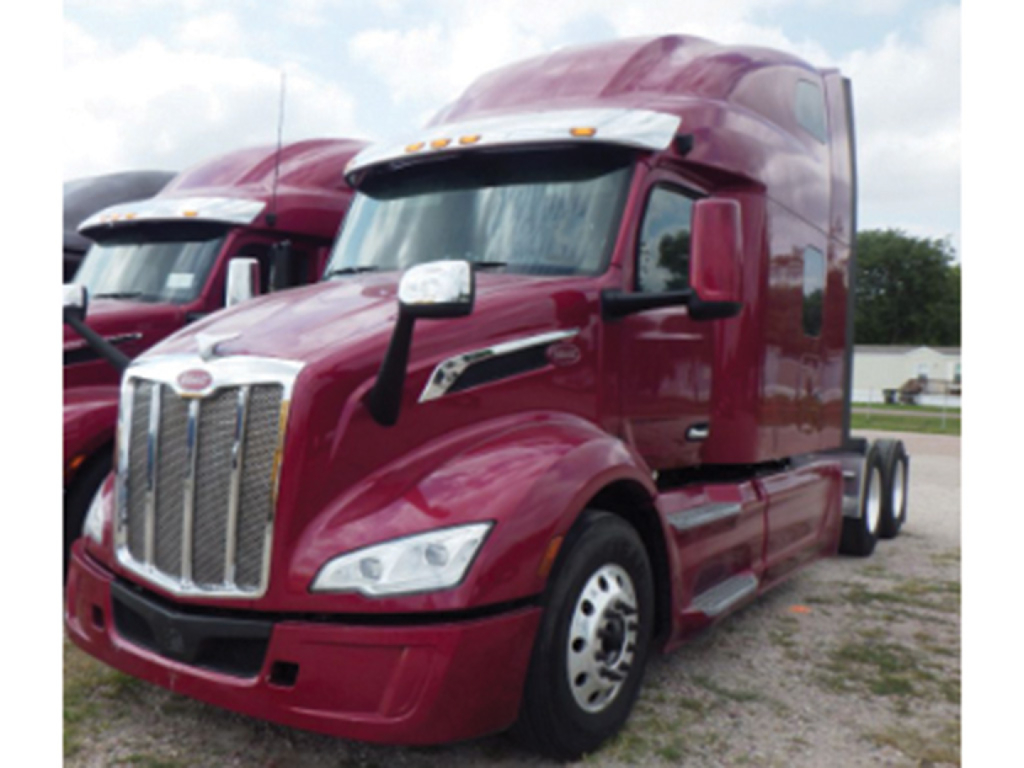
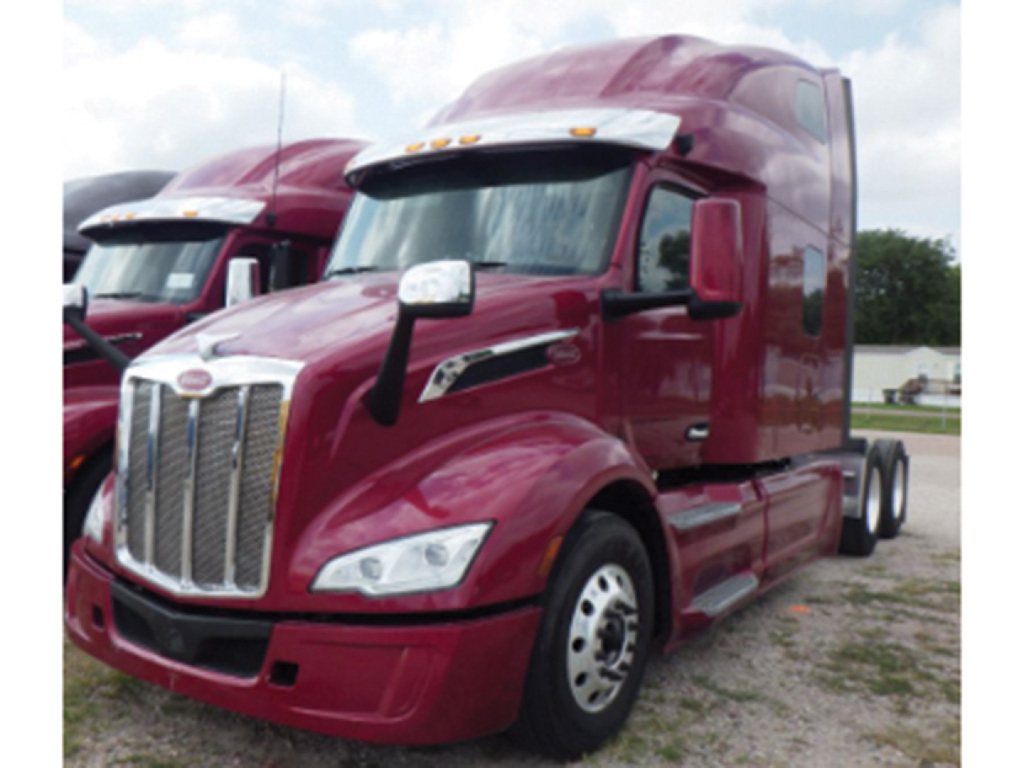
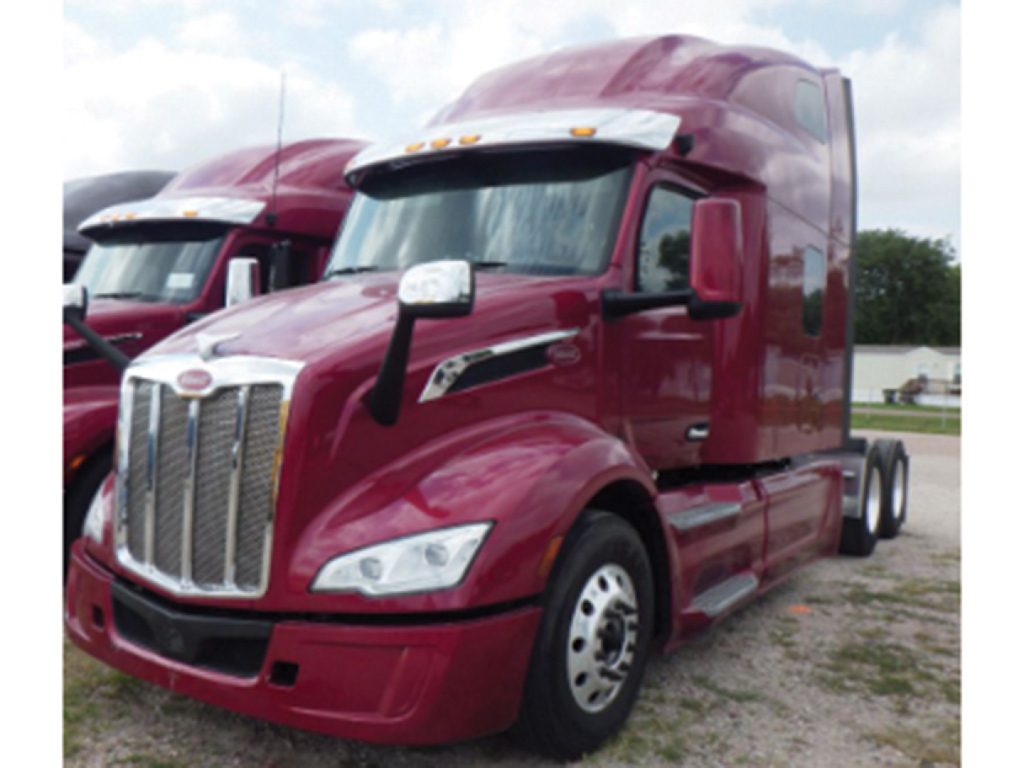
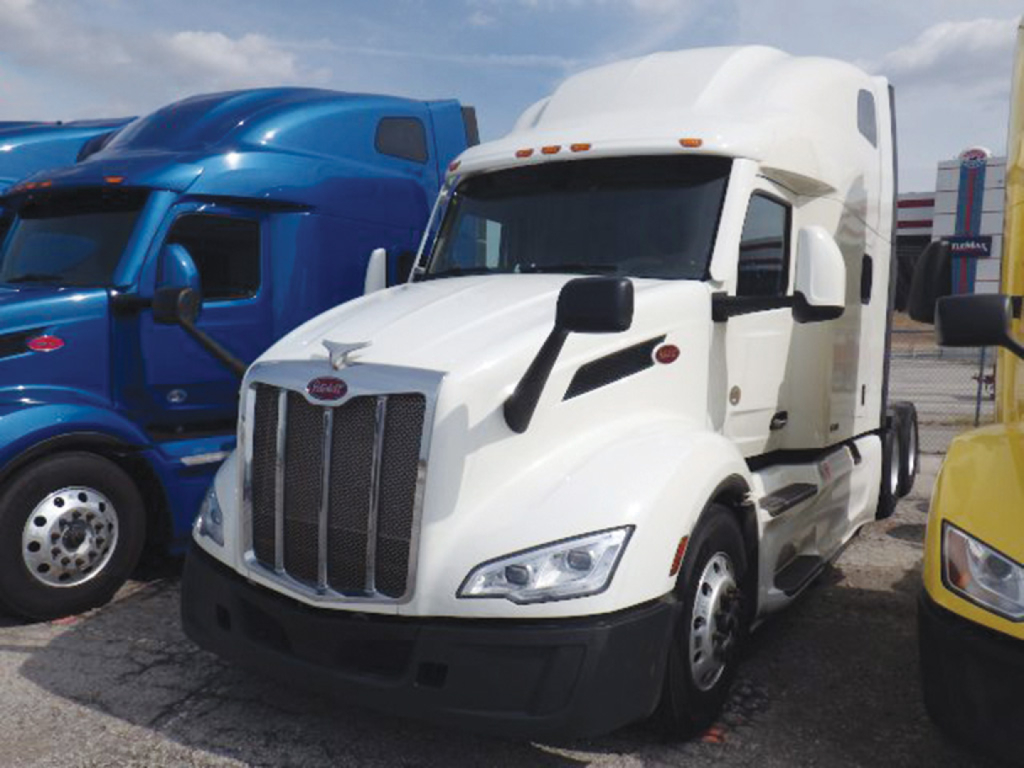
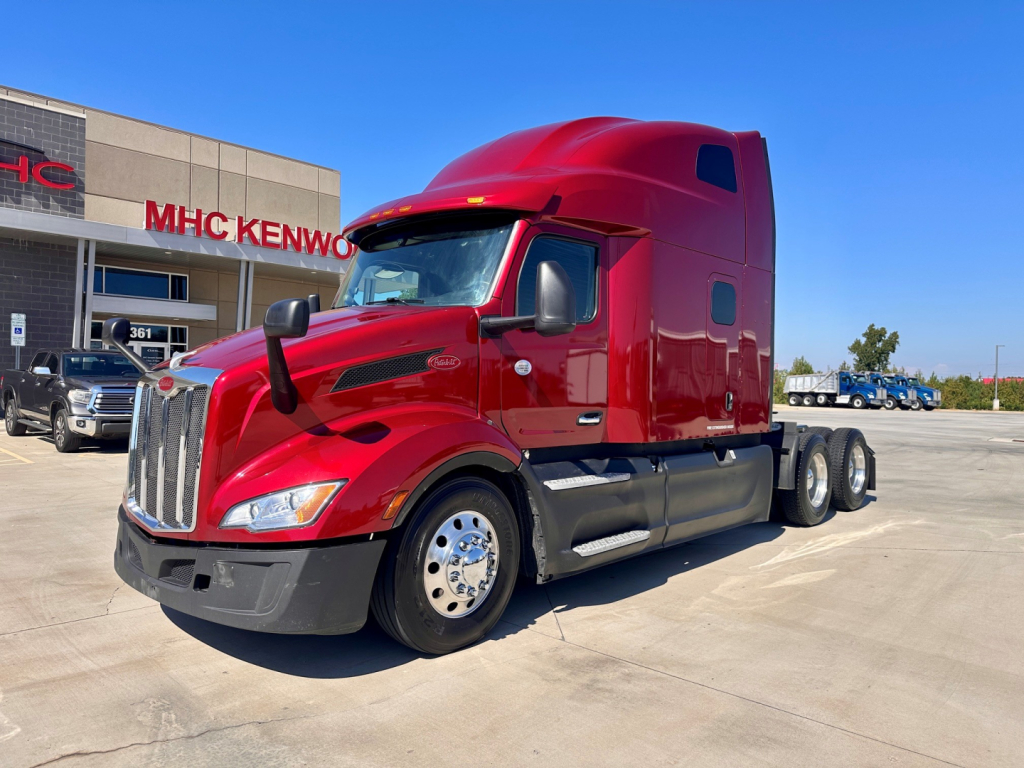
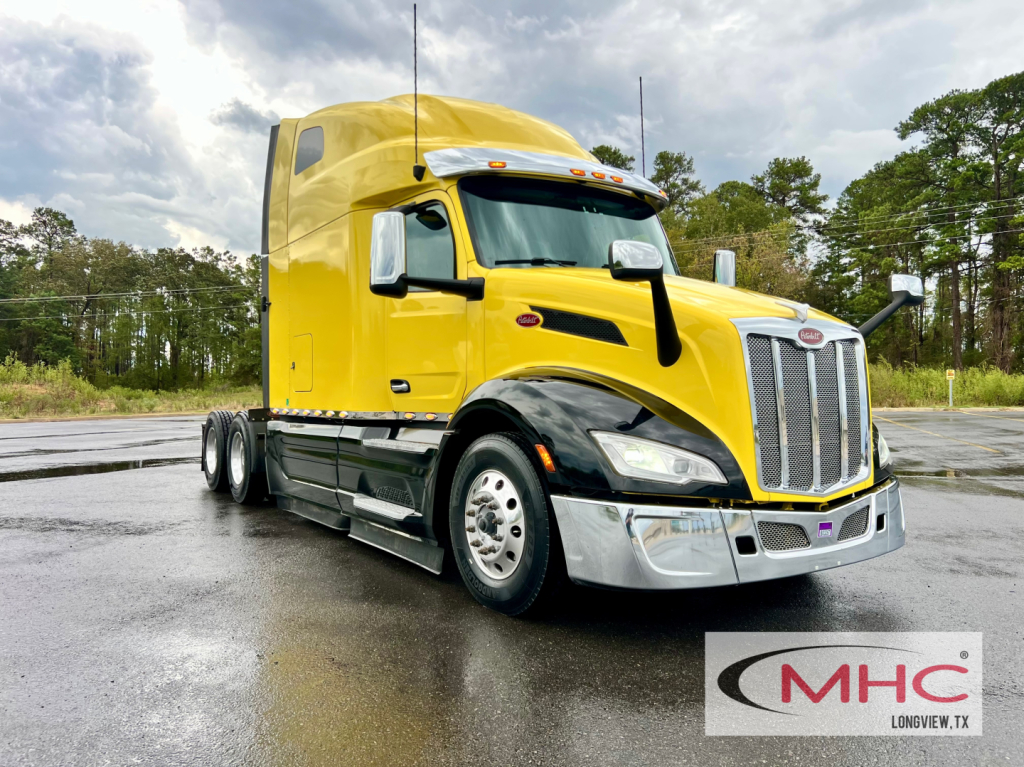
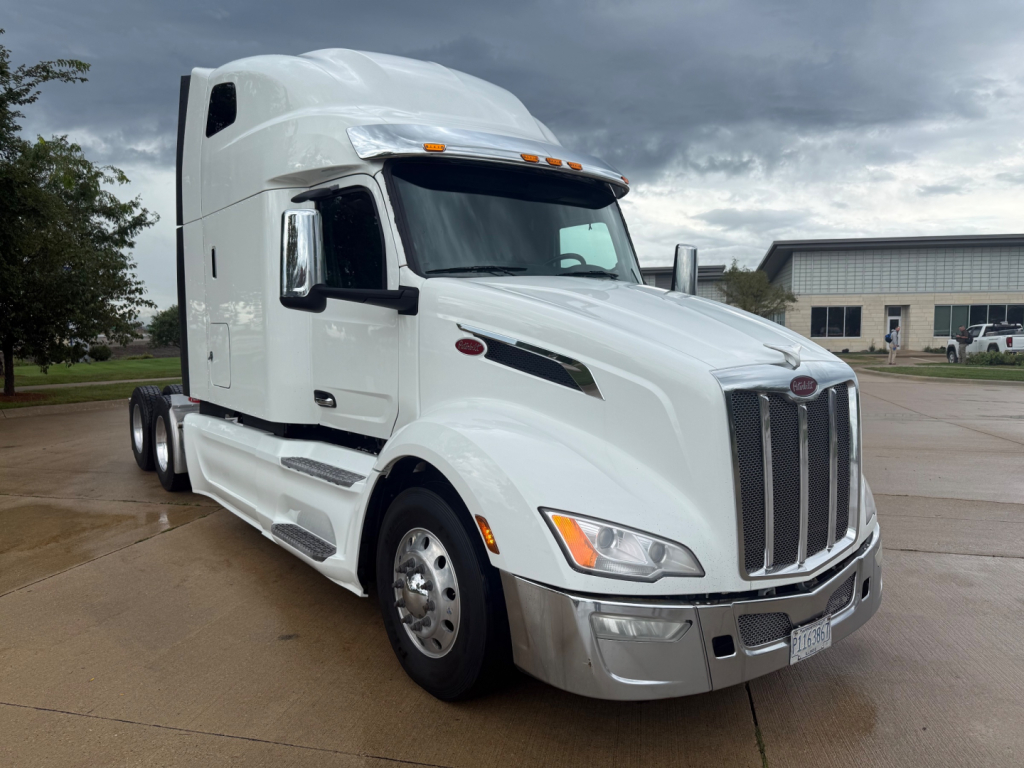
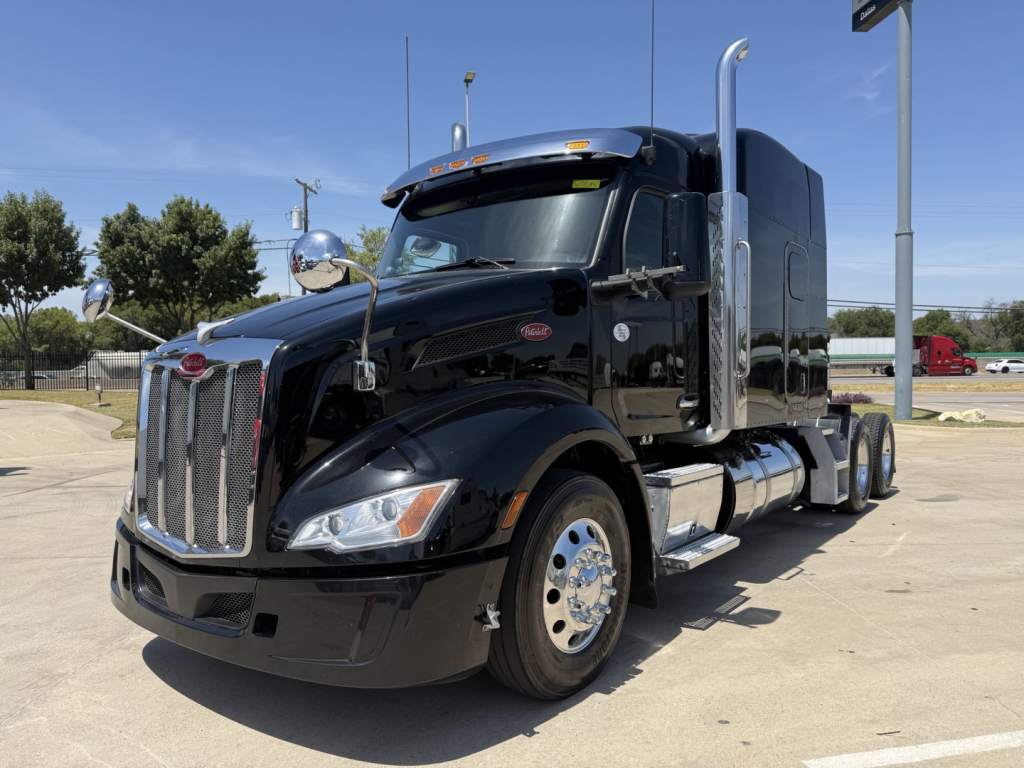
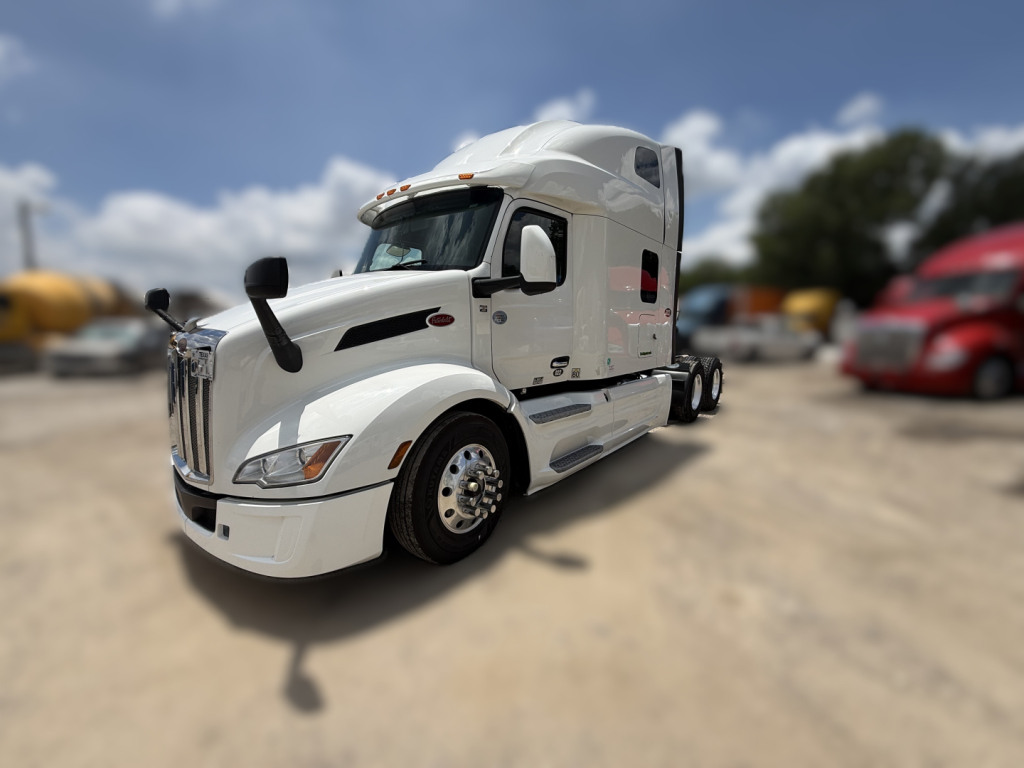
Selling a used 2023 peterbilt conventional sleeper truck? List your used 2023 peterbilt conventional sleeper truck for sale and reach thousands of commercial buyers.
Used 2023 Peterbilt Conventional Sleeper Trucks
Most used 2023 Peterbilt sleepers in this class are spec'd with an 80-inch UltraLoft or similar high-roof sleeper, though exact bunk layout and cabinet configuration can vary. Powertrains commonly include the PACCAR MX-13 or Cummins X15 in the 450 to 500 horsepower range, paired with an automated manual transmission such as the Endurant or PACCAR automated setup. Many are built with 12,000-pound front axles, 40,000-pound rears, air ride suspension, and highway-friendly ratios like 2.64 or 2.79 for lower cruise RPM. Buyers running heavier freight or more varied terrain should pay close attention to rear axle ratio, transmission gearing, and the presence of an engine brake, since those specs matter more in real service than advertised horsepower alone.
Cab and chassis details are just as important as the drivetrain. On a 2023 conventional sleeper, common features include dual aluminum fuel tanks, air slide fifth wheel, disc or drum brake configurations, low-profile 22.5 rubber, full aerodynamic fairings, and driver amenities such as bunk heater, navigation, power windows, and upgraded interior trim. A 232-inch to 240-inch wheelbase is common on fleet and owner-operator style specs, but the right wheelbase depends on trailer gap, bridge law considerations, and how often the truck has to maneuver in tighter terminals. Buyers comparing similar Peterbilt 579 sleepers should also look at tire wear patterns, aftertreatment service history, APU installation, idle hours, and any evidence of fairing or hood repair, since those can reveal how the truck was operated and maintained.
The strongest used 2023 Peterbilt conventional sleeper trucks tend to be the ones with a clean maintenance record, emissions system history, consistent software updates, and a spec that matches the intended lane. For dry van and reefer work, aerodynamic packages and taller highway gears often make sense. For heavier or mixed-route operations, a buyer may prefer a more versatile ratio and a simpler spec with less downtime exposure. Peterbilt sleepers continue to hold value because of driver acceptance, dealer support, and a familiar service network, but the smartest purchase still comes down to matching sleeper layout, engine platform, transmission type, and rear-end ratio to the actual job.
Frequently Asked Questions about Used 2023 Peterbilt Conventional Sleeper Trucks
What engine and transmission specs are common in a used 2023 Peterbilt conventional sleeper?
Most used 2023 Peterbilt conventional sleepers, especially 579 models, are equipped with a PACCAR MX-13 or Cummins X15 diesel engine. Horsepower commonly falls in the 450 to 500 range, and many trucks are paired with an automated manual transmission such as an Endurant or PACCAR automated unit. Buyers should verify torque rating, transmission model, engine brake spec, and rear axle ratio together because those components determine how the truck performs under load more than horsepower alone.
Is an 80-inch sleeper the standard setup on a 2023 Peterbilt 579?
An 80-inch sleeper is one of the most common configurations on a 2023 Peterbilt 579, especially the UltraLoft high-roof setup used in long-haul service. That said, interior layout can still vary based on upper bunk, cabinet package, refrigerator space, bunk heater, and driver comfort options. The right sleeper depends on time away from home, team or solo use, and how much in-cab storage is required.
What rear axle ratio is best for a used Peterbilt sleeper truck?
The best rear axle ratio depends on the freight and terrain. Ratios such as 2.64 or 2.79 are popular in highway applications because they reduce engine RPM and can improve fuel economy at cruise speed. Fleets that run heavier loads, frequent grades, or mixed regional routes may prefer a deeper ratio for better startability and drivability. Ratio choice should always be evaluated with tire size, transmission gearing, and average gross weight.
What should I inspect first on a used 2023 Peterbilt conventional sleeper?
Start with maintenance records, fault codes, emissions system service history, and tire wear. Then inspect the aftertreatment system, engine brake operation, transmission calibration, suspension condition, fifth wheel wear, and any signs of collision repair around the hood, bumper, and fairings. On sleeper trucks, idle hours, APU condition, HVAC performance, and bunk equipment are also important because they affect both operating cost and driver satisfaction.
Why do used Peterbilt conventional sleeper trucks stay in demand?
Used Peterbilt conventional sleepers remain popular because they combine a strong brand reputation with good driver acceptance, aerodynamic highway design, and broad dealer support. Models like the 579 are common in long-haul fleets, so parts availability and service familiarity are generally strong. Demand is highest for well-maintained trucks with desirable sleeper configurations, efficient powertrains, and highway gearing that fits current freight lanes.