
Used 2006 Peterbilt Conventional Sleeper Trucks For Sale
Browse used 2006 Peterbilt conventional sleeper trucks, including long-haul specs, sleeper sizes, engine options, and drivetrain details.
Learn more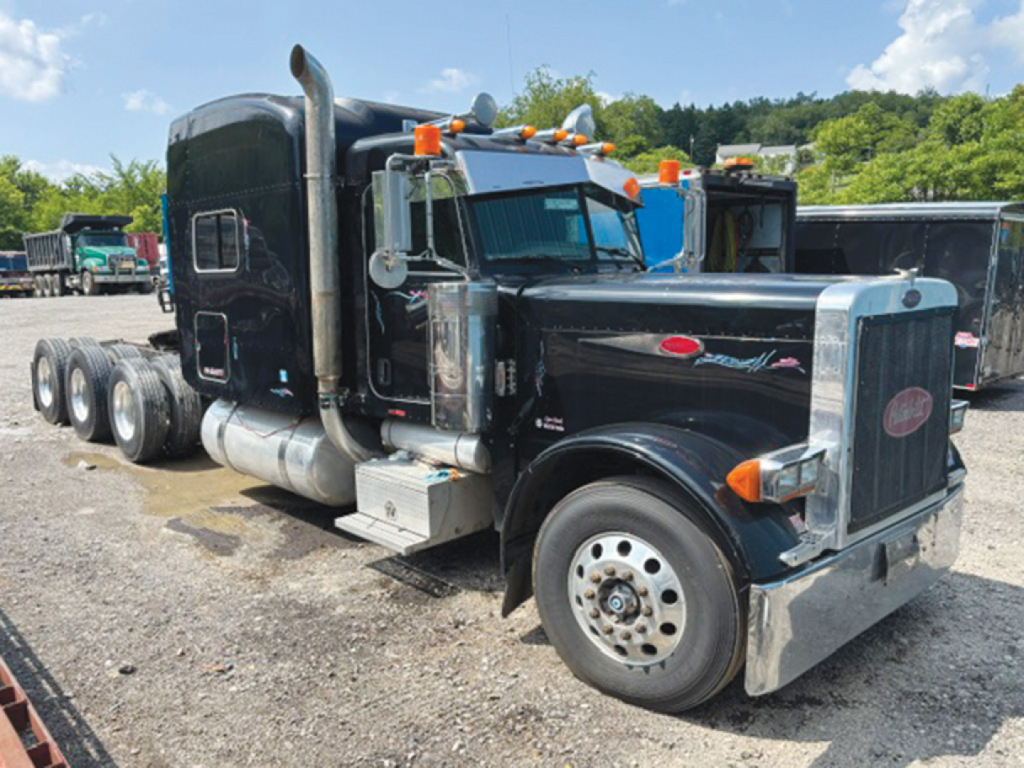
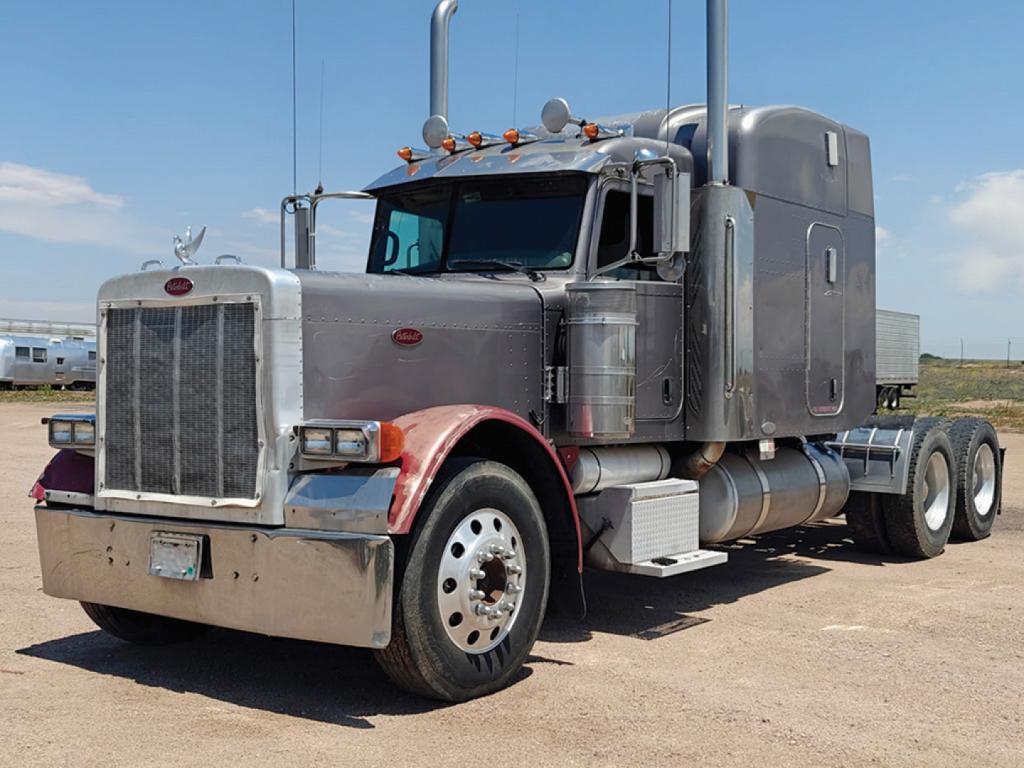

Have used 2006 peterbilt conventional sleeper truck to sell? List it here to reach thousands of buyers.
About Used 2006 Peterbilt Conventional Sleeper Trucks
Powertrain spec is where most purchase decisions get made. Many 2006 Peterbilt sleepers were built with Caterpillar C15, Cummins ISX, or Detroit Diesel Series 60 engines, paired to 10-speed, 13-speed, or 18-speed manual transmissions, with some automated options appearing in fleet service. Buyers hauling heavy or operating in mountain territory usually focus on horsepower, torque rating, and rear-end ratio together, not as separate line items. A 3.55 or 3.70 ratio can fit heavier freight and mixed terrain, while taller highway gears may favor fuel mileage on long interstate runs. Front axle ratings, typical 12,000 to 13,200 lb specs, and 40,000 lb rears are common reference points, but suspension type also matters. Peterbilt air ride and low air leaf setups each appeal to different operators based on ride quality, service familiarity, and load profile.
Sleeper configuration deserves close attention because 2006 trucks vary widely. Some are flat-top or mid-roof sleepers aimed at regional and specialized work, while others carry larger Unibilt-style sleepers for over-the-road use. Interior condition matters more on this age truck than cosmetic shine outside. Check bunk layout, cabinet integrity, HVAC performance, insulation, seat wear, dash electronics, and signs of water intrusion around the sleeper seams or marker lights. On the chassis side, buyers should inspect frame condition, crossmembers, fifth wheel wear, driveline play, suspension bushings, and steer axle tire wear that could point to alignment or kingpin issues. A 2006 Peterbilt can still be a strong revenue truck, but service records, overhaul history, ECM data, and proof of prior maintenance are what separate a solid truck from an expensive project.
Peterbilt conventional sleepers from this era remain popular because they balance driver appeal, parts support, and strong resale demand. Long-hood versions are especially common with owner-operators who value service access, classic styling, and customization potential, while more aerodynamic specs can make sense for linehaul buyers watching operating cost per mile. Cab corrosion, wiring repairs, previous engine work, and compliance requirements in your operating region should all be part of the evaluation. For many buyers, a used 2006 Peterbilt conventional sleeper is less about model year alone and more about finding the right combination of engine pedigree, drivetrain spec, sleeper layout, and documented maintenance.
Frequently Asked Questions
What engines are common in a used 2006 Peterbilt conventional sleeper truck?
Common engine options in 2006 Peterbilt conventional sleeper trucks include the Caterpillar C15, Cummins ISX, and Detroit Diesel Series 60, depending on the original order spec and model. These engines are popular in the used market because they come from the pre-DPF emissions era, which generally means fewer aftertreatment components and simpler troubleshooting. The best choice depends on your service preference, local technician support, and the truck’s maintenance history, not just the engine name on the hood.
Is a 2006 Peterbilt sleeper a good choice for long-haul trucking?
A 2006 Peterbilt sleeper can still be a very good long-haul truck if the major systems have been maintained correctly. Buyers should look at engine rebuild history, transmission condition, rear axle ratio, sleeper comfort, and overall chassis wear before making that call. Many of these trucks were built for over-the-road service with larger sleepers, highway gearing, and durable drivetrains, but age makes inspection and documentation more important than the original spec sheet alone.
What should I inspect first on a used 2006 Peterbilt conventional sleeper?
Start with the engine, frame, and maintenance records. Confirm mileage consistency, check for blow-by, oil and coolant contamination, evidence of inframe or overhaul work, and any stored fault history if ECM data is available. After that, inspect the frame rails, suspension, driveline, steering components, fifth wheel, and sleeper structure, especially for leaks, wiring repairs, and interior wear that may signal heavier use than the odometer suggests.
Are 2006 Peterbilt conventional sleeper trucks pre-emissions?
Many 2006 Peterbilt conventional sleepers are considered pre-DPF trucks, which is a major reason they remain attractive in the used market. That said, emissions configuration can vary by engine family and production timing, so buyers should verify the exact engine serial number and emissions label. The appeal of this model year is usually tied to simpler emissions equipment, but that benefit should always be weighed against age, mechanical condition, and compliance rules in the states where the truck will operate.
What transmission and axle specs are typical on a 2006 Peterbilt sleeper?
Typical specs include 10-speed, 13-speed, or 18-speed manual transmissions with 40,000 lb rear axles and ratios commonly ranging from fuel-focused highway gearing to deeper ratios for heavier freight. The right combination depends on your load weight, terrain, cruising speed, and driver preference. A truck with the wrong gearing can hurt fuel economy or drivability, so buyers should evaluate transmission model, rear ratio, tire size, and intended operating speed as one package.