
Peterbilt Conventional Sleeper Trucks For Sale in Oklahoma
Shop Peterbilt conventional sleeper trucks in Oklahoma. Compare 579, 389, and 589 specs, sleeper sizes, drivetrains, and long-haul features.
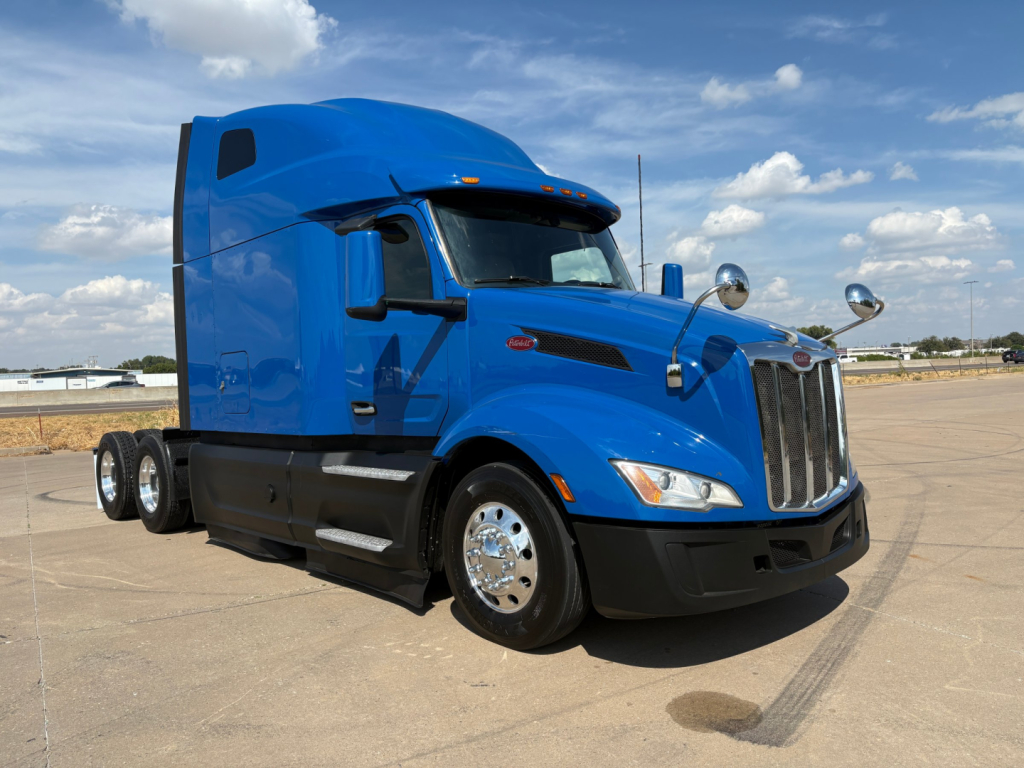
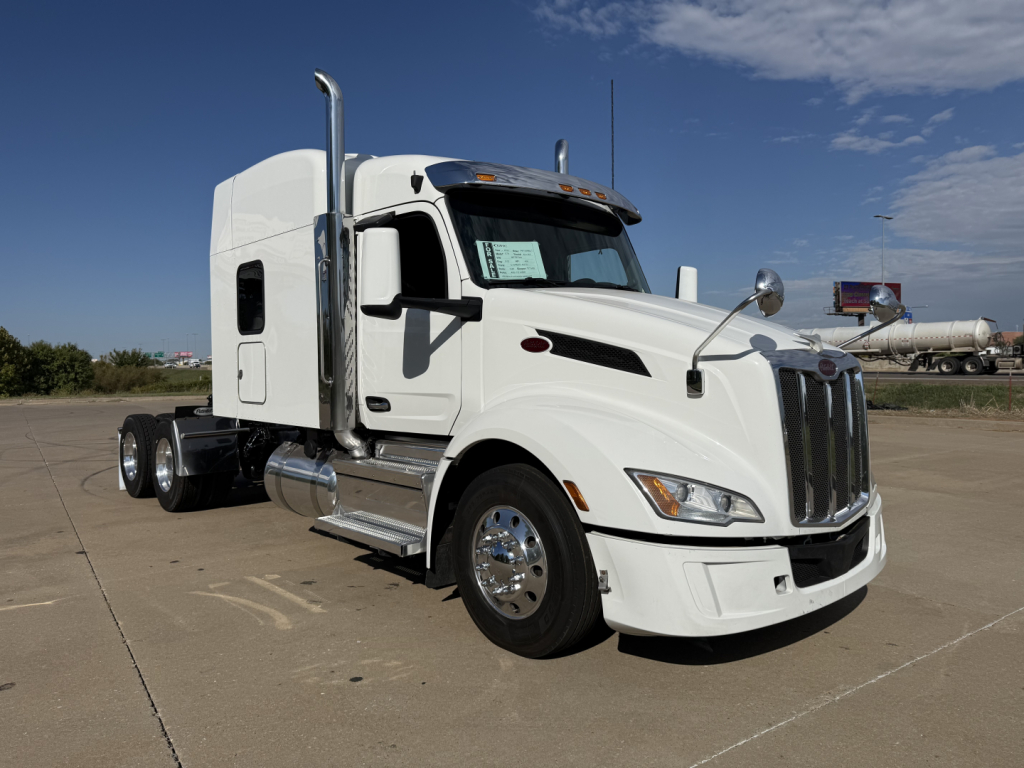
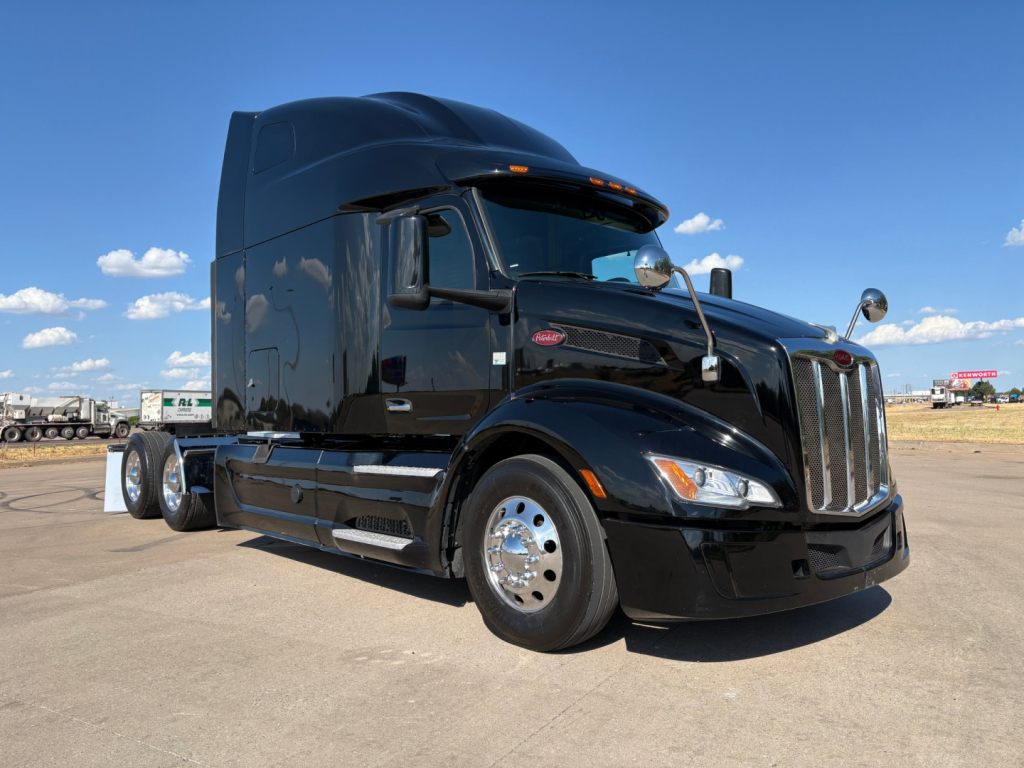
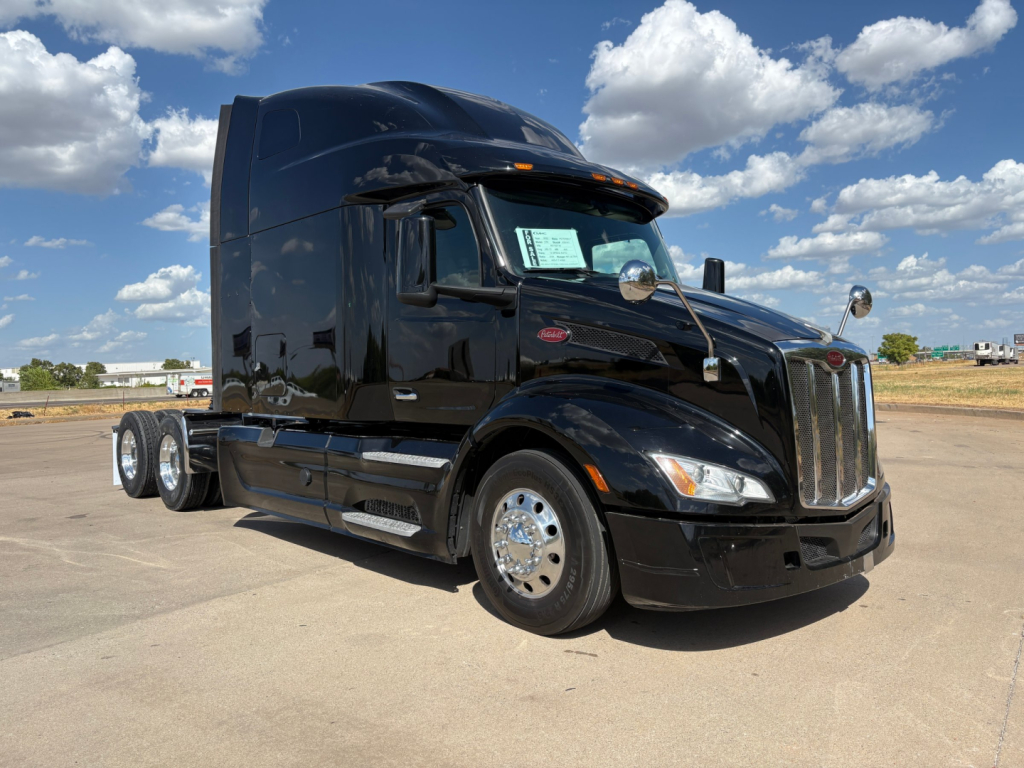

2022 Peterbilt 389
2021 Peterbilt 389
Selling a peterbilt conventional sleeper truck? List your peterbilt conventional sleeper truck for sale and reach thousands of commercial buyers.
Peterbilt Conventional Sleeper Trucks in Oklahoma
The key spec decisions usually start with engine, transmission, axle ratio, and sleeper configuration. Common Peterbilt sleeper trucks in this class are powered by Cummins X15 engines in the 450 to 565 horsepower range, though older trucks may carry Detroit Series 60 power. Transmissions can range from 10-speed and 18-speed manuals to 12-speed automated options like the Eaton Endurant. Rear axle ratings are commonly 40,000 pounds on tandem air ride suspensions, with front axles around 12,000 to 13,200 pounds and GVWRs near 52,000 pounds. Buyers comparing listings should pay close attention to rear ratio and wheelbase because those two specs strongly affect fuel economy, startability, maneuverability, and the type of trailer work the truck handles best. A 2.64 or 3.36 ratio generally points toward highway efficiency, while a 3.70 ratio is more aligned with heavier pulling or vocational crossover use.
Sleeper size and roof profile are just as important as horsepower. Peterbilt conventional sleepers can be found with mid-roof, flat top, and larger integral sleepers such as the Ultraloft. A mid-roof or 52-inch sleeper often fits regional work and weight-conscious operations, while an 80-inch sleeper is better suited for teams, longer dispatch cycles, and drivers who spend extended time on the road. Fuel capacity, cabinet layout, bunk design, and fairing configuration all affect day-to-day usability. On aerodynamic 579s, buyers often focus on fuel tank size, aero packages, and integrated cab amenities. On 389 and 589 models, attention usually shifts toward wheelbase, manual transmission availability, front axle capacity, and overall chassis spec for specialized freight or owner-operator preference.
For Oklahoma buyers, application and terrain should drive the final decision more than appearance alone. Long interstate runs across the Plains reward efficient drivetrains, lighter spec sleepers, and automated transmissions that reduce driver fatigue. Oilfield support, livestock, flatbed, and heavier specialized work may justify a longer wheelbase, deeper gearing, higher horsepower, and a manual gearbox. Service history, emissions configuration, tire size, suspension type, and evidence of recent major work can matter as much as model year. A well-matched Peterbilt conventional sleeper truck should fit the freight lane, trailer type, and target operating speed, not just the badge on the hood.
Frequently Asked Questions about Peterbilt Conventional Sleeper Trucks in Oklahoma
What is the difference between a Peterbilt 579 and a Peterbilt 389 or 589 sleeper truck?
The Peterbilt 579 is an aerodynamic conventional sleeper designed primarily for highway efficiency, fleet service, and lower total operating cost. The 389 and 589 are long-hood conventionals that usually appeal to owner-operators and specialized carriers who want traditional styling, more customization, and specs suited to heavier or more demanding work. In practical terms, 579 buyers often prioritize fuel economy, cab technology, and integrated sleepers, while 389 and 589 buyers often focus on horsepower, transmission choice, wheelbase, and visual presence.
What horsepower range is common in Peterbilt conventional sleeper trucks?
A common range is about 450 to 565 horsepower, with Cummins X15 engines frequently found in newer units and Detroit Series 60 engines appearing in older trucks. The right rating depends on trailer weight, terrain, cruise speed, and gearing. A 450-horsepower spec is common for general van and reefer work, while higher horsepower is more appropriate for heavy flatbed, specialized freight, or buyers who prefer stronger pulling performance.
Are automated transmissions common in Peterbilt sleeper trucks?
Yes. Many late-model Peterbilt conventional sleepers use automated manual transmissions such as the Eaton Endurant, especially in highway fleet applications. These transmissions help reduce driver fatigue, improve shift consistency, and can support fuel economy goals when paired with efficient axle ratios. Manual 10-speed and 18-speed transmissions are still common in traditional long-hood trucks and in applications where the driver wants more control over gearing and load handling.
What sleeper size should I look for in a Peterbilt conventional sleeper?
Sleeper size should match the length of haul and how much time the driver spends in the truck. A 52-inch mid-roof sleeper can work well for regional operations or fleets trying to save weight and keep the truck compact. Larger sleepers, including 80-inch configurations like the Peterbilt Ultraloft, offer more storage and living space for over-the-road runs, team operations, and longer dispatch cycles. The right choice depends on driver retention, payload needs, and trip length.
Which specs matter most when comparing used Peterbilt sleeper trucks?
Engine model, horsepower, transmission type, rear axle ratio, wheelbase, sleeper size, suspension, and maintenance history should be at the top of the list. Rear ratio and transmission pairing affect fuel economy and gradeability. Wheelbase affects trailer clearance, ride quality, and maneuverability. Maintenance records, recent engine or transmission work, emissions status, and tire condition can have a major effect on near-term operating cost, especially in a used truck.