
Peterbilt Conventional Sleeper Trucks For Sale in North Carolina
Browse Peterbilt conventional sleeper trucks, including 579, 389, and 379 models with sleeper sizes, engine options, and long-haul specs.
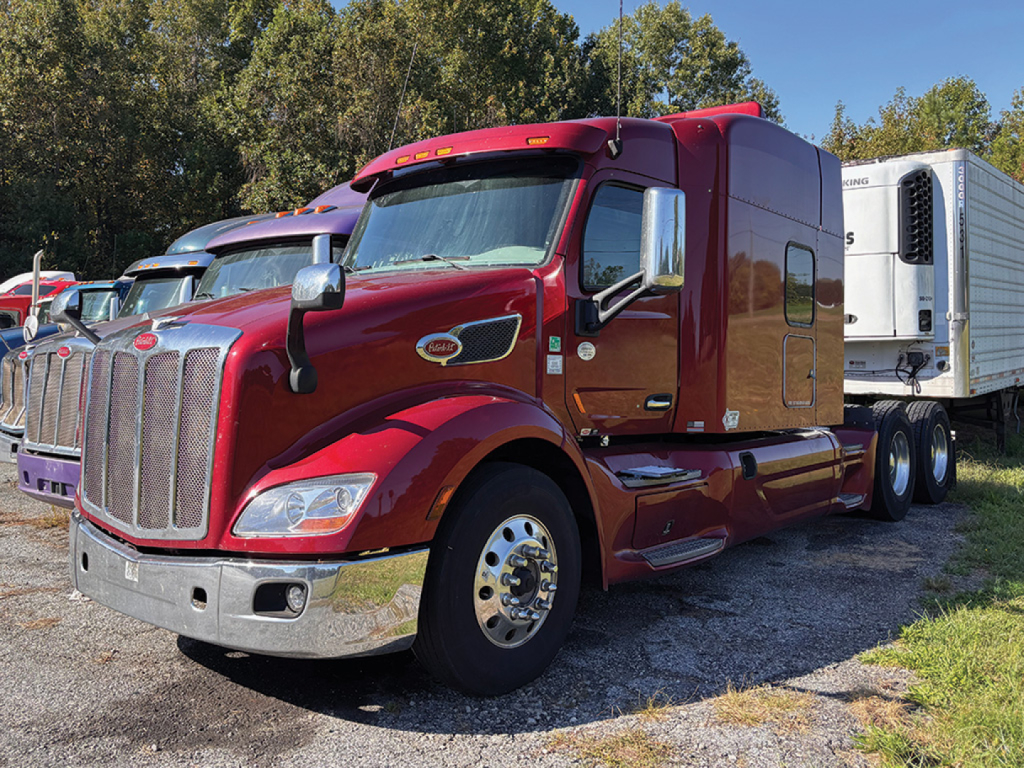
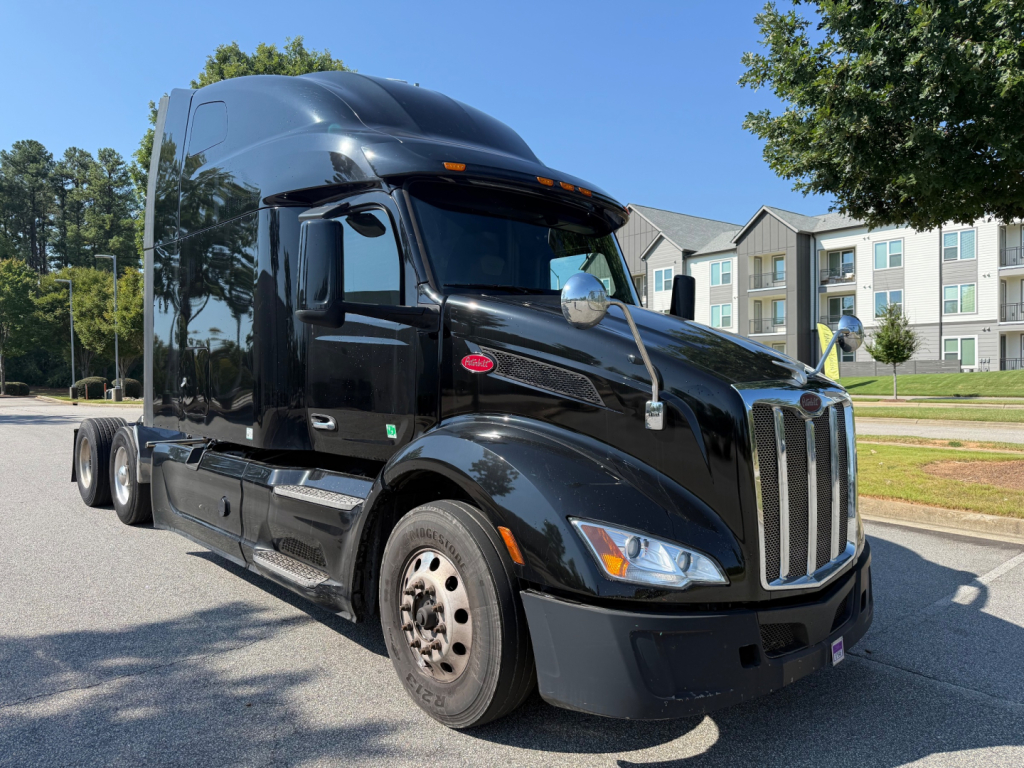

Selling a peterbilt conventional sleeper truck? List your peterbilt conventional sleeper truck for sale and reach thousands of commercial buyers.
Peterbilt Conventional Sleeper Trucks in North Carolina
The core buying decision usually starts with engine, transmission, rear ratio, and wheelbase. Late-model Peterbilt sleeper trucks are often powered by PACCAR MX-13 or Cummins X15 engines in the 450 to 500 horsepower range, paired with automated manual transmissions for fuel-efficient linehaul work. Older 379 and 389 sleepers frequently show up with Cummins ISX or Caterpillar C15 engines and 10-speed or 18-speed manual transmissions, often with 3.36 to 3.55 rear ratios and 40,000-pound rears. That kind of spec can make sense for buyers pulling heavier loads, running varied terrain, or wanting more control over gearing. Wheelbase also matters more than many buyers expect. A 236-inch wheelbase highway tractor is a different tool than a 270-inch or 277-inch extended-hood truck when it comes to bridge laws, turning radius, ride quality, and trailer compatibility.
Sleeper design should be evaluated as carefully as the drivetrain. Peterbilt conventionals are known for driver-focused interiors, and the sleeper package can materially affect retention and uptime on long runs. Common features include upper bunks, bunk heaters, refrigerators, storage cabinets, tilt and telescoping steering, power accessories, and integrated fairings. High-roof sleepers generally give a driver more livable space and better standing room for multi-day trips, while stand-up sleepers on long-hood models balance comfort with classic styling and heavier-duty specs. On aerodynamic trucks, side fairings, cab extenders, horizontal exhaust, and low-profile tires all contribute to fuel economy. On extended-hood trucks, items like dual stacks, stainless trim, larger rubber, and PTO provisions may align better with specialized hauling or owner-operator priorities.
For buyers in North Carolina, a Peterbilt conventional sleeper often needs to cover a wide operating range, from I-40 and I-85 freight lanes to port, manufacturing, agricultural, and Southeast regional work. The best approach is to match the truck to the freight first, then confirm the sleeper size, axle ratio, transmission type, and fifth wheel setup fit the lanes you actually run. Air-ride suspension, sliding fifth wheels, aluminum wheels, dual fuel tanks, engine brakes, and 11R22.5 or 11R24.5 tire packages are all common specs in this class. A well-matched Peterbilt sleeper truck can deliver long service life, strong resale appeal, and a cab environment that remains competitive for teams, solo long-haul drivers, and small fleets alike.
Frequently Asked Questions about Peterbilt Conventional Sleeper Trucks in North Carolina
What is the difference between a Peterbilt 579 sleeper and a Peterbilt 389 sleeper?
The Peterbilt 579 is an aerodynamic conventional sleeper truck designed primarily for fuel-efficient highway use, lower wind resistance, and modern fleet operation. It is commonly spec'd with PACCAR MX-13 or Cummins X15 power, automated transmissions, integrated fairings, and larger high-roof sleeper options like the UltraLoft. The Peterbilt 389 is a long-hood conventional sleeper that typically appeals to owner-operators and buyers who want traditional styling, heavier-duty driveline specs, manual transmission options, and easier pairing with specialized hauling applications. The right choice depends on whether fuel economy and highway efficiency or classic configuration and heavier vocational flexibility matter more to your operation.
What sleeper size is common on Peterbilt conventional sleeper trucks?
Common sleeper sizes on Peterbilt conventional sleeper trucks are around 70 inches and 80 inches, depending on model and application. A 70-inch stand-up sleeper is often seen on 379 and 389 long-hood trucks and gives enough room for over-the-road use without pushing the truck into a very large cab package. An 80-inch sleeper, including high-roof layouts such as the Unibilt or UltraLoft, is more common on linehaul-oriented 579 models where interior space, storage, and driver comfort are priorities. Buyers should compare standing room, bunk layout, storage, HVAC features, and total wheelbase impact before deciding.
Which engine and transmission specs are typical in a Peterbilt sleeper truck?
Typical engine choices include the PACCAR MX-13, Cummins X15, Cummins ISX, and in older trucks the Caterpillar C15. Horsepower commonly falls in the mid-400s to mid-500s, depending on whether the truck is spec'd for fuel economy, general freight, or heavier pulling requirements. Transmission choices range from automated manuals in newer highway trucks to 10-speed and 18-speed manuals in older or more performance-oriented long-hood models. Rear axle ratings around 40,000 pounds and rear ratios such as 2.85, 3.36, and 3.55 are all common, and each combination affects cruise RPM, gradeability, startability, and fuel burn.
Are Peterbilt conventional sleeper trucks good for long-haul work?
Yes. Peterbilt conventional sleeper trucks are a standard choice for long-haul freight because they combine a roomy cab, serviceable drivetrain layouts, and a wide range of sleeper configurations. Aerodynamic models are especially strong for dry van, reefer, and dedicated highway lanes where fuel economy and driver comfort are critical. Long-hood sleepers also perform well in over-the-road service when buyers prioritize durability, appearance, or heavier-duty mechanical specs. The key is matching the sleeper size, fuel capacity, engine rating, and gearing to average trip length and freight weight rather than choosing only by appearance or model name.
What should buyers inspect first on a used Peterbilt conventional sleeper?
Start with the engine history, emissions system status, transmission type, rear ratio, and wheelbase because those items define how the truck will perform in your operation. After that, inspect the sleeper condition, HVAC operation, bunk area, cab mounts, suspension, fifth wheel travel, tire size, and fuel tank setup. On aerodynamic models, damaged fairings and cab extenders can affect both appearance and fuel economy. On older 379 and 389 trucks, buyers should pay close attention to frame condition, front-end wear, clutch and transmission operation, and any signs of hard use tied to heavy haul or PTO work. A good used sleeper truck is one with a spec that fits the freight and a maintenance history that supports dependable uptime.