
Peterbilt Conventional Sleeper Trucks For Sale in Georgia
Browse Peterbilt conventional sleeper trucks in Georgia with popular specs like 63- to 80-inch sleepers, 455-600 HP engines, and highway-ready drivetrains.

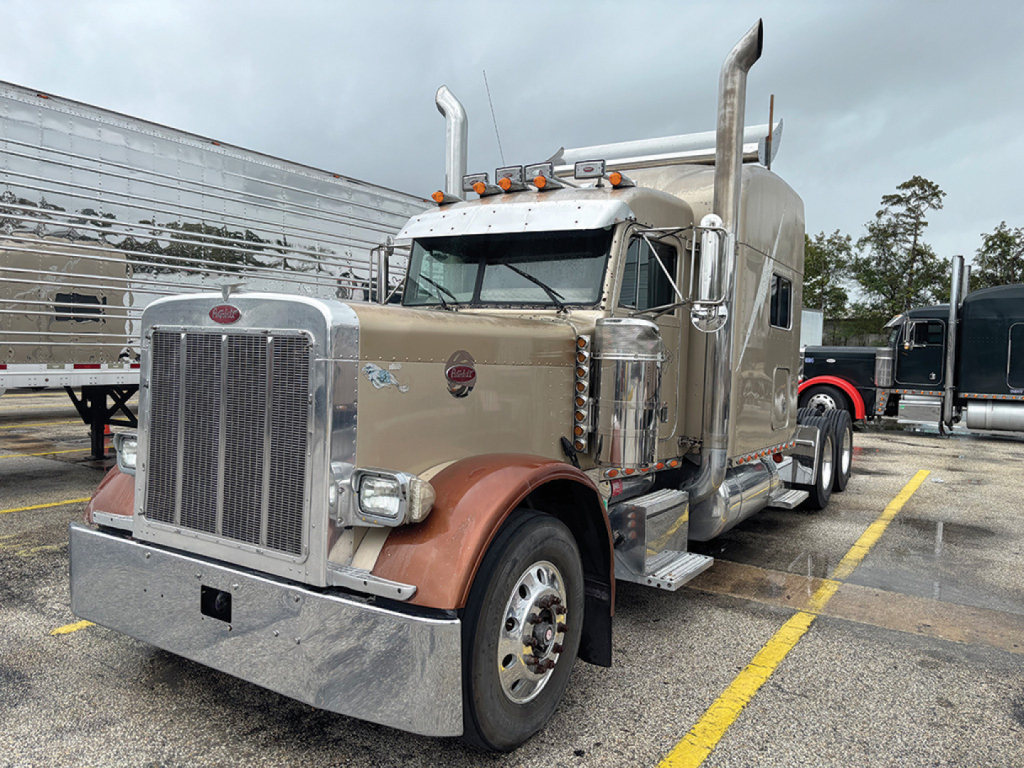
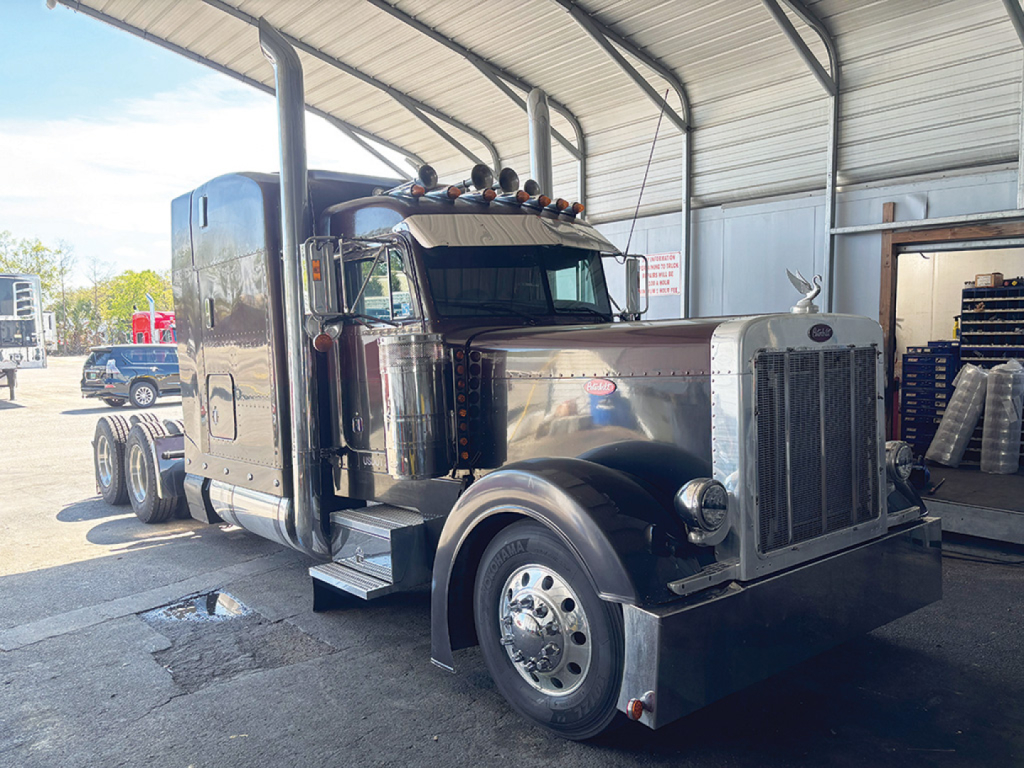
Selling a peterbilt conventional sleeper truck? List your peterbilt conventional sleeper truck for sale and reach thousands of commercial buyers.
Peterbilt Conventional Sleeper Trucks in Georgia
The first decision is usually sleeper and cab configuration. Peterbilt conventional sleepers commonly show up with 63-inch, 70-inch, and 80-inch sleepers, including Unibilt, UltraCab, and UltraLoft layouts. A 63-inch sleeper works well for regional overnights and teams that do not need maximum storage. A 70-inch or 80-inch sleeper is better suited to extended over-the-road use, especially when paired with an upper bunk, refrigerator, inverter, bunk heater, and APU. Interior condition matters on used sleepers because cabinets, bunk latches, HVAC controls, and insulation affect daily livability more than cosmetic trim.
Powertrain spec drives how the truck will perform and what it will cost to run. Common engines in this category include the Cummins X15, Cummins ISX, PACCAR MX-13, and in older long-hood trucks, Caterpillar power. Horsepower often falls in the 455 to 600 HP range, with 40,000 to 46,000 lb rear axle setups showing up regularly. Transmission choices can range from 10-speed and 13-speed manuals to 18-speed Fuller boxes and automated options like the Eaton Fuller Endurant 12-speed. Rear axle ratios such as 2.78, 3.08, 3.42, and 3.55 each point to a different job. Lower ratios generally favor fuel-efficient highway cruising, while deeper ratios help with heavier pulls, hill country, or specialized trailer work. Wheelbase, fifth wheel travel, and suspension type also matter if the truck will be matched to spread-axle flatbeds, vans, reefers, or heavier vocational-style loads.
A smart used-truck evaluation goes beyond engine make and sleeper size. Check for air ride suspension condition, engine brake operation, APU hours, tire type, and the condition of aluminum tanks, fairings, quarter fenders, and cab extenders. On Peterbilt sleepers, buyers also pay attention to frame length, air-slide fifth wheel function, signs of bunk leaks, and wear in the interior from team use or high-mileage over-the-road service. If fuel economy is the goal, an aerodynamic Peterbilt conventional sleeper with side fairings and a direct-drive or efficient overdrive setup may be the better choice. If resale appeal, appearance, and classic-spec drivability matter more, a 388 or 389 with a larger sleeper and manual transmission remains a strong niche option.
Frequently Asked Questions about Peterbilt Conventional Sleeper Trucks in Georgia
What is the difference between a Peterbilt 579, 587, 388, and 389 sleeper truck?
The main difference is the truck's design focus. The Peterbilt 579 and 587 are aerodynamic conventional sleeper trucks built to improve fuel economy and highway efficiency, making them common choices for fleet and over-the-road use. The 388 and 389 are more traditional long-hood conventionals, often preferred by owner-operators who want a longer wheelbase, classic styling, easier engine access, or heavier-spec drivetrains. The right choice depends on whether operating cost, ride layout, appearance, or application matters most.
What sleeper size is best in a Peterbilt conventional truck?
A 63-inch sleeper is often enough for regional hauling and occasional overnight runs, especially when storage needs are modest. A 70-inch or 80-inch sleeper is better for long-haul service, team operations, and drivers who spend extended time on the road. Buyers should look beyond sleeper length and check for stand-up room, bunk arrangement, refrigerator space, APU integration, bunk heater, and overall cabinet and HVAC condition because those details affect day-to-day usability more than the published sleeper dimension alone.
Which engine and transmission specs are common in used Peterbilt sleeper trucks?
Used Peterbilt conventional sleepers commonly come with Cummins X15, Cummins ISX, PACCAR MX-13, and some older Caterpillar engines. Horsepower usually lands between 455 and 600 HP depending on age and application. Manual 10-speed, 13-speed, and 18-speed transmissions are still common, while many newer highway trucks use automated manuals such as the Eaton Fuller Endurant 12-speed. Buyers should match horsepower, transmission type, and rear axle ratio to the intended trailer weight, terrain, cruising speed, and fuel economy target.
What rear axle ratio should I look for in a Peterbilt sleeper?
Rear axle ratio should match the work. A 2.78 or 3.08 ratio is common in aerodynamic highway tractors where fuel mileage and lower engine rpm at cruise are priorities. A 3.42 or 3.55 ratio is more favorable for heavier hauling, stop-and-go work, or routes with more grade changes. Ratio choice also depends on tire size, transmission gearing, and desired road speed, so it should be evaluated as part of the full driveline rather than as a stand-alone number.
What should I inspect first on a used Peterbilt conventional sleeper truck?
Start with the maintenance history, emissions system condition, engine hours if equipped with an APU, and signs of oil or coolant loss. Then inspect suspension wear, steering play, brake condition, tire wear pattern, and fifth wheel operation. On the sleeper itself, check for water intrusion, HVAC performance, bunk equipment function, and wear in cabinets and trim. On aerodynamic models, damaged fairings can affect both appearance and fuel economy, while on long-hood trucks, front-end components, frame condition, and hood alignment deserve extra attention.