
2006 Peterbilt Conventional Sleeper Trucks For Sale
Shop 2006 Peterbilt conventional sleeper trucks. Compare engine, sleeper, wheelbase, drivetrain, and owner-operator spec details.
Learn more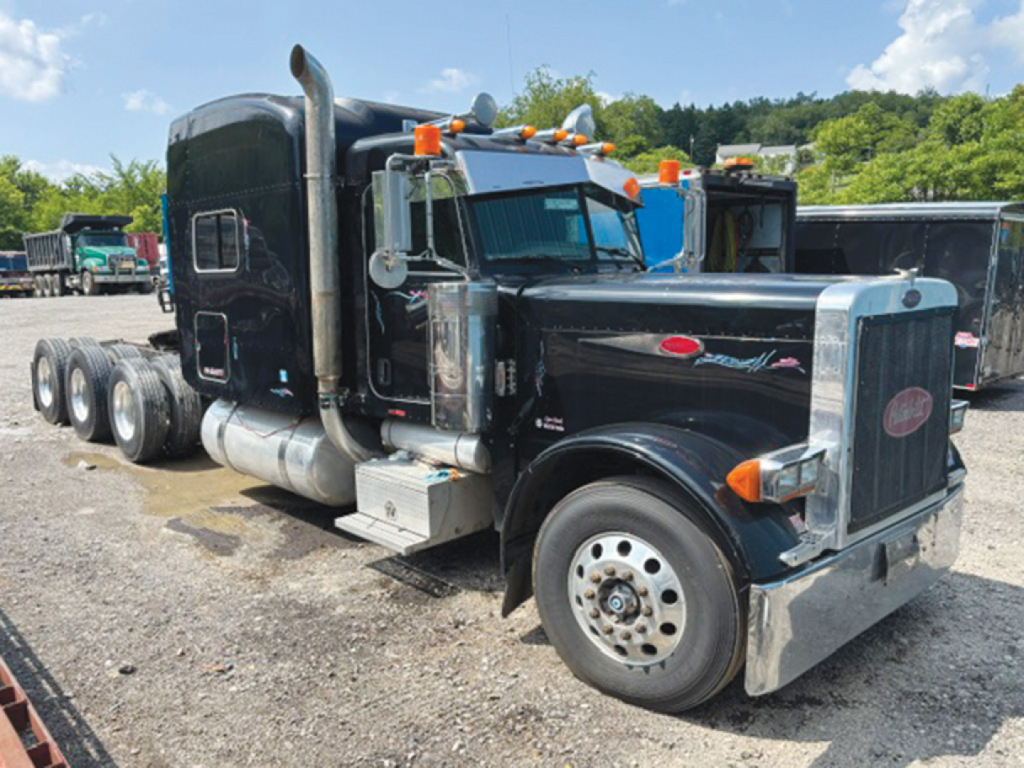

Have 2006 peterbilt conventional sleeper truck to sell? List it here to reach thousands of buyers.
About 2006 Peterbilt Conventional Sleeper Trucks
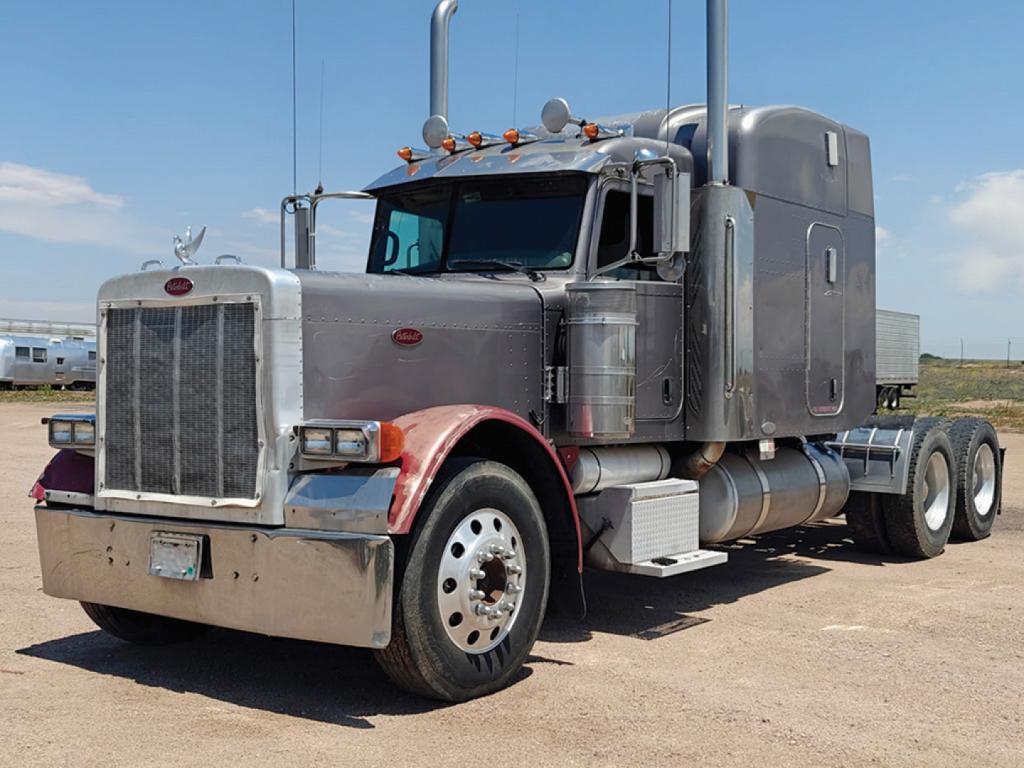
The first buying decision is usually the powertrain. A 2006 Peterbilt sleeper may be equipped with a Caterpillar C15, Cummins ISX, or Detroit Series 60 depending on the original order and later repowers. Manual 10-speed, 13-speed, and 18-speed transmissions are common, with 13-speed setups especially attractive to buyers who want flexibility for mixed highway and off-pavement work. Rear axle ratings often land around 38,000 to 46,000 pounds, and axle ratios can vary widely depending on whether the truck was built for fuel mileage, heavy pulling, or vocational crossover use. Wheelbase matters more than many buyers expect because it affects ride quality, trailer swing clearance, and the ability to fit headache racks, APUs, deck plates, or wet kits.
Cab and sleeper configuration should be matched to the route length and driver expectations. In 2006 Peterbilt conventionals, sleeper sizes can range from compact bunks for regional overnights to larger sleepers intended for extended time on the road. Buyers often pay close attention to interior wear, seat base condition, HVAC performance, bunk heater operation, and electrical add-ons such as inverters, refrigerators, extra lighting, and auxiliary power units. Exterior details also matter on this class of truck because many were customized with breathers, exhaust, bumpers, lights, and frame modifications. A clean appearance can add appeal, but frame integrity, suspension condition, steering components, and service history should carry more weight than cosmetic extras.
For a 2006 unit, condition and specification usually matter more than mileage alone. Rebuilt engines, transmission work, clutch replacement, suspension refreshes, and brake system updates can make a major difference in long-term value. Buyers should also verify tire age, fifth wheel condition, crossmember integrity, air system health, and signs of prior overloading or poor frame repair. A well-kept 2006 Peterbilt conventional sleeper can still be a productive truck for operators who want a durable pre-DPF platform, strong resale appeal, and the serviceability that made these trucks a staple in fleets and owner-operator operations alike.
Frequently Asked Questions
What engines are commonly found in a 2006 Peterbilt conventional sleeper?
Common engine choices in a 2006 Peterbilt conventional sleeper include the Caterpillar C15, Cummins ISX, and Detroit Series 60, depending on the model and original spec. Many buyers target these engines because they are widely supported in the used truck market and were installed before later emissions systems became more complex. The right choice depends on your shop familiarity, parts preferences, and whether the truck will be used for highway freight, heavy pulling, or regional work.
Is a 2006 Peterbilt sleeper truck a good choice for an owner-operator?
A 2006 Peterbilt sleeper truck is often a strong fit for owner-operators who want a classic conventional platform with strong visual appeal, proven drivetrains, and relatively straightforward serviceability. These trucks are especially attractive to buyers who value manual transmissions, custom specs, and pre-DPF engine platforms. The key is to buy on maintenance history, drivetrain condition, and frame quality rather than appearance alone.
What should I inspect first on a used 2006 Peterbilt conventional sleeper?
Start with the engine records, transmission operation, rear axle condition, and the frame. After that, inspect suspension bushings, steering wear, fifth wheel movement, air leaks, brake function, and signs of rust or poor repairs around crossmembers and suspension hangers. On sleeper trucks, buyers should also test HVAC operation, bunk accessories, electrical add-ons, and charging system performance because older owner-operator spec trucks often have aftermarket wiring and cab modifications.
Are 13-speed transmissions common in 2006 Peterbilt sleeper trucks?
Yes, 13-speed manual transmissions are very common in 2006 Peterbilt conventional sleepers, especially in owner-operator and mixed-duty specs. A 13-speed offers more flexibility than a straight 10-speed when the truck sees varied terrain, heavier loads, or specialized work. Buyers who spend most of their time on flat interstate routes may prefer other ratios and transmission combinations, but the 13-speed remains one of the most sought-after setups in this class.
Why do buyers look for pre-emissions Peterbilt sleeper trucks from this era?
Many buyers shop 2006 Peterbilt sleeper trucks because they want a pre-DPF platform with fewer emissions components to maintain. That can mean simpler troubleshooting, less downtime tied to aftertreatment systems, and easier fit with legacy fleet maintenance practices. The advantage still depends on the truck being mechanically sound, because age, prior use, and maintenance quality matter more than model year alone.