
2005 Peterbilt Conventional Sleeper Trucks For Sale
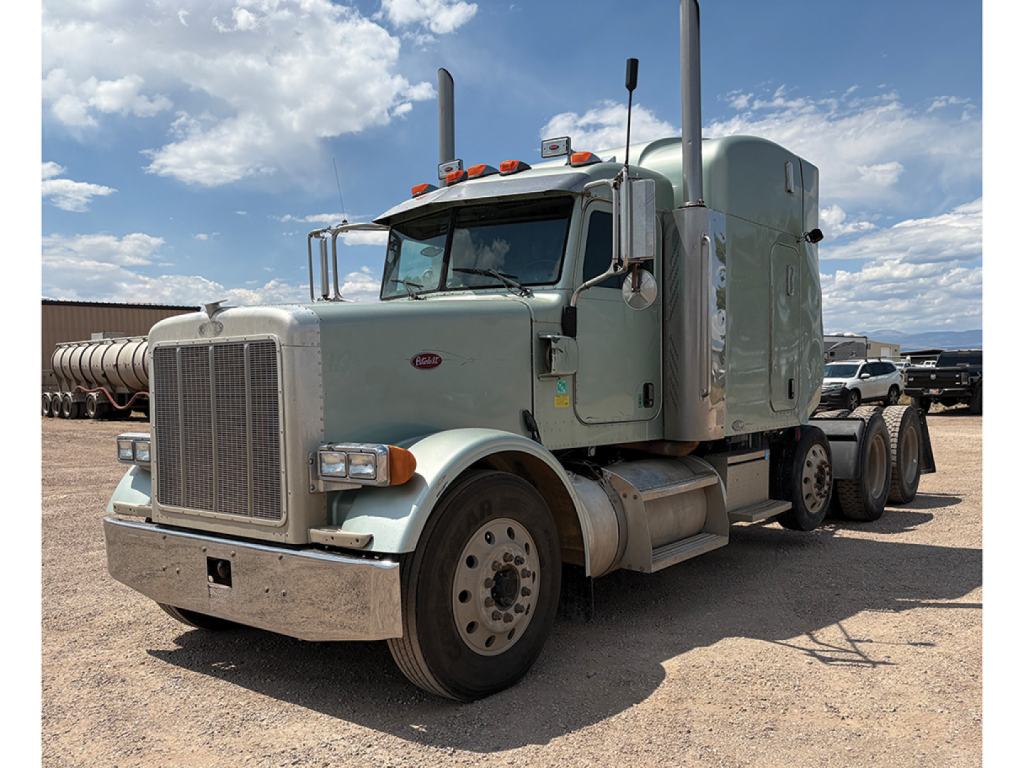
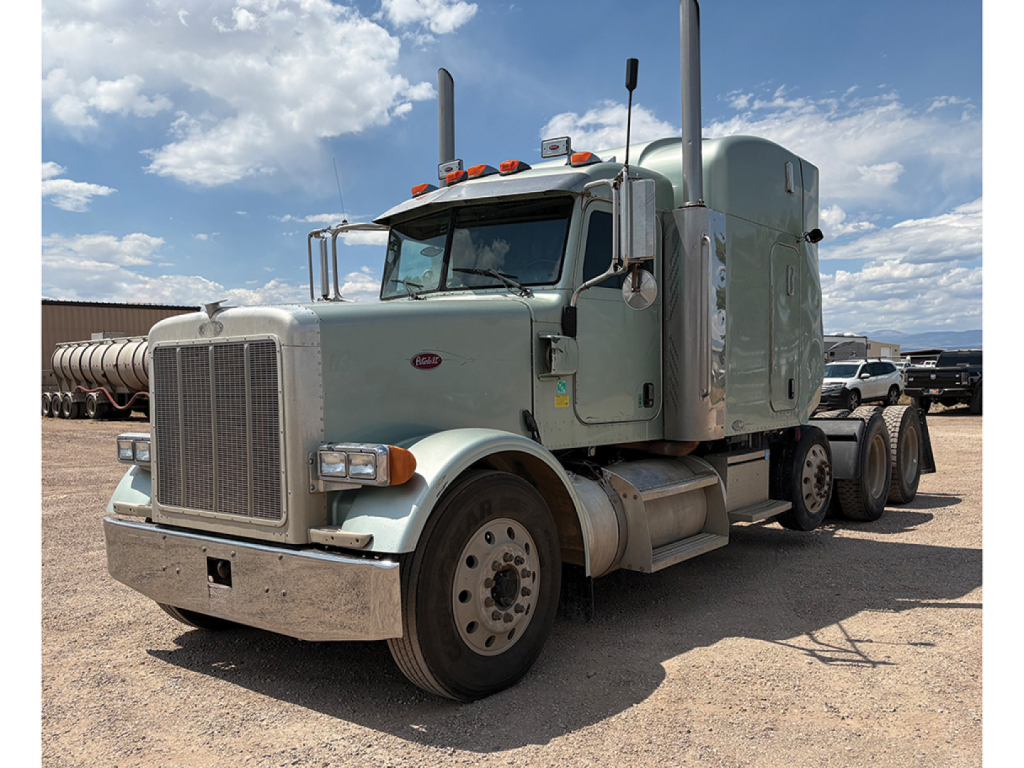
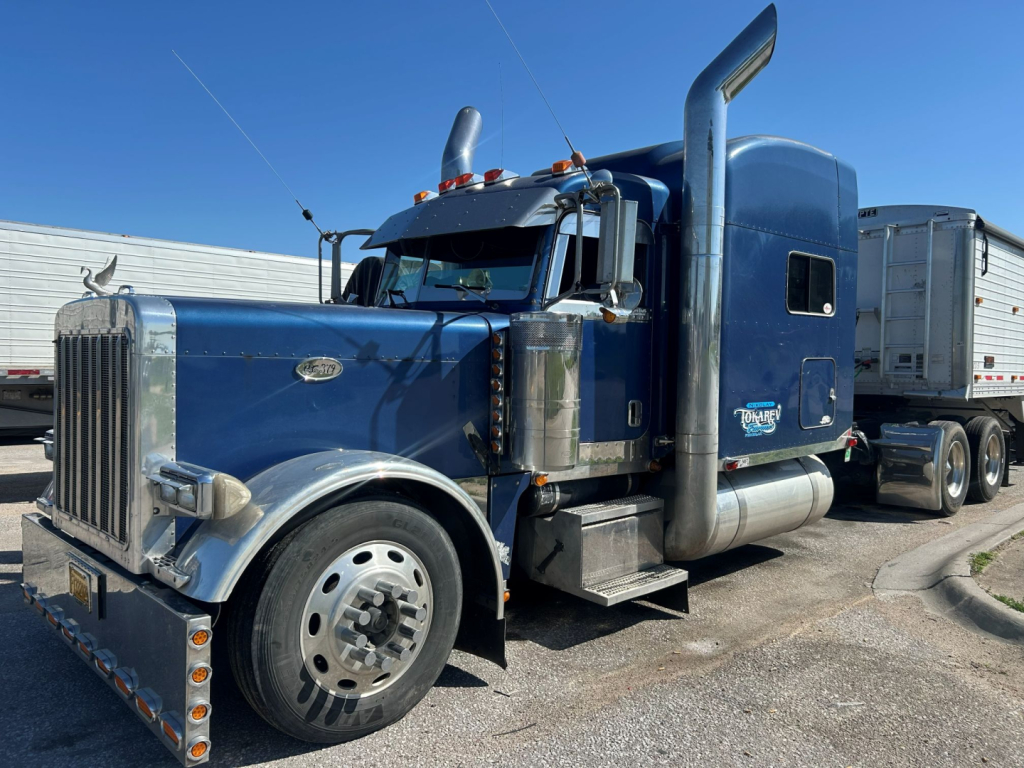
Have 2005 peterbilt conventional sleeper truck to sell? List it here to reach thousands of buyers.
2005 Peterbilt Conventional Sleeper Trucks
The big buying decision on a 2005 Peterbilt sleeper is the drivetrain. Common engines in this year range include Caterpillar C15 and C13, Cummins ISX, and Detroit Series 60 depending on how the truck was originally spec'd. Manual transmissions such as 10-speed, 13-speed, and 18-speed Eaton-Fuller boxes are common, and rear axle ratios can vary widely based on intended use. A highway truck may carry faster gearing for fuel mileage, while a heavy-spec unit may have deeper ratios, double frame rails, locking rears, and a heavier suspension package. Sleeper sizes also matter. Mid-roof and high-roof sleeper configurations can affect resale, driver comfort, and total wheelbase, especially if you are trying to balance ride quality with trailer swing clearance and bridge law considerations.
On a used 2005 Peterbilt conventional sleeper, condition matters more than cosmetics. Buyers should pay close attention to engine history, overhaul records, transmission and clutch life, rear end ratio, frame condition, and signs of corrosion around cab mounts, crossmembers, and battery boxes. Suspension type, fifth wheel setup, and wheelbase should match the work. A truck set up for van and reefer freight will not always be ideal for flatbed, grain, or specialized hauling. It is also smart to inspect interior wear, gauge function, HVAC performance, bunk condition, and electrical add-ons, since many of these trucks have spent years in owner-operator service and may have been modified over time.
A well-spec'd 2005 Peterbilt sleeper can still be a strong fit for regional or long-haul work where emissions complexity is a concern and driver preference leans toward a classic conventional platform. Buyers comparing listings should look past horsepower alone and focus on complete operating spec: engine family, transmission, suspension, axle ratings, wheelbase, sleeper length, and maintenance documentation. In this category, the best truck is usually the one with the clearest history and the spec that matches the freight, not simply the shiniest hood.
Frequently Asked Questions about 2005 Peterbilt Conventional Sleeper Trucks
What is the most common 2005 Peterbilt conventional sleeper model?
The Peterbilt 379 is the most recognized 2005 conventional sleeper model on the used market. It was widely spec'd for owner-operators, over-the-road carriers, and vocational-heavy applications that needed a sleeper. Buyers often seek the 379 for its long-hood design, service access, aluminum cab construction, and compatibility with popular pre-emissions engines and manual transmissions.
What engines are commonly found in a 2005 Peterbilt sleeper truck?
Common engine options in a 2005 Peterbilt conventional sleeper include the Caterpillar C15, Cummins ISX, and Detroit Series 60, with exact availability depending on the original order spec and application. Each has its own following, but the main buyer concerns are service history, rebuild documentation, oil sample trends, and how the horsepower and torque rating match the transmission, rear ratio, and intended freight.
Why do buyers look for 2005 Peterbilt sleeper trucks specifically?
Many buyers target 2005 trucks because they are generally pre-DPF and pre-DEF, which means less aftertreatment complexity than newer emissions-era equipment. That can make maintenance more straightforward, especially for operators with in-house mechanical support. Buyers also like the classic Peterbilt interior and exterior design, strong parts support, and the availability of drivetrain combinations that are still familiar to many independent shops.
What should I inspect first on a used 2005 Peterbilt conventional sleeper?
Start with the engine and driveline records, then move to frame condition, suspension wear, steering components, and cab structure. Verify the transmission model, rear axle ratio, suspension type, and axle ratings against the work you plan to do. On an older sleeper truck, it is also important to check for wiring modifications, bunk HVAC function, gauge operation, air system leaks, and signs of rust or fatigue around mounts, brackets, and crossmembers.
Is a 2005 Peterbilt sleeper good for long-haul work?
It can be, if the truck is properly spec'd and well maintained. A 2005 Peterbilt sleeper with the right wheelbase, sleeper size, gearing, fuel capacity, and suspension can still serve well in long-haul service. The key is making sure the truck's spec matches highway use rather than assuming every sleeper tractor is set up the same. Ride quality, noise level, bunk layout, and fuel economy all depend heavily on how the truck was originally built.