
Used Mack Conventional Sleeper Trucks For Sale in New York
Browse used Mack conventional sleeper trucks with specs on MP engines, Mack drivetrains, sleeper sizes, axle ratings, and highway applications.
Selling a used mack conventional sleeper truck? List your used mack conventional sleeper truck for sale and reach thousands of commercial buyers.
Used Mack Conventional Sleeper Trucks in New York
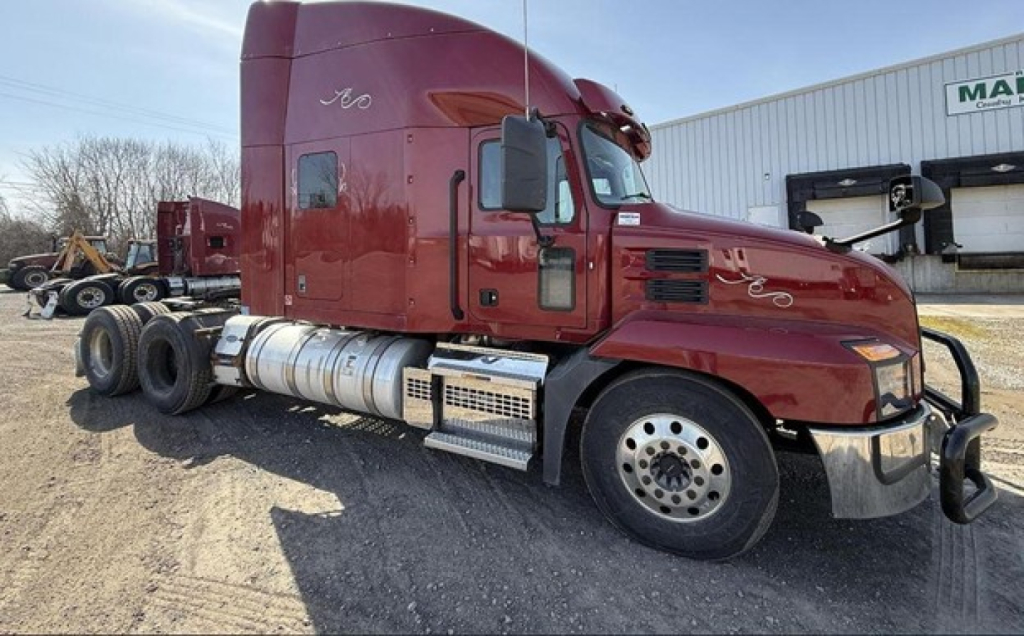
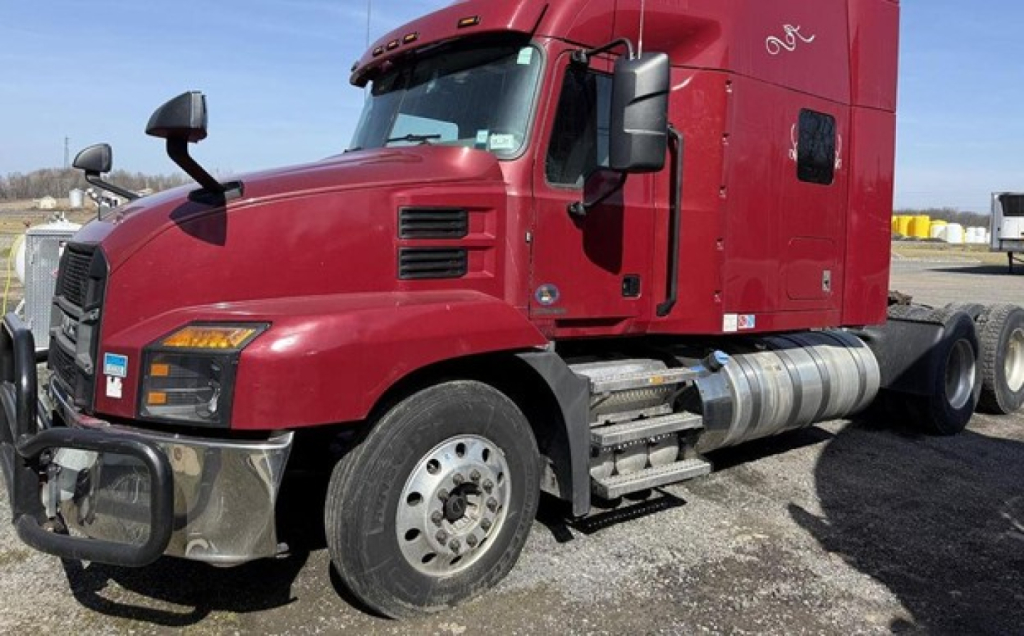
A used Mack sleeper should be evaluated as a total operating package, not just by engine badge or mileage. Common items to review include suspension type, often Mack 4-bag air ride on highway specs, front axle ratings around 12,000 pounds, tandem rears at 40,000 pounds, wheelbase, and fifth wheel setup. Sleeper size also matters more than many buyers expect. Mid-roof sleepers in the 60 to 66 inch range are common on this class and can be a practical fit for regional and shorter long-haul work without the extra height and weight of a larger condo configuration. In New York and the Northeast, tighter terminals, bridge considerations, and mixed urban-highway routes can make a mid-roof conventional sleeper a smart compromise.
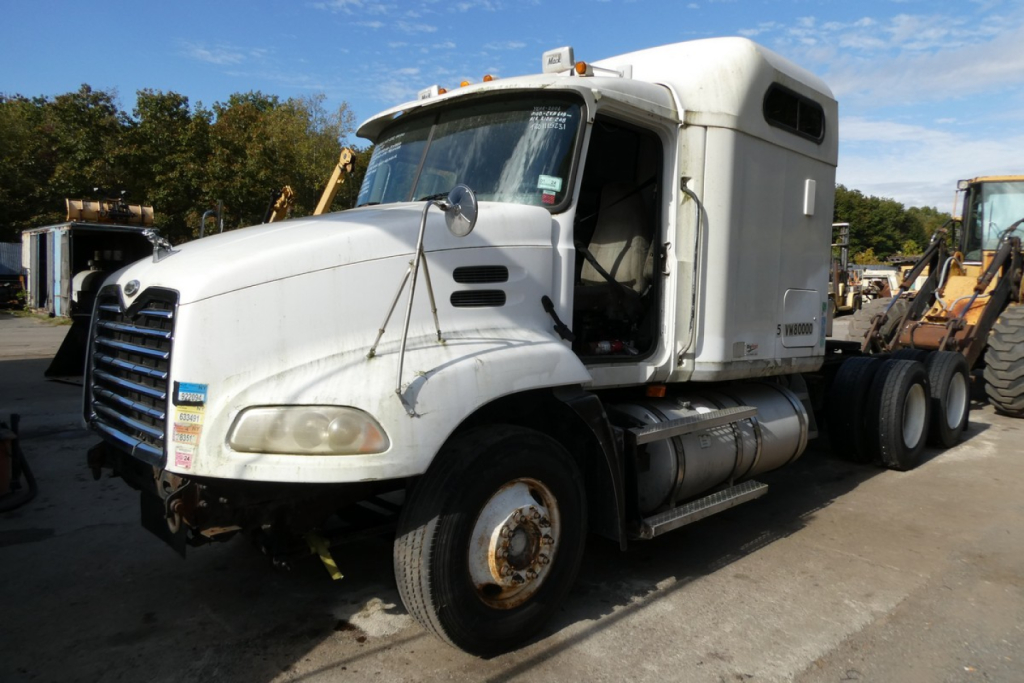
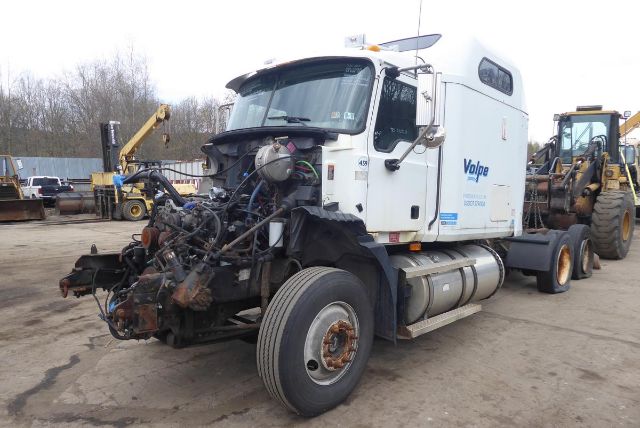
Mack sleeper trucks have long appealed to fleets and owner-operators looking for a sturdy highway tractor with straightforward vocational toughness. That matters in secondary markets because many used units have seen hard service, and condition can vary widely from road-ready tractors to incomplete units being sold as project trucks or parts sources. Pay close attention to engine starting behavior, blow-by, injector and turbo condition, emissions system status where applicable, clutch and transmission operation, frame condition, sleeper air ride, and evidence of prior collision or corrosion repair. In northern states, rust around cab mounts, battery boxes, crossmembers, and suspension hardware deserves close inspection.
The best used Mack conventional sleeper truck for one buyer is not always the highest horsepower unit. Matching the truck to freight weight, terrain, cruise speed, and maintenance capability is what determines value. A 10-speed with moderate rear gearing may suit regional van or reefer work, while a 13-speed or different ratio may be better for heavier lanes or varied grades. Buyers comparing listings should also weigh tire size, hub type, fuel tank capacity, cab-to-axle dimensions, and parts support for the exact engine and chassis spec. On an older Mack sleeper, a clear maintenance history and complete running configuration usually matter more than cosmetic appearance alone.
Frequently Asked Questions about Used Mack Conventional Sleeper Trucks in New York
What should I inspect first on a used Mack conventional sleeper truck?
Start with the engine, transmission, and rear axle spec because those determine how the truck will perform and what it will cost to put into service. Confirm cold-start behavior, oil and coolant condition, visible leaks, blow-by, fault codes, clutch engagement, shift quality, and differential operation. After that, inspect the frame, suspension, sleeper mounts, air system, and signs of rust or prior structural repair, especially on trucks that have operated in northern climates like New York.
Are Mack conventional sleeper trucks good for long-haul service?
Yes, many Mack conventional sleeper trucks are well-suited for long-haul and regional highway work, especially when spec'd with an aerodynamic hood, mid-roof sleeper, air ride suspension, and highway gearing. Their appeal is often a combination of durable chassis construction and driver-friendly sleeper space. The exact fit depends on sleeper size, horsepower, transmission, and axle ratio, so buyers should match the truck to average load weight, terrain, and expected cruise speed.
What sleeper size is common on older Mack conventional sleeper models?
Many older Mack conventional sleeper tractors are equipped with mid-roof sleepers in the 60 to 66 inch range. That size is a practical middle ground for drivers who need bunk space and storage without moving into a taller, heavier condo sleeper. It works well for regional freight, dedicated routes, and many over-the-road applications where maneuverability and lower overall height still matter.
How important is axle ratio on a used Mack sleeper truck?
Axle ratio is one of the most important specs on any highway tractor because it affects startability, grade performance, fuel economy, and engine rpm at cruising speed. Ratios such as 3.70 or 3.90 are common on older conventional sleepers, but the right choice depends on transmission gearing, tire size, freight weight, and route profile. A truck that looks similar on paper can perform very differently if the rear ratio is mismatched to the job.
Is high mileage a deal breaker on a used Mack conventional sleeper?
Not by itself. High mileage is common on highway sleeper tractors, and condition matters more than the odometer alone. A well-maintained Mack with documented service, a sound engine and transmission, and a clean chassis can be a better buy than a lower-mile truck with poor maintenance history or missing components. Service records, ECM data when available, and a thorough mechanical inspection are more useful than mileage in isolation.