
Used Mack Conventional Sleeper Trucks For Sale in Colorado
Shop used Mack conventional sleeper trucks with Anthem and CXU specs, sleeper options, MP engines, and highway-ready configurations.
No exact matches found for your search
Showing Used Conventional Sleeper Trucks in Colorado instead.
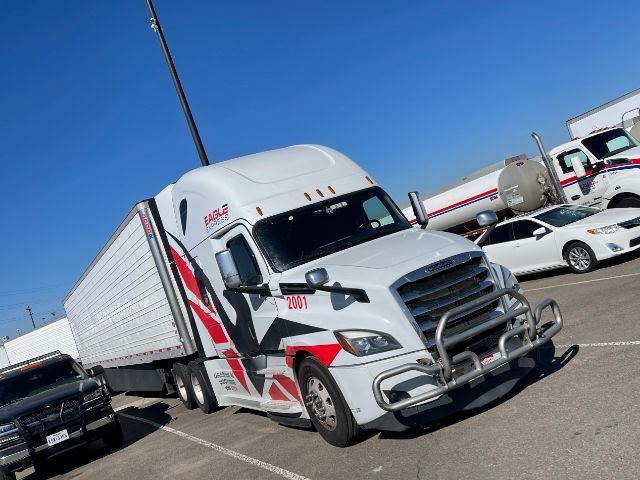
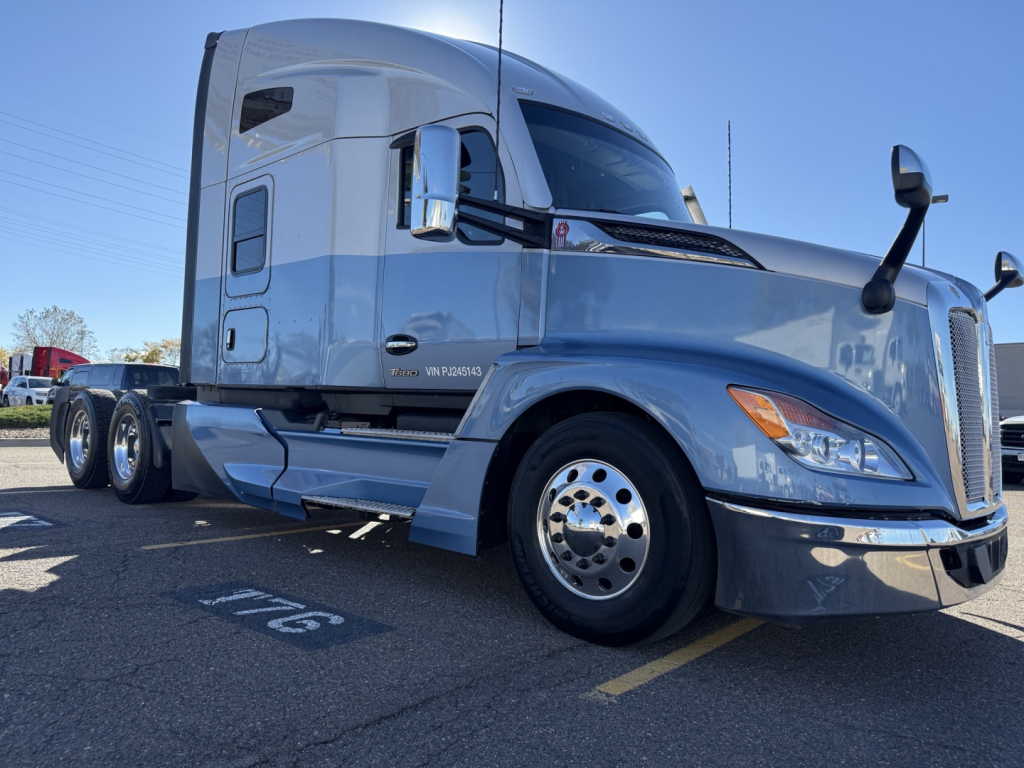
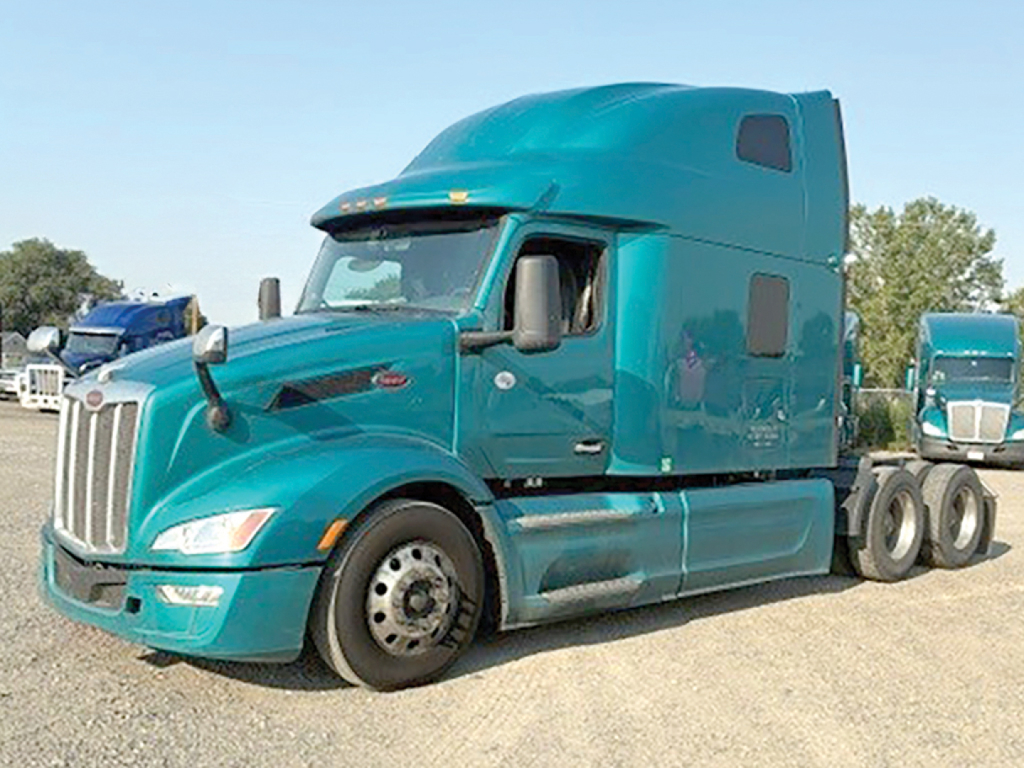
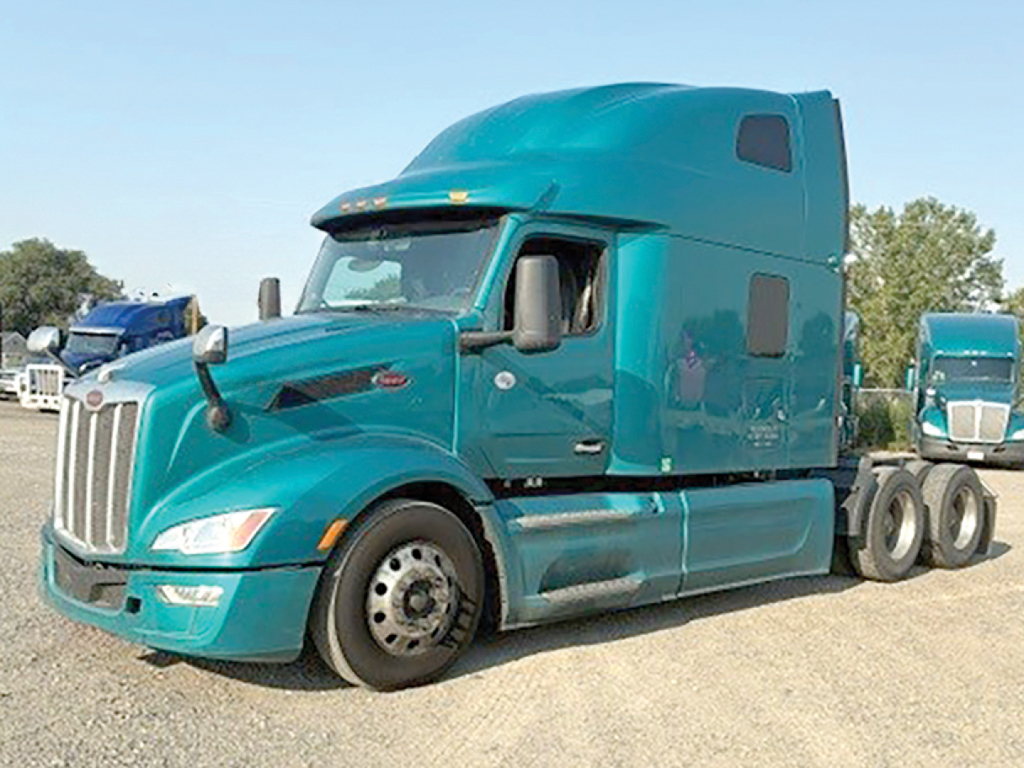
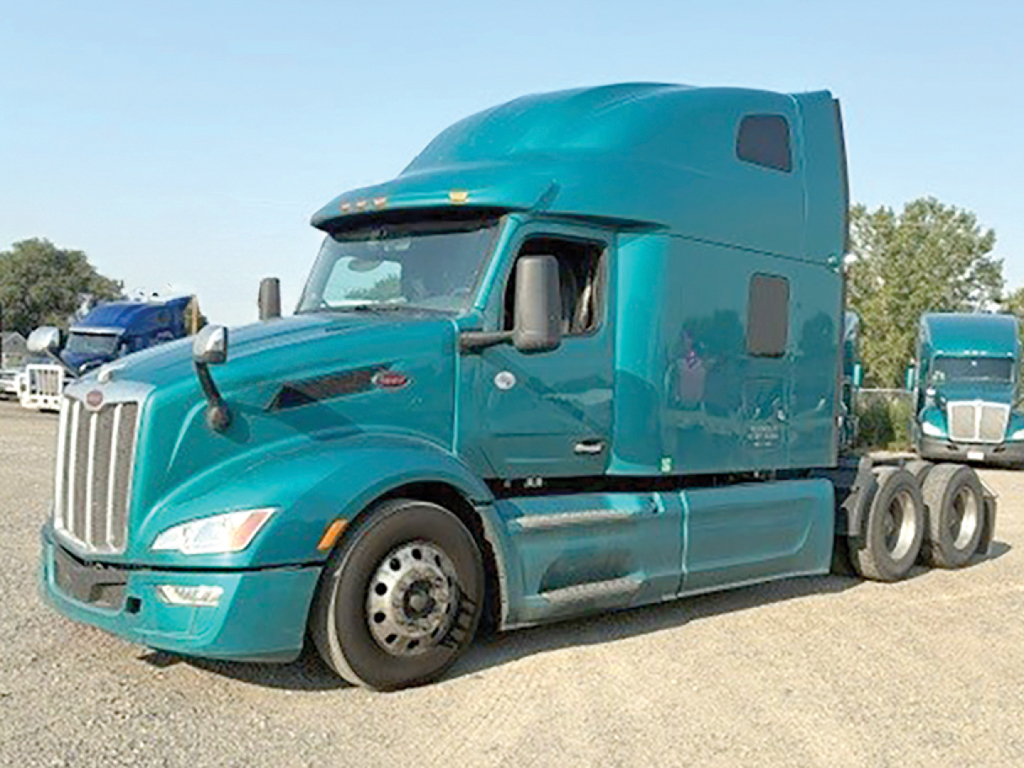
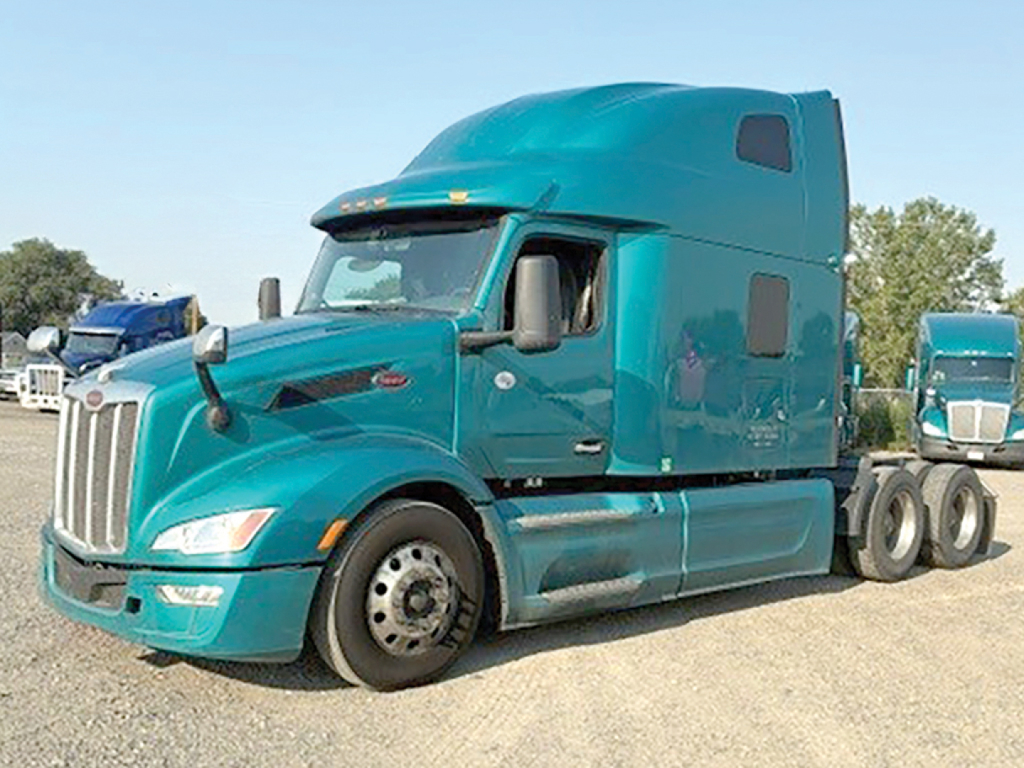
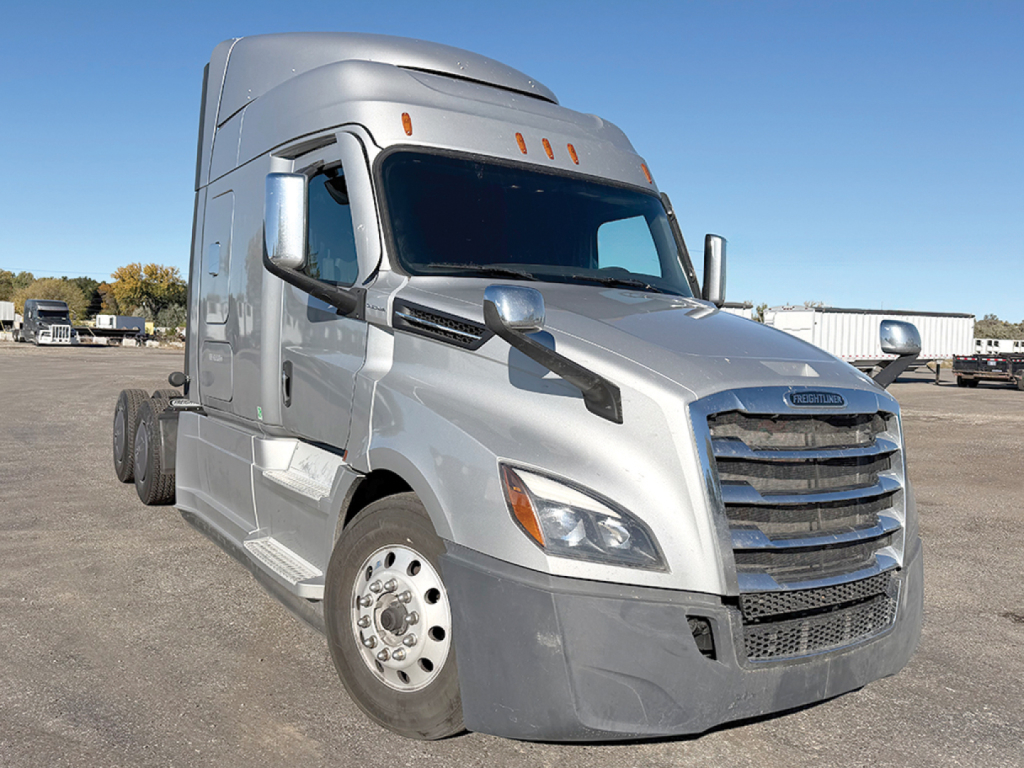
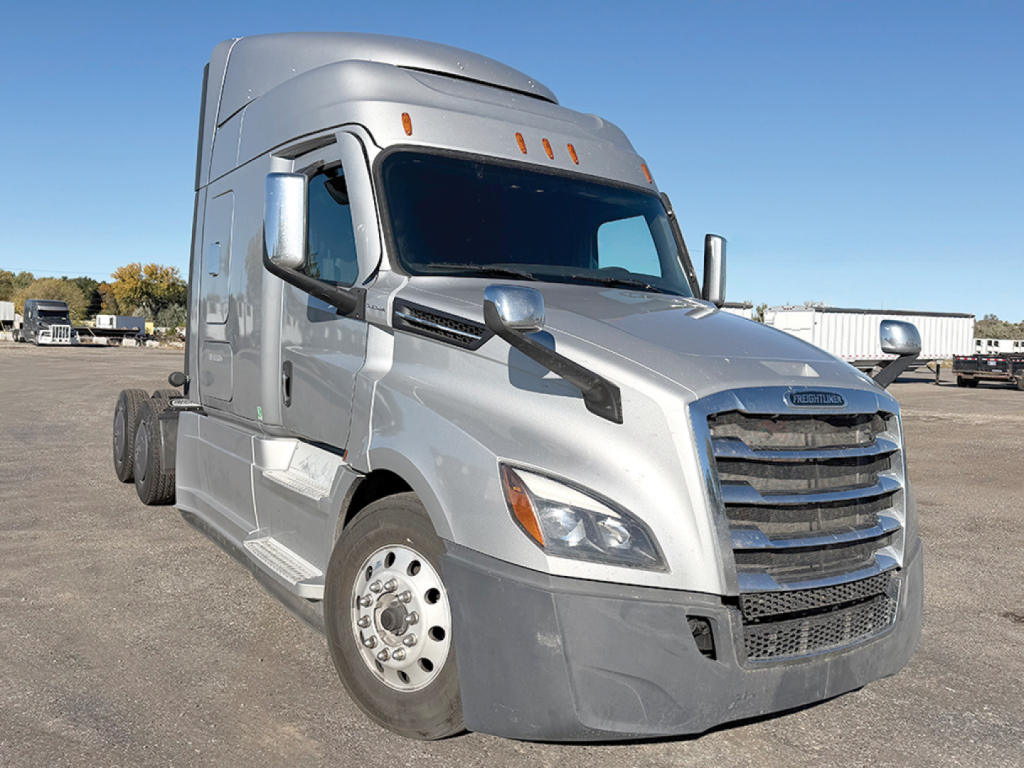
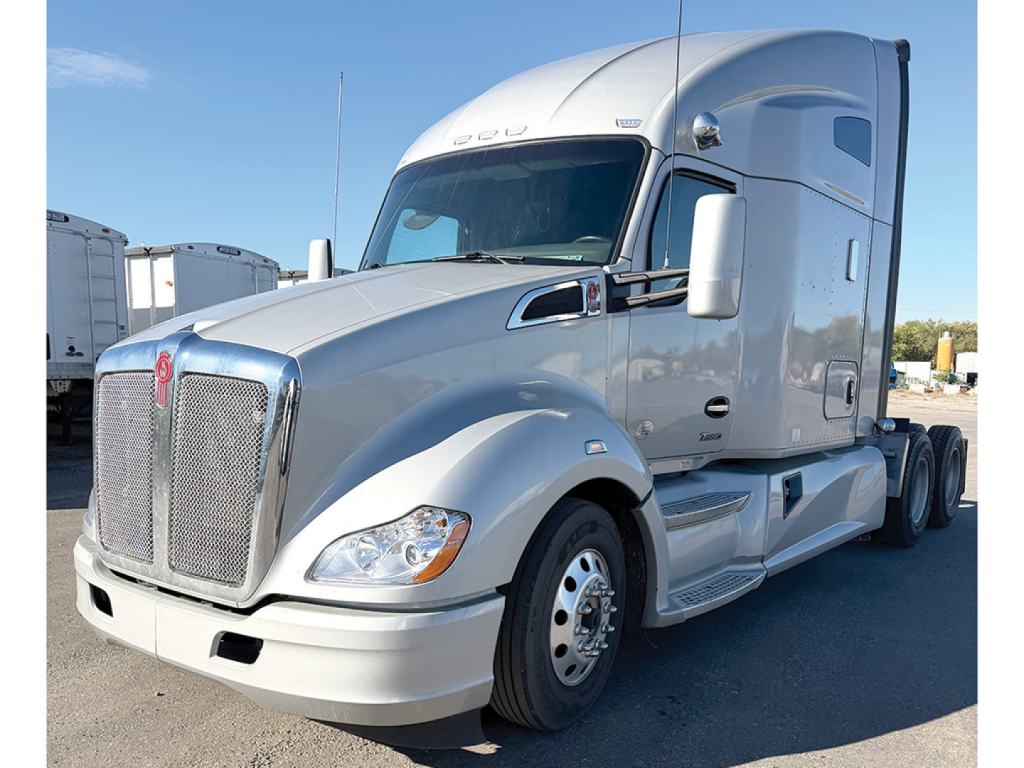
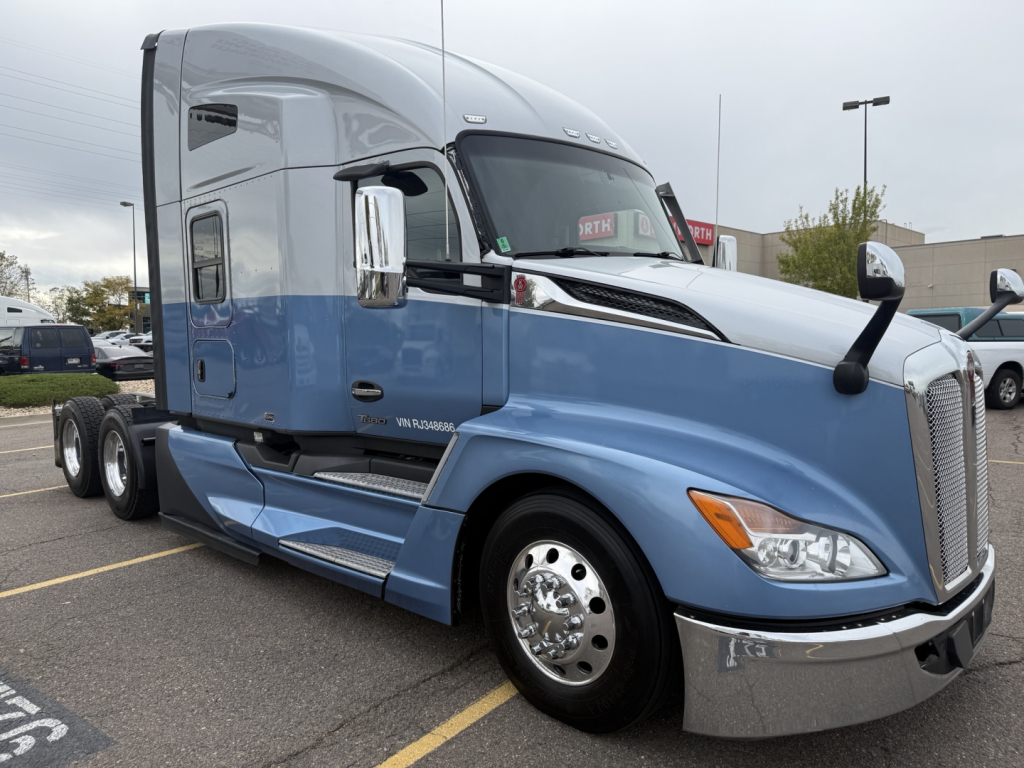
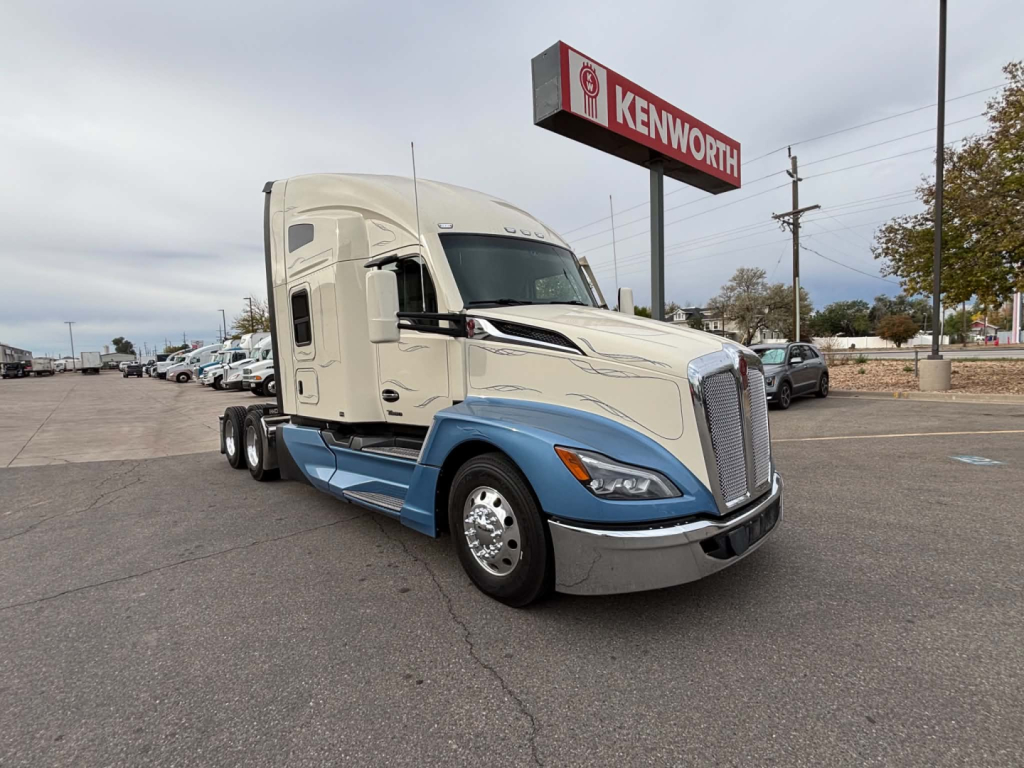
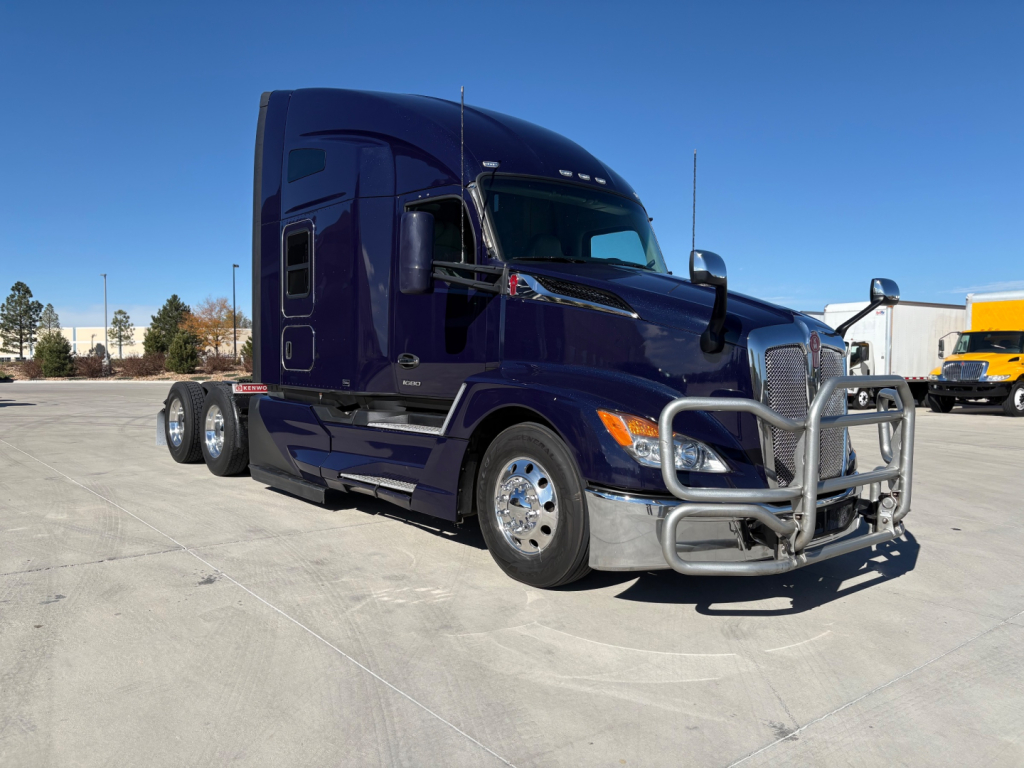
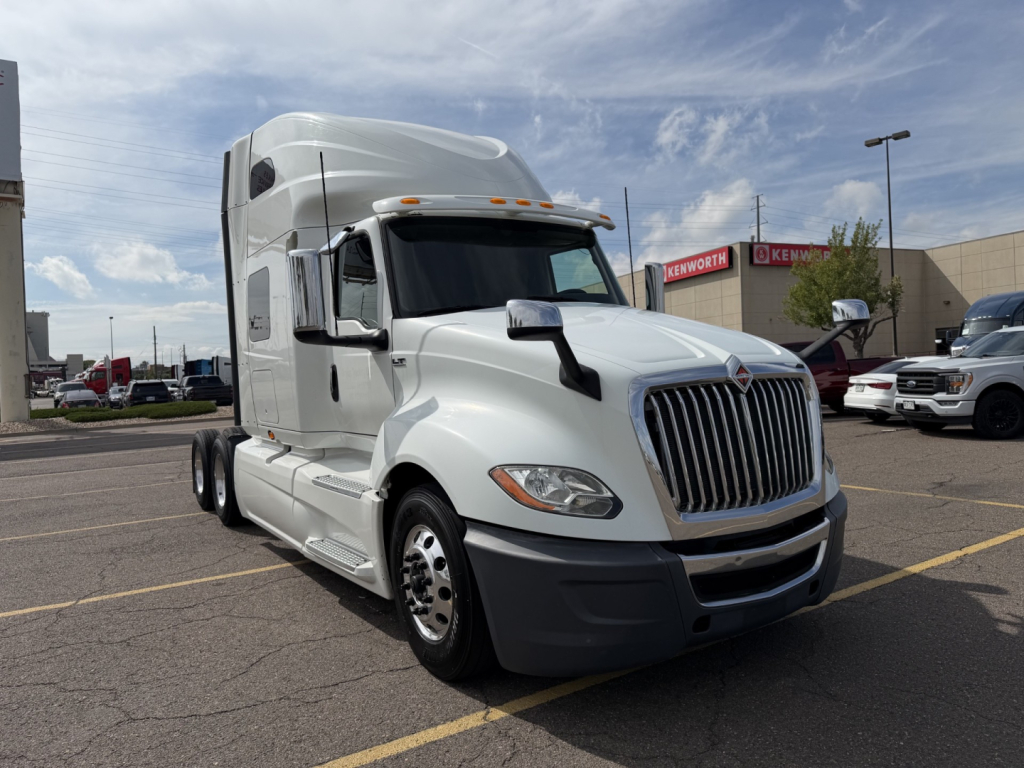
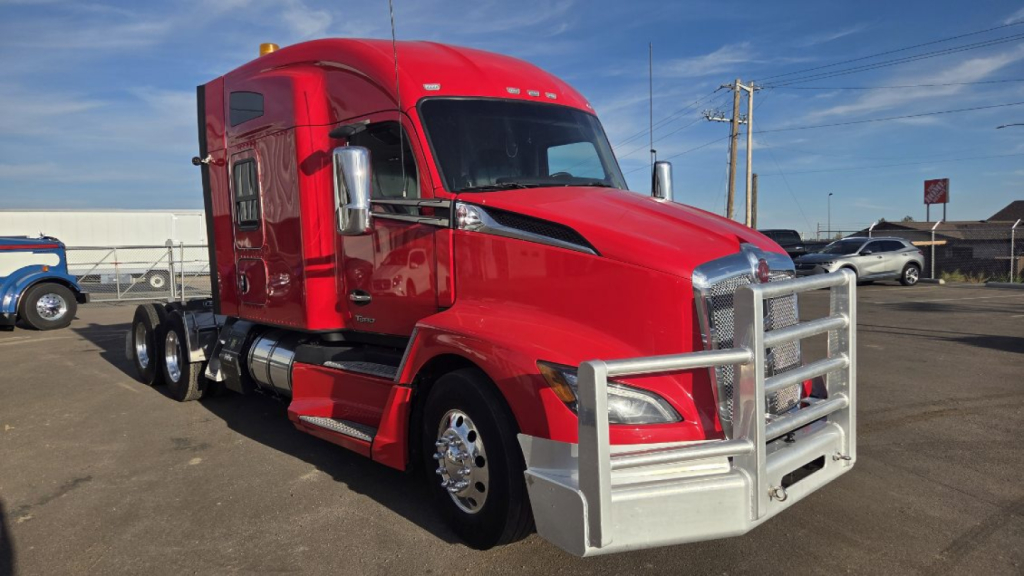
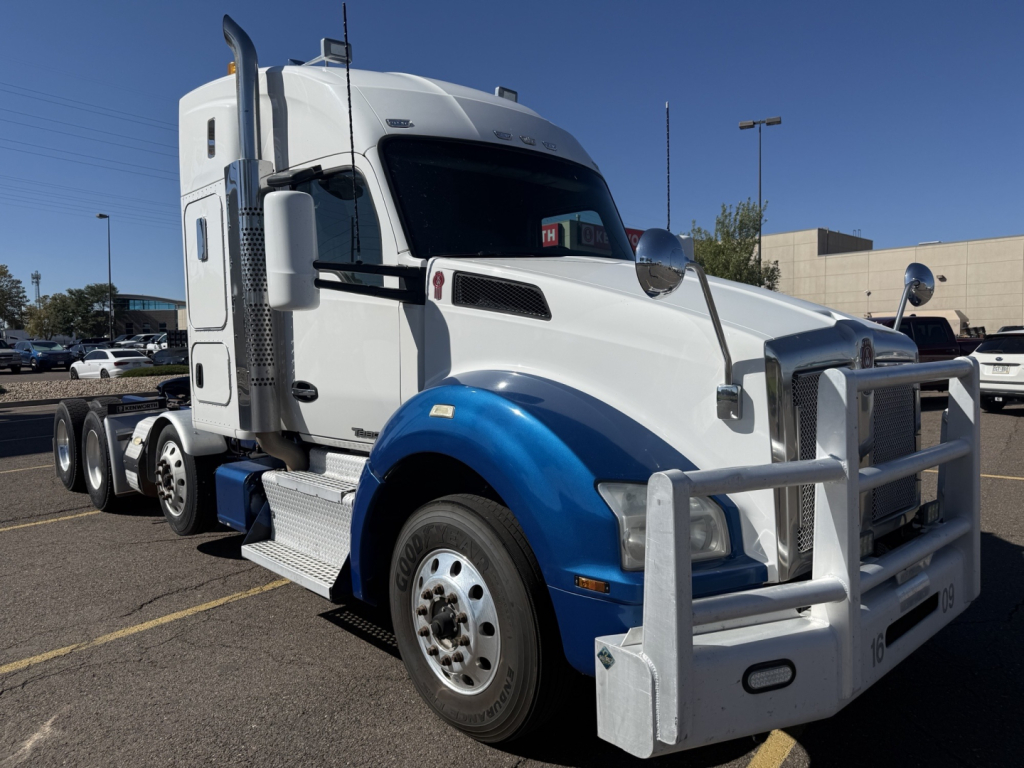
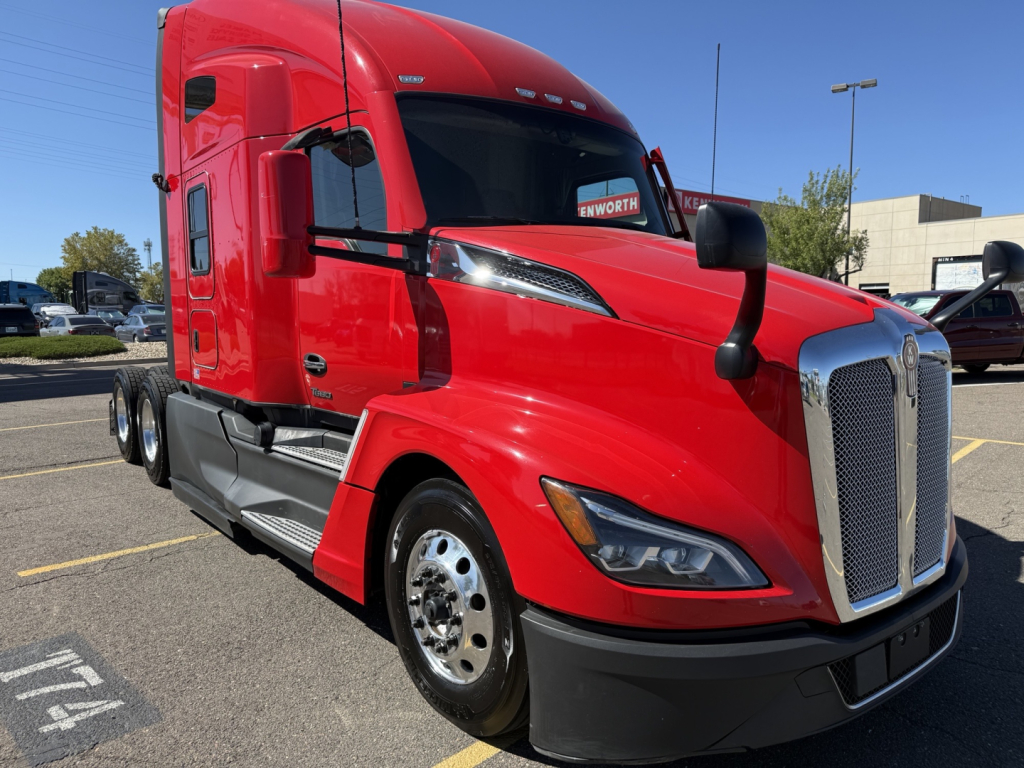
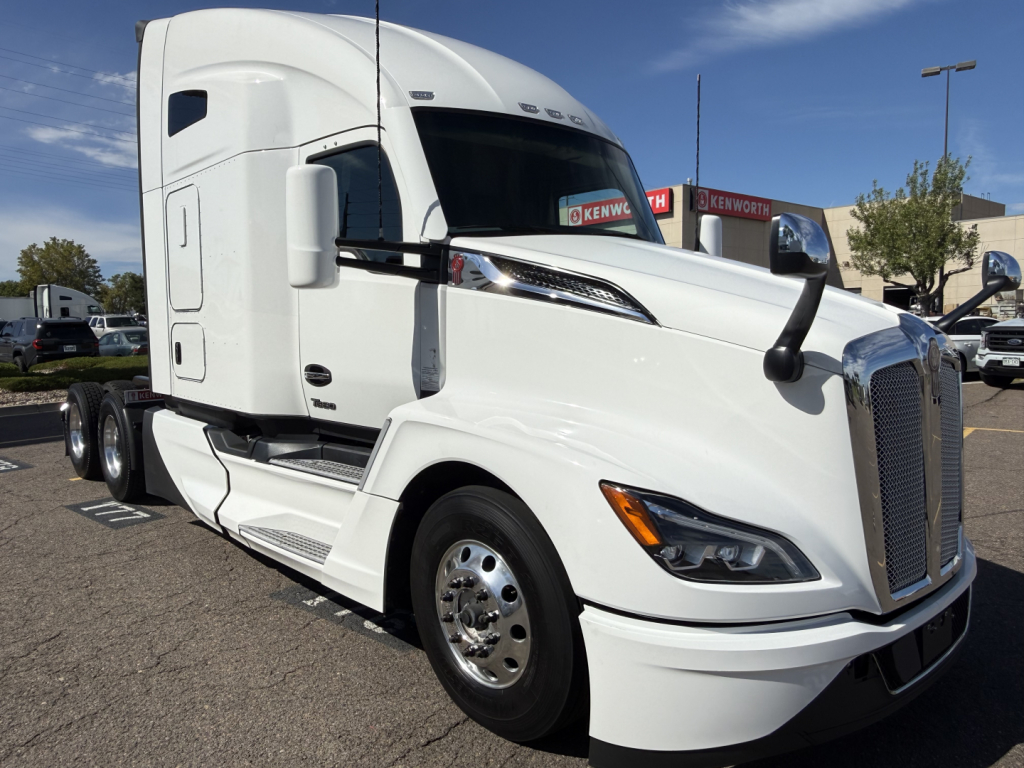
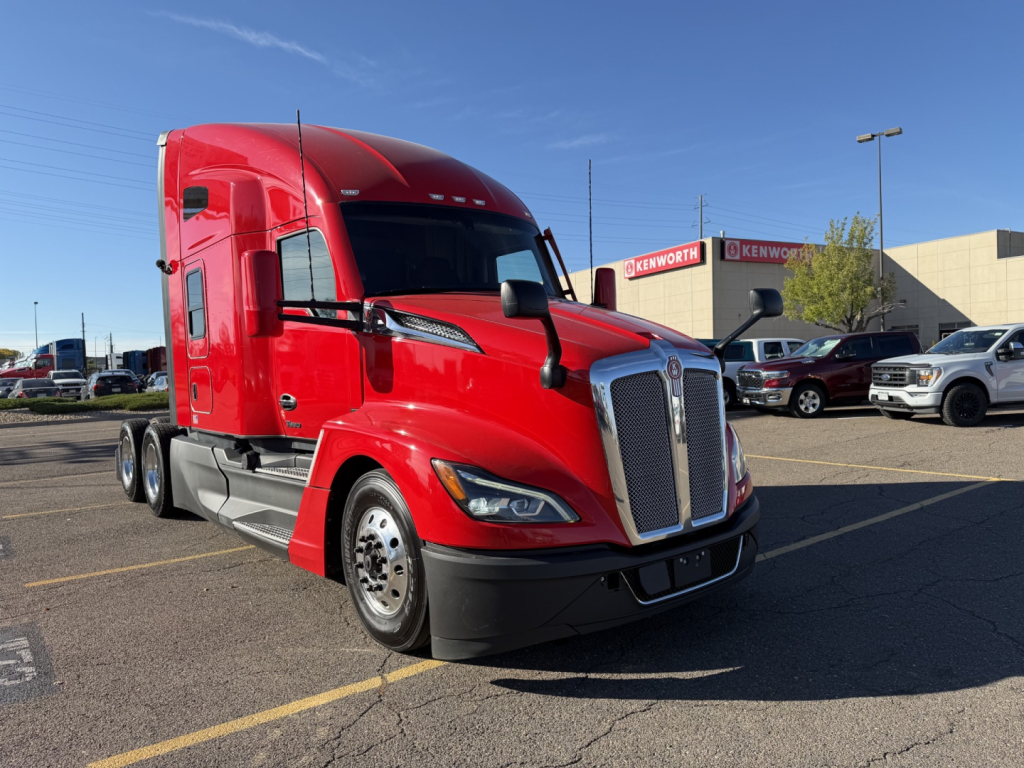
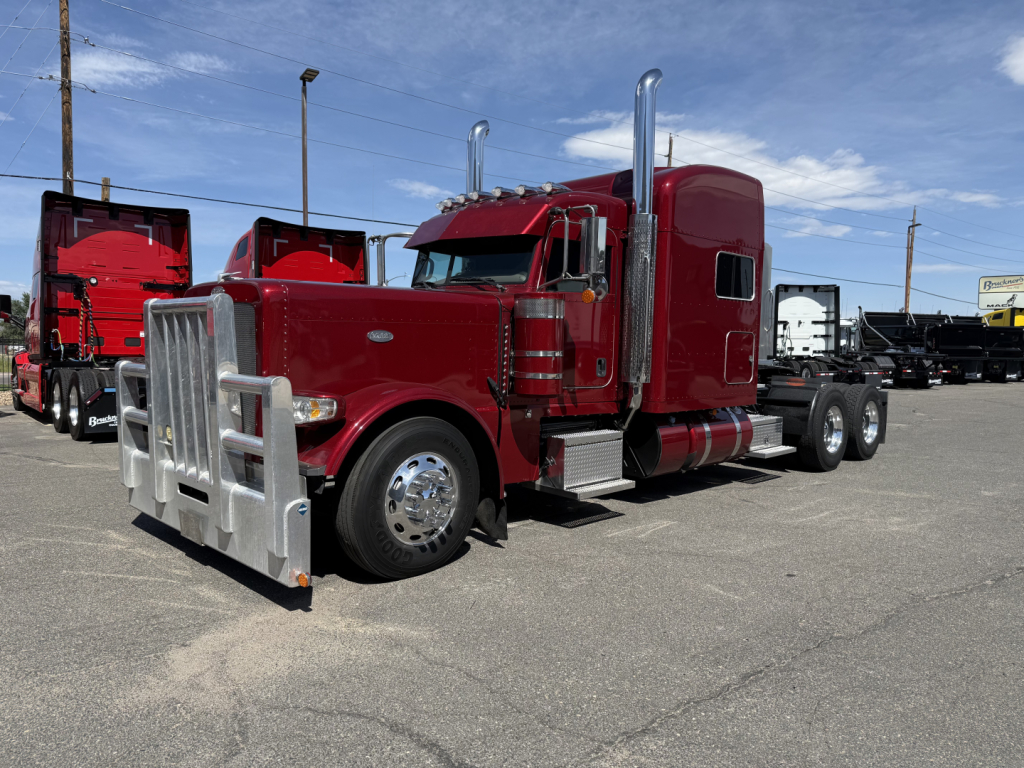

Selling a used mack conventional sleeper truck? List your used mack conventional sleeper truck for sale and reach thousands of commercial buyers.
Used Mack Conventional Sleeper Trucks in Colorado
The biggest buying decision is usually the powertrain. Mack conventional sleepers are commonly spec'd with Mack MP7 or MP8 diesel engines, paired with Mack automated manual transmissions or manual options in older trucks. Horsepower and torque ratings can vary widely depending on the original application, with higher-output configurations often preferred for tanker, heavy flatbed, or mountain corridors. Rear axle ratio, wheelbase, and suspension setup matter just as much as engine rating. A long wheelbase can improve ride quality and help with deck clearance or frame-mounted equipment, while a shorter wheelbase may be easier to maneuver in tighter yards and customer locations.
Sleeper size and interior layout should match the length of haul. Mid-roof sleepers are a common fit for fleets balancing aerodynamics, legal height, and driver comfort. Buyers should look at bunk configuration, storage, refrigerator prep, inverter setup, bunk HVAC operation, and overall cab condition, especially on used units that have seen team service or high annual miles. Chassis details also deserve a close look, including front axle rating, tandem capacity, fifth wheel position, tire and brake spec, and whether the truck has features like air ride suspension, disc brakes, collision mitigation, or integrated telematics. Mack's highway tractors are also known for a stable ride and a straightforward driver environment, which can be a plus for fleets trying to reduce training time across multiple drivers.
For a used Mack sleeper, maintenance history is a major value indicator. Emissions system service, transmission calibration history, DPF and aftertreatment condition, coolant system upkeep, and evidence of regular axle and suspension service all matter. In a state like Colorado, buyers may also inspect for corrosion patterns, cold-weather starting performance, and signs of hard mountain use such as excessive brake wear or driveline stress. A well-spec'd Mack conventional sleeper can be a strong choice for operators who want a highway tractor with a durable cab, good road manners, and powertrain options suited to both long-distance freight and demanding regional lanes.
Frequently Asked Questions about Used Mack Conventional Sleeper Trucks in Colorado
What Mack models are most common in the used conventional sleeper truck category?
The most common Mack conventional sleeper models on the used market are the Anthem and the earlier CXU series. The Anthem is Mack's newer aerodynamic highway platform and is often seen in fleet and owner-operator sleeper specs. The CXU remains relevant in used inventory because it was widely spec'd for over-the-road and regional work, with a broad range of sleeper sizes, wheelbases, and engine ratings.
What engine and transmission options should buyers expect in a used Mack sleeper?
Most used Mack conventional sleepers are equipped with Mack MP7 or MP8 diesel engines. These are commonly paired with Mack automated manual transmissions, although some older units may have manual gearboxes. Buyers should compare horsepower, torque, rear axle ratio, and transmission programming to the intended application because a fuel-mile spec for dry van work can feel very different from a mountain or tanker spec.
Is a Mack conventional sleeper a good fit for Colorado and mountain hauling?
A Mack conventional sleeper can be a strong fit for Colorado service if the truck is properly spec'd. Buyers should prioritize adequate horsepower and torque, a rear axle ratio that supports gradeability, strong cooling system performance, and brakes that are in good condition. Elevation and long descents put more demand on the engine, driveline, and braking system, so mountain suitability depends more on the spec and maintenance history than on the badge alone.
What should I inspect first on a used Mack sleeper truck?
Start with the engine and aftertreatment service history, then review transmission operation, suspension wear, brake condition, and tire wear patterns. After that, inspect the sleeper and cab systems such as bunk HVAC, electrical accessories, and interior wear. On Mack trucks, it also makes sense to verify software updates, fault history, and any major repairs involving emissions components, engine cooling, or the automated transmission.
What sleeper and chassis features matter most on a used Mack highway tractor?
The most important features depend on the freight lane, but key items include sleeper size, bunk storage, inverter and refrigerator prep, wheelbase, fifth wheel placement, suspension type, axle ratings, and brake configuration. For fleets running tanker or flatbed, frame layout, headache rack compatibility, deck clearance, and ride stability can be especially important. For long-haul van or reefer work, aerodynamics, fuel capacity, driver comfort, and idle-reduction features often move higher on the list.