
2026 Mack Conventional Sleeper Trucks For Sale in Washington
Shop 2026 Mack conventional sleeper trucks with highway-ready specs, sleeper comfort, MP engines, and fleet-focused durability.
Learn more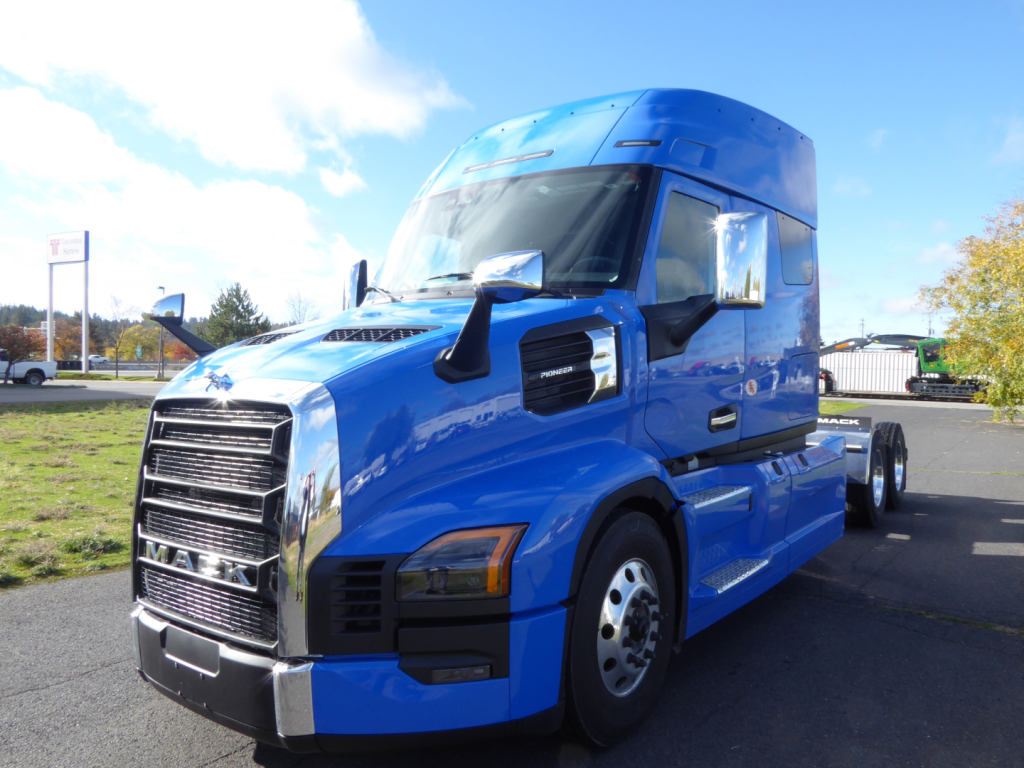
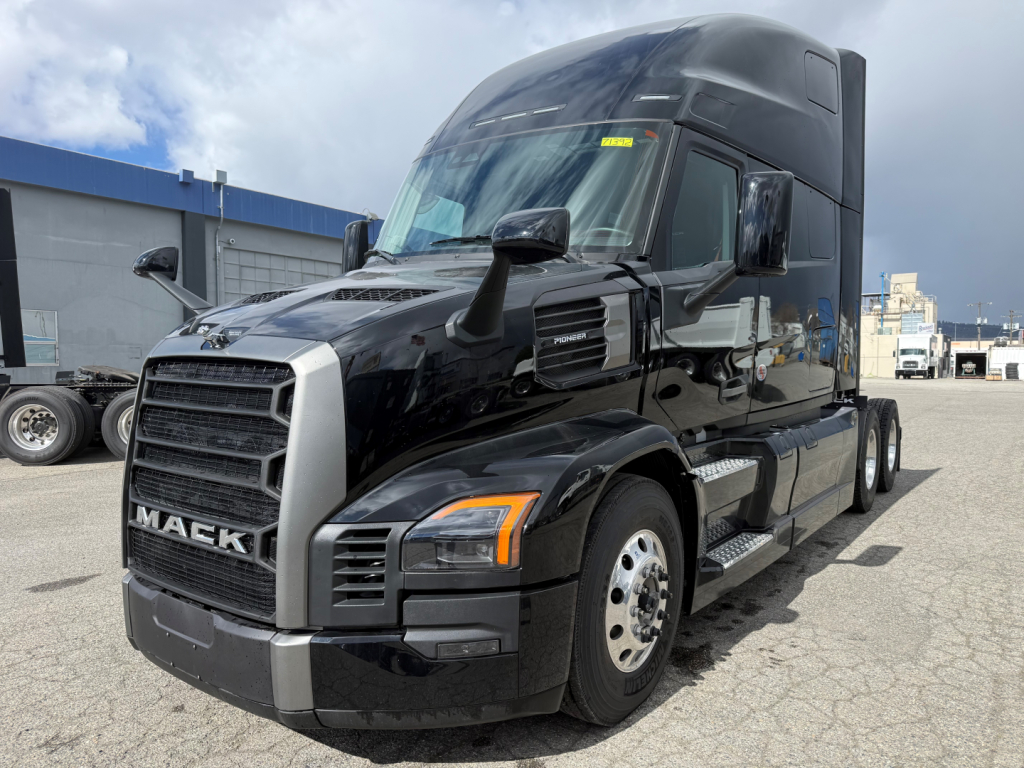
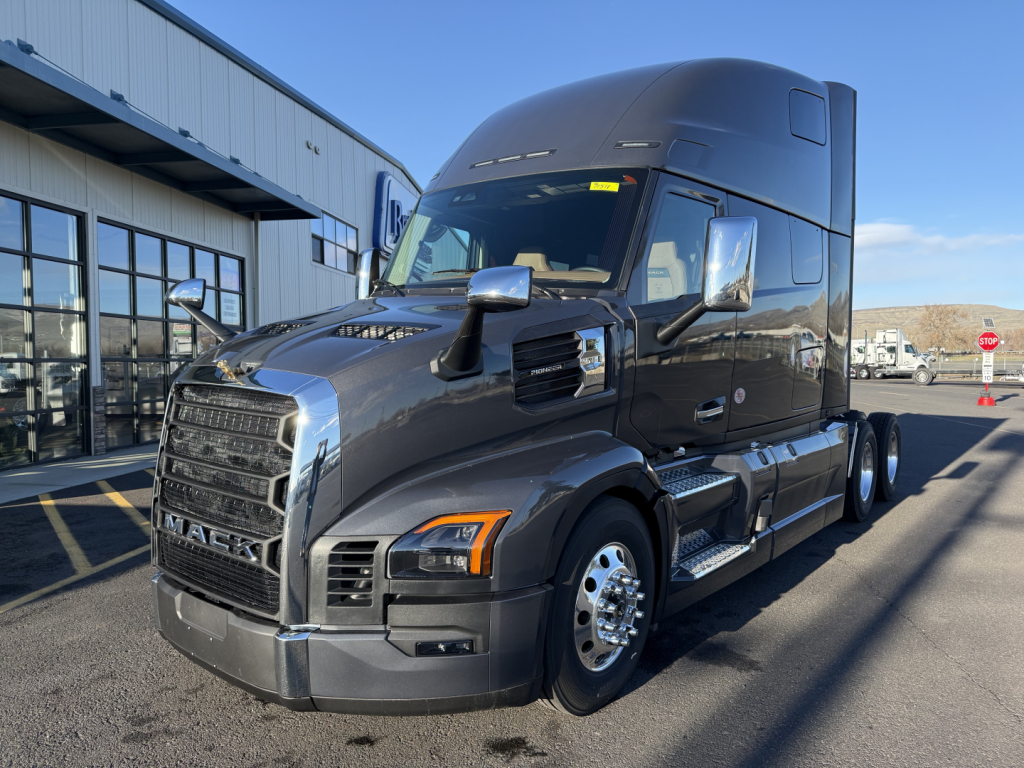
Have 2026 mack conventional sleeper truck to sell? List it here to reach thousands of buyers.
About 2026 Mack Conventional Sleeper Trucks in Washington
The first decision is usually sleeper size and powertrain. A 64-inch sleeper works well for many solo operators and regional fleets, while a 76-inch sleeper gives more living space for long-haul work, team operations, and drivers spending extended time on the road. Mack MP series engines, especially the MP13 in higher horsepower ratings, are common in this category and are often paired with the mDrive automated manual transmission. That combination is popular because it balances fuel economy, grade performance, and driver acceptance. Buyers should also compare rear axle ratio, transmission overdrive spec, and tire size, since those details have a direct effect on cruise RPM, startability, and fuel burn.
Washington buyers often pay close attention to terrain, weather, and lane profile. Cascades routes, heavier GCW demands, and winter traction concerns can justify higher horsepower, torque-focused gearing, and driver-assist features such as integrated collision mitigation, lane support, and advanced steering systems. For long wheelbase sleeper tractors, it is worth checking turning radius, fifth wheel travel, and kingpin setting compatibility with the trailers in your operation. Suspension rating, front axle capacity, and brake configuration also matter if the truck will see mixed freight or frequent mountain descents. Inside the cab, details like bunk heater and cooler packages, double bunk layouts, refrigerator prep, inverter capacity, and storage design can have a real impact on driver retention.
A strong Mack sleeper spec is usually a balance of fuel economy, serviceability, and vocational toughness carried into a highway platform. Buyers comparing 2026 models should look past horsepower alone and study the complete spec sheet: axle ratings, wheelbase, sleeper height, emissions warranty, PTO provisions, fairing setup, and onboard safety technology. A conventional sleeper truck, also known as a highway sleeper tractor or road tractor, earns its value over time through lower downtime, better driver comfort, and a spec that matches the freight instead of forcing the truck to do everything moderately well.
Frequently Asked Questions
What is the difference between a mid-roof and a high-roof Mack conventional sleeper?
A mid-roof sleeper generally offers lower overall height, less aerodynamic drag in some applications, and enough space for solo long-haul or regional overnight work. A high-roof or taller raised-roof sleeper provides more stand-up room, cabinet space, and day-to-day livability for drivers who stay out longer or run team operations. The right choice depends on route profile, driver preference, and how much sleeper space the operation truly uses.
Is the Mack mDrive a good transmission choice for a sleeper tractor?
For many fleets and owner-operators, the mDrive is a strong fit in a conventional sleeper because it improves shift consistency, reduces driver fatigue, and helps protect the driveline from poor shifting habits. It is especially useful in long-haul service where fuel economy and easy operation matter. The key is matching the mDrive programming, rear axle ratio, and engine rating to the truck’s gross combination weight and terrain.
What horsepower is typical for a Mack sleeper used in long-haul service?
Long-haul Mack sleeper tractors are often spec'd in the 425 to 515 horsepower range, with torque and axle ratio playing just as important a role as the headline horsepower number. Lighter dry van operations may prioritize fuel economy with a lower horsepower spec, while mountain freight, heavy reefer work, or higher average gross weights can justify a stronger engine rating. Buyers should evaluate the full drivetrain rather than choosing by horsepower alone.
What should buyers in Washington look for in a sleeper tractor spec?
Washington operations often benefit from a spec built for grades, weather, and mixed highway conditions. That can include higher torque output, axle ratios suited for mountain pulls, strong engine braking, advanced safety systems, and traction-friendly tire choices. It is also smart to confirm wheelbase, fifth wheel position, and axle ratings against the trailers and legal weights the truck will handle regularly.
What sleeper features matter most for driver retention?
The features that usually matter most are usable bunk space, climate control while parked, quiet cab design, storage layout, fridge or fridge prep, inverter capacity, and an ergonomic dash with good visibility. A double bunk can add flexibility for team operations or occasional training use. Comfort features do not directly pull freight, but they can reduce turnover and improve driver satisfaction on long-haul schedules.