
2026 Mack Conventional Sleeper Trucks For Sale in Oklahoma
Shop 2026 Mack conventional sleeper trucks in Oklahoma. Compare Mack long-haul sleepers by engine, sleeper size, wheelbase, axle ratings, and specs.
Learn more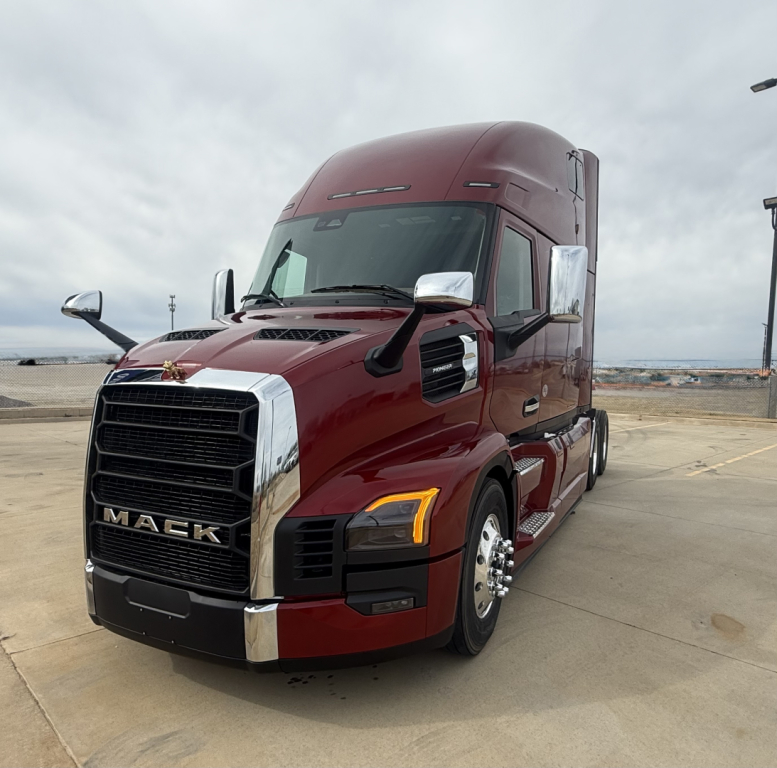
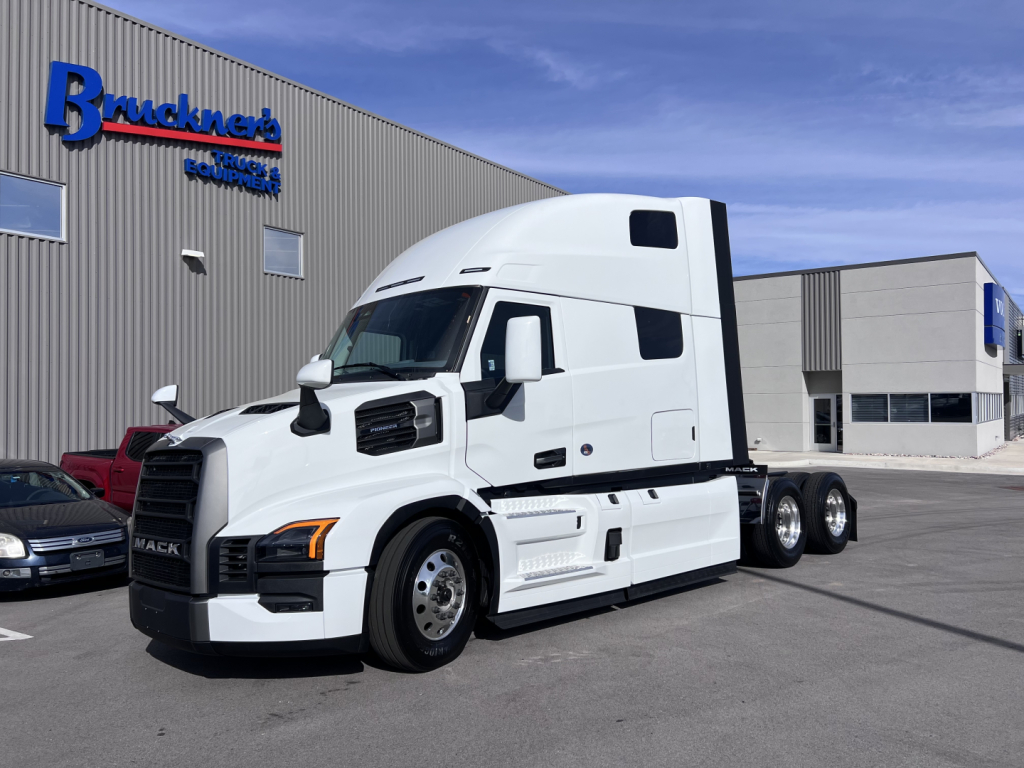
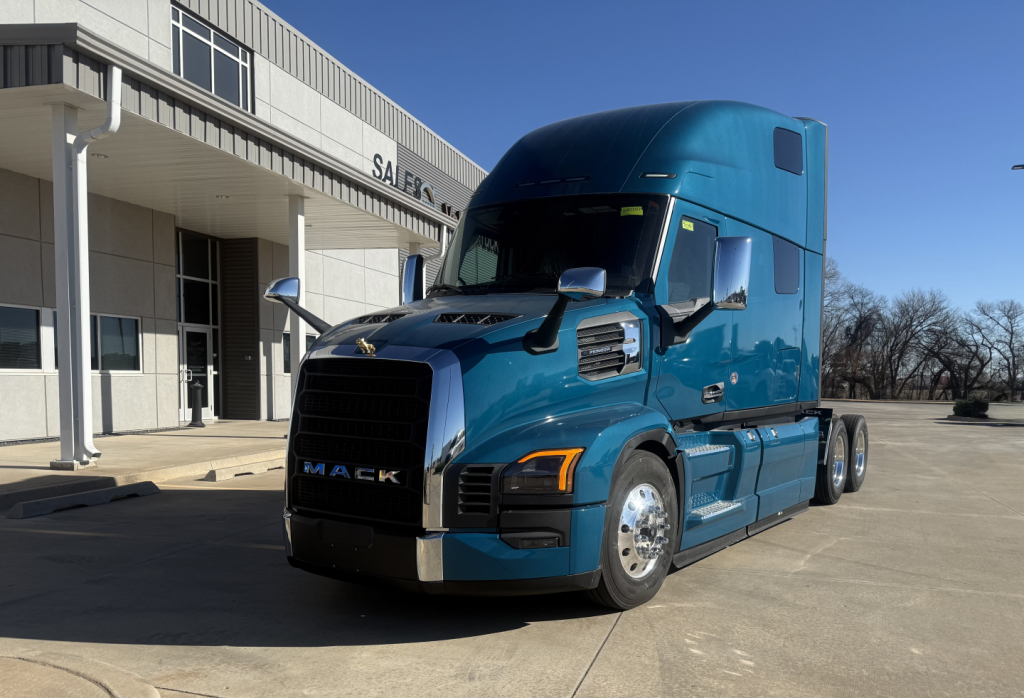
Have 2026 mack conventional sleeper truck to sell? List it here to reach thousands of buyers.
About 2026 Mack Conventional Sleeper Trucks in Oklahoma
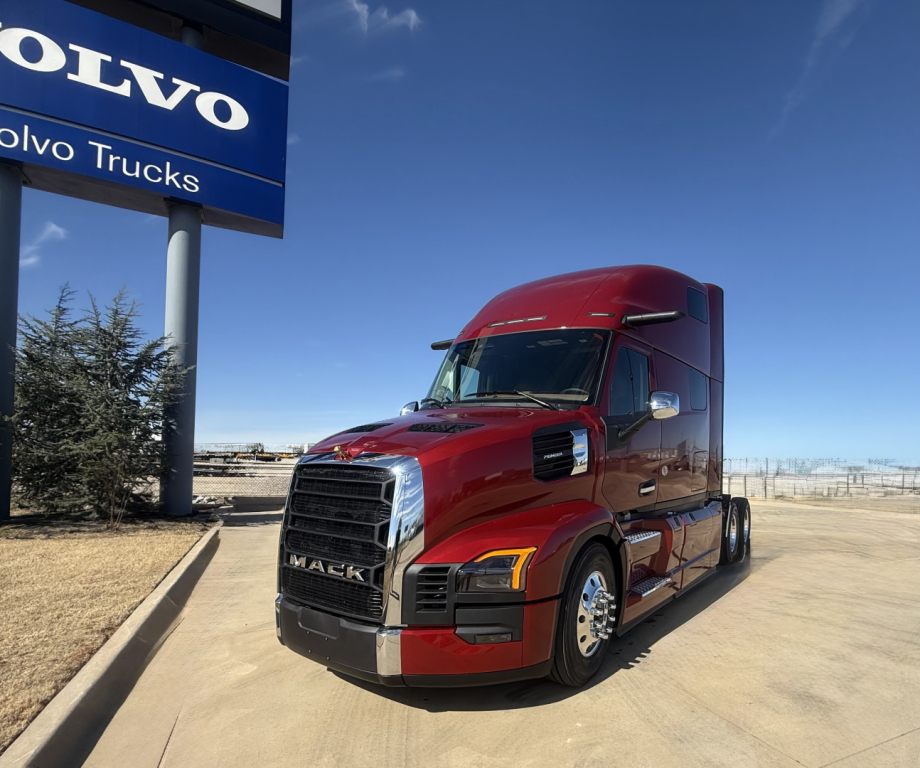
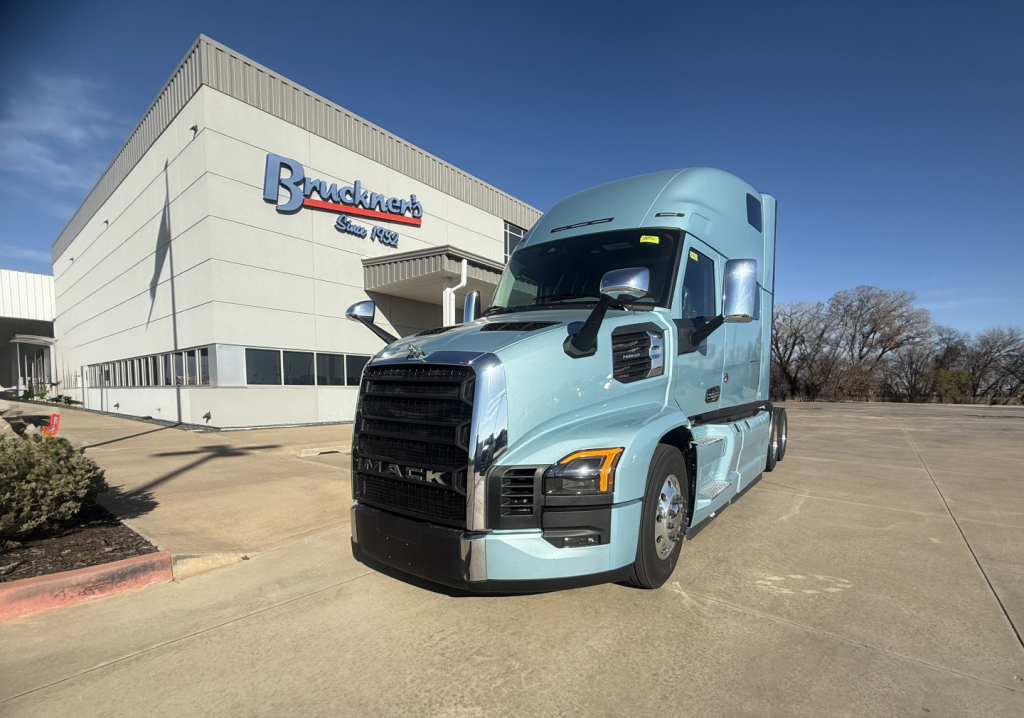
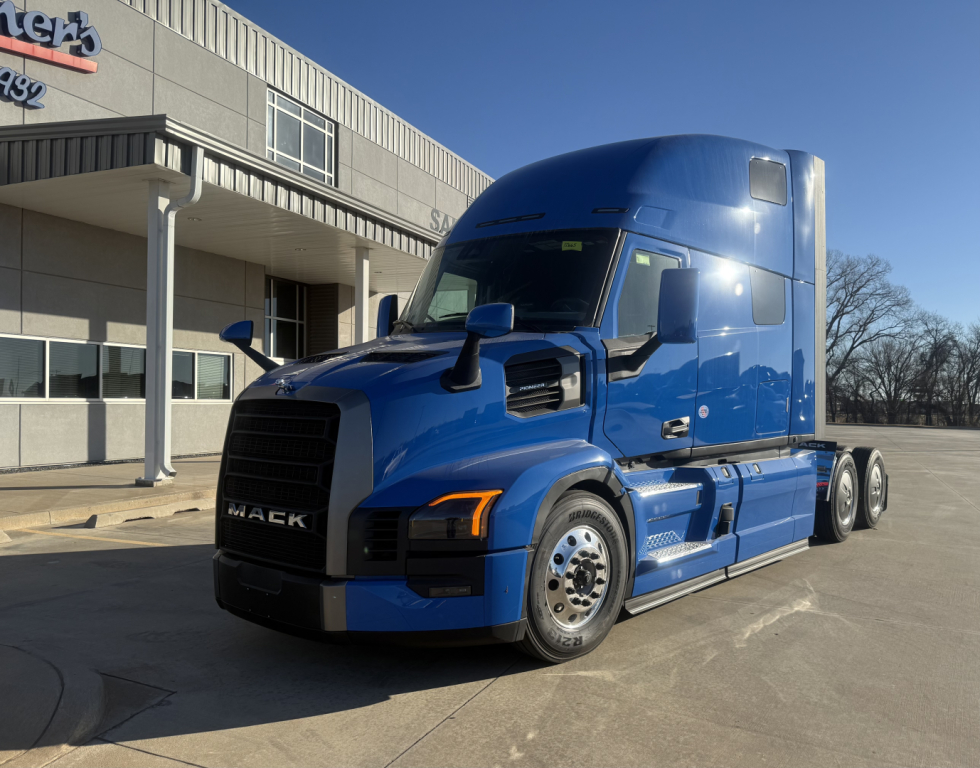
The spec decisions that matter most start with the powertrain. Many late-model Mack sleeper tractors in this class are equipped with the MP13 engine, often in ratings around 445 to 515 horsepower with torque figures near 1,850 lb-ft, paired with the Mack M-Drive automated manual transmission. That combination is popular for highway freight because it balances gradeability, cruise efficiency, and driver ease in traffic. Rear axle ratios such as 2.15 or 2.47 can significantly change the truck's personality. A taller ratio generally favors fuel economy on flatter lanes, while a shorter ratio can be a better fit for heavier payloads, more rolling terrain, or buyers prioritizing startability and pull. Front axle ratings around 13,000 pounds and rear ratings around 40,000 pounds are common in this category, and air ride suspensions like Maxlite are often chosen to improve ride quality and reduce driver fatigue.
Sleeper and cab equipment deserve the same level of attention as horsepower. Buyers comparing Mack conventional sleepers should look closely at HVAC and idle-comfort equipment such as parking heaters, battery or shore-power inverter setups, and integrated sleeper coolers where equipped. A 76-inch high-roof sleeper can support multi-day runs far better than a stripped fleet spec when it includes a refrigerator, microwave prep, workstation space, and a reclining or foldable bunk arrangement. Driver-assist and safety features also vary by build. Adaptive cruise control, backup cameras, disc brakes, curtain airbags, heated mirrors, and premium dash electronics are increasingly common on newer Mack highway tractors, but not every unit is optioned the same. Those details affect resale, insurance appeal, and day-to-day livability.
For Oklahoma buyers, a conventional sleeper tractor often needs to handle a mix of interstate freight, crosswind exposure, summer heat, and long empty stretches between stops. Fuel capacity around 200 to 250 gallons is common for trucks expected to cover longer lanes without frequent fueling, and aluminum wheels, aerodynamic trim, and disc brakes can all support lower operating costs over time. The best Mack sleeper spec depends on the freight and route profile. A lighter, efficiency-focused build may suit dry van and general freight on flatter corridors, while a higher-horsepower setup with a more aggressive axle ratio may be better for heavier reefer, bulk, or irregular regional work. Buyers comparing 2026 Mack conventional sleeper trucks should focus on engine rating, transmission, rear ratio, sleeper equipment, wheelbase, and axle capacity before cosmetic differences.
Frequently Asked Questions
What engine and transmission are common in a 2026 Mack conventional sleeper truck?
Many 2026 Mack conventional sleeper tractors are spec'd with the Mack MP13 engine and the Mack M-Drive automated manual transmission. In this class, horsepower ratings often fall in the mid-400s to low-500s, with torque around 1,850 lb-ft for highway applications. That setup is widely used because it supports strong fuel economy, consistent cruise performance, and reduced driver workload compared with a traditional manual transmission.
Is a 76-inch sleeper the right size for long-haul freight?
A 76-inch sleeper is a common choice for over-the-road and multi-day runs because it provides enough room for rest, storage, and onboard amenities without pushing the truck into a highly specialized configuration. For buyers running irregular routes or longer dispatch cycles, the extra space can improve driver retention and comfort. The value depends on the actual interior spec, including refrigerator space, inverter capacity, bunk design, HVAC features, and storage layout.
How important is rear axle ratio on a Mack sleeper tractor?
Rear axle ratio is one of the most important spec points on a highway tractor because it directly affects cruise rpm, launch feel, grade performance, and fuel economy. A ratio such as 2.15 is often chosen for fuel-efficient highway operation, while a ratio like 2.47 may better support heavier loads or more demanding terrain. The correct choice depends on gross combination weight, average road speed, trailer type, and how much time the truck spends in hills versus flat interstate lanes.
Are disc brakes worth it on a conventional sleeper truck?
Disc brakes can be a strong option on a modern conventional sleeper because they typically offer more consistent stopping performance, shorter stopping distances in many situations, and easier brake inspection. For fleets and owner-operators focused on safety, driver confidence, and maintenance visibility, they are often worth serious consideration. The long-term value depends on the duty cycle, service network, and total operating cost goals.
What should Oklahoma buyers pay attention to when comparing Mack sleeper trucks?
Oklahoma buyers should pay close attention to cooling performance, fuel capacity, aerodynamic spec, and ride quality because those factors matter on long interstate runs, in summer heat, and in windy conditions. A good regional fit often includes adequate fuel range, a sleeper climate setup that supports rest periods, and a wheelbase and axle package matched to the freight. It also helps to compare driver-assist technology and idle-comfort equipment, since those features can influence both uptime and retention.