
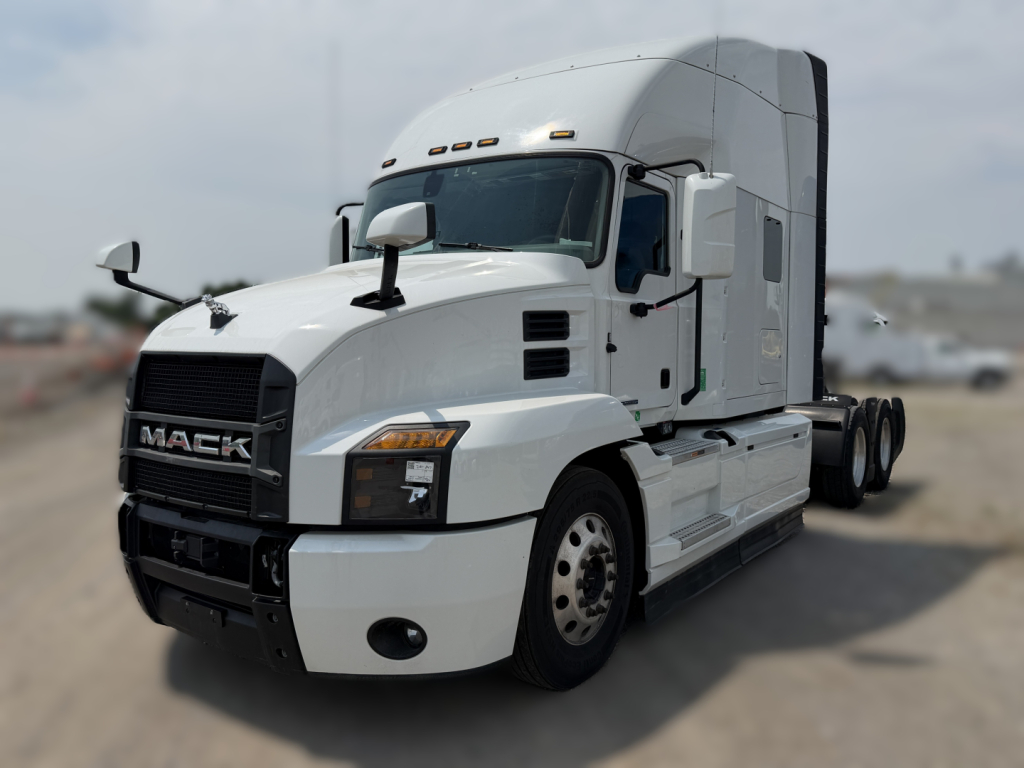
2024 Mack Conventional Sleeper Trucks For Sale in Texas
Shop 2024 Mack conventional sleeper trucks in Texas. Compare Anthem and Pioneer specs, sleeper sizes, MP engines, mDRIVE options, and axle setups.

Have 2024 mack conventional sleeper truck to sell? List it here to reach thousands of buyers.
2024 Mack Conventional Sleeper Trucks in Texas
The biggest buying decision is matching engine, axle ratio, and wheelbase to the lane the truck will actually run. Texas operators often want a spec that can cover long interstate miles, maintain highway speed in rolling terrain, and still return respectable fuel economy. A 445 to 515 horsepower range is common in this class, with rear axle ratios such as 2.47 or 3.08 depending on cruise speed targets, trailer weight, and whether the truck is geared more for van, reefer, or heavier general freight. Wheelbases around the high-230-inch range are typical on larger sleepers, and buyers should confirm fifth wheel travel, fuel capacity, and suspension spec if the truck will see mixed trailer lengths or irregular load distribution.
Sleeper configuration deserves as much attention as the drivetrain. A double bunk, optimized storage, inverter prep or factory inverter, APU, and bunk HVAC package can make a major difference in driver retention and idle reduction. Many late-model Mack sleepers also show up with higher-content safety and visibility packages, including adaptive cruise control, collision mitigation, lane support, blind spot monitoring, and backup camera systems. Tire pressure monitoring, disc brakes, air slide fifth wheels, and integrated telematics are also worth watching for because they affect maintenance planning, trailer compatibility, and daily ease of use.
For buyers comparing 2024 Mack conventional sleeper trucks for sale in Texas, the value is usually in the total operating spec rather than one headline number. Look closely at sleeper height, bunk layout, fuel tank capacity, suspension rating, front axle capacity, and gross combination expectations. Mack sleeper tractors are generally chosen by fleets and owner-operators who want a highway truck with durable vocational roots, a driver-friendly cockpit, and a powertrain package designed to stay productive on long runs. The right spec is the one that balances payload, fuel burn, serviceability, and driver comfort for the freight you actually haul.
Frequently Asked Questions about 2024 Mack Conventional Sleeper Trucks in Texas
What engine and transmission combinations are common in a 2024 Mack conventional sleeper?
Most 2024 Mack conventional sleeper trucks are spec'd with Mack MP8 or MP13 diesel engines and the Mack mDRIVE automated transmission. Horsepower commonly falls in the mid-400s to low-500s depending on the intended duty cycle. The MP8 is a strong fit for general highway freight and fuel-conscious operations, while the MP13 is more common when buyers want higher horsepower, added torque, or heavier long-haul applications. The mDRIVE is popular because it helps standardize shifting performance across drivers and supports fuel-efficiency strategies at highway speed.
What sleeper size should a buyer look for in a Mack highway tractor?
For long-haul work, 70-inch to 76-inch raised-roof sleepers are among the most common configurations because they provide enough room for rest, storage, and onboard amenities without moving into a specialty layout. A single bunk can work for dedicated lanes and solo operation, but double bunk sleepers add flexibility for team driving or extra storage. Buyers should also look past the sleeper length and confirm cabinet layout, bunk HVAC, inverter, APU provisions, and fuel-fired or battery-based idle reduction equipment, since those features affect driver comfort more than sleeper size alone.
Are Mack conventional sleeper trucks a good fit for Texas freight operations?
Yes, they are often a strong fit for Texas because the state combines long interstate miles, hot weather, and a mix of regional and long-haul freight. A properly spec'd Mack sleeper with the right fuel capacity, cooling package, axle ratio, and cab comfort options can handle extended highway runs efficiently. Texas buyers often pay close attention to air conditioning performance, idle reduction systems, and range between fuel stops. Suspension choice, wheelbase, and fifth wheel adjustability also matter if the truck will pull different trailer types across varied routes.
Which specs matter most when comparing Mack sleeper tractors for sale?
The most important specs are usually engine rating, transmission type, rear axle ratio, wheelbase, sleeper configuration, and fuel capacity. After that, buyers should review front and rear axle ratings, suspension model, brake type, and safety systems. Those details determine how the truck performs under load, where it makes its best fuel economy, and how well it matches the freight mix. A truck with a high-content sleeper but the wrong gearing can cost more to operate than a simpler truck with the correct driveline spec.
What safety and driver-assist features are commonly found on newer Mack sleepers?
Newer Mack conventional sleepers frequently include advanced highway safety technology such as adaptive cruise control, collision mitigation, lane support, blind spot monitoring, and camera systems. Some are also equipped with disc brakes, tire pressure monitoring, and integrated telematics for fleet oversight. These features can improve driver awareness, reduce fatigue on long runs, and help fleets manage maintenance and compliance more effectively. Buyers should verify which systems are factory-integrated and which are add-on components, since that can affect diagnostics and service support.