
Used Kenworth Conventional Sleeper Trucks For Sale in Ohio
Browse used Kenworth conventional sleeper trucks in Ohio, including T680 models with high-roof sleepers, MX-13 power, aero specs, and fleet-ready options.
Learn moreNo exact matches found for your search
Showing Used Kenworth Conventional Sleeper Trucks instead.
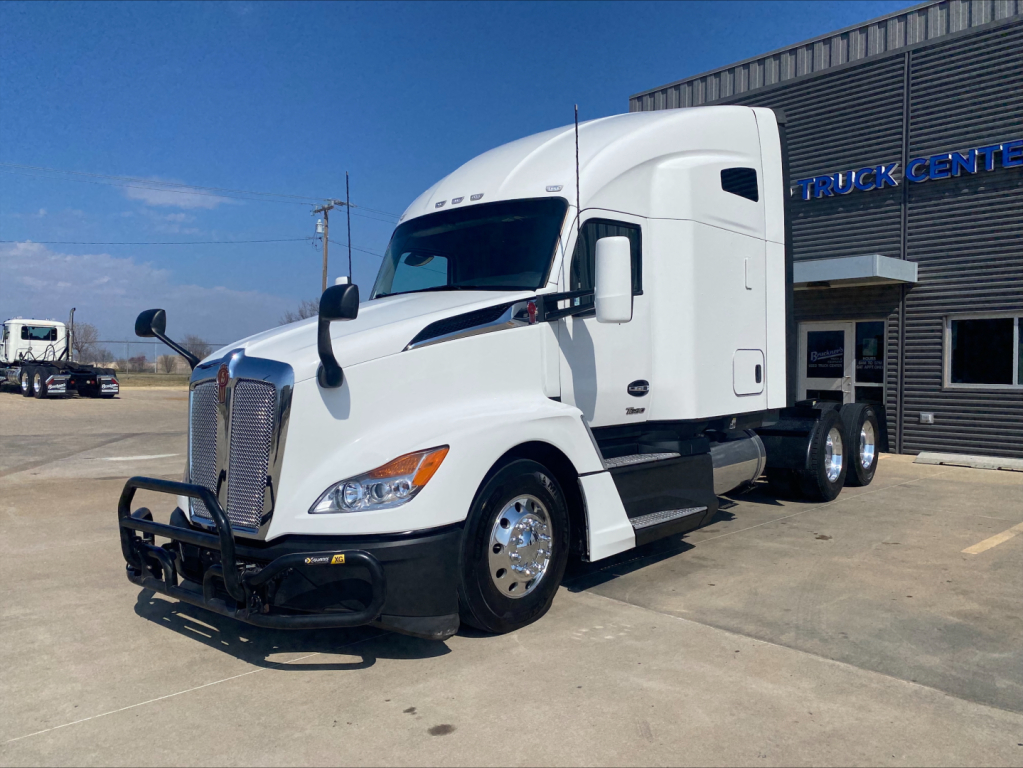
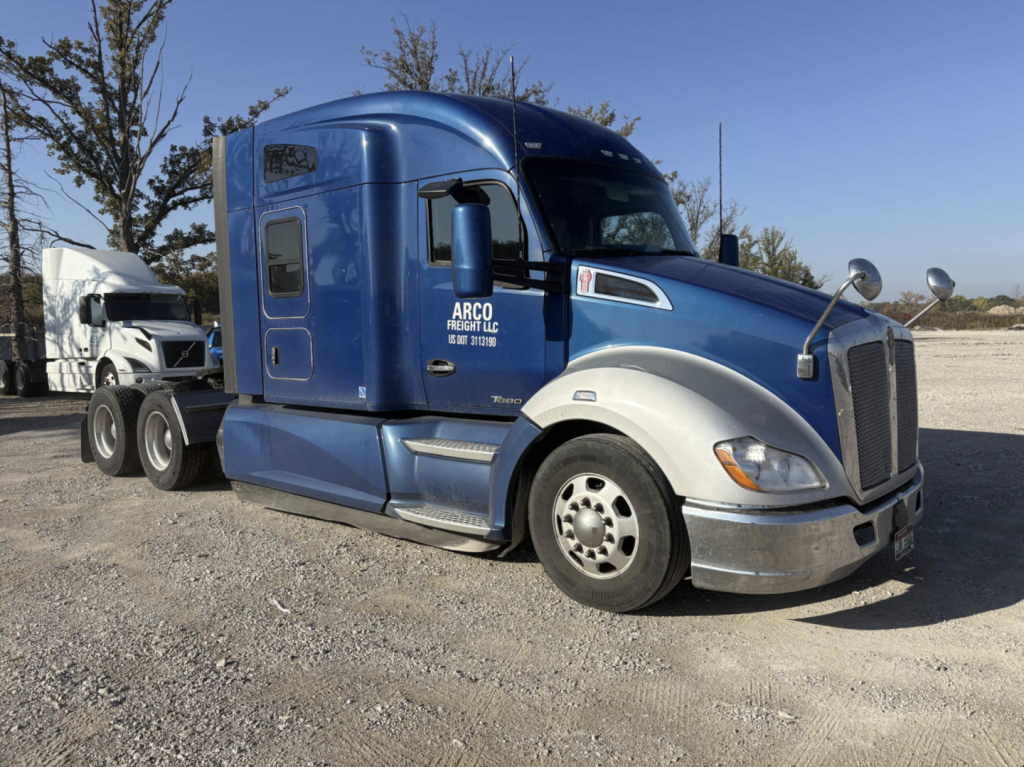
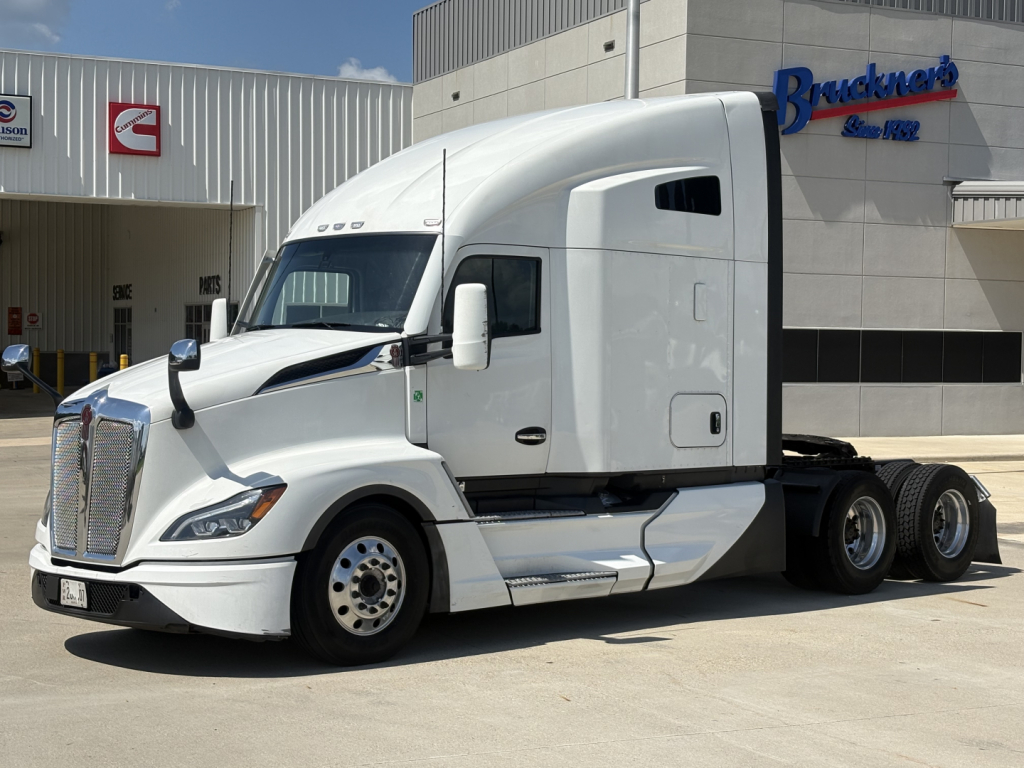
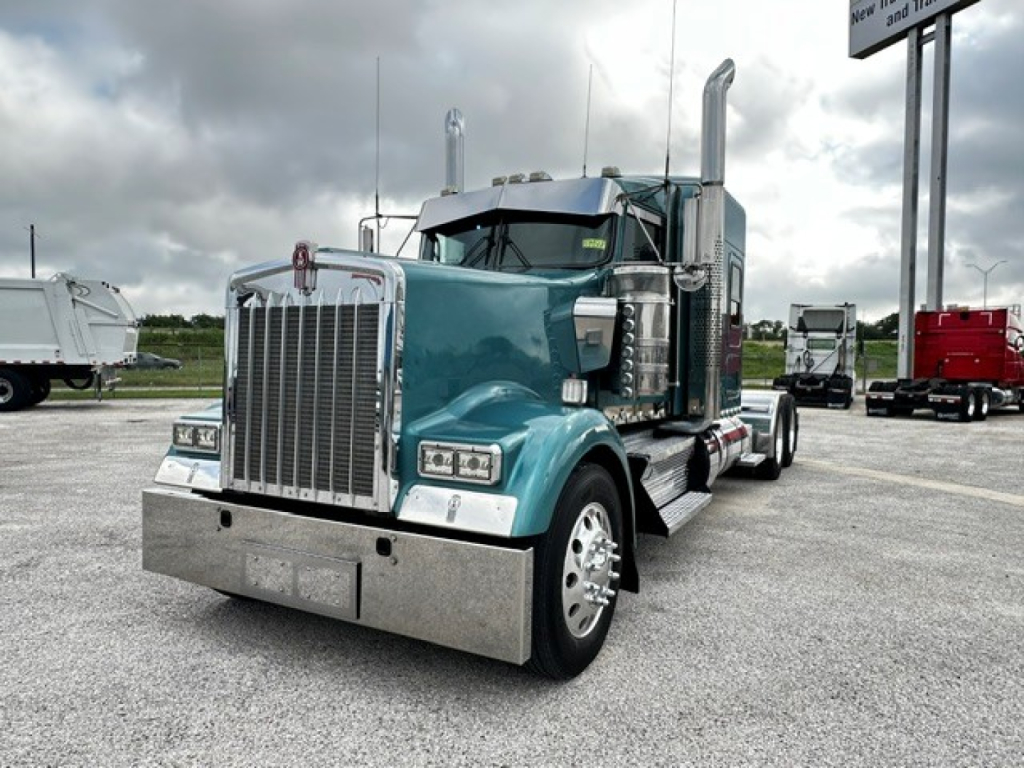
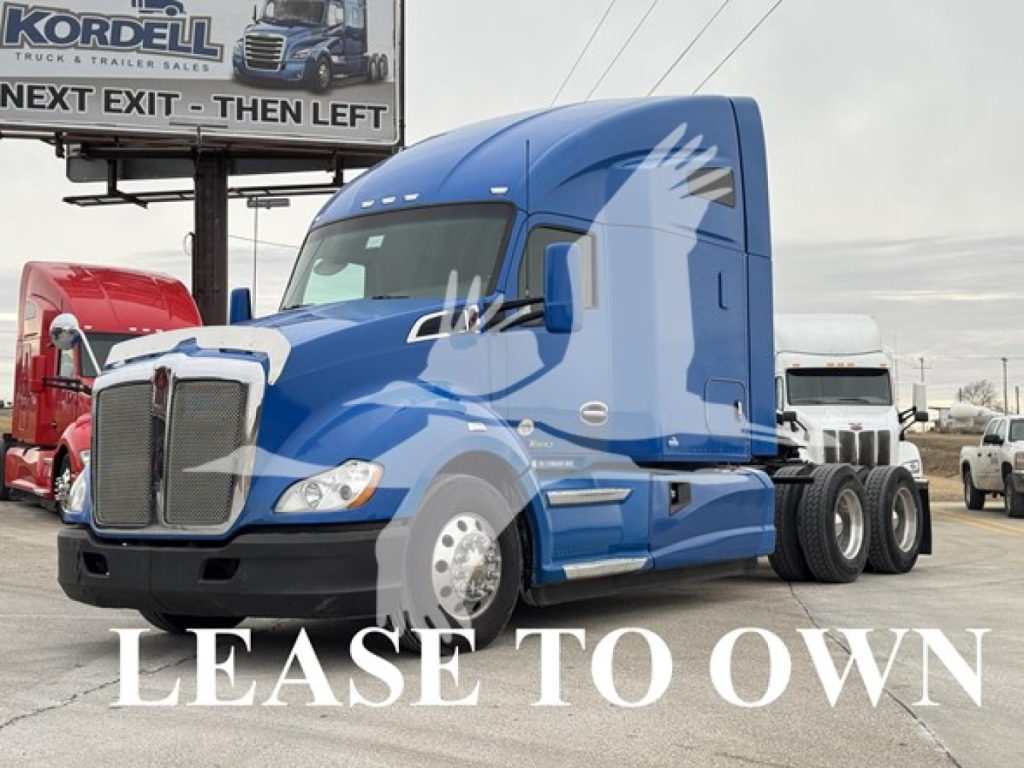
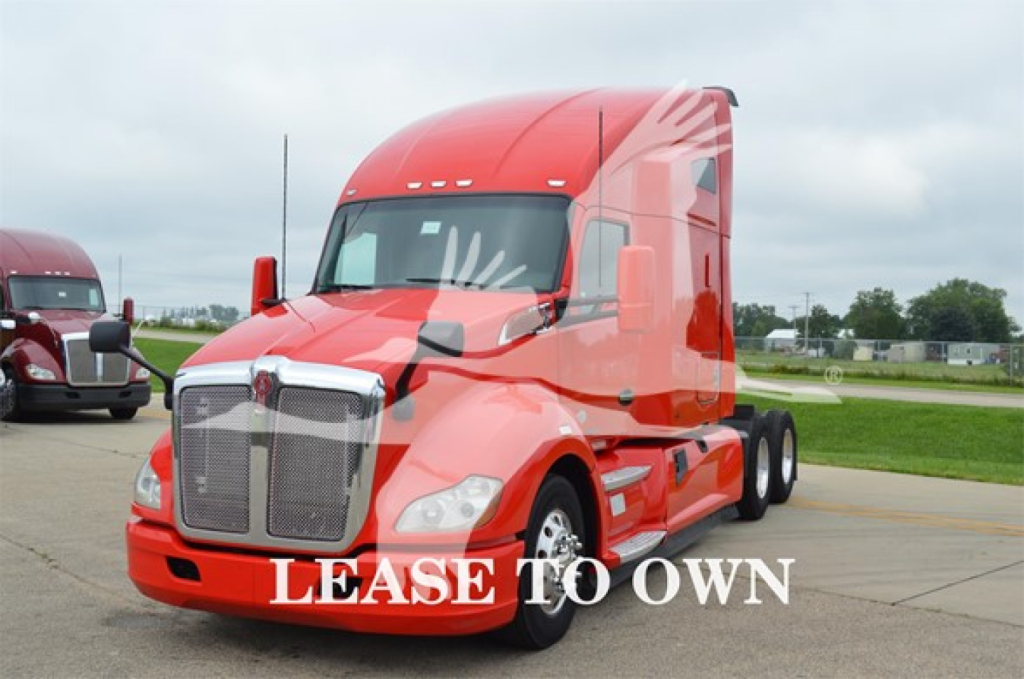
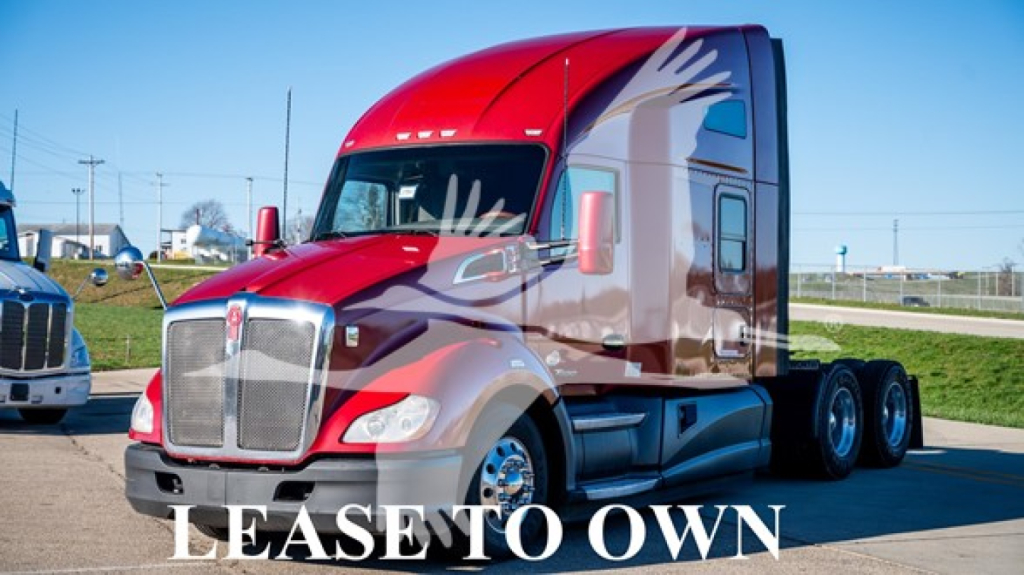
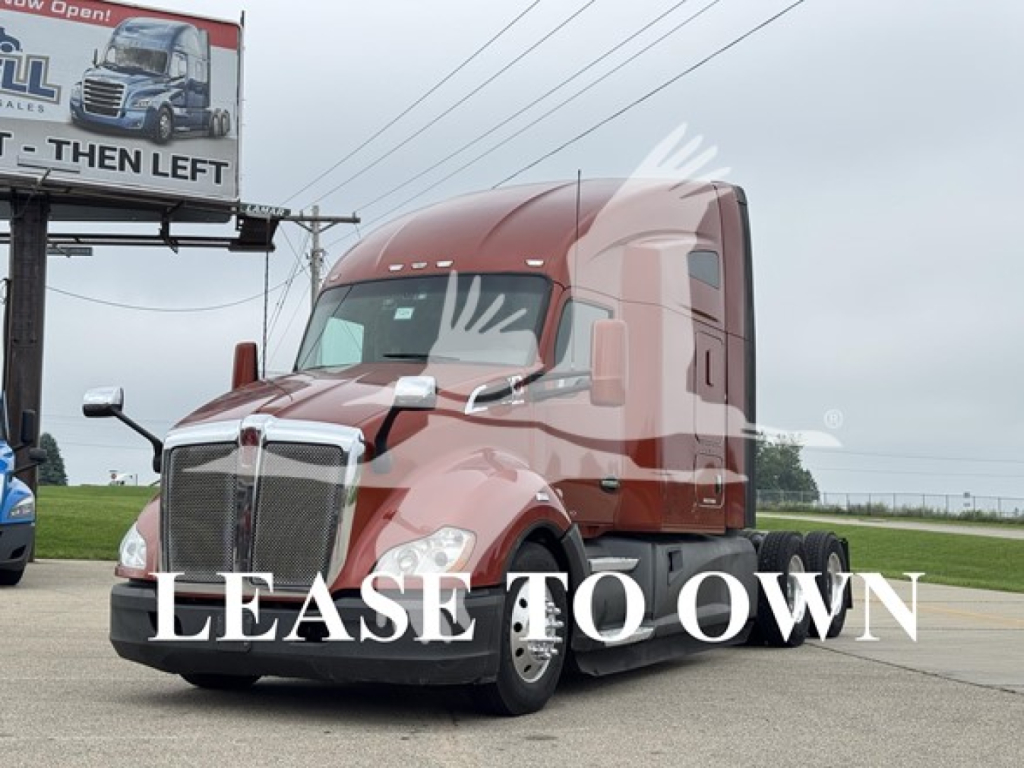
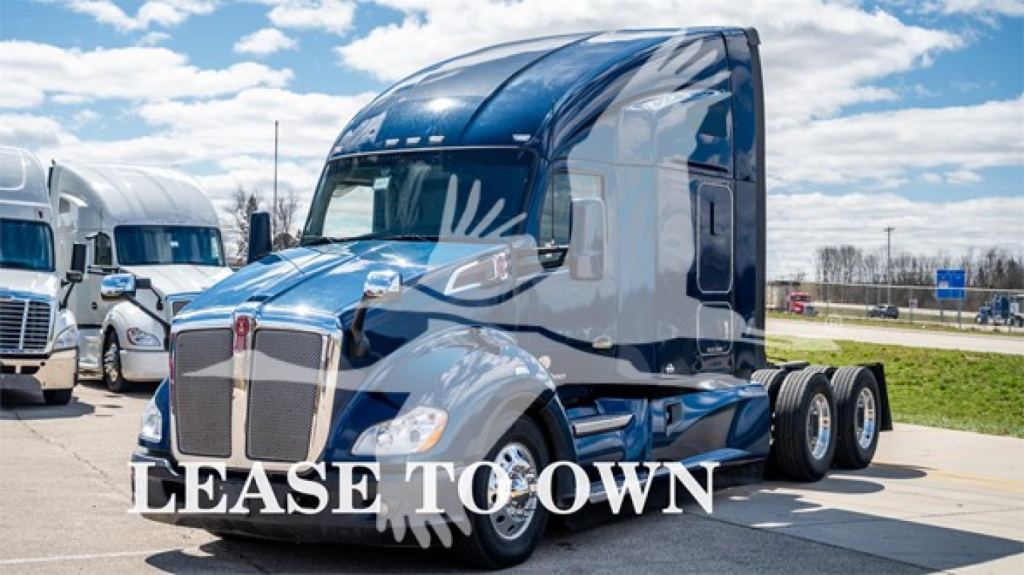
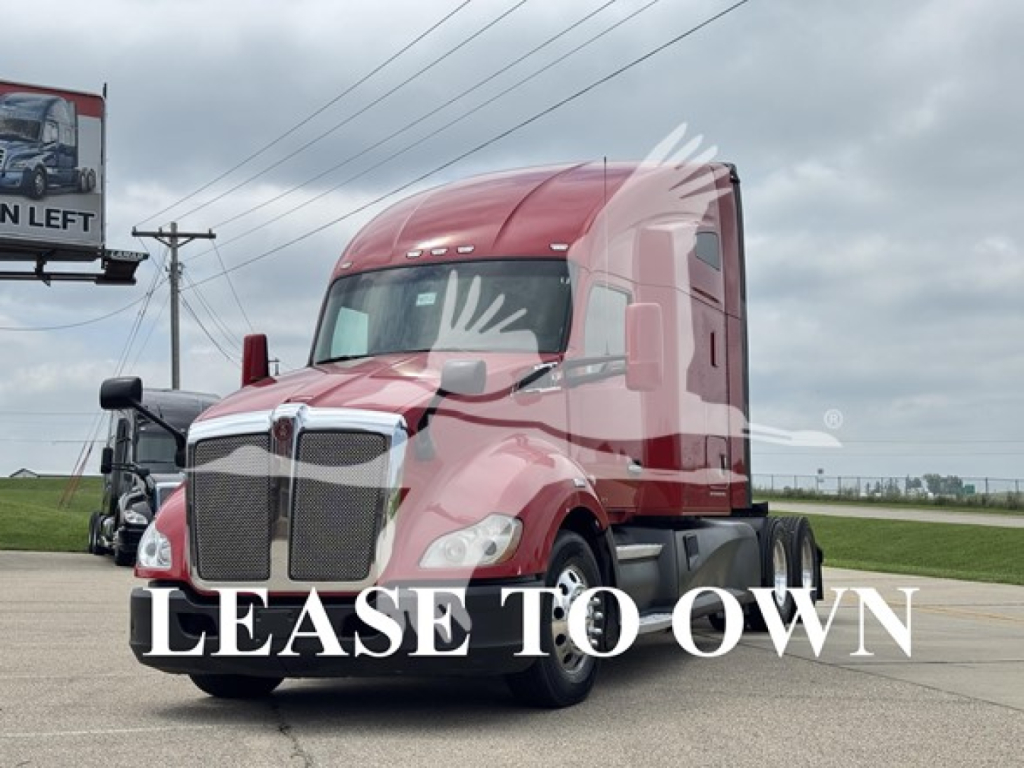
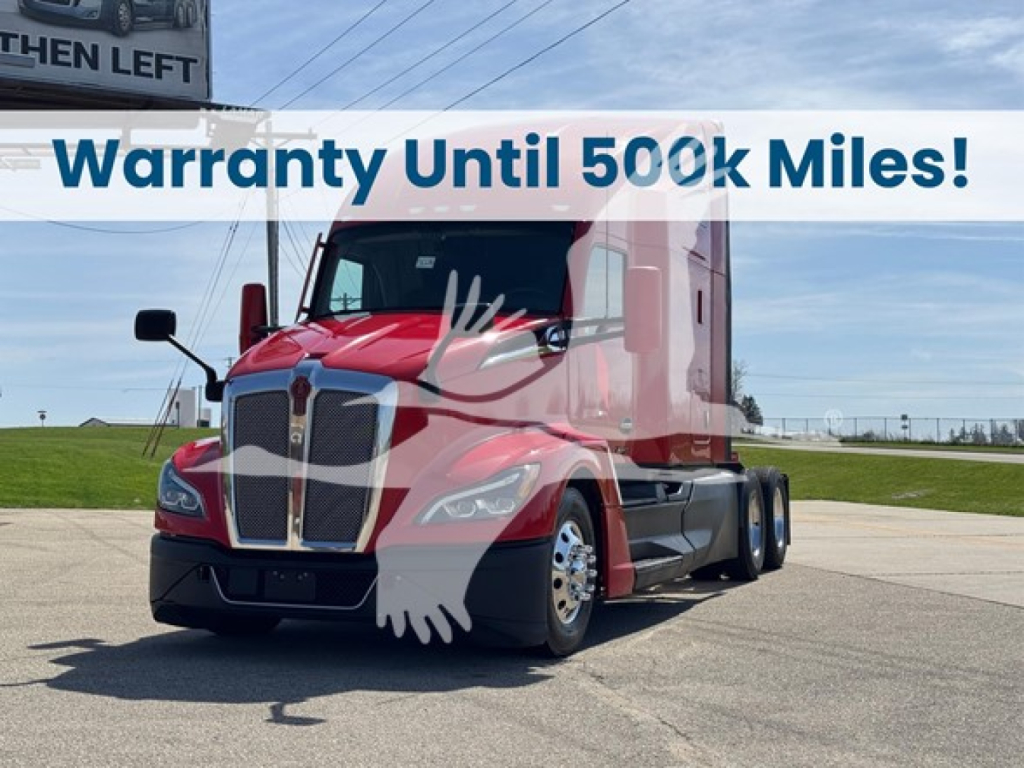
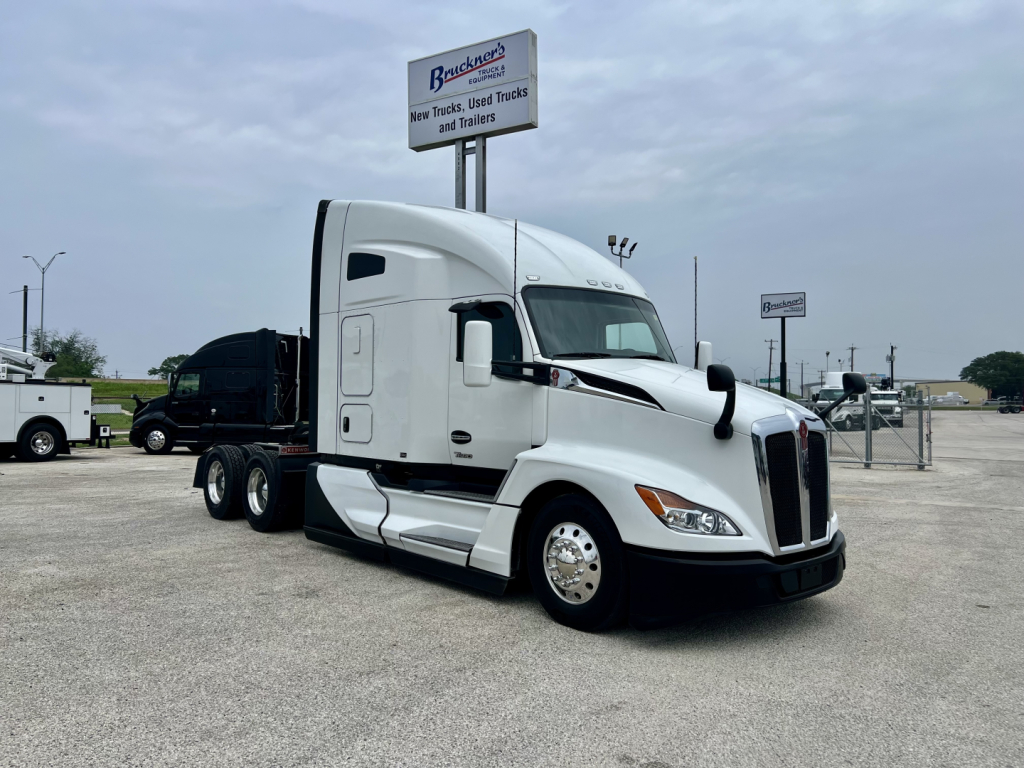
Showing 13 to 24 of 45 results
Have used kenworth conventional sleeper truck to sell? List it here to reach thousands of buyers.
About Used Kenworth Conventional Sleeper Trucks in Ohio
A buyer looking at a used Kenworth sleeper should start with the powertrain. PACCAR MX-13 engines in the 405 to 455 horsepower range are common in this class, usually paired with automated transmissions and 2.64 rear axle ratios for lower cruise RPM and fuel-conscious linehaul work. Many trucks in this category carry 40,000-pound rear axles, air ride suspension, engine brakes, and air slide fifth wheels. Disc brakes, low-profile 22.5 tires, and aluminum wheels are also common on newer fleet specs. These details matter because they affect maintenance cost, highway drivability, and how well the truck matches a van, reefer, or general freight operation.
The sleeper itself is a major buying point. High-roof sleepers give teams and solo drivers better living space, and common features include bunk heaters, upgraded interiors, power accessories, tilt-telescoping steering, and digital dash packages on newer trucks. Trucks with collision mitigation systems and other driver-assist technology can be attractive to fleets focused on safety scores, insurance requirements, and driver retention. Horizontal exhaust, cab extenders, quarter fenders, and full aero packages also signal a truck designed for fuel-efficient highway use rather than vocational or short-hop service.
Condition review on a used Kenworth conventional sleeper should go beyond mileage. Buyers should look at service records, emissions system history, brake and tire wear, fifth wheel condition, bunk HVAC performance, and signs of fairing or sleeper damage from trailer contact. On T680 models, cab and aero components are a meaningful part of operating cost, so fit, finish, and prior repairs deserve close attention. A well-spec'd Kenworth sleeper remains a strong choice for carriers that want a driver-friendly conventional tractor with modern aerodynamics, a proven long-haul layout, and specifications that fit mainstream freight work.
Frequently Asked Questions
What are the most common specs on a used Kenworth conventional sleeper truck?
Most used Kenworth conventional sleepers on the highway market are T680 or T680 Next Gen tractors with 76-inch high-roof sleepers, PACCAR MX-13 engines, and automated transmissions. Common fleet specs include 405 to 455 horsepower, 40,000-pound rear axles, air ride suspension, air slide fifth wheels, aerodynamic fairings, and 22.5 low-profile tires. Many later-model units also include disc brakes, digital dash systems, and collision mitigation technology.
Is a Kenworth T680 sleeper a good fit for long-haul freight?
Yes. The T680 platform is designed primarily for linehaul and over-the-road service. Its aerodynamic hood, integrated sleeper design, and common high-roof configuration make it well suited for dry van, reefer, and general freight applications where fuel economy and driver comfort are priorities. It is less focused on vocational work and better matched to carriers running sustained highway miles.
What should I inspect on a used Kenworth sleeper before buying?
Key inspection points include engine and transmission service history, aftertreatment performance, axle ratio confirmation, brake type, suspension wear, and fifth wheel function. Buyers should also inspect the sleeper HVAC system, bunk heater if equipped, roof and fairing condition, and signs of cab or sleeper damage from prior trailer contact. On aerodynamic tractors, exterior body repairs can affect both appearance and operating efficiency, so panel fit and fairing integrity are worth checking carefully.
Why do many Kenworth sleeper trucks have 2.64 rear axle ratios?
A 2.64 ratio is commonly used in highway tractors to keep engine RPM lower at cruising speed. That setup supports fuel economy on interstate routes when paired with an automated transmission and an overdrive top gear. It is a practical choice for fleets hauling standard van or refrigerated freight on longer lanes, but buyers should still confirm that the ratio matches their gross weights, terrain, and average operating speeds.
Are newer Kenworth T680 Next Gen sleepers different from earlier T680 models?
Yes. The T680 Next Gen generally brings updated aerodynamics, newer interior layouts, and more current electronic features such as digital instrumentation and advanced driver-assistance options. While both versions are conventional sleeper tractors built for highway work, the Next Gen models are often chosen for improved driver environment and fuel-efficiency-focused refinements. Buyers comparing the two should weigh purchase price against technology, warranty status if any remains, and the value of newer safety systems.