
Kenworth Conventional Sleeper Trucks For Sale in North Carolina
Shop Kenworth conventional sleeper trucks for long-haul, regional, and team service with proven specs, sleeper options, and highway comfort.
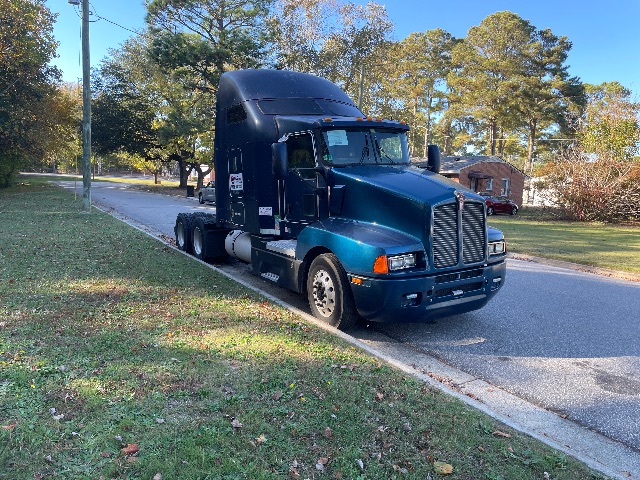
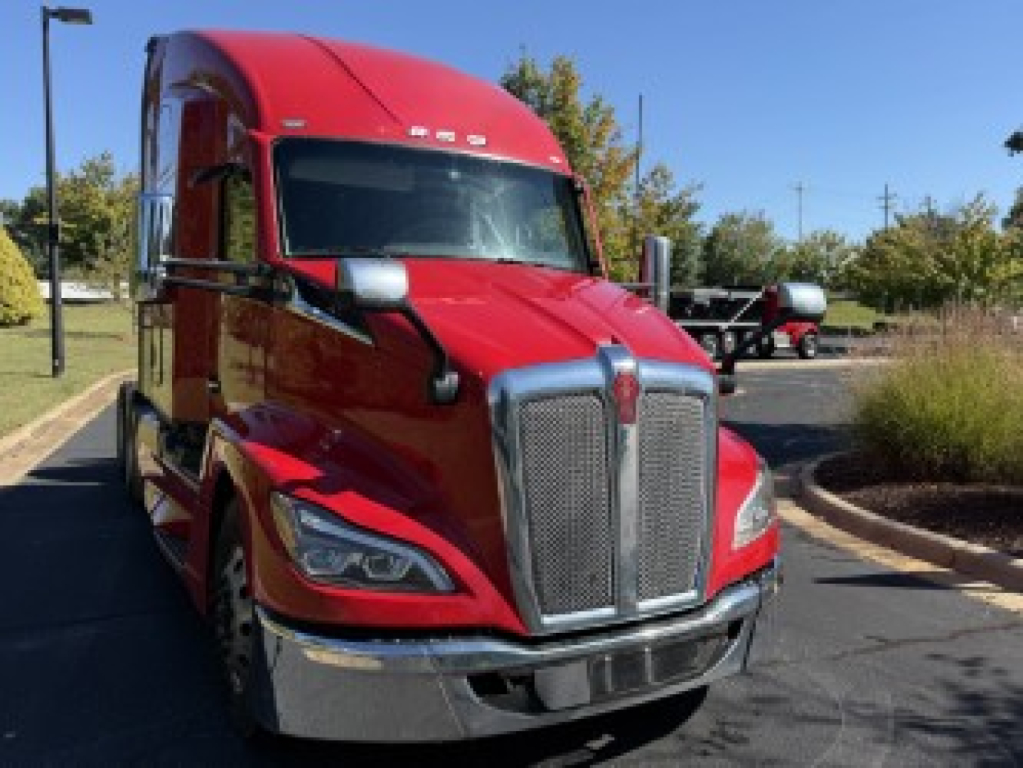
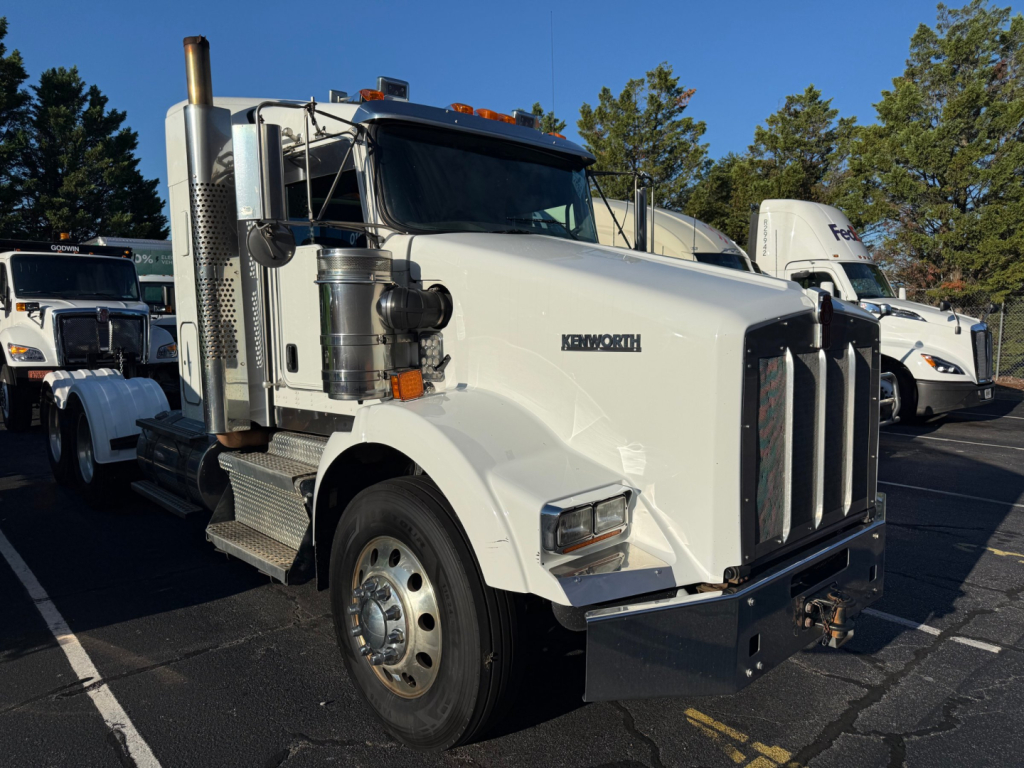
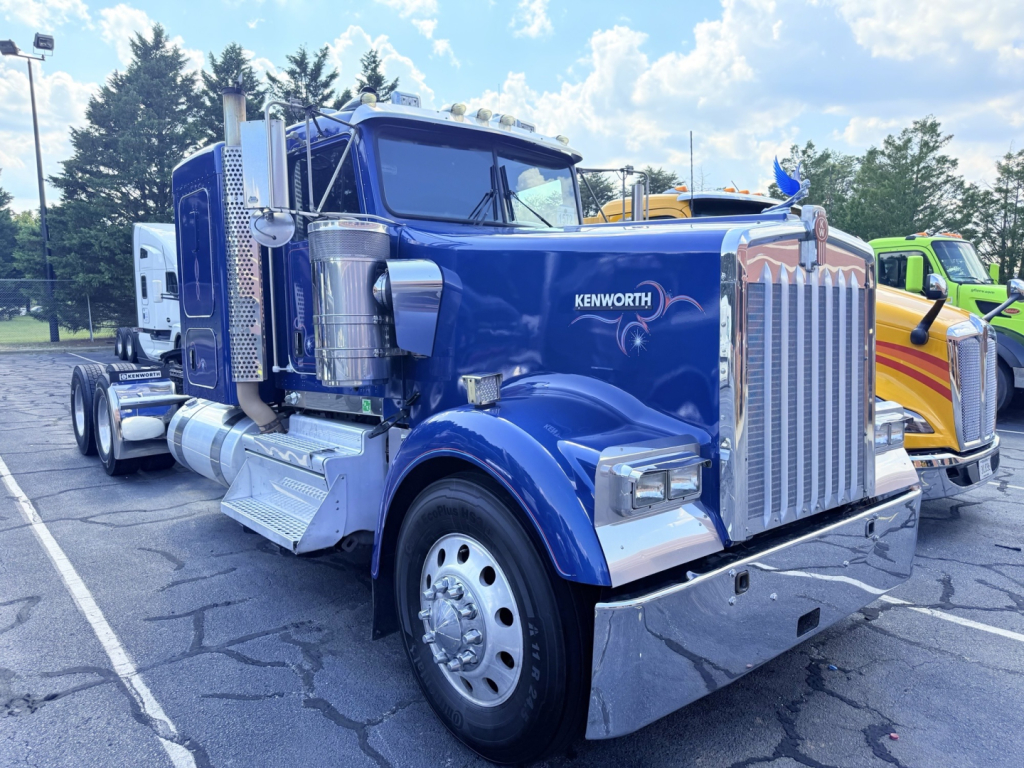
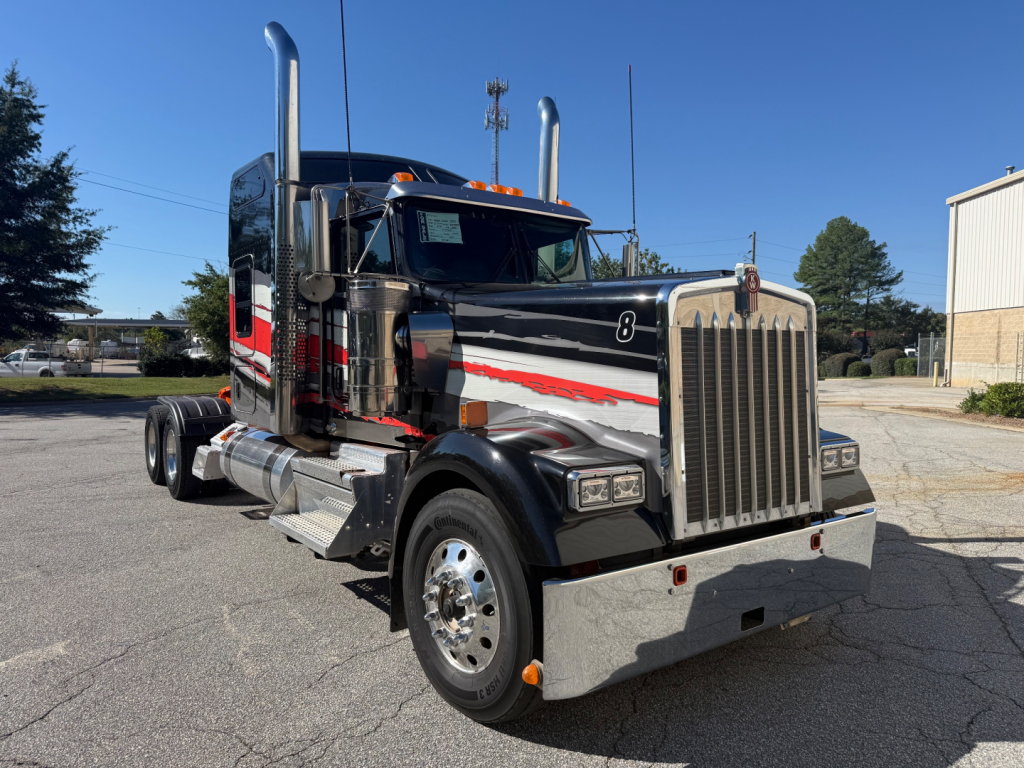
Selling a kenworth conventional sleeper truck? List your kenworth conventional sleeper truck for sale and reach thousands of commercial buyers.
Kenworth Conventional Sleeper Trucks in North Carolina
For North Carolina buyers, application matters. A truck running I-40, I-85, port freight, furniture lanes, or produce and dry van work may need a different setup than one pulling heavy regional loads through the Appalachians. Common engines in Kenworth sleepers include PACCAR MX, Cummins ISX, and older Caterpillar options in pre-emissions or earlier emissions-era trucks. Buyers should compare horsepower and torque ratings against axle ratio, transmission gearing, and expected gross combination weight. Manual 10-speed and 13-speed transmissions remain popular for simplicity and control, while automated manuals appeal to fleets focused on driver turnover and fuel consistency.
Sleeper configuration can change the truck’s value as much as the engine. Mid-roof and raised-roof sleepers are common, with sizes often ranging from compact fleet sleepers to larger stand-up units for extended runs. Pay attention to bunk layout, cabinet space, HVAC performance, inverter setup, and idle management equipment if the truck will spend nights on the road. Chassis specs also deserve a close look, including front axle rating, tandem capacity, suspension type, fifth wheel placement, and frame condition. On aerodynamic models like the T600 and T680, fairings, hood fit, and bumper alignment can affect both appearance and fuel economy.
A good Kenworth conventional sleeper should be evaluated as a complete revenue unit, not just a cab and engine. Review DPF, DEF, and EGR service records on emissions-equipped trucks, check for blow-by and coolant pressure issues, inspect wiring and dash electronics, and verify that the sleeper functions properly under load and at idle. Tire wear, brake life, kingpin setting, driveline condition, and signs of frame or suspension repairs can reveal how the truck was spec'd and maintained. Kenworth remains a strong choice in the sleeper market because the trucks are widely supported, driver-friendly, and available in specs that fit everything from owner-operator highway service to fleet linehaul work.
Frequently Asked Questions about Kenworth Conventional Sleeper Trucks in North Carolina
What are the most common Kenworth conventional sleeper models buyers compare?
The most commonly compared Kenworth conventional sleeper models are the T600, T660, T680, and W900, with some T800 sleeper trucks also appearing in vocational or heavy regional applications. The T600 and T660 are known for earlier aerodynamic designs, the T680 is a modern highway platform with improved efficiency and cab refinement, and the W900 remains popular for its long-hood layout, appearance, and owner-operator appeal. The right model depends on freight type, desired wheelbase, driver preference, and how important fuel economy is to the operation.
What should I check first on a used Kenworth sleeper truck?
Start with the engine, emissions system, transmission, and maintenance records. Confirm the engine make and serial information, look for evidence of recent inframe work or replacement components, and review DPF, DEF, and EGR history if the truck is emissions-equipped. After that, inspect frame rails, suspension, steer axle wear, sleeper HVAC operation, electrical accessories, and signs of collision repair around the hood, cab mounts, and bumper. A sleeper truck should be judged on uptime potential, not just cosmetic condition.
Are Kenworth sleeper trucks good for long-haul and team driving?
Kenworth sleeper trucks are widely used in long-haul and team service because they offer stable highway manners, quiet cab design, and multiple sleeper sizes. The larger raised-roof sleepers provide better stand-up room, storage, and livability for drivers spending several nights on the road. Team operations often focus on climate control, bunk comfort, inverter capacity, and low-idle or APUs because those features directly affect driver retention and rest quality.
Which engine is best in a Kenworth conventional sleeper?
There is no single best engine for every buyer. PACCAR MX engines are common in newer fleet-spec trucks, Cummins ISX engines are widely known and broadly supported, and older Caterpillar-powered trucks still attract buyers looking for certain pre-emissions or legacy setups. The better question is which engine matches your freight, service area, and maintenance budget. Parts support, shop familiarity, emissions complexity, and gearing all matter as much as the badge on the valve cover.
Does sleeper size affect resale value on a Kenworth?
Yes, sleeper size can affect resale because it changes the truck’s usefulness for different operations. Larger sleepers tend to appeal to long-haul and team buyers, while smaller sleepers may suit regional work and fleet applications where wheelbase and weight are more important. Resale is strongest when the sleeper size matches the truck’s overall spec, including fuel capacity, wheelbase, fairing package, and intended trailer type.