
Kenworth Conventional Sleeper Trucks For Sale in New York
Browse Kenworth conventional sleeper trucks with common specs, sleeper sizes, drivetrain options, and long-haul features buyers compare most.
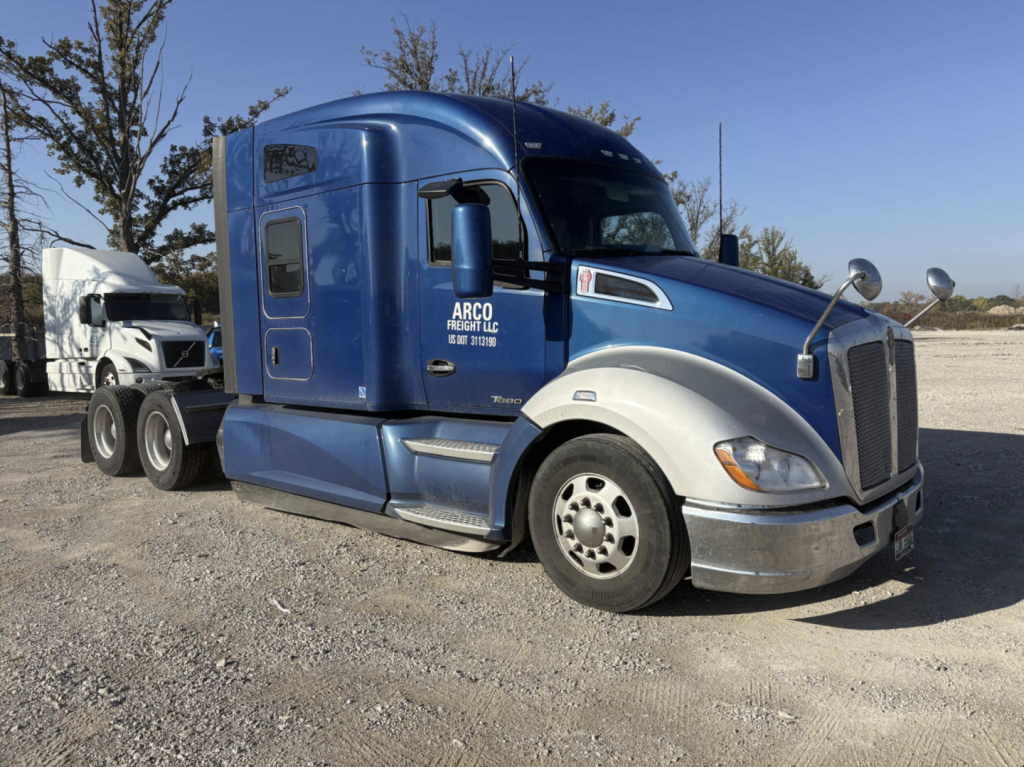
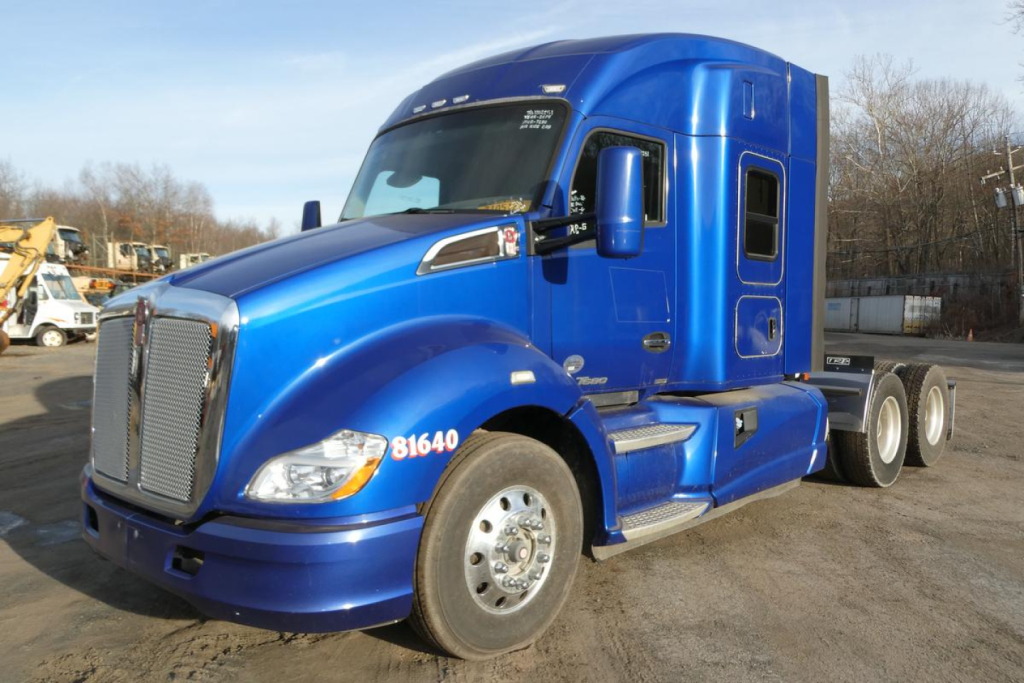

Have kenworth conventional sleeper truck to sell? List it here to reach thousands of buyers.
Kenworth Conventional Sleeper Trucks in New York
The first decisions are typically sleeper size, engine platform, transmission, and rear axle ratio. Common sleeper configurations range from mid-roof sleepers around 40 inches up to 76-inch high-roof sleepers for teams or drivers spending extended time on the road. Engines often include the PACCAR MX-13 or Cummins ISX15 in the 400 to 500 horsepower range, paired with manual, automated manual, or traditional overdrive transmissions. Tandem axle 6x4 setups with 40,000 lb rears are standard, and ratios such as 3.25 or 3.36 are common for balancing cruise RPM, fuel mileage, and gradeability. Wheelbase, fifth wheel travel, and fuel capacity also matter if the truck will be assigned to van, reefer, flatbed, or bulk work.
For New York buyers, emissions compliance, corrosion exposure, and cold-weather spec are worth a close look. Trucks that have spent time in the Northeast often need extra attention on frame condition, crossmembers, air tanks, wiring, fairing mounts, and suspension hardware because of road salt exposure. A bunk heater, APU, engine brake, full fairing package, and dual aluminum tanks are all useful features for year-round highway work. Suspension choice also affects ride and maintenance. Air ride suspensions are common on Kenworth sleepers and are preferred by many fleets for driver comfort and freight protection. Tire size, low-profile versus standard rubber, and aluminum versus steel wheels can also affect weight, serviceability, and operating cost.
A buyer comparing Kenworth sleeper tractors should look beyond model year and mileage. Pay attention to service history, idle hours, aftertreatment condition, transmission type, and signs of past fleet maintenance discipline. Check kingpin setting compatibility with your trailer mix, verify axle ratings and GVWR against your intended loads, and confirm the sleeper layout fits your operation. A well-specced Kenworth conventional sleeper can serve dry van, refrigerated, general freight, and dedicated contract lanes effectively, especially when the drivetrain, wheelbase, and sleeper package match the route and duty cycle.
Frequently Asked Questions about Kenworth Conventional Sleeper Trucks in New York
What is the most common Kenworth conventional sleeper model buyers compare?
The Kenworth T680 is one of the most common conventional sleeper trucks on the market. It is known for its aerodynamic hood, over-the-road cab design, and broad range of sleeper and drivetrain configurations. Buyers compare T680 trucks based on sleeper size, engine make, transmission type, rear axle ratio, wheelbase, and maintenance history because two trucks with the same model badge can be built for very different applications.
What sleeper size is best in a Kenworth conventional sleeper truck?
The right sleeper size depends on route length, driver assignment, and how much time the truck spends away from the terminal. Smaller sleepers around 40 inches work well for shorter overnights and regional operations where cab length and weight matter. Larger 72-inch to 76-inch high-roof sleepers are better for long-haul use, teams, and drivers who need more storage and living space. The larger sleeper usually improves comfort but can add weight and affect wheelbase planning.
Which engine and transmission combinations are common in Kenworth sleeper tractors?
Kenworth conventional sleeper trucks are commonly spec'd with PACCAR MX-13 or Cummins ISX15 engines, often in the 450 to 500 horsepower range. Transmission choices may include 10-speed or 13-speed manuals, as well as automated manual transmissions depending on the truck's age and fleet spec. Buyers should match horsepower, torque, gearing, and transmission style to their freight and terrain instead of choosing by horsepower alone.
What should New York buyers inspect on a used Kenworth conventional sleeper?
New York buyers should pay close attention to corrosion and winter-related wear. Frame rails, suspension mounts, air system components, battery boxes, fairing brackets, and electrical connections can all show accelerated deterioration on trucks that operated in salted-road conditions. It is also important to verify emissions system health, heater and A/C operation, tire condition, and any signs of hard idle use if the truck has an APU or bunk HVAC equipment.
Are Kenworth conventional sleeper trucks suited for more than long-haul van freight?
Yes. While they are strongly associated with over-the-road van and reefer work, Kenworth conventional sleepers can be spec'd for many applications including dedicated freight, bulk hauling, flatbed lanes, and specialized regional work with overnight stays. The key is making sure the axle ratings, fifth wheel setup, wheelbase, suspension, and PTO provisions, if needed, fit the trailers and duty cycle in your operation.