
Kenworth Conventional Sleeper Trucks For Sale in Nevada
Shop Kenworth conventional sleeper trucks in Nevada. Compare T680 specs, sleeper sizes, powertrains, axle ratios, and long-haul features.
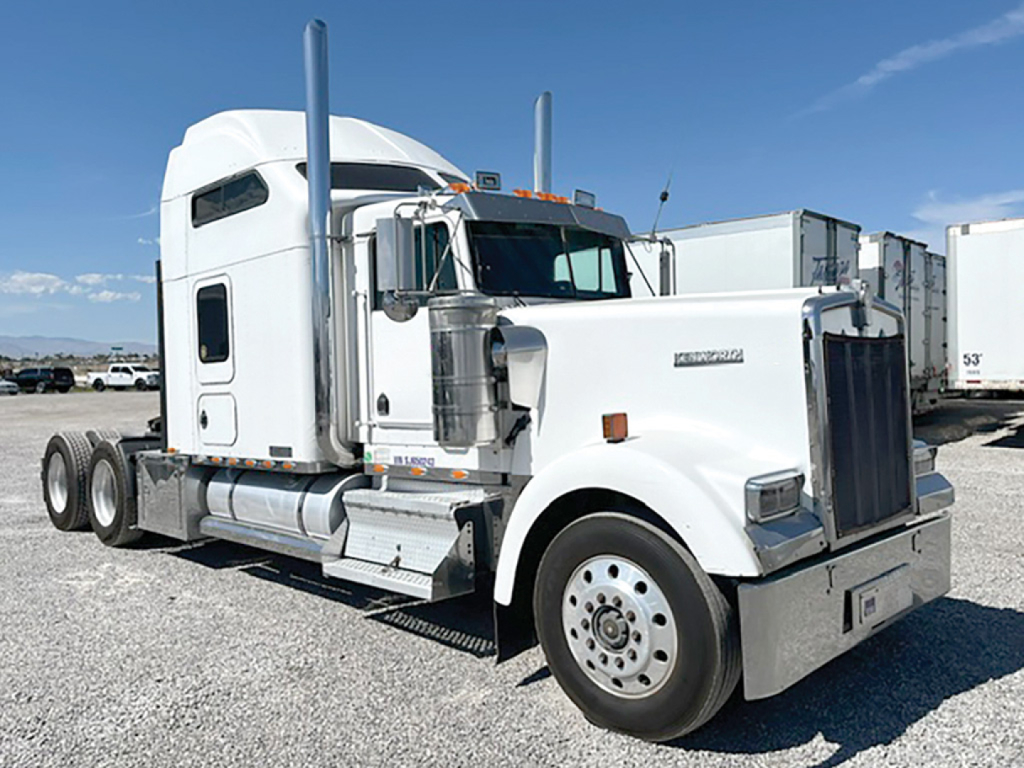
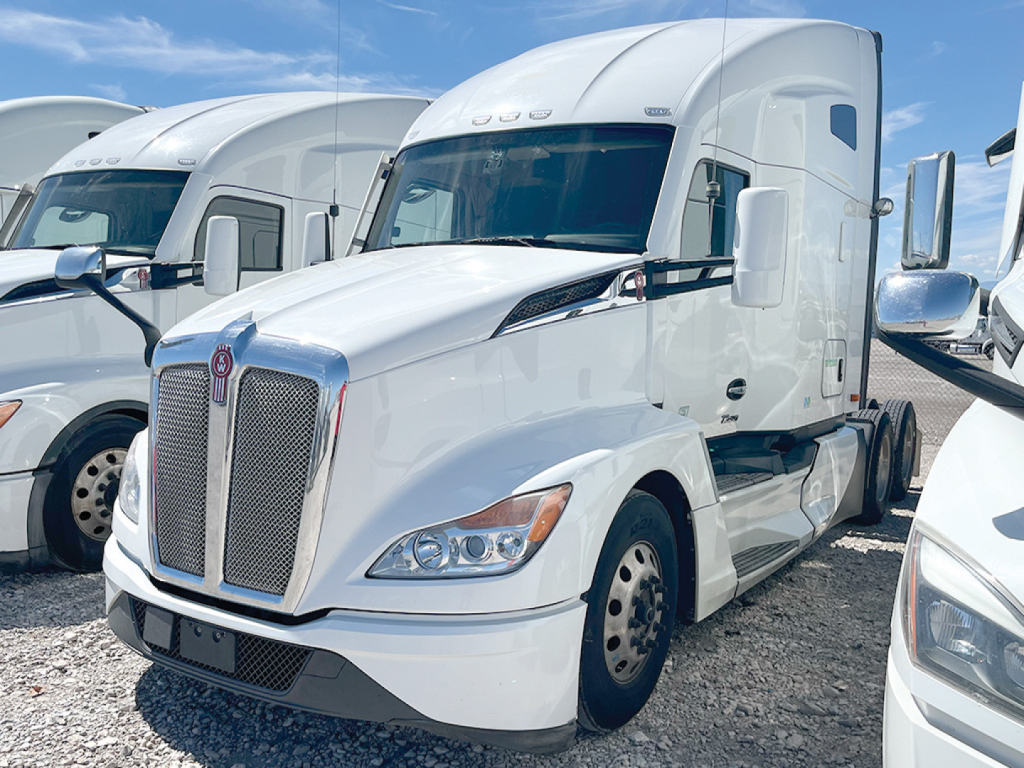
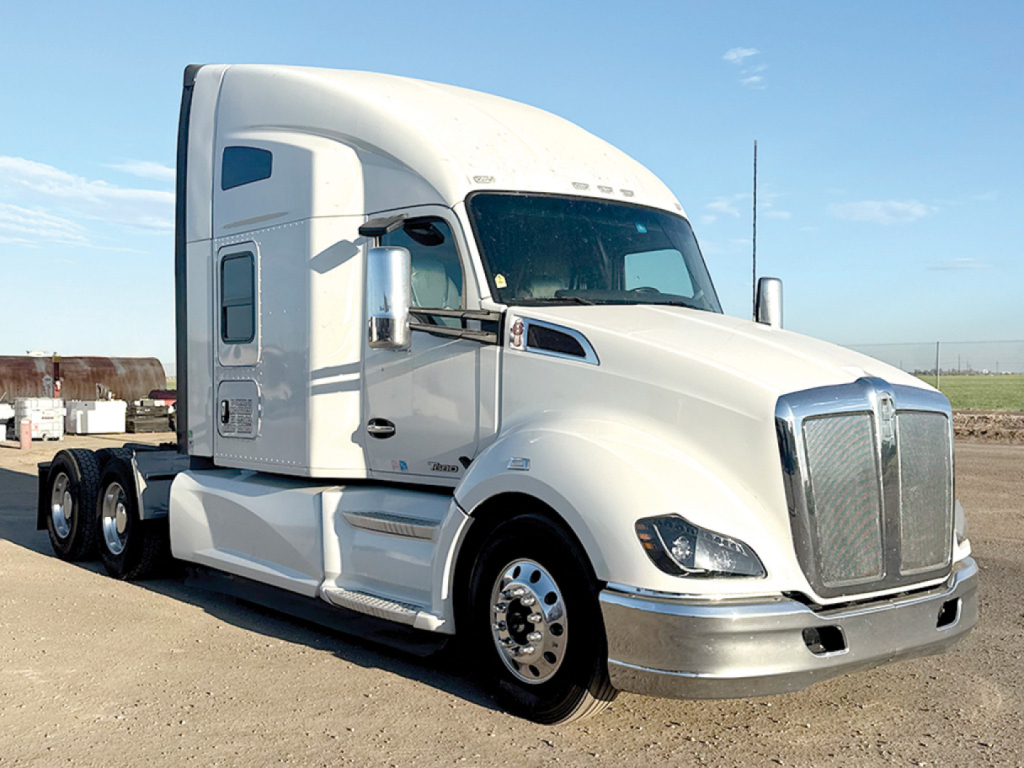

Have kenworth conventional sleeper truck to sell? List it here to reach thousands of buyers.
Kenworth Conventional Sleeper Trucks in Nevada
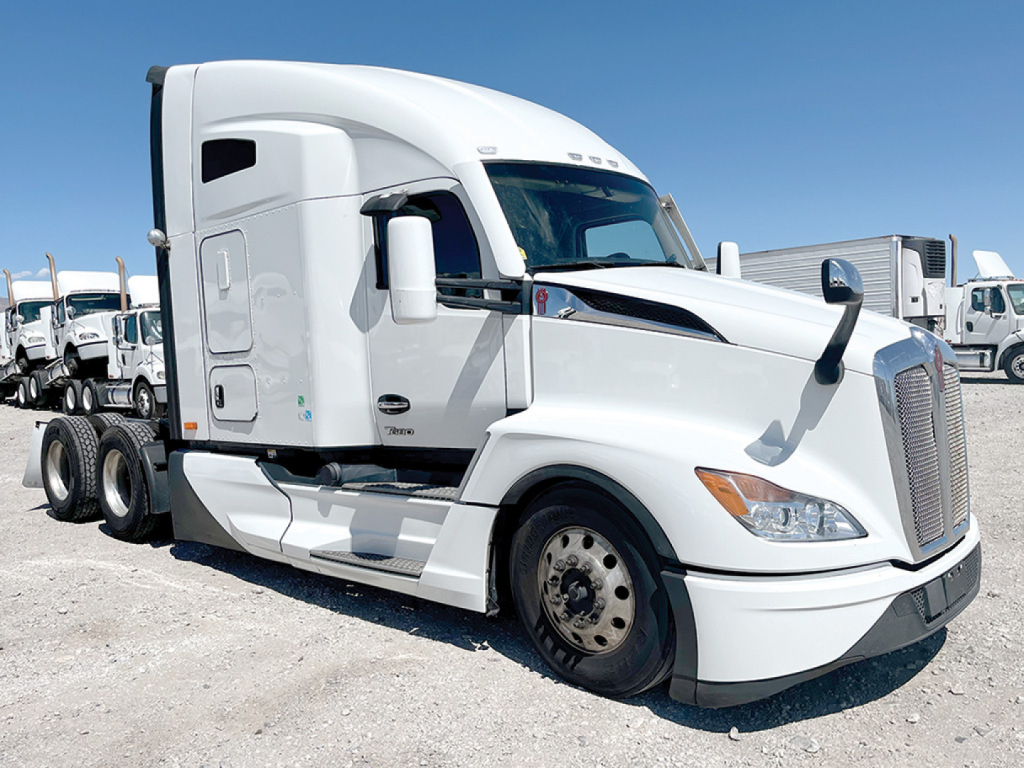
A typical Kenworth sleeper spec in this class includes a 72-inch to 76-inch high-roof sleeper, tandem drive axles, air ride suspension, and a 6x4 axle configuration. Common engines include the Cummins X15, Cummins ISX, and PACCAR MX-13, often rated around 450 to 455 horsepower for a balance of pulling power and fuel mileage. Automated manual transmissions are especially common in later-model units, paired with rear axle ratios like 2.64 or 2.79 to keep cruise RPM down. Buyers comparing listings should pay close attention to wheelbase, fifth wheel style, fuel capacity, brake type, and whether the truck has disc brakes, collision mitigation, engine brake, and a full aero package with side fairings and cab extenders.
Sleeper layout matters more than many first-time buyers expect. High-roof double-bunk configurations are popular for team operations, while single-bunk or upper-bunk setups may suit solo regional or long-haul use. Interior trim levels such as Kenworth Vantage or VIT can change storage, dash layout, seating, and overall driver comfort. Features like bunk heaters, refrigerators, navigation, digital dash displays, smart wheel controls, and tilt-telescoping steering all add value for fleets trying to improve retention and reduce driver fatigue. Fuel tank size is another practical spec to compare, especially for western routes where lane planning and fuel stops can affect operating cost.
Used Kenworth conventional sleepers should be evaluated beyond year and mileage. Tire condition, brake life, emissions system history, service records, and drivetrain calibration all affect real cost after purchase. On newer T680 Next Gen trucks, buyers should also look closely at ADAS features, low-profile 22.5 tires, aluminum wheels, and cab condition, since these trucks are often spec'd to maximize highway efficiency. For Nevada operations, cooling system health, A/C performance, and fairing condition deserve extra attention because heat, crosswinds, and long distances expose weak points quickly. A well-spec'd Kenworth conventional sleeper can be a strong fit for fleets and owner-operators that want a premium highway tractor with broad parts support and strong resale appeal.
Frequently Asked Questions about Kenworth Conventional Sleeper Trucks in Nevada
What engine is most common in a Kenworth conventional sleeper truck?
The most common engines in late-model Kenworth conventional sleeper trucks are the Cummins X15 and PACCAR MX-13, with older units often carrying the Cummins ISX. In this category, horsepower is frequently in the 450 to 455 range because that rating works well for general long-haul freight without giving up fuel economy. The right engine depends on route profile, average gross weight, maintenance preference, and whether your operation prioritizes dealer support, parts commonality, or fuel burn.
What sleeper size is typical on a Kenworth T680?
A Kenworth T680 sleeper is commonly equipped with a high-roof sleeper in the 76-inch class, though exact dimensions and interior layouts vary by spec. That size is popular because it provides enough standing room, storage, and bunk space for long-haul work while still keeping the truck aerodynamic. Buyers should also compare single-bunk versus double-bunk layouts, cabinet configuration, and sleeper amenities such as bunk heater, refrigerator, and power inverters.
Why do axle ratio and transmission matter on a highway sleeper tractor?
Axle ratio and transmission choice directly affect cruise RPM, fuel economy, gradeability, and startability. Ratios like 2.64 and 2.79 are common on aerodynamic sleeper tractors because they help keep engine speed low at highway cruise when paired with automated transmissions. That can reduce fuel consumption, but the truck still needs enough gearing for the loads and terrain you run. A buyer hauling heavy freight through mountain grades may want a different balance than a fleet running lighter interstate freight on flatter lanes.
Are Kenworth conventional sleeper trucks good for team driving?
Yes, many Kenworth conventional sleepers are well suited for team operations, especially high-roof double-bunk configurations. The larger sleeper space improves livability on longer dispatch cycles and gives teams more room for storage, rest, and onboard amenities. When comparing trucks for team use, focus on bunk arrangement, HVAC performance, interior storage, noise levels, and driver-assist features that reduce fatigue over long shifts.
What should I inspect first on a used Kenworth sleeper tractor?
Start with the maintenance history, emissions system performance, engine and transmission fault history, tire and brake wear, and suspension condition. After that, inspect fairings, cab extenders, sleeper seals, A/C output, and all in-cab electronics, especially on newer trucks with digital dash and safety systems. A used sleeper tractor can look clean and still need costly work, so drivetrain health and service documentation usually matter more than cosmetic appearance alone.