
Kenworth Conventional Sleeper Trucks For Sale in Georgia
Browse Kenworth conventional sleeper trucks in Georgia, including T680 specs, engine options, sleeper sizes, and long-haul buying considerations.
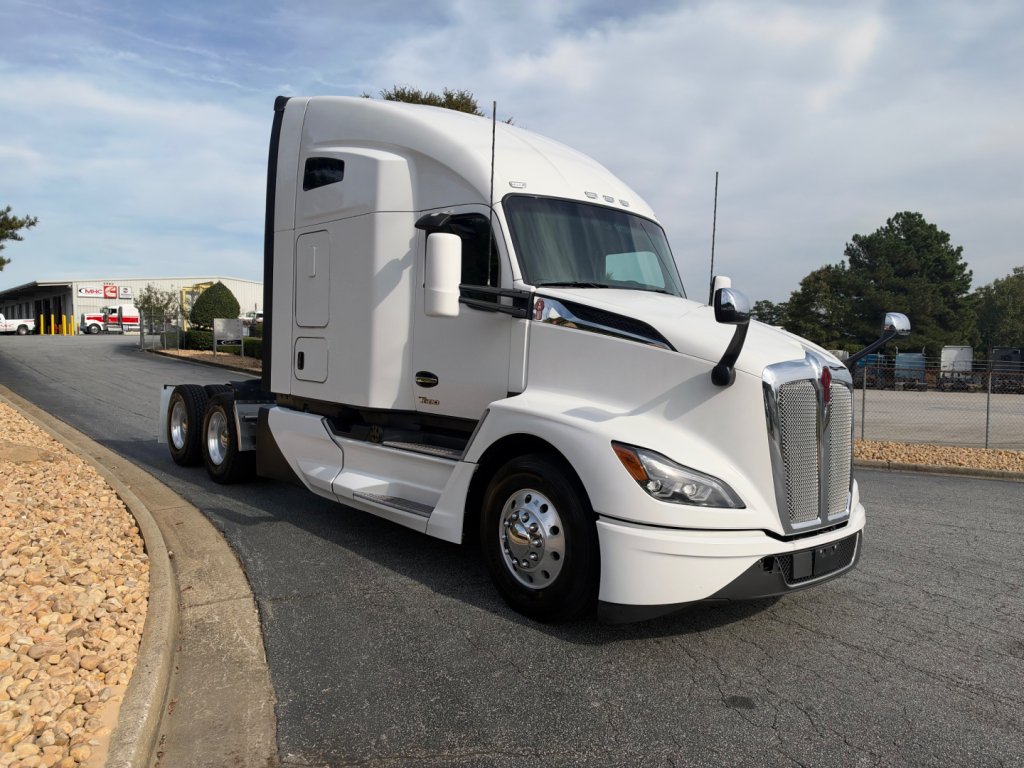
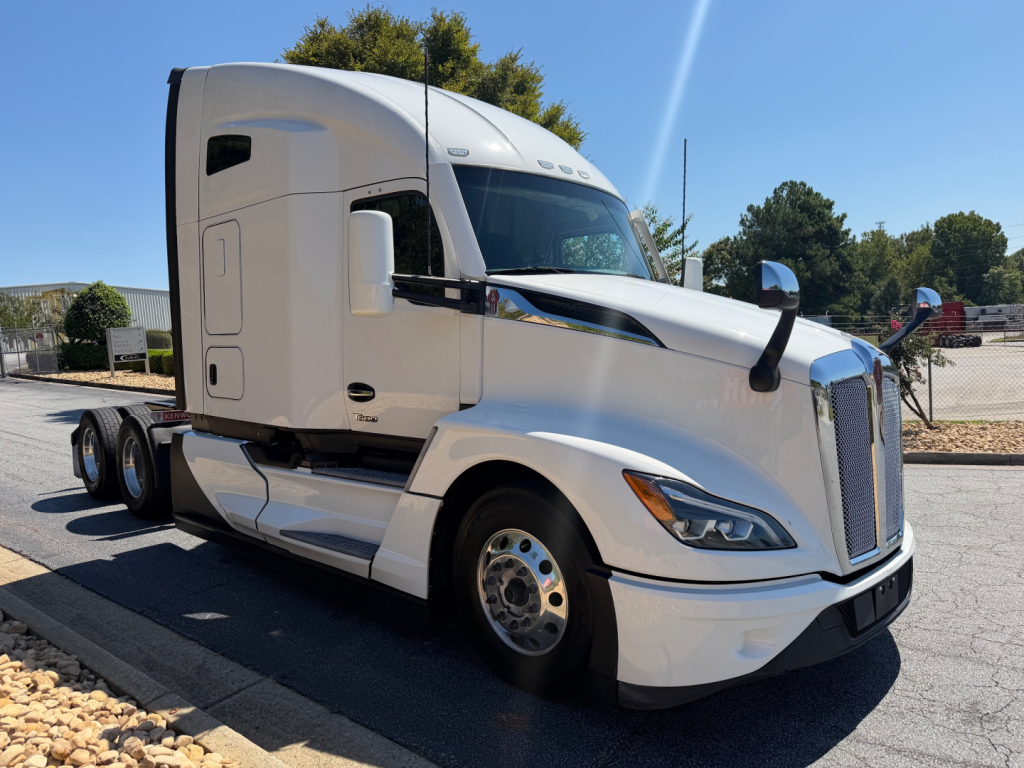
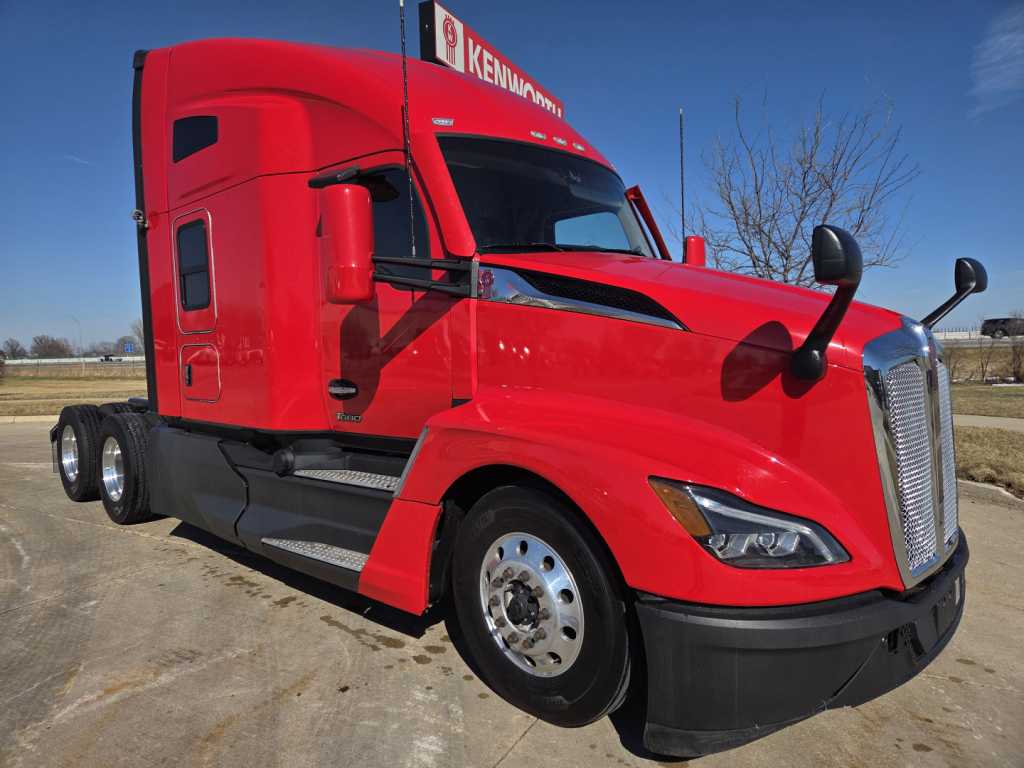
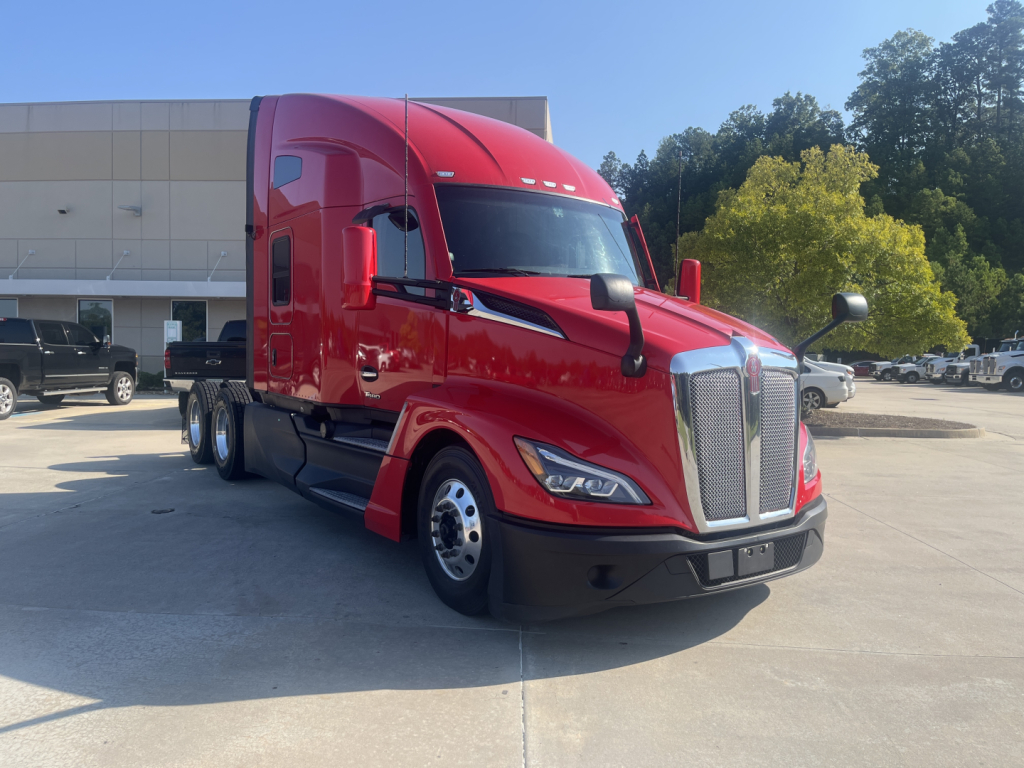
Selling a kenworth conventional sleeper truck? List your kenworth conventional sleeper truck for sale and reach thousands of commercial buyers.
Kenworth Conventional Sleeper Trucks in Georgia
A typical late-model Kenworth conventional sleeper will be spec'd with a 72-inch to 76-inch high-roof sleeper, tandem 40,000-pound rears, air ride suspension, and an automated manual or full automatic-style heavy-duty transmission. Common engine choices include the PACCAR MX-13 and Cummins X15, usually in the 450 to 455 horsepower range for general dry van, reefer, and dedicated freight applications. Rear axle ratios such as 2.47, 2.64, and 2.79 are all common on fuel-economy focused highway trucks. Lower numerical ratios generally favor lower engine speed at cruise, while a slightly deeper ratio can help in heavier freight or more varied terrain. Wheelbases in the low-220-inch to 230-inch range are typical for sleeper tractors with sliding fifth wheels and aerodynamic fairings.
For many buyers, the real comparison point is operating cost over several years. A well-spec'd Kenworth sleeper can offer good service access, strong parts support, and a cab layout that works for teams or solo drivers spending extended time on the road. Features that show up often in this category include engine brakes, collision mitigation systems, digital dash packages, bunk heaters, dual aluminum fuel tanks, disc brakes, low-profile 22.5 tires, and Vantage interior trim. If the truck will stay on Southeast regional freight, pay close attention to cooling performance, idle management setup, and sleeper HVAC condition. If it will be a true 48-state tractor, look harder at fuel capacity, upper bunk configuration, and driver-assist systems that reduce fatigue on long interstate runs.
Inspection priorities on a used Kenworth conventional sleeper should include aftertreatment history, transmission calibration and clutch data on automated units, suspension wear, fairing condition, and signs of uneven steer or drive tire wear. Buyers should also confirm wheelbase, fifth wheel travel, and tank placement against trailer gap requirements and axle weight targets. In this category, small spec differences matter. A T680 with the right powertrain, sleeper layout, and ratio can be an efficient revenue truck for dry van, refrigerated, or general highway freight, while the wrong spec can leave money on the table in fuel burn, driver retention, or maintenance downtime.
Frequently Asked Questions about Kenworth Conventional Sleeper Trucks in Georgia
What is the most common Kenworth conventional sleeper model for highway freight?
The Kenworth T680 is one of the most common conventional sleeper models for highway use. It is designed as an aerodynamic over-the-road tractor and is frequently spec'd for dry van, reefer, and dedicated route operations. Most buyers will see high-roof sleeper configurations with tandem drive axles, automated transmissions, and fuel-efficient engine ratings in the 450-horsepower range.
Which engine is better in a Kenworth sleeper truck, PACCAR MX-13 or Cummins X15?
Both engines are widely used, but the better choice depends on fleet preference, service network, and duty cycle. The PACCAR MX-13 is often selected for fuel economy and integration in Kenworth and Peterbilt platforms, while the Cummins X15 is popular for broad service support, familiarity among technicians, and strong performance across a wide range of applications. A buyer should compare maintenance records, warranty status if applicable, and local dealer support as much as the engine badge itself.
What rear axle ratio should I look for in a Kenworth T680 sleeper?
Rear axle ratio should match the freight and the cruising speed the truck will run most often. Ratios like 2.47 and 2.64 are common in fuel-mileage focused linehaul trucks because they keep engine RPM lower at highway speeds. A 2.79 ratio may be better suited to operations that see heavier loads, more stop-and-go work, or terrain that requires a little more pulling flexibility. The right ratio depends on tire size, transmission gearing, and average gross combination weight.
Are Kenworth conventional sleeper trucks good for team driving?
Yes, many are well suited for team applications, especially high-roof sleeper configurations with an upper bunk and better interior storage. Team drivers usually benefit from a larger sleeper, bunk climate control, and a quieter cab layout that allows one driver to rest while the other is moving. Buyers comparing team trucks should look closely at sleeper height, mattress setup, inverter or idle management equipment, and overall cab ergonomics.
What should I inspect first on a used Kenworth conventional sleeper?
Start with the powertrain and emissions system because those components drive the largest repair bills. Review engine fault history, aftertreatment service records, transmission operation, and any signs of excessive idle time or incomplete maintenance. After that, inspect suspension components, brakes, tires, steering, sleeper HVAC, and aerodynamic body panels. Damage to fairings, poor tire wear patterns, or deferred cab repairs can point to higher operating costs after purchase.