
Used Freightliner Conventional Sleeper Trucks For Sale in Wisconsin
Used Freightliner conventional sleeper trucks for sale in Wisconsin, including Cascadia day-to-day over-the-road specs buyers compare most.
Learn moreNo exact matches found for your search
Showing Used Freightliner Conventional Sleeper Trucks instead.
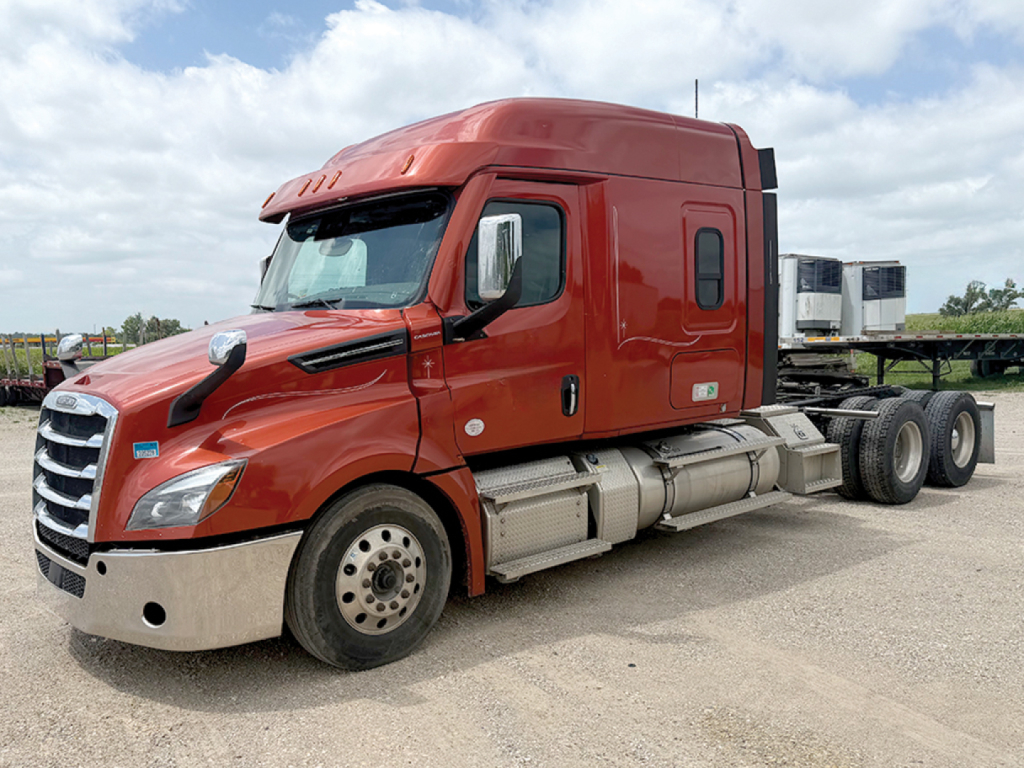
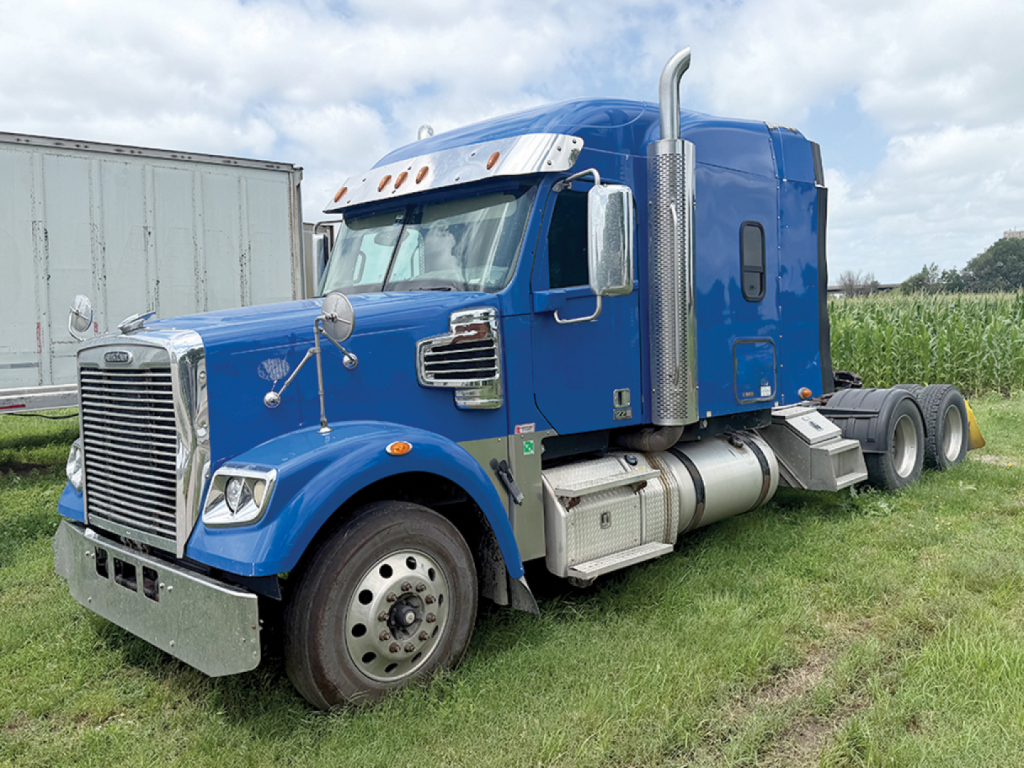
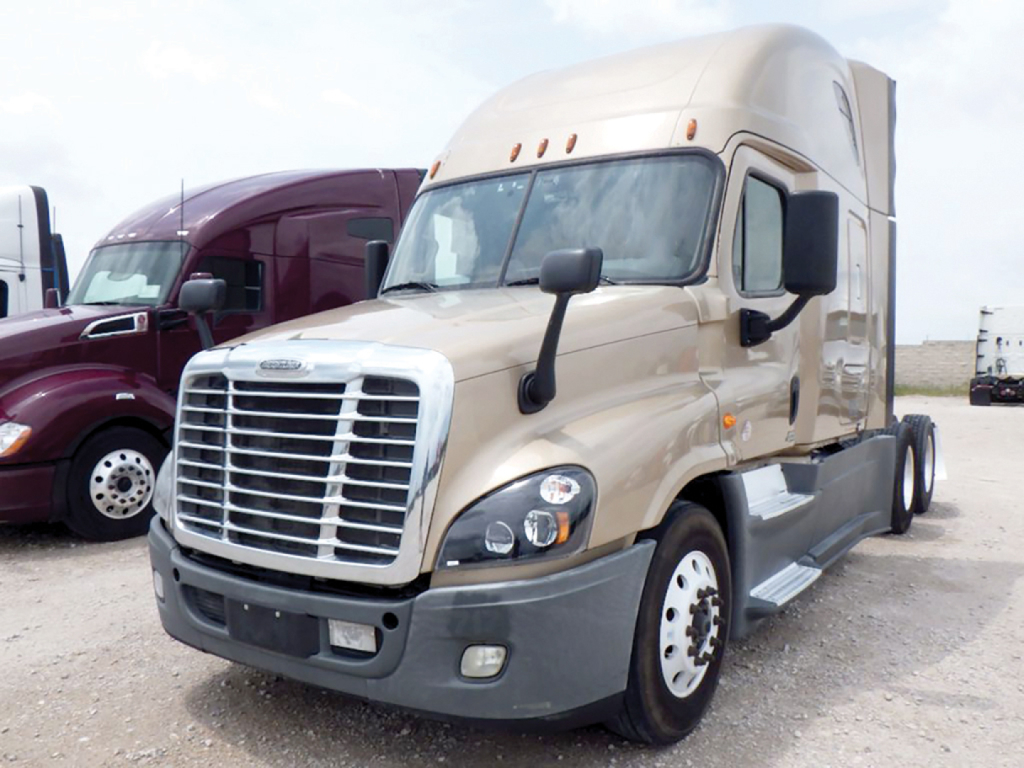
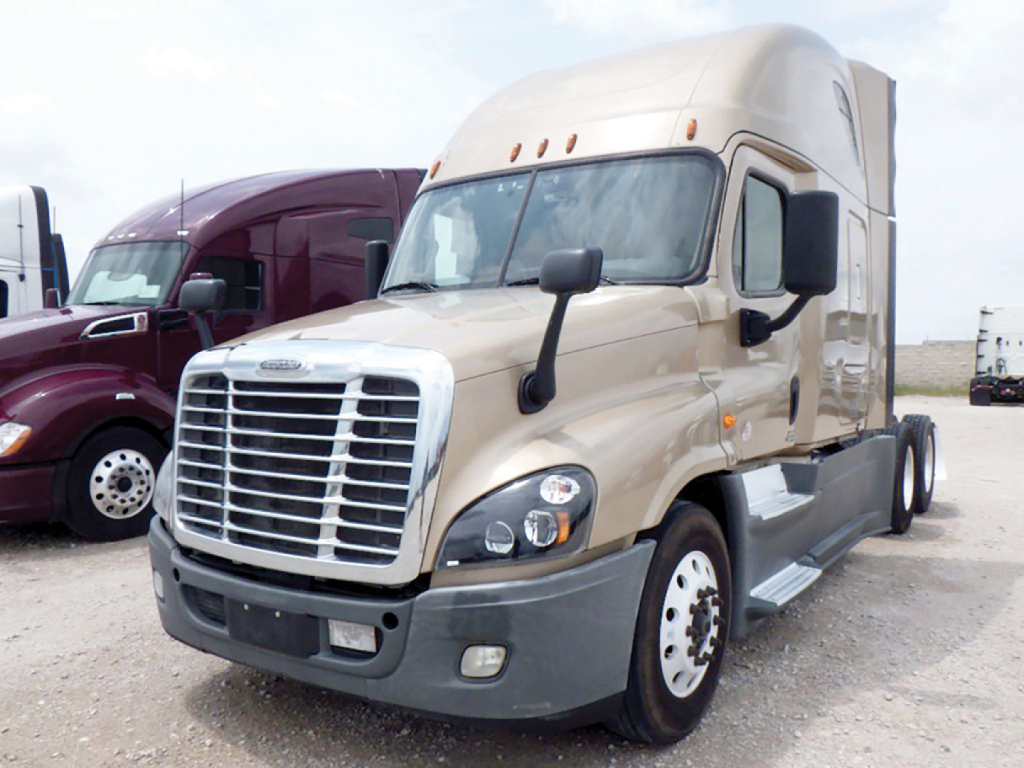
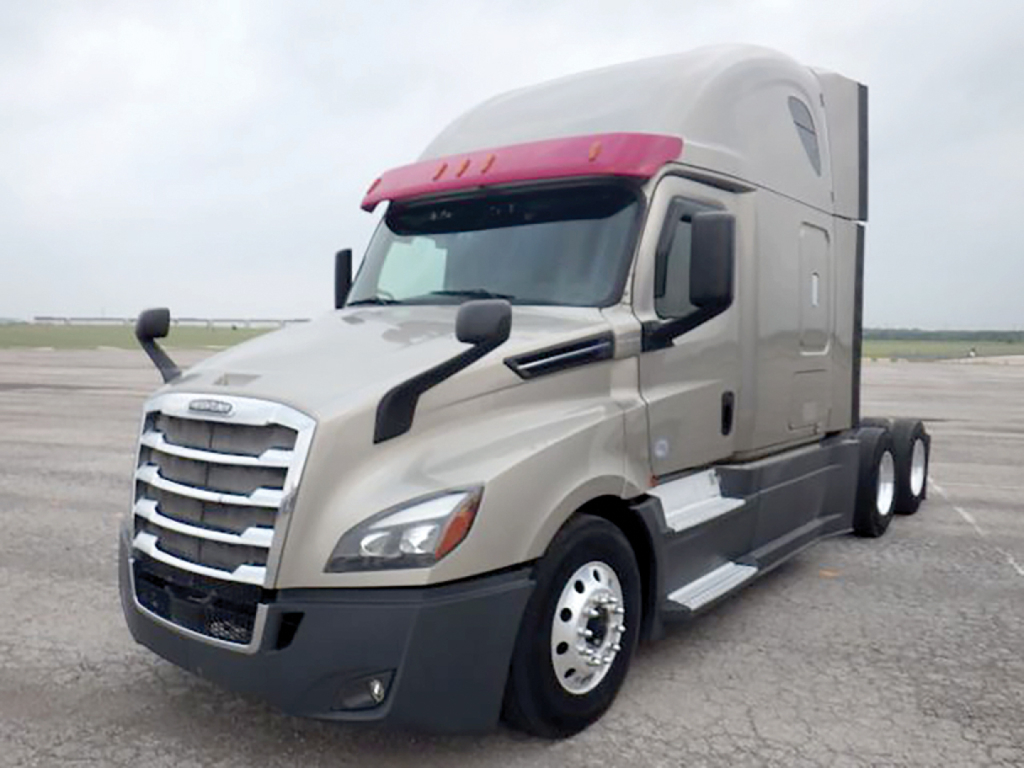
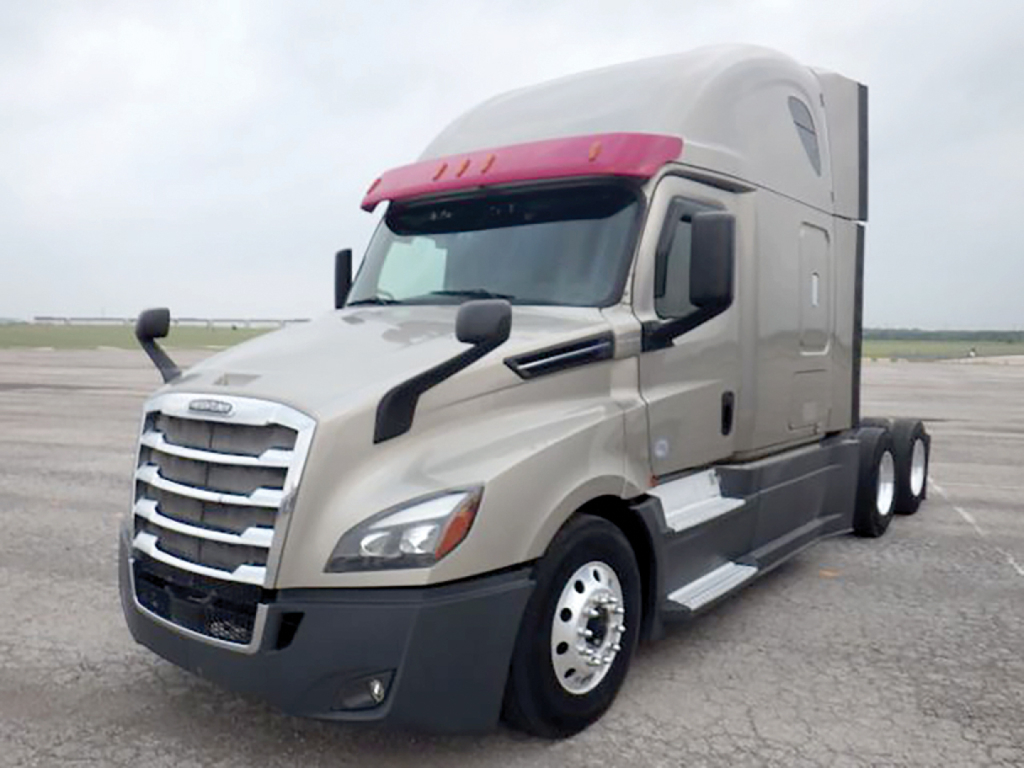
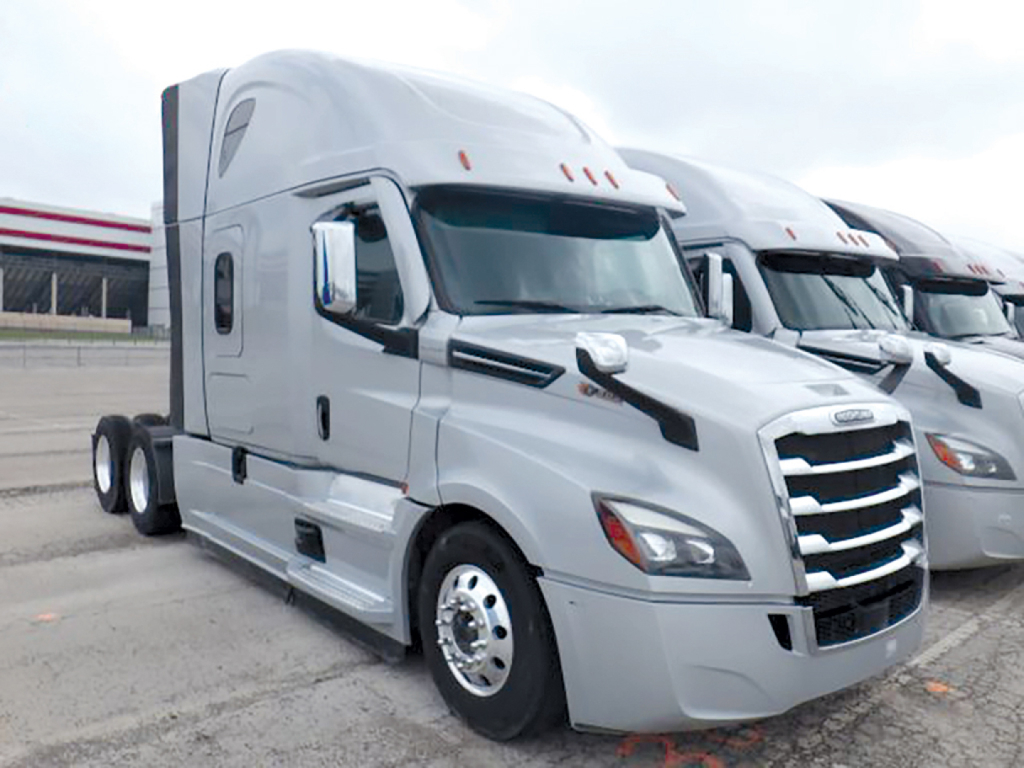

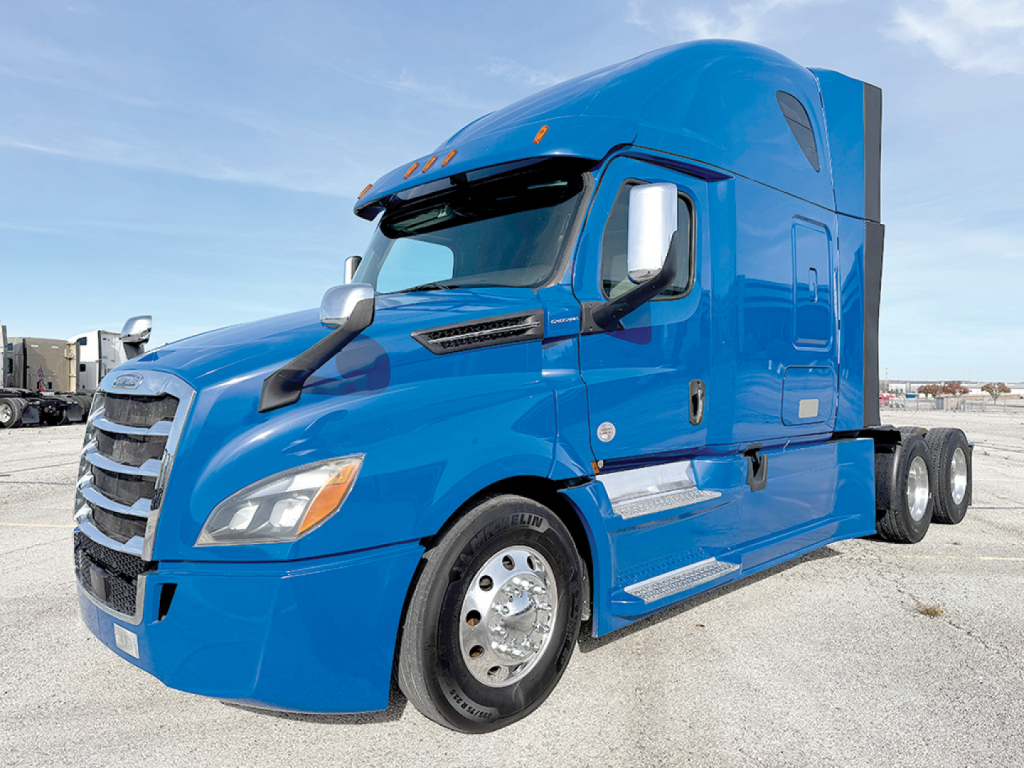
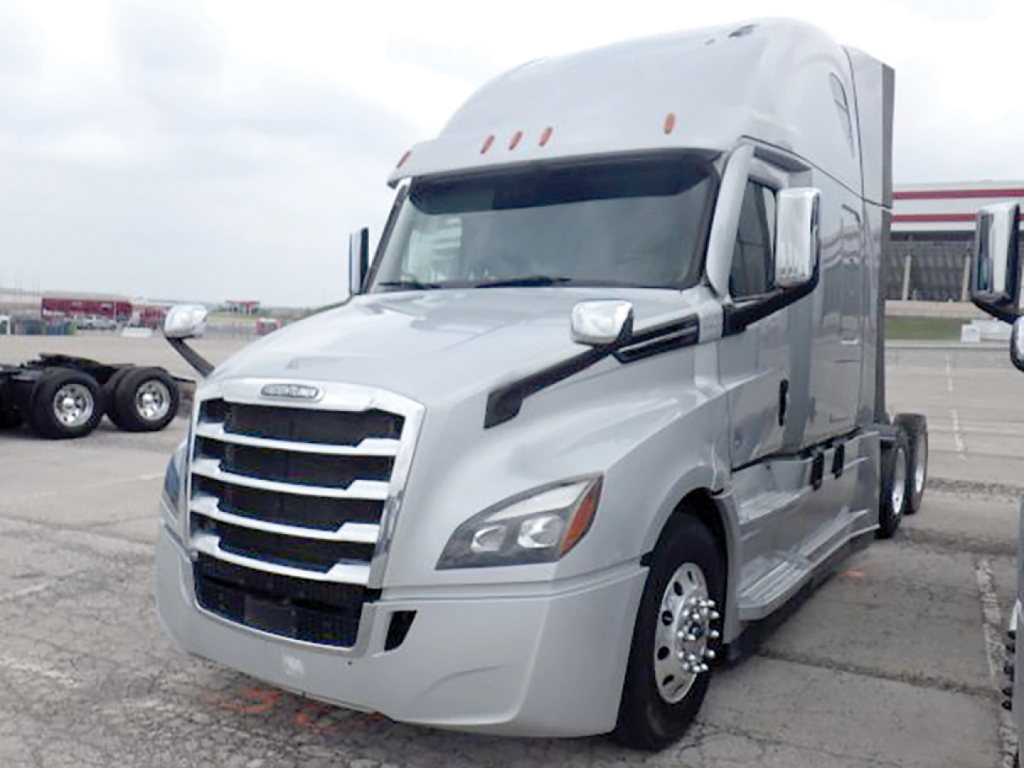
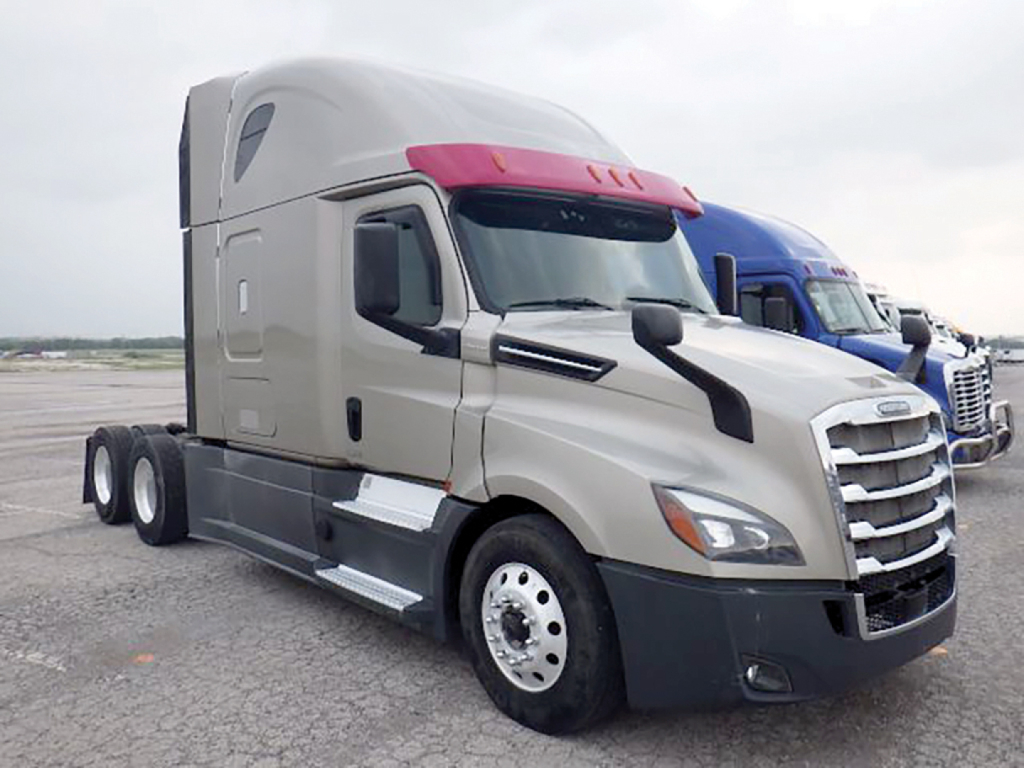
Showing 1 to 12 of 189 results
Have used freightliner conventional sleeper truck to sell? List it here to reach thousands of buyers.
About Used Freightliner Conventional Sleeper Trucks in Wisconsin
For most buyers, the main decision starts with sleeper size, engine rating, transmission, and rear axle ratio. Late-model Freightliner sleeper trucks often show up with 72-inch raised roof sleepers, Detroit DD15 engines in the 455 to 505 horsepower range, and DT12 automated manual transmissions. That combination is popular because it balances pulling power with highway fuel efficiency and keeps driver training simpler than a manual-spec truck for many fleets. Rear axle ratings around 40,000 pounds, ratios such as 2.28 or 2.41, and wheelbases in the 229-inch to 235-inch range are typical on linehaul specs. Buyers should match ratio and horsepower to freight profile, terrain, and cruise speed, especially if the truck will spend time on Wisconsin winters, upper Midwest grades, or heavier reefer lanes.
A used Freightliner conventional sleeper should also be evaluated by its operating spec, not just model year. Disc brakes, air ride suspension, low-profile 22.5 tires, aluminum wheels, dual fuel tanks, adjustable fifth wheels, and aerodynamic equipment such as side fairings and cab extenders all affect the truck's fit for your trailer mix and cost per mile. Driver-focused features matter in this category because sleeper tractors are revenue trucks on long schedules. Raised-roof sleepers, upper bunks, bunk heaters, refrigerators, APUs, workstations, and good HVAC performance can reduce idle time and improve retention. If the truck is assigned to team service or multi-day runs, interior layout and hotel load support deserve as much attention as engine hours and tire depth.
On the used side, service history is a bigger factor than paint or trim. Pay close attention to emissions maintenance, aftertreatment repairs, transmission calibration history, brake wear, suspension condition, and signs of uneven tire wear that may point to alignment or kingpin setting issues. Freightliner conventional sleepers are attractive partly because parts availability is strong and most independent shops know the platform well, but spec differences still matter. A highway tractor set up for fuel mileage with a tall rear ratio may not be the right fit for heavier freight or frequent short-haul repositioning. The best buy in this category is usually the truck whose sleeper configuration, drivetrain spec, and maintenance record match the lane it is expected to run.
Frequently Asked Questions
What is a conventional sleeper truck?
A conventional sleeper truck is a highway tractor with a forward hood and engine compartment ahead of the cab, plus a sleeper berth behind the seats for overnight or multi-day operation. This layout is standard in long-haul trucking because it provides good service access, strong cooling capacity, and room for larger sleepers. Freightliner conventional sleeper models, especially the Cascadia, are commonly used in van, reefer, and general freight applications.
What engine and transmission specs are common in used Freightliner sleeper trucks?
Many late-model used Freightliner conventional sleepers are equipped with Detroit DD15 engines and DT12 automated manual transmissions. Horsepower ratings often fall in the 455 HP to 505 HP range, with 40,000-pound rears and fuel-economy axle ratios like 2.28 or 2.41. That spec is aimed at linehaul work where highway speed, lower RPM, and reduced driver fatigue are priorities.
What sleeper size should I look for in a used Freightliner Cascadia?
A 72-inch raised roof sleeper is one of the most common and versatile choices because it gives the driver enough living space for over-the-road use without moving into an oversized specialty sleeper. Buyers running solo long-haul, team operations, or dedicated out-and-back lanes should compare bunk layout, storage, HVAC performance, bunk heater, refrigerator, and APU setup. Sleeper amenities can have a direct effect on idle reduction, driver comfort, and retention.
Are Freightliner conventional sleeper trucks good for Wisconsin and Upper Midwest operations?
Yes, they are a practical fit for Wisconsin and Upper Midwest lanes because the platform is common, parts support is broad, and most service shops are familiar with Freightliner and Detroit components. Buyers in this region should pay extra attention to cold-weather starting, bunk heater operation, corrosion, aftertreatment history, and tire and suspension condition. Deer guards, fairings, and fuel capacity may also matter depending on route type and rural mileage.
What should I inspect first on a used Freightliner conventional sleeper?
Start with maintenance records, engine and aftertreatment history, transmission performance, and evidence of consistent PM intervals. Then inspect brake condition, suspension wear, tire wear patterns, fifth wheel operation, sleeper HVAC, and all hotel-load equipment such as APUs or in-bunk power systems. A clean service file and a drivetrain spec that matches your freight usually matter more than cosmetic appearance on a used sleeper tractor.