
Used Freightliner Conventional Sleeper Trucks For Sale in Michigan
Browse used Freightliner conventional sleeper trucks in Michigan. Compare sleepers, powertrains, wheelbases, and highway-ready specs.
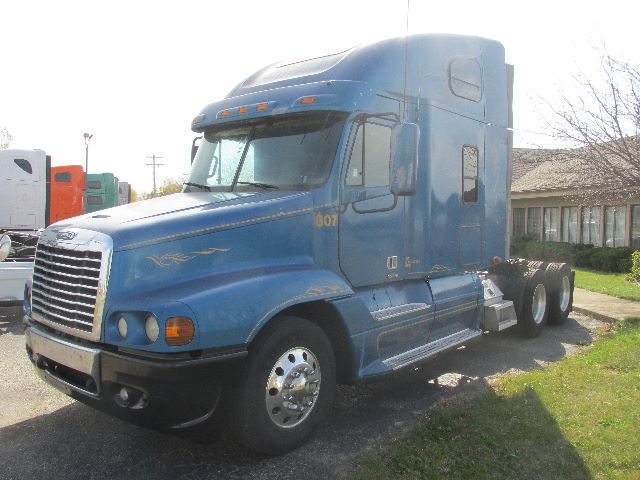
Looking for the easiest place to sell your used freightliner conventional sleeper truck? List it here to reach thousands of buyers.
Used Freightliner Conventional Sleeper Trucks in Michigan
The main buying decision usually starts with engine, transmission, and rear axle spec. Used Freightliner sleepers are often found with Detroit, Cummins, or Mercedes-Benz diesel engines, paired with 10-speed, 13-speed, or automated manual transmissions depending on age and application. Buyers should look closely at horsepower and torque ratings, rear axle ratio, wheelbase, and gross vehicle weight rating to make sure the truck fits the freight. A highway truck set up for van or reefer work may differ substantially from one previously used in heavier regional service. Maintenance items like injector history, EGR and aftertreatment repairs, dyno results, blow-by, clutch wear, and suspension condition can tell you more than odometer miles alone.
Sleeper configuration matters as much as drivetrain. Freightliner conventional sleeper trucks are designed to give drivers enough living space for nights on the road, but layouts vary. Common considerations include bunk size, storage, inverter setup, idle management equipment, HVAC performance, and overall cab insulation. On a used unit, interior wear often gives a clear picture of how the truck was operated and maintained. For Michigan buyers, corrosion is another practical checkpoint. Frame condition, cab mounts, battery boxes, fairings, crossmembers, and airline routing should all be inspected carefully, especially on trucks that have spent years in salted winter conditions.
Freightliner sleeper trucks remain popular because they are straightforward to spec, easy to service, and widely accepted in general freight, dry van, reefer, dedicated contract, and team applications. A good used conventional sleeper should balance emissions-era reliability, driver comfort, fuel economy, and repair cost. When comparing listings, focus on documented service work, current DOT readiness, tire and brake condition, sleeper functionality, and signs the truck has been matched to the kind of route you plan to run. The right used Freightliner conventional sleeper is less about model year alone and more about maintenance discipline, component spec, and how well the truck fits your operation.
Frequently Asked Questions about Used Freightliner Conventional Sleeper Trucks in Michigan
What should I check first on a used Freightliner conventional sleeper truck?
Start with the powertrain history and the condition of emissions-related components. Service records for injectors, EGR system repairs, DPF maintenance, turbo work, and oil sample history are especially important on used highway tractors. After that, inspect blow-by, transmission operation, clutch or automated transmission performance, suspension wear, and any signs of frame corrosion. A clean interior and functional sleeper equipment also help confirm the truck has been maintained as more than just a workhorse.
Are Freightliner conventional sleeper trucks good for long-haul service?
Yes. Freightliner conventional sleepers are widely used in long-haul operations because they are built for highway efficiency, driver comfort, and broad serviceability. Raised-roof sleeper configurations, accessible parts networks, and common engine and transmission combinations make them practical for fleets and owner-operators alike. The key is choosing a truck with a sleeper size, axle ratio, and horsepower rating that match the lanes and freight you plan to run.
Which Freightliner sleeper models are most common on the used market?
The Freightliner Century is a common older conventional sleeper model, and the Cascadia became the dominant later platform for many over-the-road operations. Both are conventional sleeper tractors, but they differ in cab design, aerodynamics, interior layout, and available engine packages. On the used market, the best choice often comes down to maintenance history, emissions system condition, and how the truck was originally spec'd rather than model name alone.
Why does location in Michigan matter when buying a used sleeper truck?
Michigan conditions make rust and winter wear a serious inspection point. Trucks that have operated through salted roads and cold-weather cycles can show accelerated corrosion on frames, cab steps, battery boxes, crossmembers, and brackets. Cold starts, bunk heater function, HVAC performance, and tire condition also matter more in this region. A truck that looks good cosmetically can still need undercarriage and chassis attention if it spent years in harsh winter service.
What sleeper-related features matter most on a used conventional truck?
The most important sleeper features depend on trip length, but buyers usually focus on bunk size, storage, HVAC performance, inverter setup, idle reduction equipment, and overall cab noise and insulation. On a used truck, confirm that the sleeper lights, climate controls, seals, cabinets, and any auxiliary power equipment are functioning properly. A well-kept sleeper improves driver comfort, but it also signals the truck may have received better day-to-day care overall.