
Used Freightliner Conventional Sleeper Trucks For Sale in Louisiana
Shop used Freightliner conventional sleeper trucks in Louisiana. Compare Cascadia specs, sleeper sizes, Detroit powertrains, and road-ready options.
No exact matches found for your search
Showing Used Freightliner Conventional Sleeper Trucks instead.
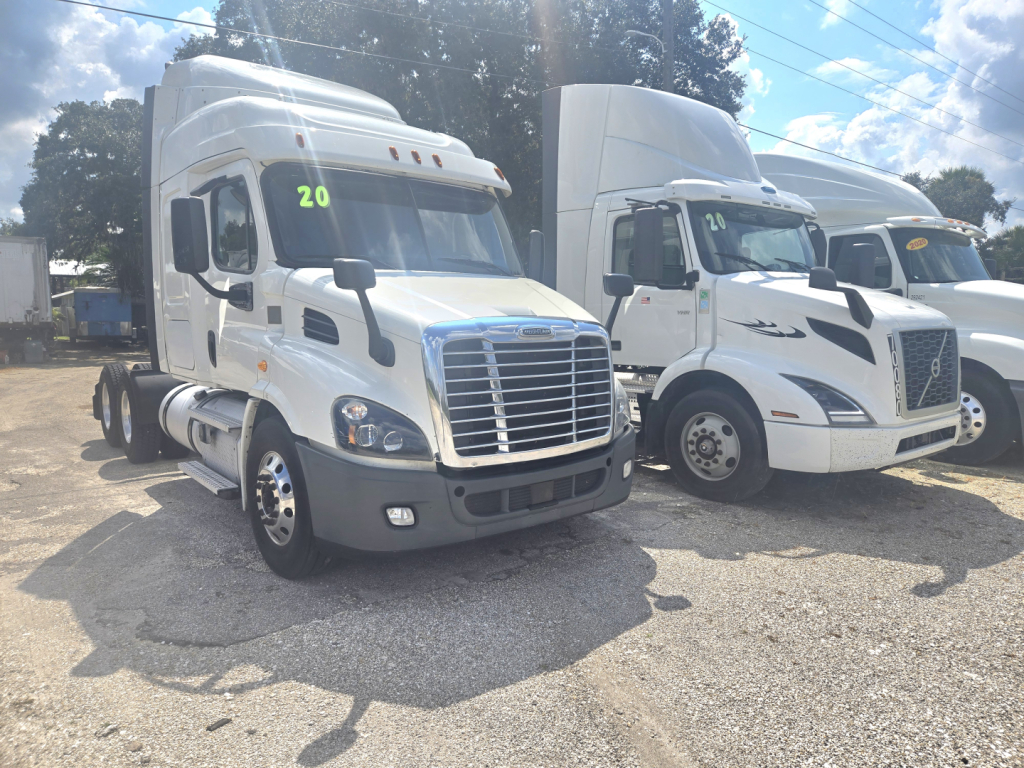
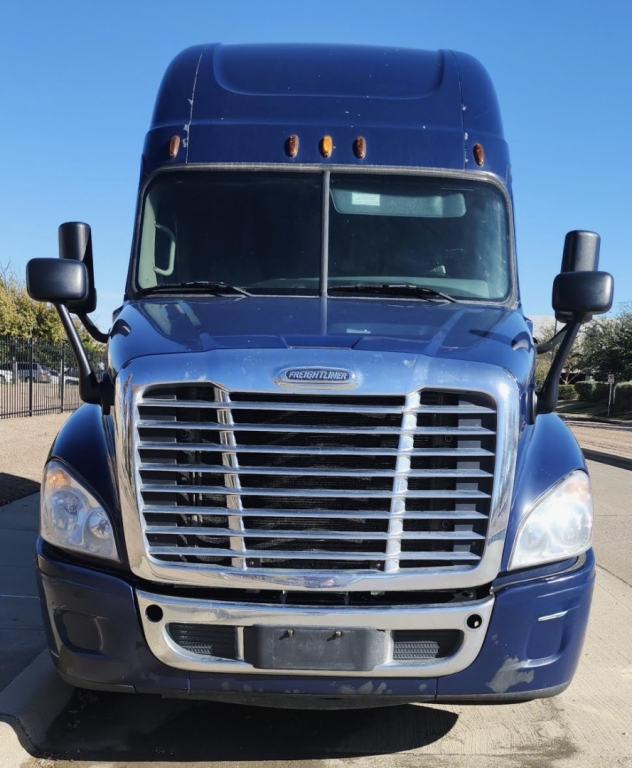
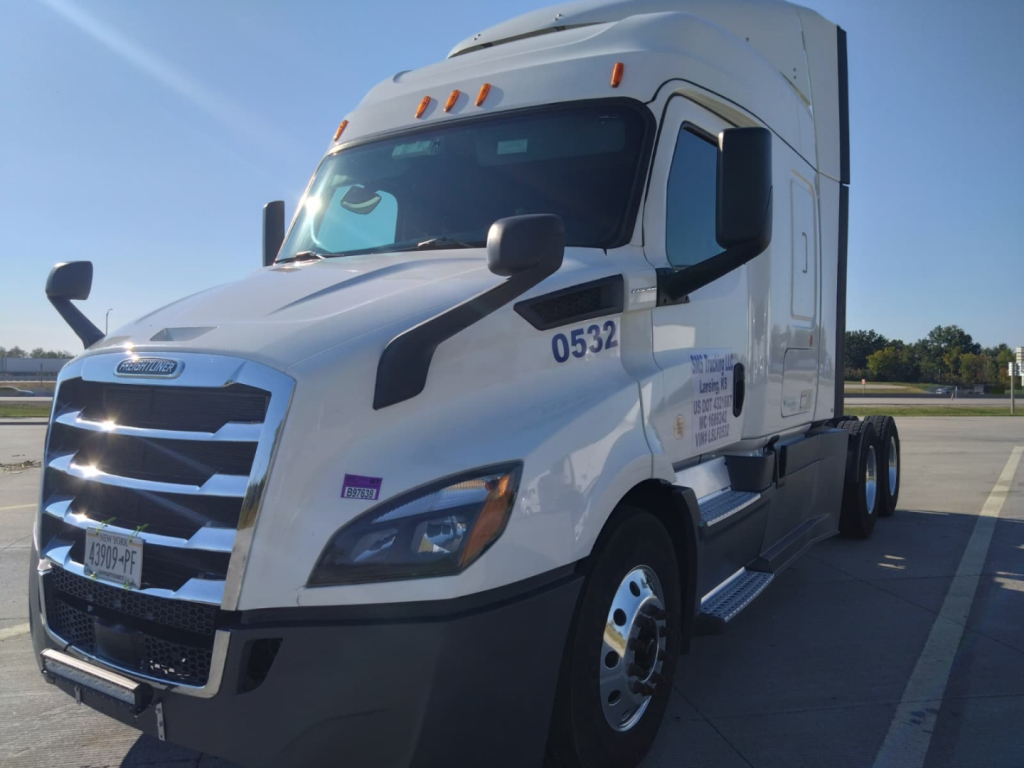
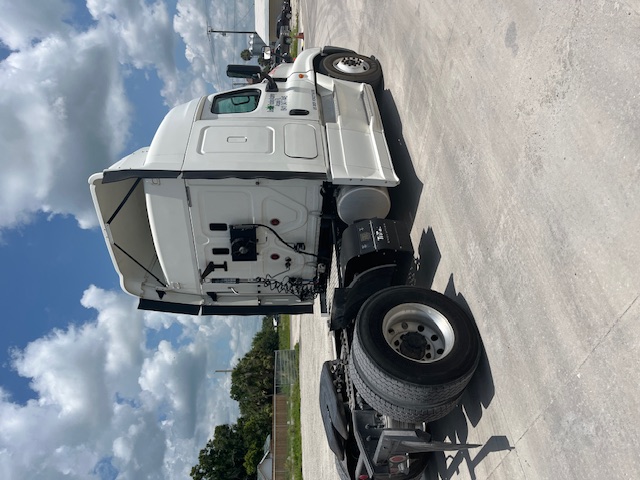
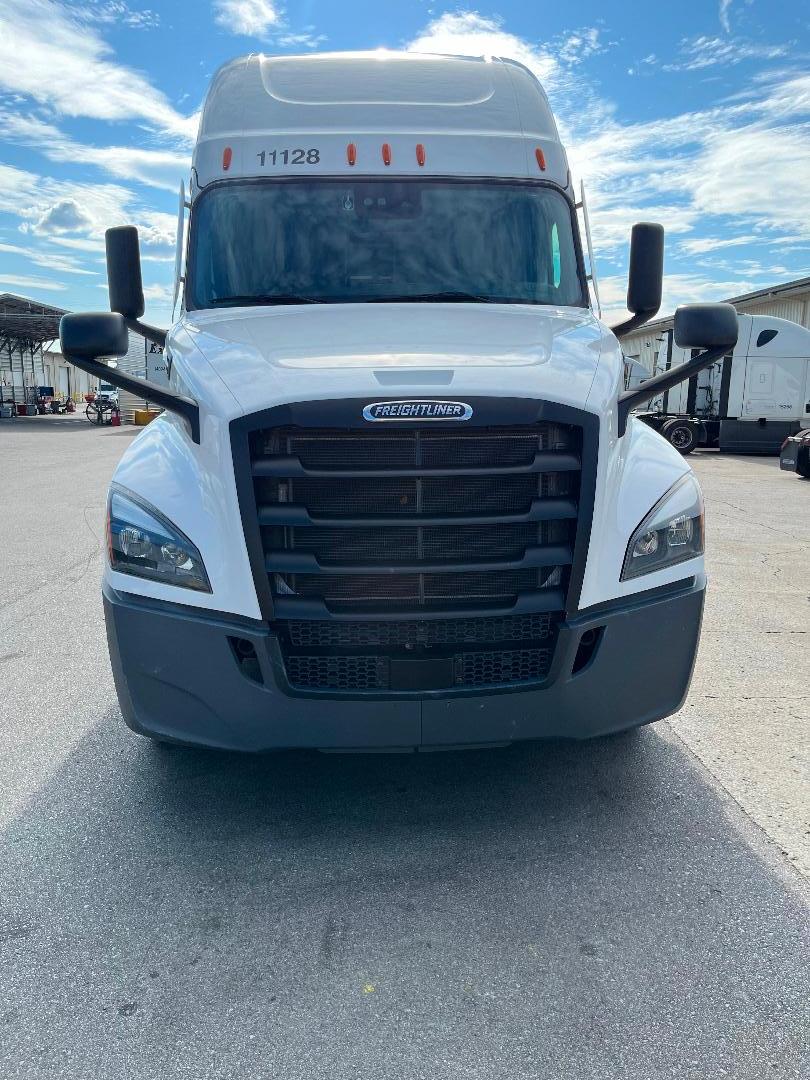
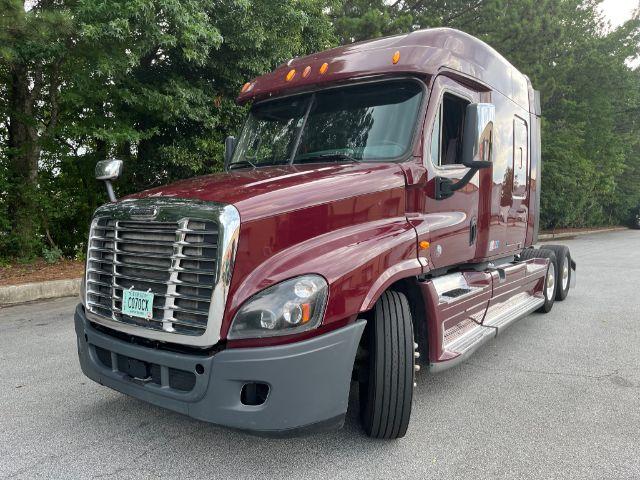
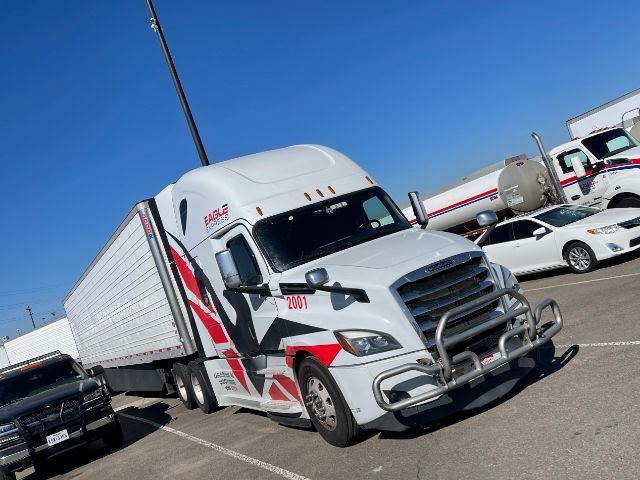
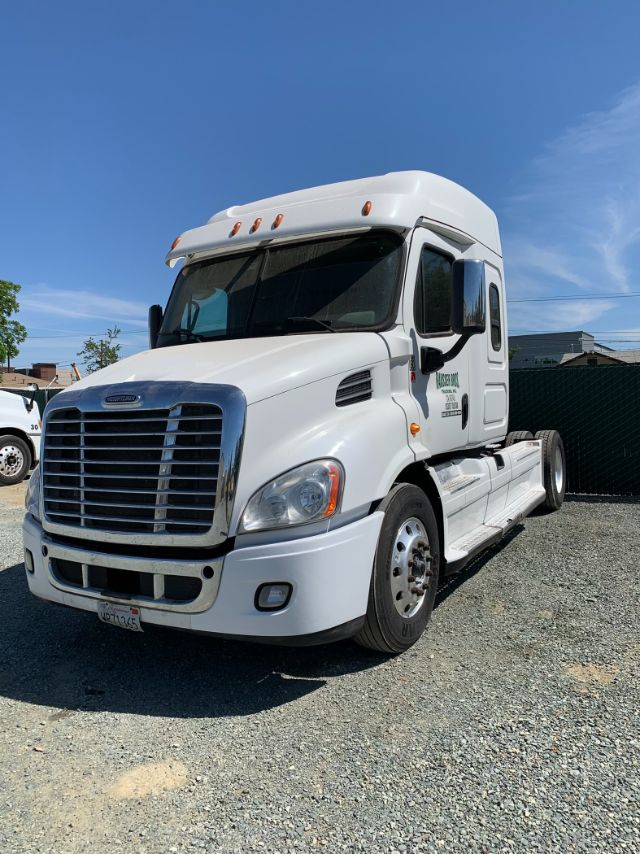
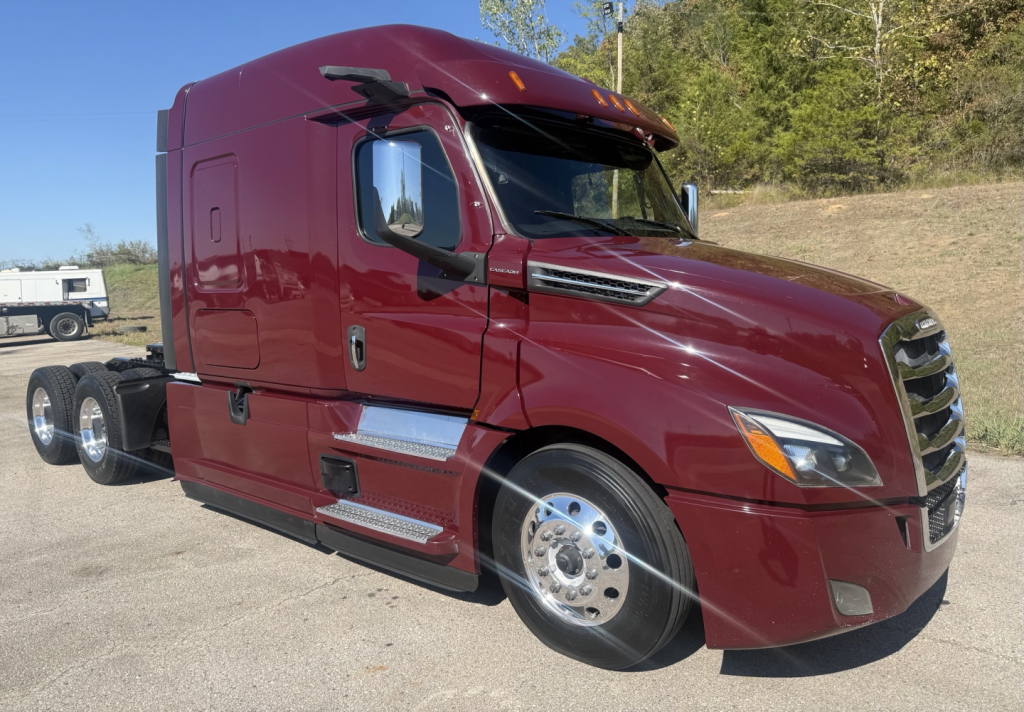
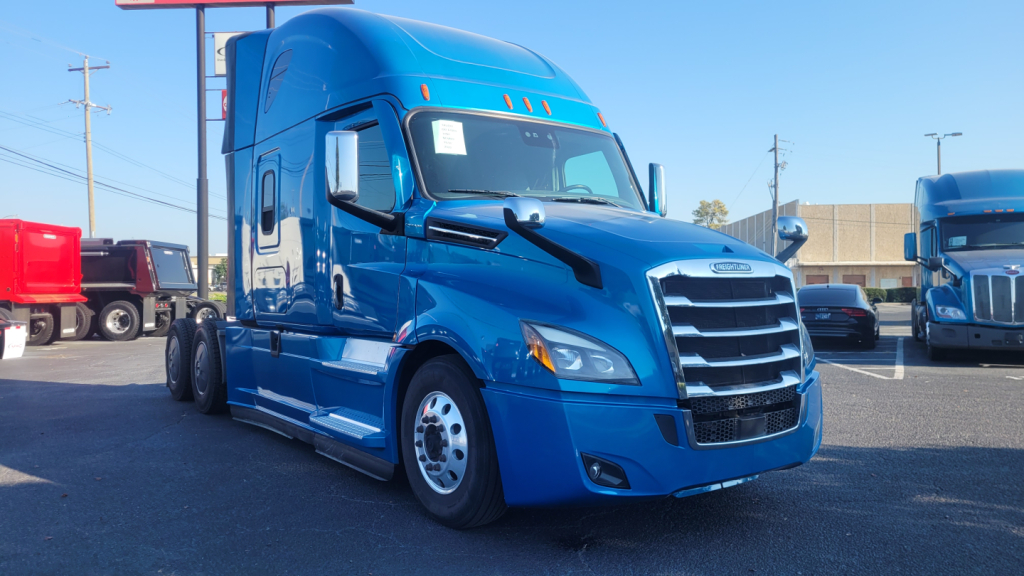
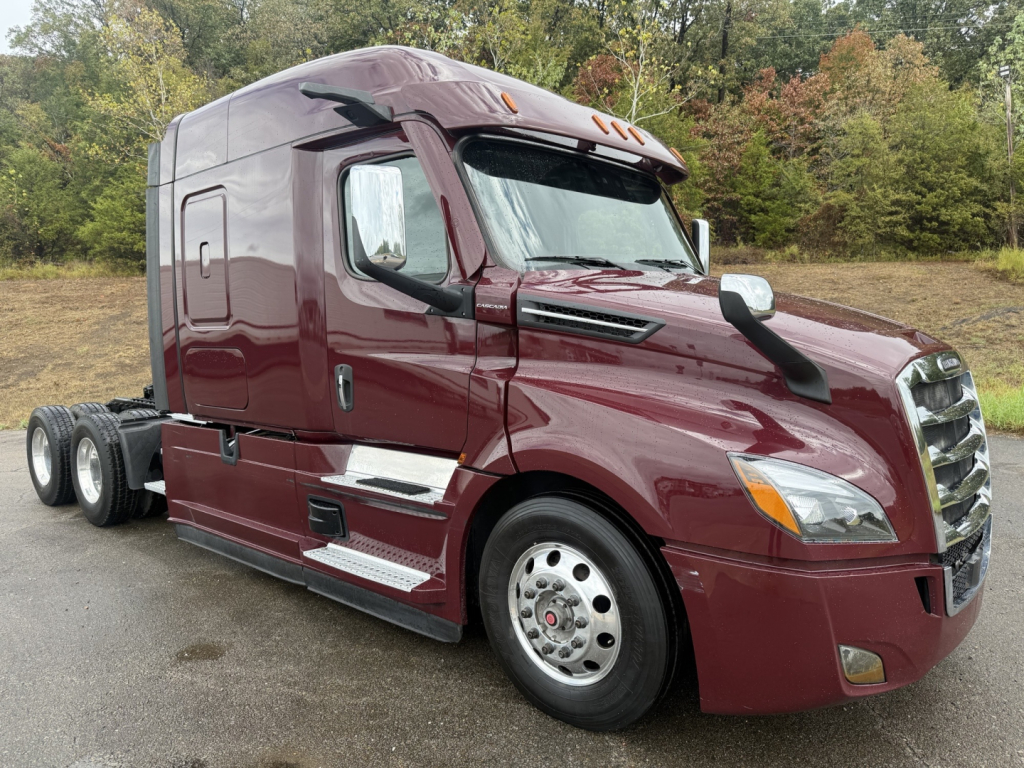
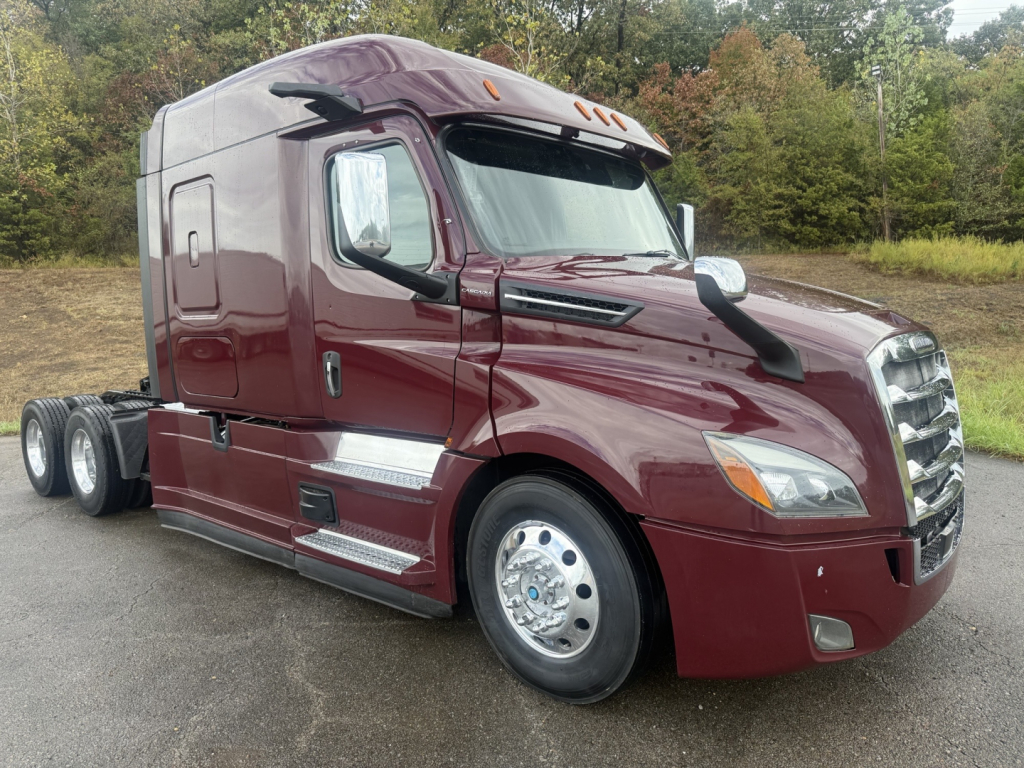
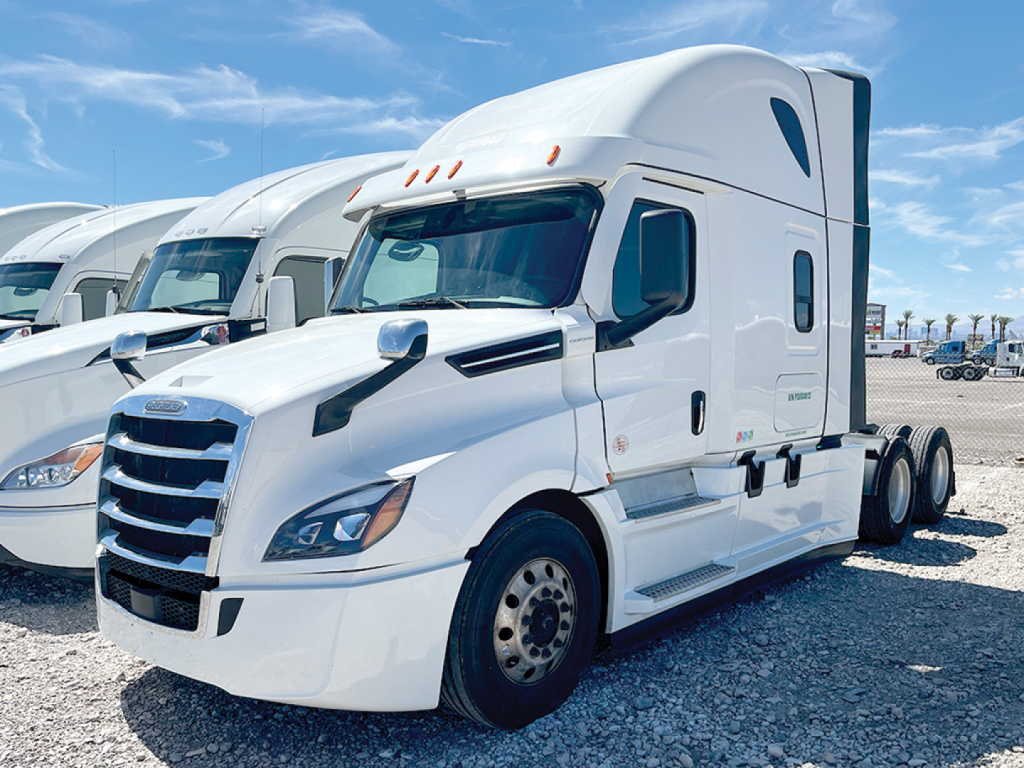
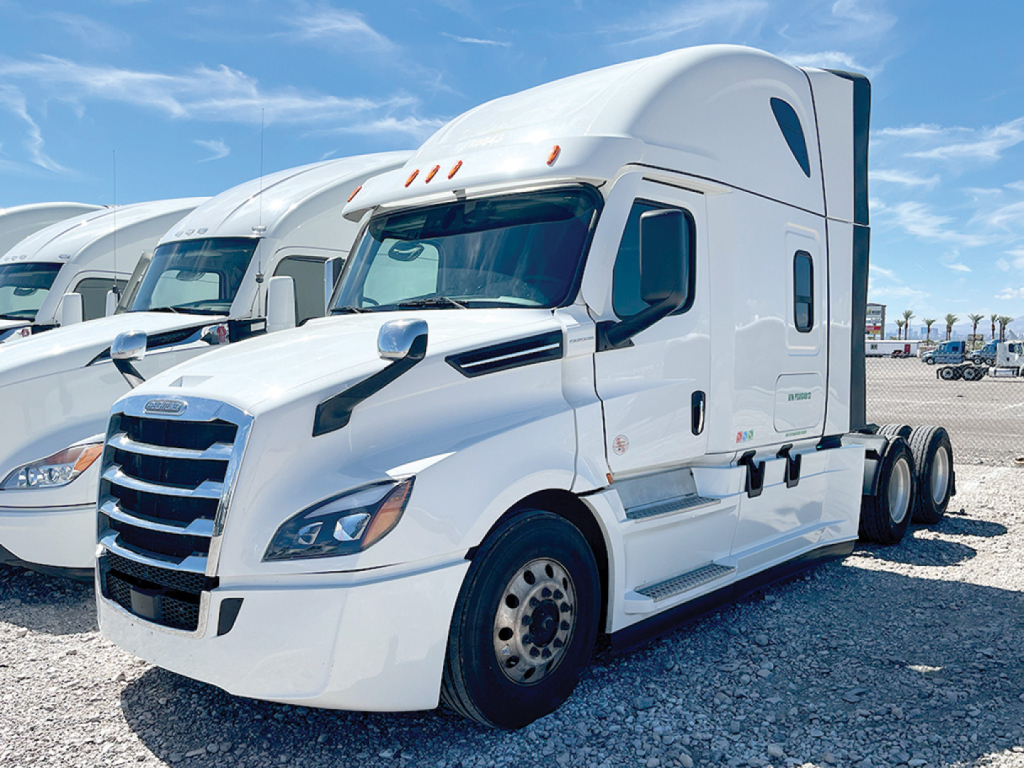
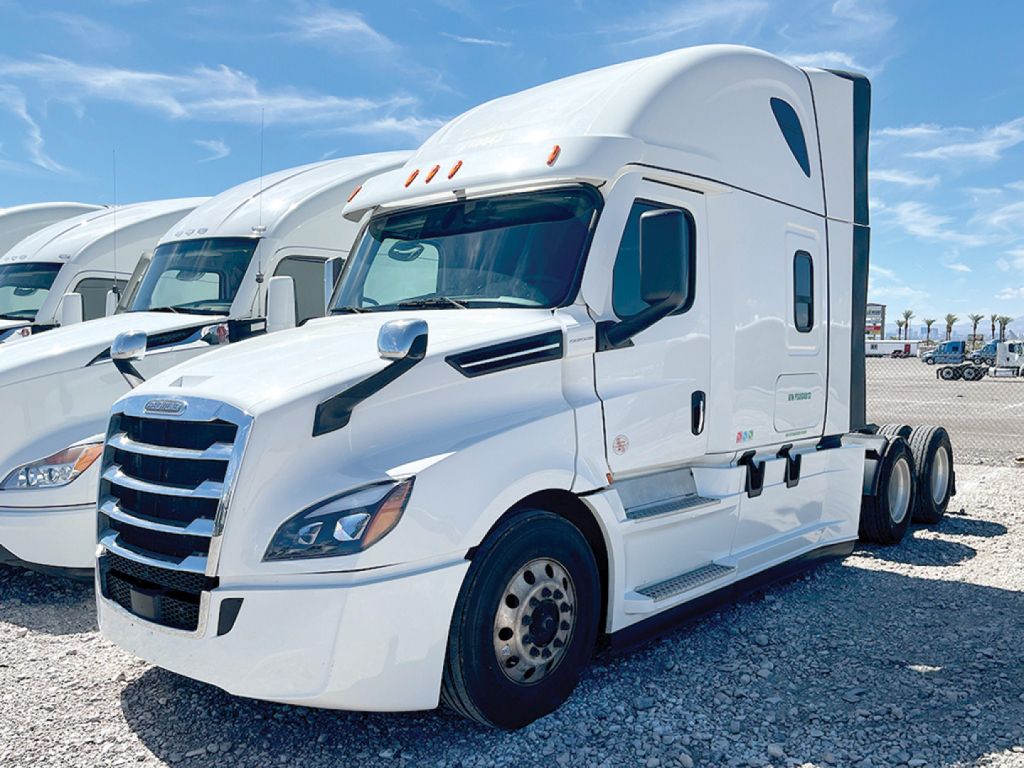
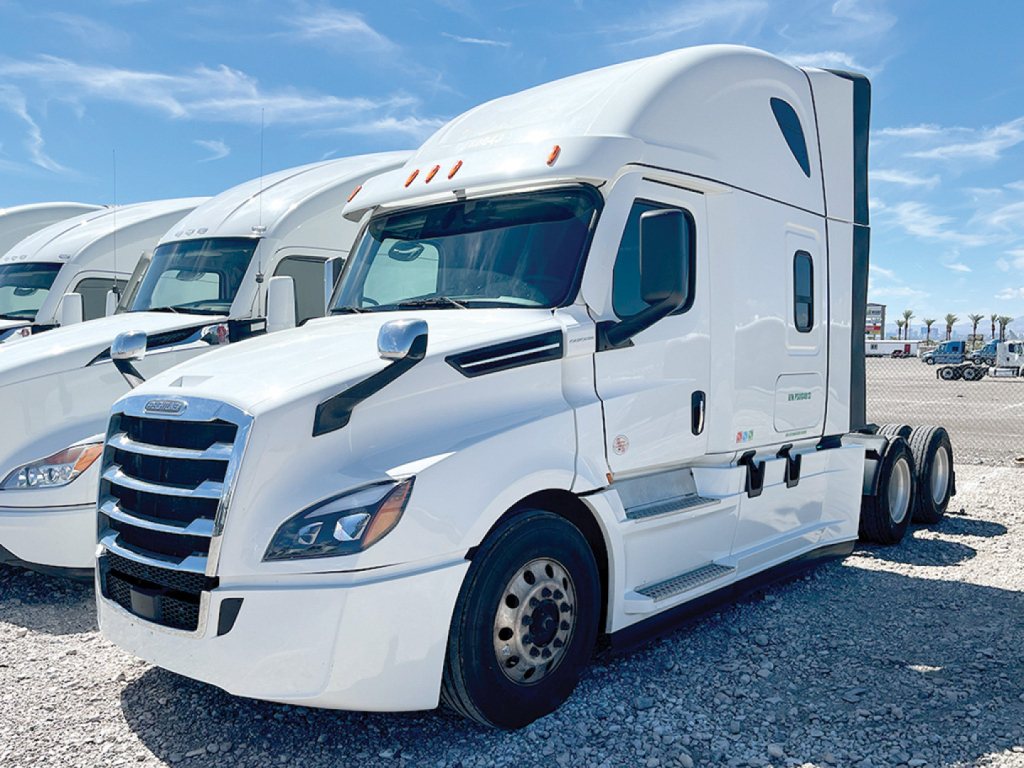
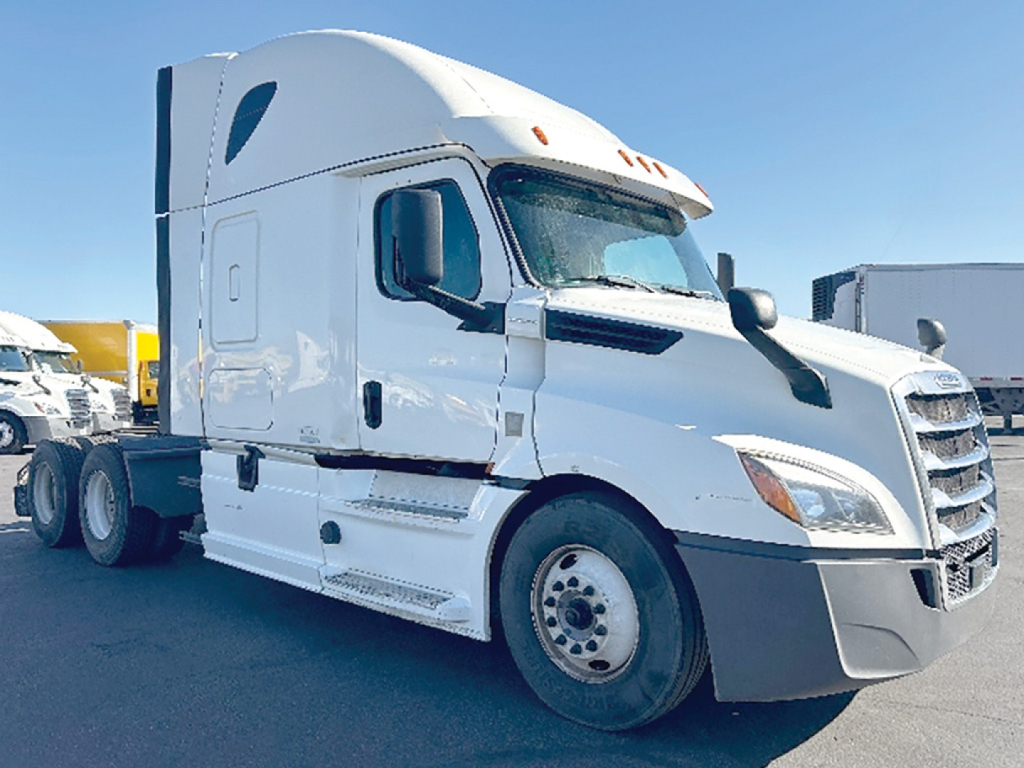
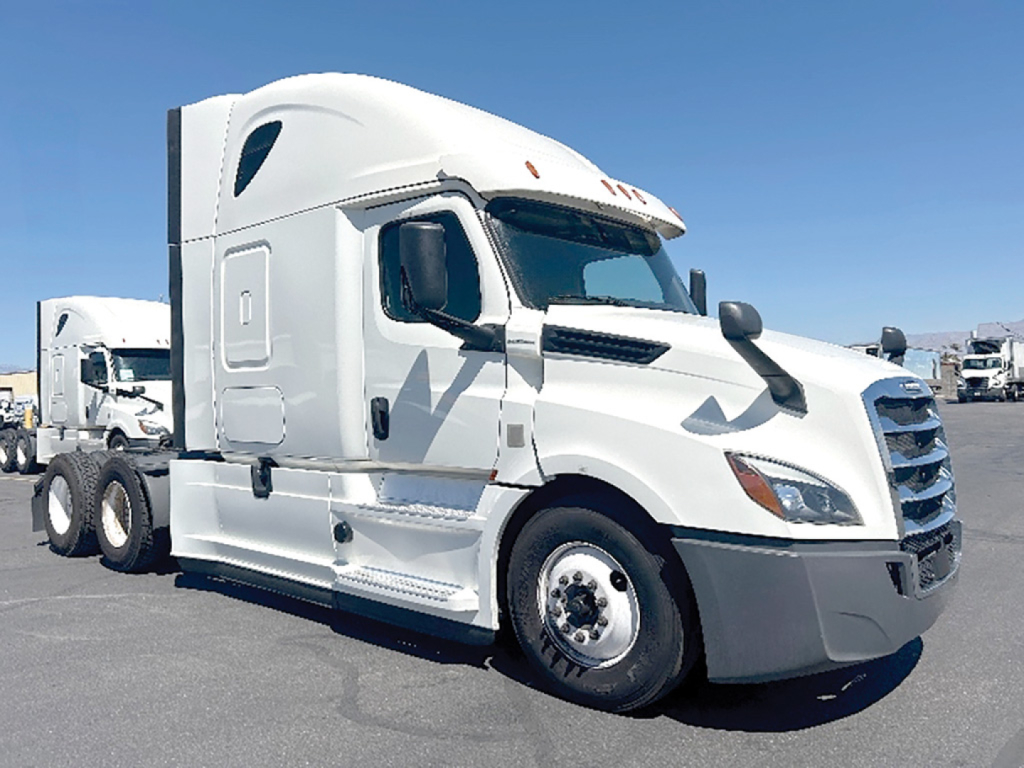
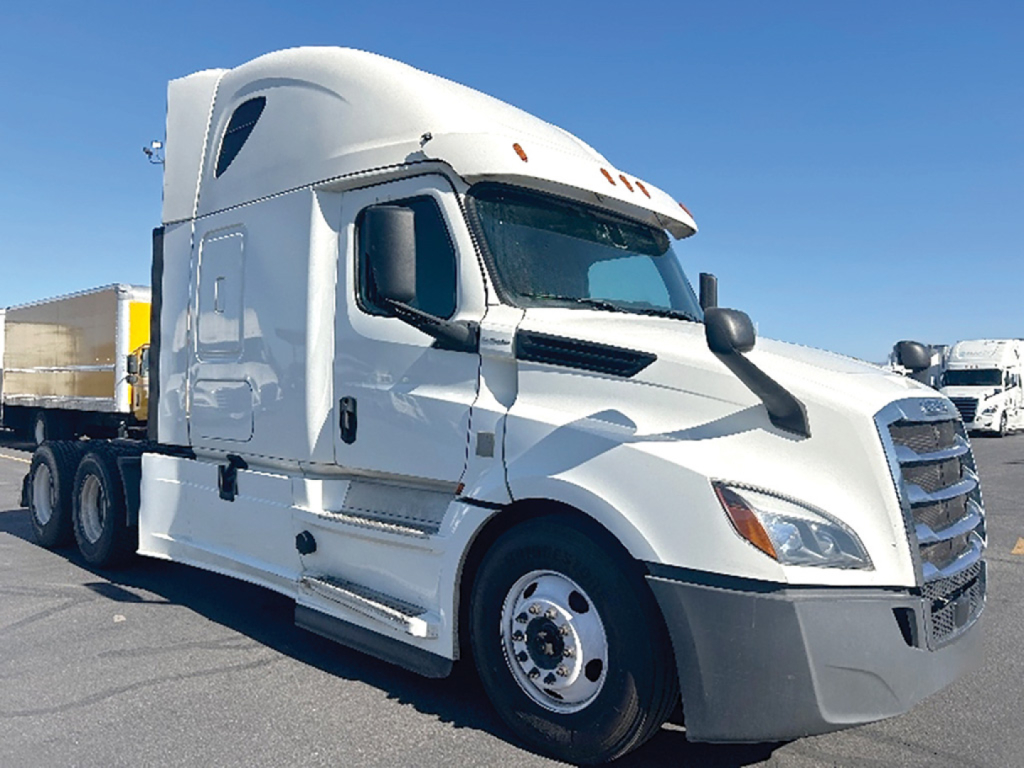
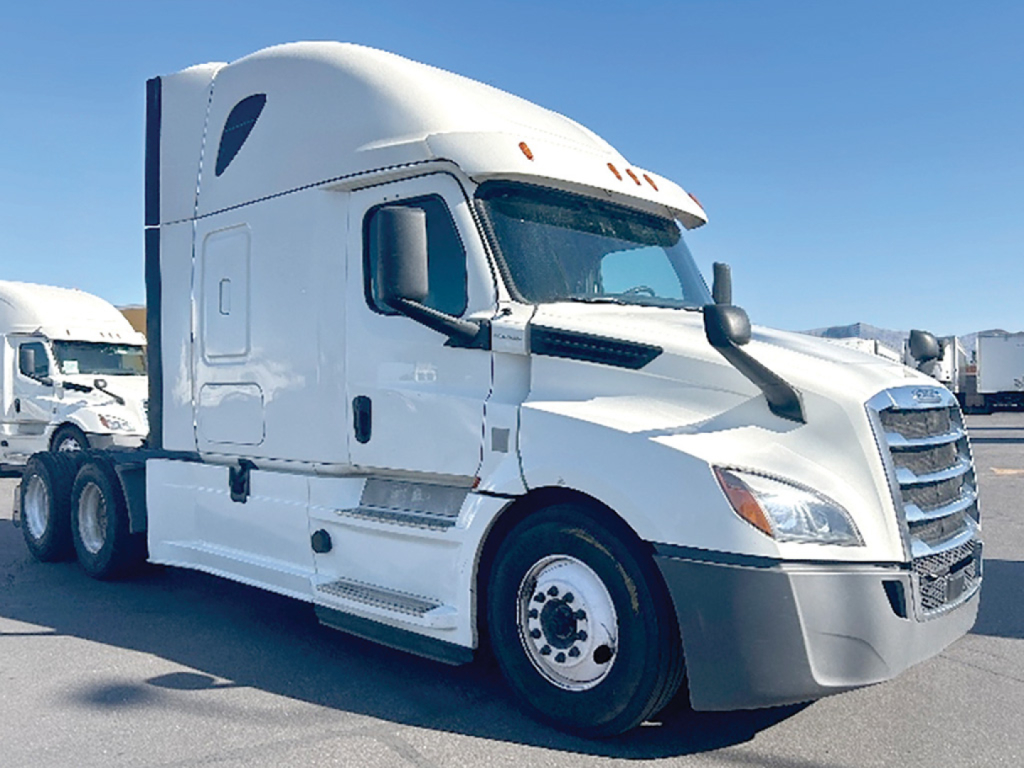
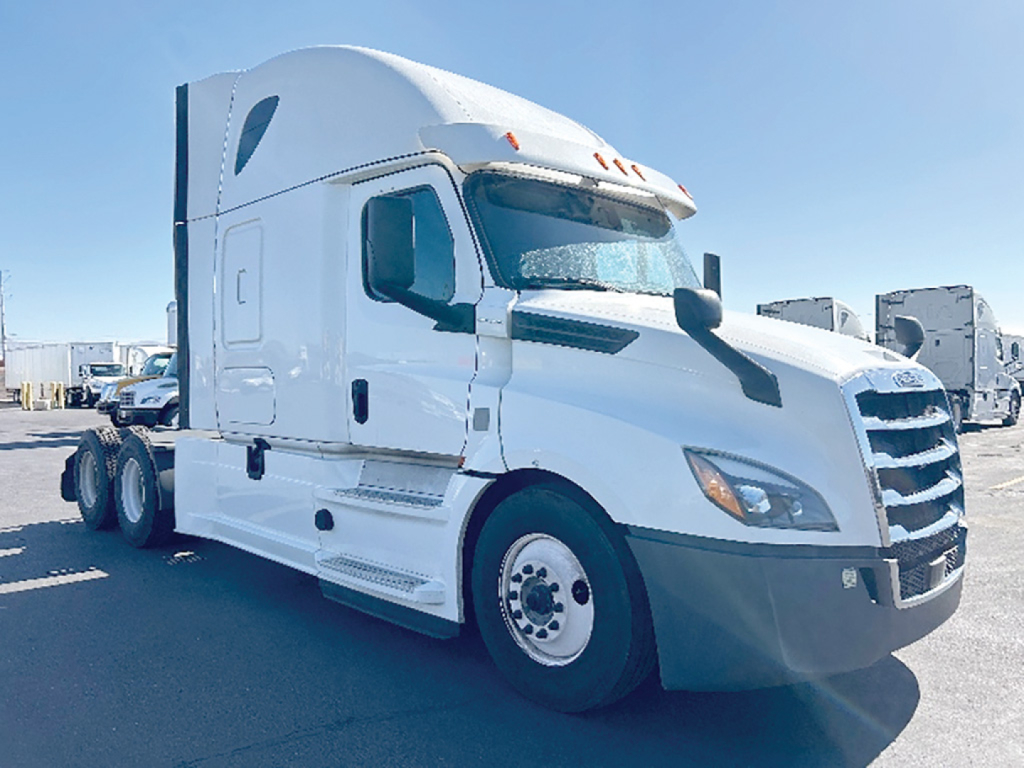
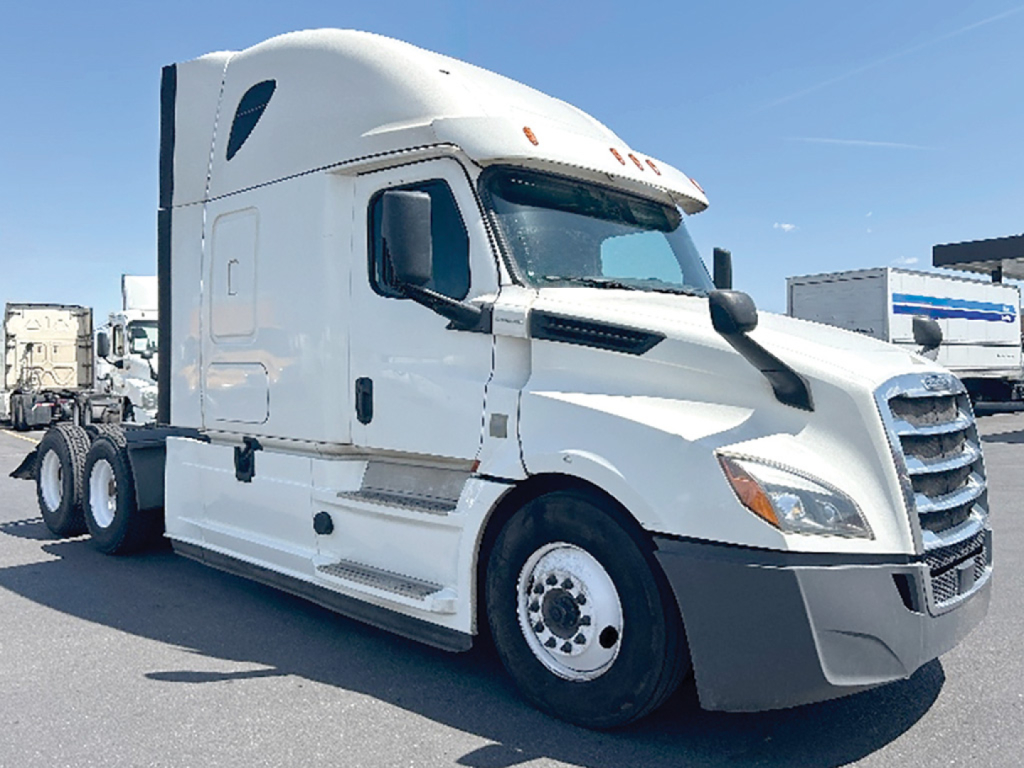
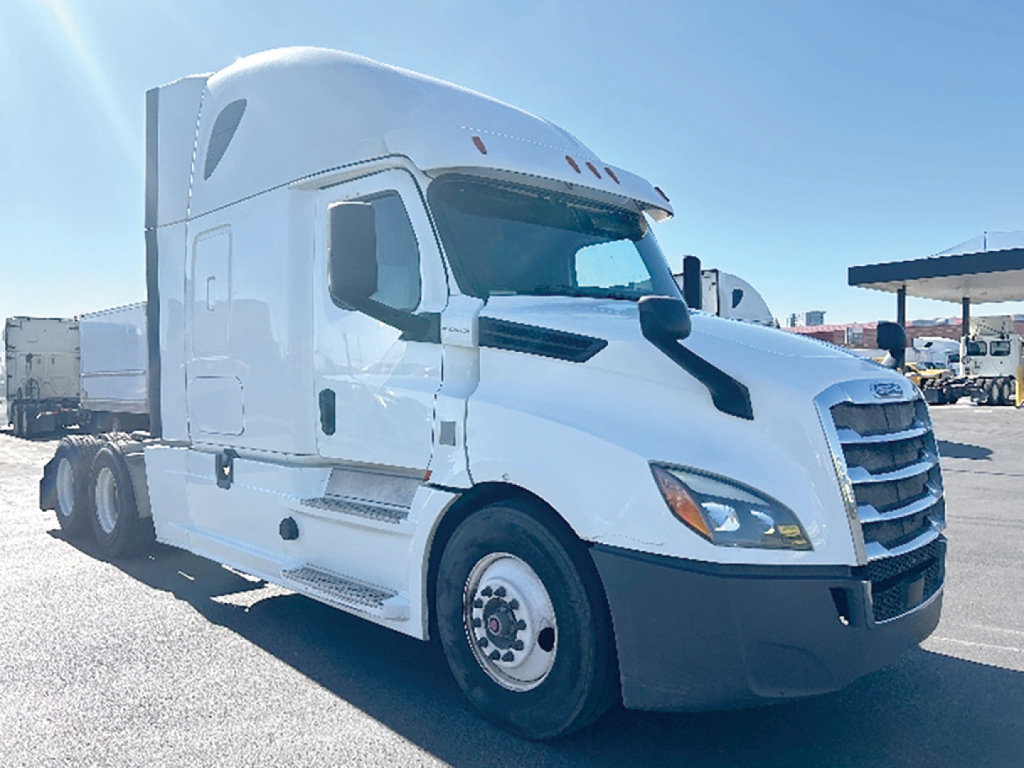
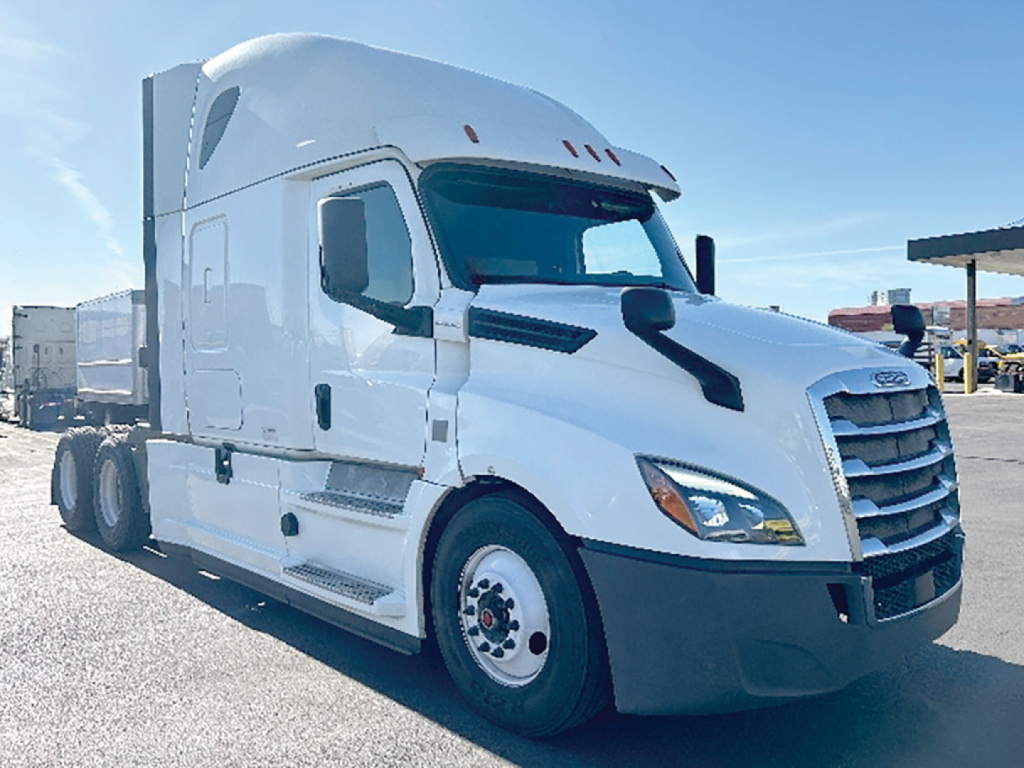
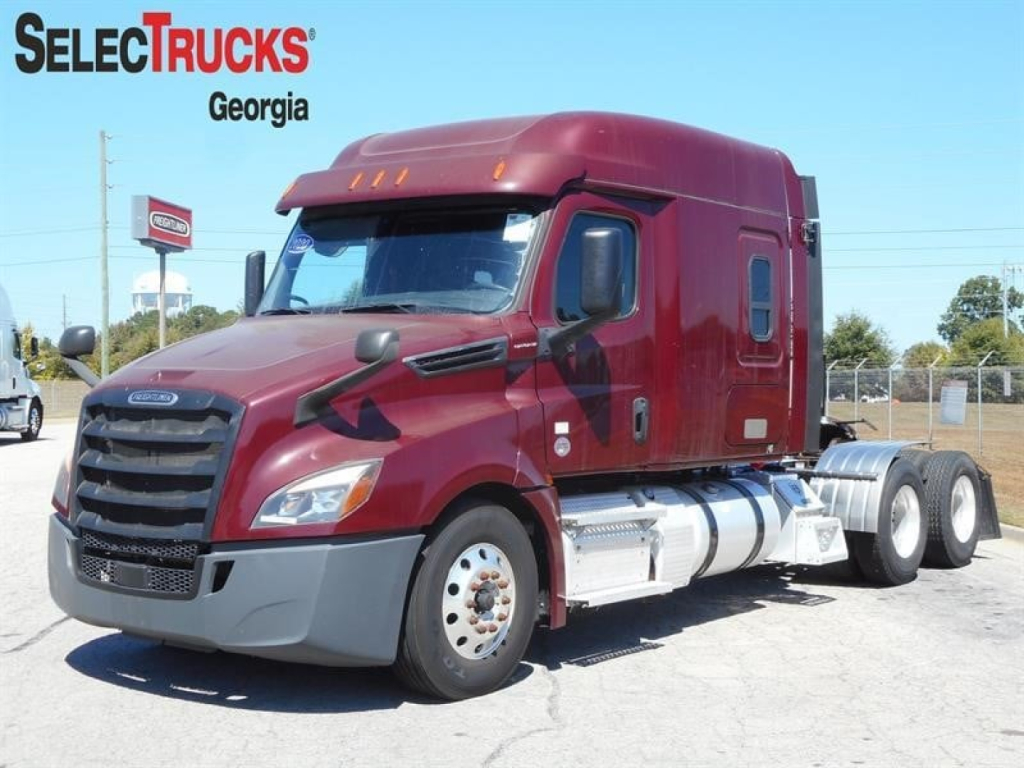
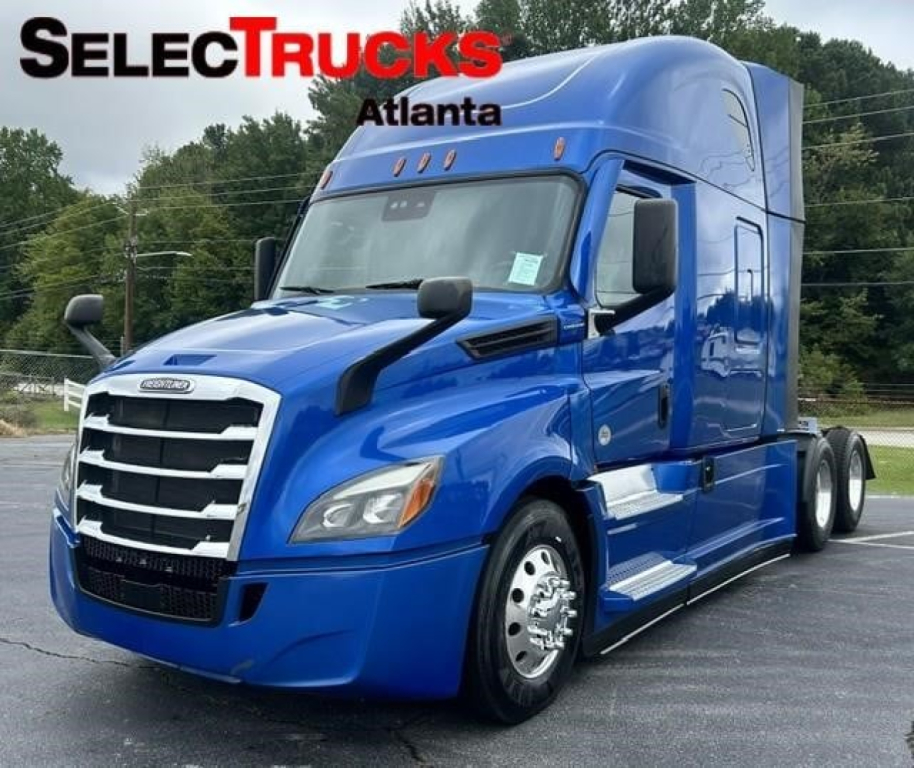
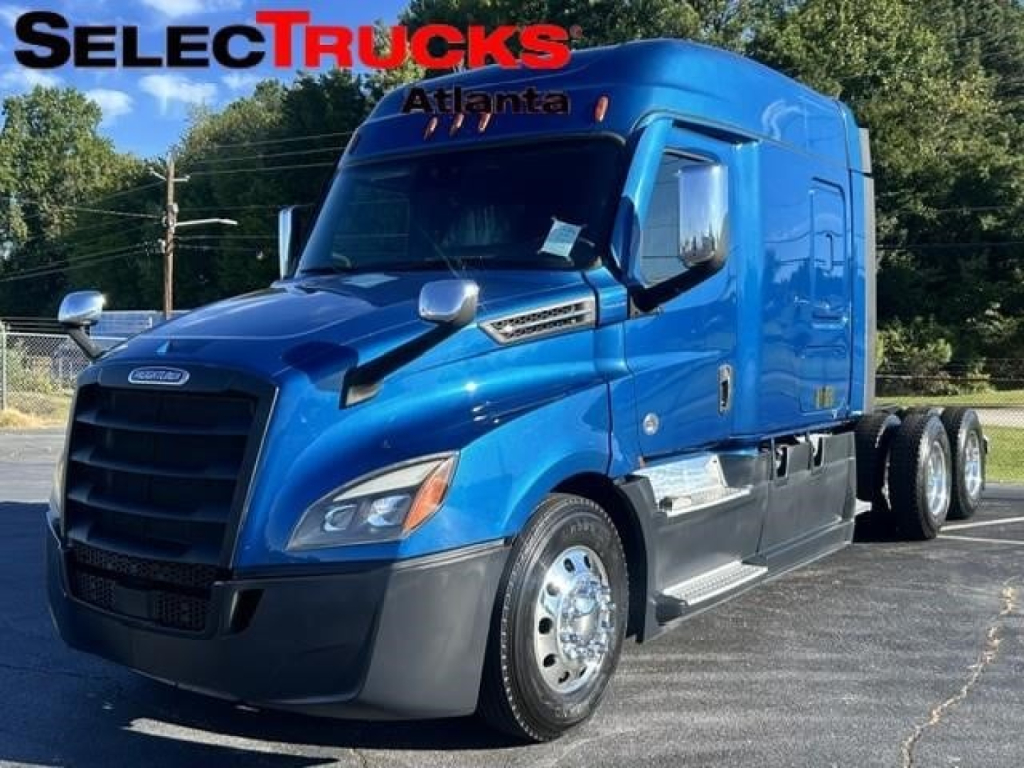
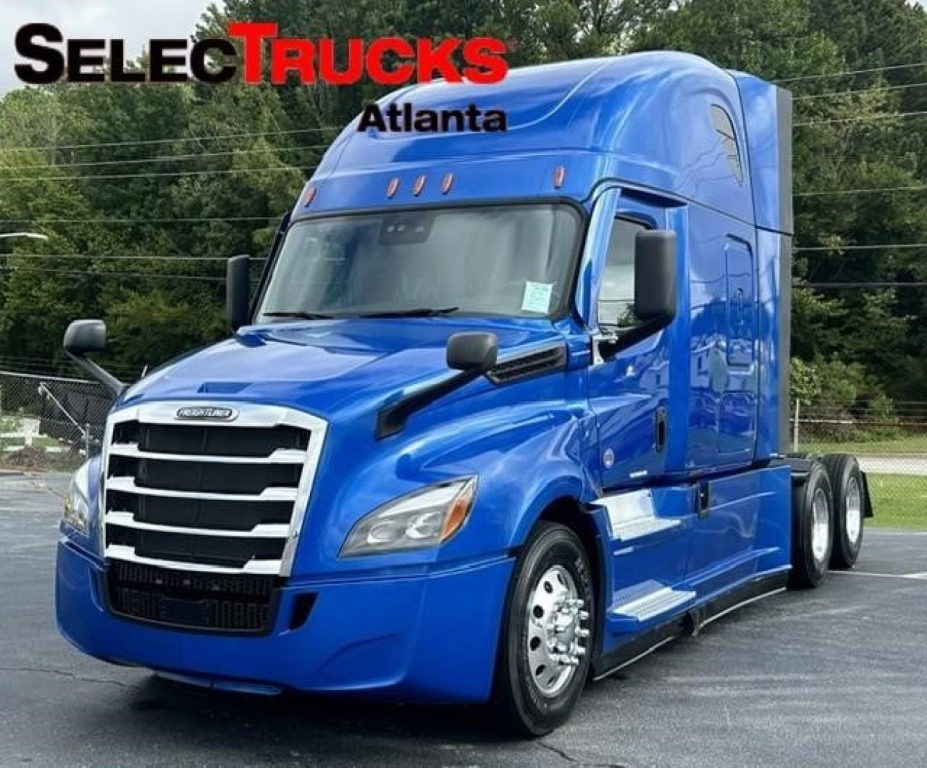
Showing 1 to 28 of 217 results
Selling a used freightliner conventional sleeper truck? List your used freightliner conventional sleeper truck for sale and reach thousands of commercial buyers.
Used Freightliner Conventional Sleeper Trucks in Louisiana
The biggest buying decisions usually come down to powertrain, sleeper size, and axle setup. Many late-model used Freightliner sleeper trucks are spec'd with a Detroit DD15 and either a DT12 automated transmission or a manual, with horsepower commonly ranging from the mid-400s up to around 505 HP depending on application. Buyers should look closely at rear axle ratio, wheelbase, suspension rating, and fuel capacity because those specs affect fuel economy, bridge compliance, ride quality, and route flexibility. Sleeper configurations often include mid-roof or raised-roof layouts, with common sizes such as 60-inch, 72-inch, and condo-style sleepers for teams or drivers spending extended time on the road.
On a used Freightliner sleeper, condition matters as much as the badge on the hood. Service history, engine hours, idle hours, emissions system maintenance, and transmission calibration records can tell you more than odometer miles alone. For trucks operating in Louisiana and the surrounding region, it is smart to inspect cooling system performance, APU or bunk HVAC condition, tire wear patterns, and corrosion exposure from coastal environments. Interior wear in the bunk area, cabinet condition, inverter setup, and mattress platform design also affect driver comfort and retention, especially if the truck will be assigned to long-haul lanes.
A well-matched Freightliner conventional sleeper can serve dry van, reefer, flatbed, tanker, and dedicated contract freight, so the right spec depends on how the truck will earn. Buyers comparing listings should pay attention to collision mitigation systems, adaptive cruise, lane departure features, double-bunk versus single-bunk layouts, and aerodynamic packages that support lower operating cost. Freightliner conventional sleepers, also known as sleeper semis or sleeper tractors, remain a practical option for fleets and owner-operators who want a widely supported highway truck with modern driver amenities and strong resale familiarity.
Frequently Asked Questions about Used Freightliner Conventional Sleeper Trucks in Louisiana
What should I look for first on a used Freightliner conventional sleeper truck?
Start with the engine, transmission, and maintenance history. On most used Freightliner sleeper tractors, the key items are DD15 service records, emissions system repairs, transmission performance, and total idle hours. After that, verify sleeper size, axle ratio, fuel capacity, and wheelbase to make sure the truck fits the freight lane and trailer type you plan to run.
Is a Freightliner Cascadia sleeper a good choice for long-haul work in Louisiana?
Yes, the Cascadia is a common long-haul platform in Louisiana because it combines good parts support, strong dealer coverage, and driver-friendly sleeper layouts. It is well suited for interstate freight, port-related freight, and regional-to-national runs. Buyers should still check cooling performance, bunk HVAC operation, and corrosion exposure because Gulf Coast conditions can be harder on equipment than inland service.
What sleeper size is best on a used Freightliner conventional truck?
The right sleeper depends on time on the road and driver preference. A 60-inch sleeper can work well for shorter over-the-road cycles or regional runs with occasional layovers. A 72-inch or condo sleeper is usually better for extended trips, team operations, and drivers who need more storage and living space. The tradeoff is added weight and wheelbase, which can affect payload and maneuverability.
How important is the Detroit DD15 and DT12 combination on a used Freightliner sleeper?
It is one of the most common and desirable powertrain combinations in late-model Freightliner sleeper trucks. The DD15 is widely used in highway applications, and the DT12 automated transmission is popular for fuel economy and ease of operation. Buyers should confirm software updates, clutch and shift performance, and any repair history because drivability and maintenance quality can vary by prior operation.
Are used Freightliner conventional sleeper trucks good for owner-operators?
They can be an excellent fit for owner-operators because they are widely recognized, relatively easy to service, and commonly spec'd for fuel-efficient over-the-road work. The best value comes from matching the truck to the business model. An owner-operator pulling dry van freight may prioritize aerodynamics and fuel economy, while a buyer planning heavier or specialized work may focus more on horsepower, suspension rating, and axle configuration.