
Used 2021 Freightliner Conventional Sleeper Trucks For Sale in Nevada
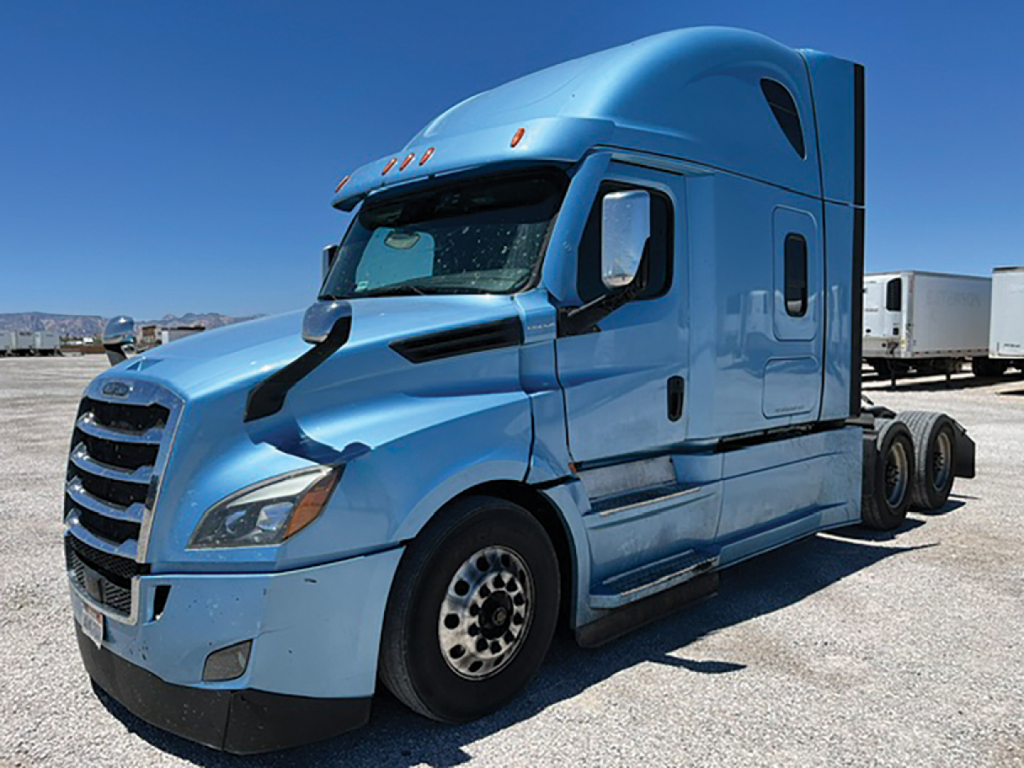

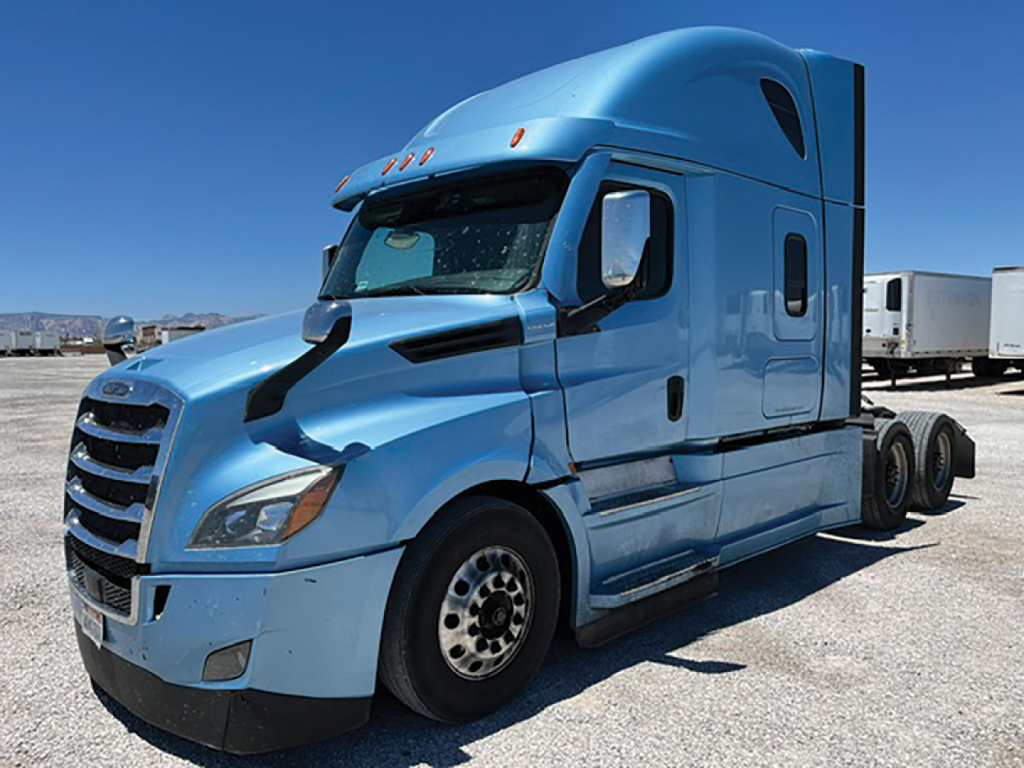
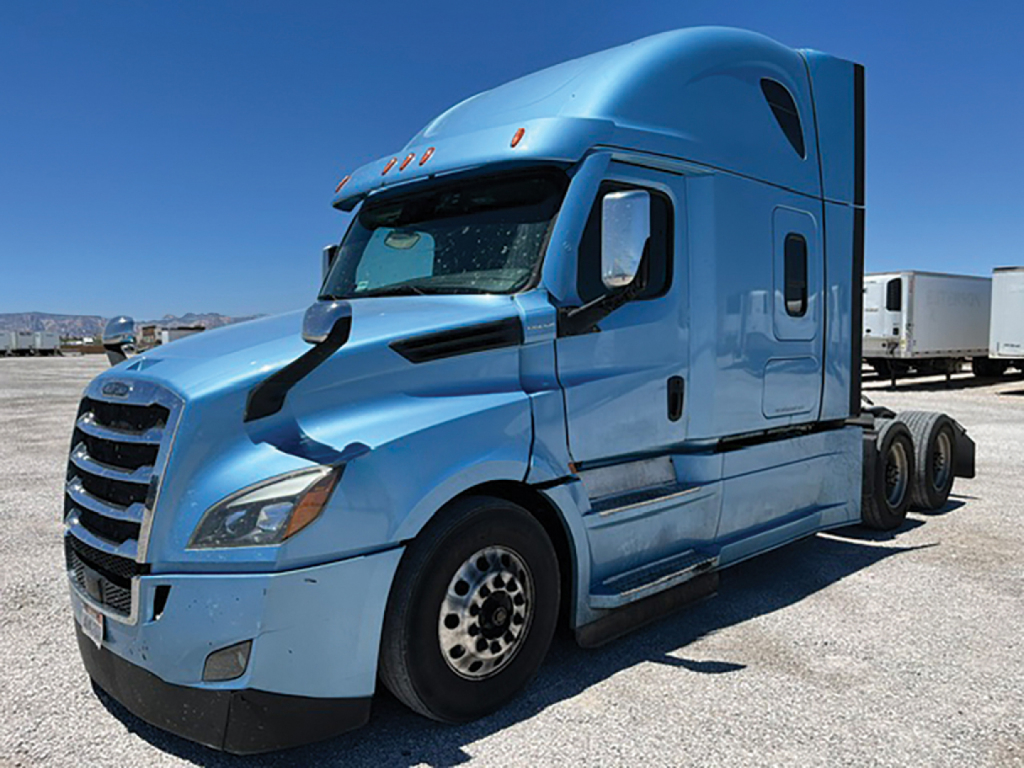
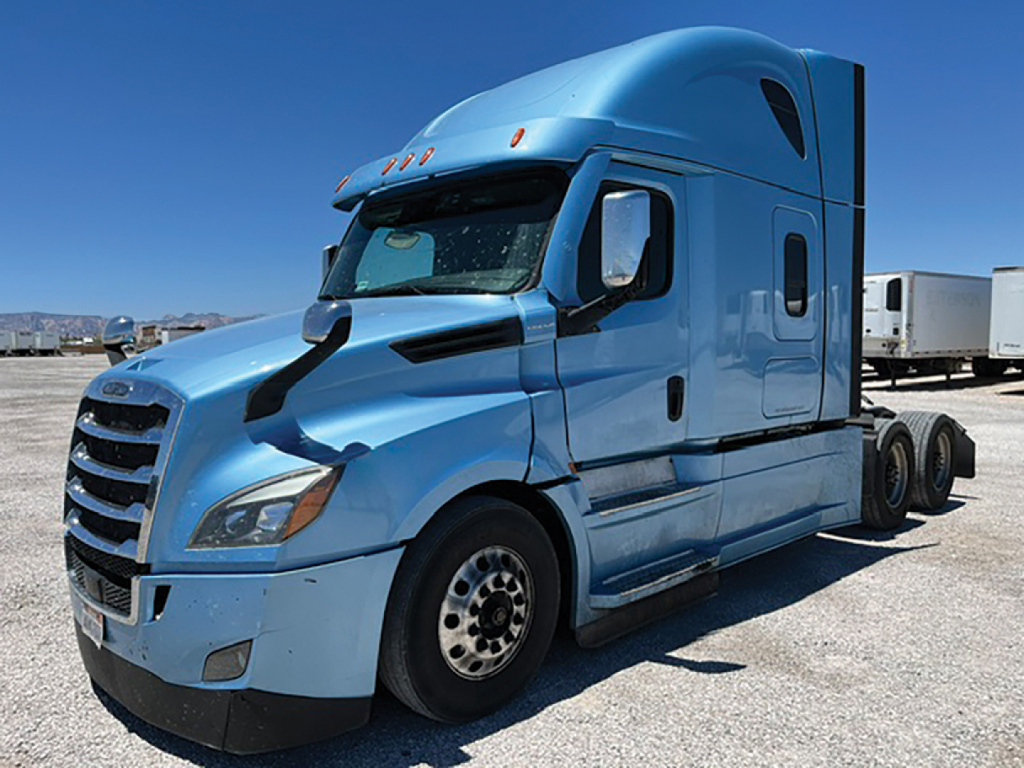
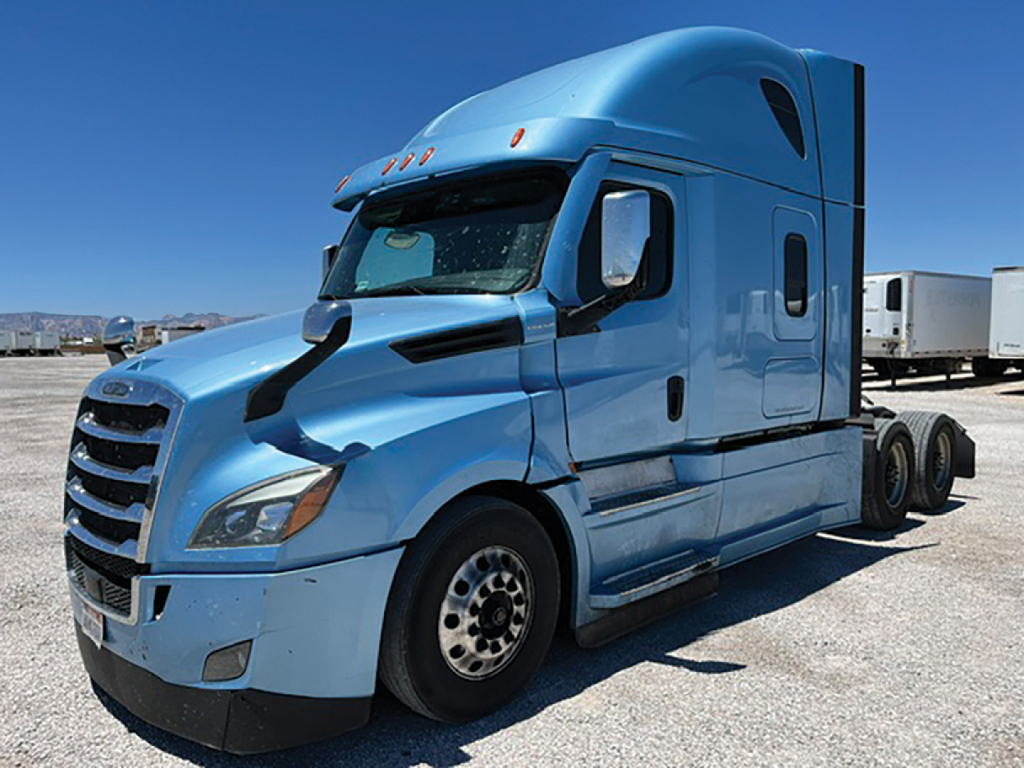
Have used 2021 freightliner conventional sleeper truck to sell? List it here to reach thousands of buyers.
Used 2021 Freightliner Conventional Sleeper Trucks in Nevada
The powertrain is usually the first decision point. Many 2021 Freightliner sleeper trucks are equipped with a Detroit DD15 and DT12 automated transmission, often in the 400 to 455 horsepower range, though some fleets spec higher. Buyers should match horsepower, torque, and rear axle ratio to the lane. A 2.85 ratio generally favors fuel mileage on highway runs, while a shorter ratio can make more sense for heavier gross weights or more varied terrain. A 40,000-pound rear axle setup is standard in this class, and air ride suspension remains the preferred choice for ride quality, trailer protection, and driver retention.
Sleeper and chassis spec matter just as much as engine badge. A 72-inch raised roof sleeper with upper bunk is a common fleet and team-driver setup, and features like a bunk heater, refrigerator, climate control, and tilt-telescoping wheel can make a real difference in retention and rest compliance. Wheelbase and fifth wheel travel should be checked against the trailer mix, especially if the truck will pull different lengths or run in tighter yards. Many Freightliner conventional sleepers in this category also include side fairings, cab extenders, collision mitigation systems, and aluminum tanks or wheels, all of which affect operating cost, weight, and highway efficiency.
For a used 2021 model, condition should be evaluated beyond mileage alone. Maintenance history, aftertreatment performance, brake type, tire spec, and signs of sleeper wear tell you more about the truck's next 200,000 miles than the odometer by itself. On a Freightliner Cascadia, buyers often look closely at emissions system service records, transmission calibration history, front end wear, and the condition of interior electronics and safety systems. A well-spec'd conventional sleeper truck from this model year can still fit a fleet replacement plan or an owner-operator purchase if the gearing, wheelbase, and sleeper layout match the intended freight.
Frequently Asked Questions about Used 2021 Freightliner Conventional Sleeper Trucks in Nevada
What engine and transmission are common in a used 2021 Freightliner conventional sleeper truck?
The most common setup is a Detroit DD15 paired with a DT12 automated manual transmission, although some trucks in this class may be spec'd with a Cummins X15 or other automated transmission package. In a 2021 Freightliner Cascadia sleeper, buyers typically see horsepower ratings suited for linehaul work, strong engine brake performance, and drivetrain programming aimed at fuel economy. The right combination depends on gross weight, terrain, cruise speed, and how much stop-and-go work the truck will see.
Is a 72-inch raised roof sleeper a good fit for over-the-road use?
Yes. A 72-inch raised roof sleeper is one of the most common and versatile OTR configurations because it gives the driver enough room for extended trips without pushing the truck into a more specialized sleeper category. It also supports common amenities such as an upper bunk, refrigerator, bunk heater, storage cabinets, and stand-up room. That makes it a strong fit for solo long-haul service and a workable option for some team operations.
What rear axle ratio is best on a 2021 Freightliner sleeper truck?
The best rear axle ratio depends on freight and lane profile. A 2.85 ratio is popular for highway-focused operations because it helps keep engine rpm down and supports fuel economy at cruising speed. A numerically higher ratio may be better if the truck regularly pulls heavy loads, runs mountain routes, or needs stronger low-speed performance. Buyers should compare ratio, transmission gearing, tire size, and target road speed as one package rather than treating the axle ratio as a standalone spec.
What should I inspect on a used 2021 Freightliner Cascadia sleeper?
Focus on service records, fault history, emissions system repairs, transmission operation, suspension wear, and sleeper condition. On this generation of Cascadia, it is smart to check for aftertreatment work, signs of repeated check engine events, steering and alignment wear, brake condition, and functionality of safety technology such as collision mitigation. Interior wear in the sleeper, HVAC performance, and operation of bunk accessories also matter because they affect driver comfort and can signal how the truck was maintained.
Are used 2021 Freightliner conventional sleepers good for Nevada-based operations?
They can be a strong fit for Nevada because the Freightliner aero sleeper platform is well suited to long interstate miles, hot weather, and broad regional coverage into the West. Buyers in Nevada often prioritize cooling system health, air conditioning performance, fuel capacity, and gearing that works on long open stretches as well as grades. A properly spec'd truck can handle dry van, reefer, and general freight service efficiently if the wheelbase, sleeper package, and drivetrain match the route network.