
Used 2015 Freightliner Conventional Sleeper Trucks For Sale in Texas
Shop used 2015 Freightliner conventional sleeper trucks in Texas. Compare Cascadia sleeper specs, Detroit power, roof heights, and wheelbase options.
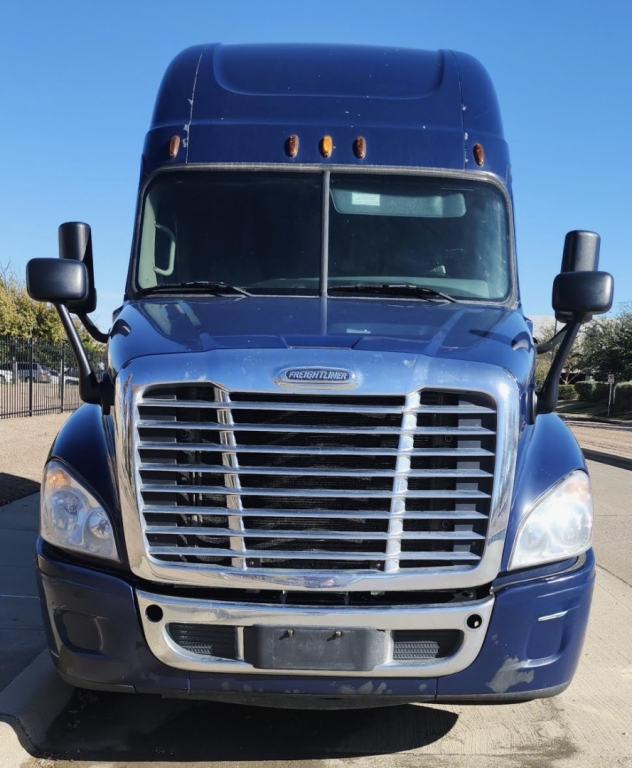

Have used 2015 freightliner conventional sleeper truck to sell? List it here to reach thousands of buyers.
Used 2015 Freightliner Conventional Sleeper Trucks in Texas
The main buying decision is usually the powertrain. Many 2015 Freightliner sleeper trucks are spec'd with Detroit DD13 or DD15 diesel engines, often paired with a DT12 automated manual or a traditional manual transmission. Horsepower commonly falls in the 400 to 505 HP range, with rear axle ratios selected for fuel economy or heavier gross weights. A buyer should look closely at engine brake performance, maintenance records, aftertreatment service history, and transmission calibration. For Texas operations, cooling system condition, APU or idle-management setup, and HVAC performance are especially important because heat and long interstate miles can expose weak points quickly.
Sleeper configuration also changes the truck's value and day-to-day usability. Common setups include mid-roof and raised-roof sleepers, often with 60-inch to 72-inch bunks, upper bunk options, refrigerator prep, and cabinet storage. Wheelbase, fuel capacity, and fifth wheel position affect bridge compliance, trailer gap, and ride quality. Air ride suspension, collision mitigation, disc brakes, and air-slide fifth wheels are all common features buyers compare in this category. Interior wear, seat condition, bunk area cleanliness, and signs of hard idle time can tell you as much about a truck as the odometer.
For a used 2015 Freightliner conventional sleeper, the best value usually comes from matching the truck's original spec to the freight it will actually pull. A highway aero spec with taller gearing makes sense for dry van and reefer lanes across I-10, I-20, and I-35. A heavier spec with higher horsepower, different axle ratio, or stronger suspension may fit bulk, flatbed, or more demanding regional work better. Buyers should verify wheelbase, front and rear axle ratings, sleeper size, emissions compliance, and ECM data before purchase, then compare those details against expected payload, route profile, and downtime tolerance.
Frequently Asked Questions about Used 2015 Freightliner Conventional Sleeper Trucks in Texas
What engine options are common in a used 2015 Freightliner conventional sleeper truck?
Most 2015 Freightliner conventional sleeper trucks, especially Cascadia models, are commonly equipped with Detroit DD13 or DD15 diesel engines. The DD13 is often chosen for fuel-conscious regional or lighter highway work, while the DD15 is a popular choice for over-the-road applications that need stronger torque and broader performance under load. Buyers should confirm horsepower and torque ratings, emissions system service history, and any documented injector, turbo, or aftertreatment repairs before making a decision.
Is a 2015 Freightliner Cascadia sleeper a good fit for Texas long-haul operations?
A 2015 Freightliner Cascadia sleeper can be a strong fit for Texas long-haul work because it combines an aerodynamic chassis, widely available service support, and sleeper configurations built for interstate use. Texas operators often prioritize cooling system health, air conditioning performance, fuel tank capacity, and drivetrain gearing because trucks in this region may see high temperatures, long mileage between stops, and sustained highway speeds. The right spec depends on whether the truck is assigned to dry van, reefer, flatbed, or dedicated contract freight.
What should I check first on a used 2015 Freightliner sleeper truck?
Start with the maintenance history, engine hours, and ECM or diagnostic data because those records help verify how the truck was actually used. After that, inspect the aftertreatment system, transmission operation, suspension condition, steering play, brake wear, and tire pattern. On a sleeper tractor, it also makes sense to inspect bunk HVAC, cabinets, seals, mattress area, and signs of water intrusion or excessive idle wear, since those issues can affect both driver comfort and repair cost.
What sleeper sizes are typical on 2015 Freightliner conventional sleepers?
Typical sleeper setups on 2015 Freightliner conventional sleeper trucks include mid-roof and raised-roof configurations with bunk sizes commonly around 60 to 72 inches. Larger sleepers generally offer better storage, standing room, and driver comfort on multi-day runs, while smaller sleepers can help reduce weight and simplify spec for regional work. The right sleeper size depends on route length, team or solo use, onboard storage needs, and how much time the driver spends in the bunk.
Why do wheelbase and axle ratio matter on a used Freightliner sleeper?
Wheelbase and axle ratio directly affect maneuverability, trailer spacing, ride quality, highway RPM, and fuel economy. A longer wheelbase may improve ride and allow for larger fuel capacity, but it can reduce maneuverability in tight yards or urban docks. Axle ratio determines how the truck balances startability and cruise efficiency, so buyers should match it to gross weight, terrain, average speed, and transmission type rather than assuming one spec works for every lane.